Iskra
The Iskra is a Soviet 6×6 medium-format folding rangefinder camera produced by the KMZ factory from 1960 to 1963. It uses 120 film and is equipped with a fixed Industar-58 75 mm f/3.5 lens.
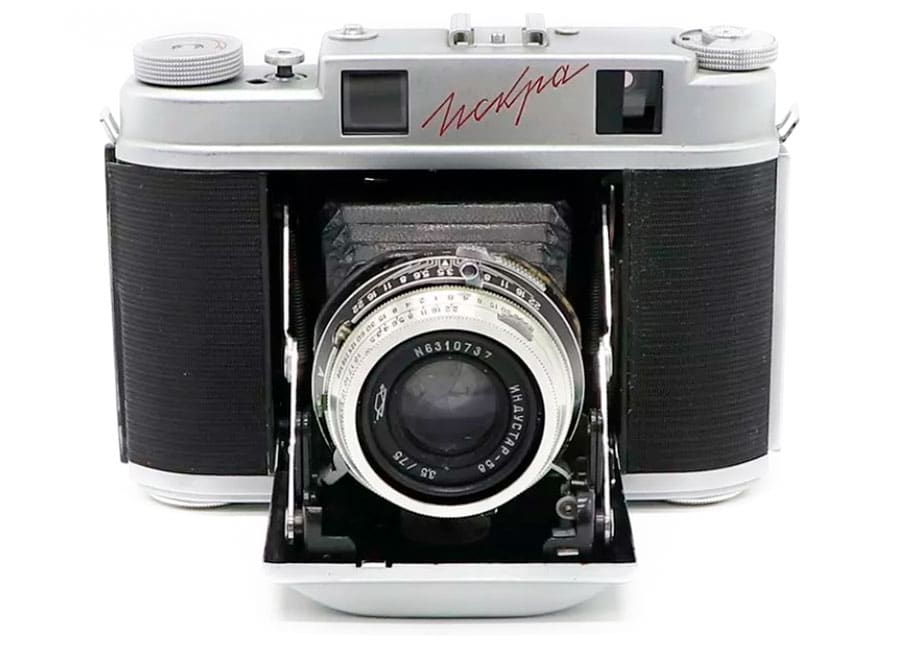
The Iskra is one of the most advanced Soviet medium-format folding cameras. It combines a rigid metal body, a coupled rangefinder, an excellent lens, a wide range of shutter speeds, and automatic film advance, making it one of the most capable Soviet folding cameras ever built.
The camera has a solid die-cast metal body with a removable rear section. To open it, simply press the release button on the top plate while supporting the front cover as it folds open.
Iskra Specifications
- Type: 6×6 medium-format folding rangefinder camera
- Manufacturer: KMZ factory
- Production period: 1960–1963
- Format: 6×6 cm on 120 film
- Lens mount: fixed lens
- Lens: Industar-58 75 mm f/3.5
- Rangefinder base: 55 mm
- Shutter: leaf shutter with speeds from 1 to 1/500 sec., plus B
- Viewfinder: optical viewfinder combined with a coupled rangefinder
- Light meter: none
- Flash synchronization: M and X synchronization
- Self-timer: mechanical
- Weight: approximately 850 grams without case
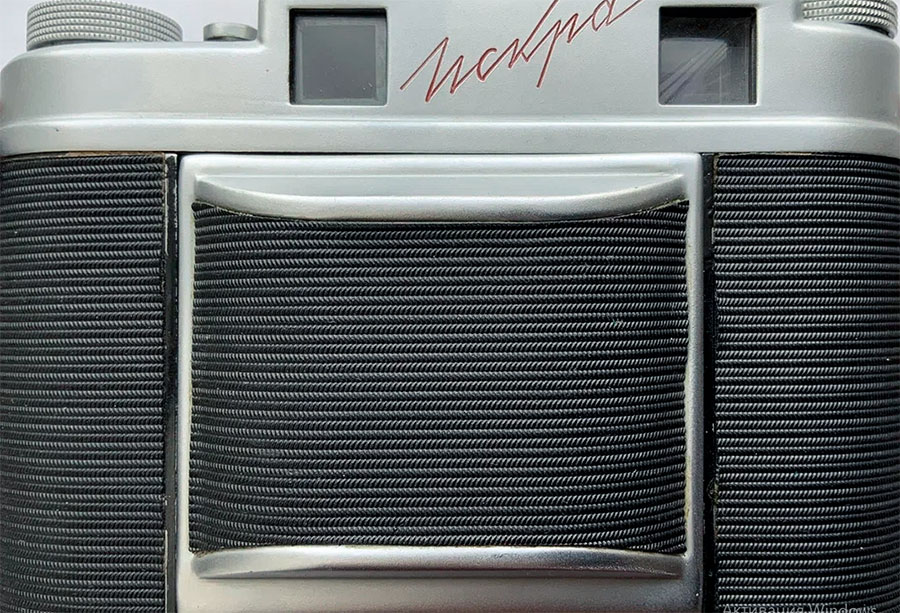
Iskra Body and Controls
The Iskra is widely regarded as one of the most advanced Soviet medium-format folding cameras. This Soviet camera has a coupled rangefinder, a broad range of shutter speeds, and an automatic film-advance mechanism in a relatively compact folding body.
The Iskra has a rigid die-cast metal body with a removable rear section. The front cover is released by pressing the opening button on the top plate while supporting the cover as it unfolds.
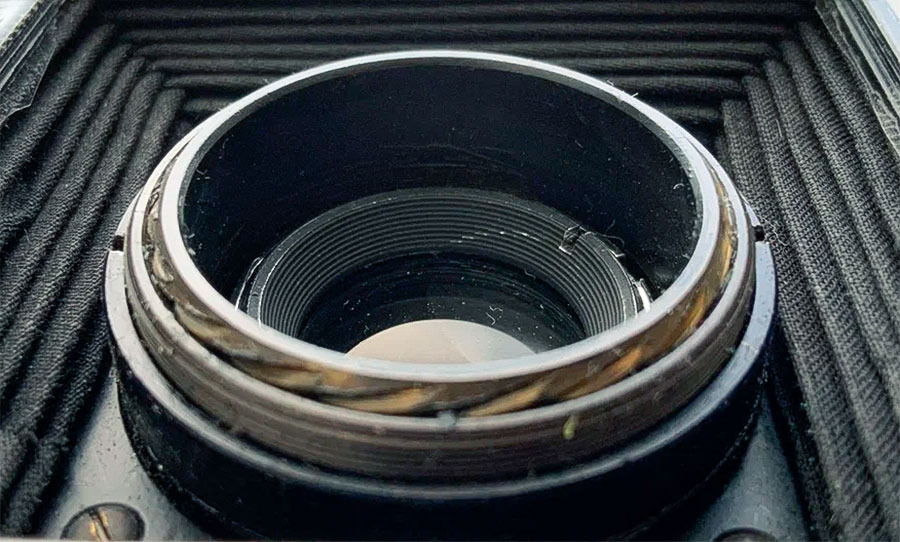
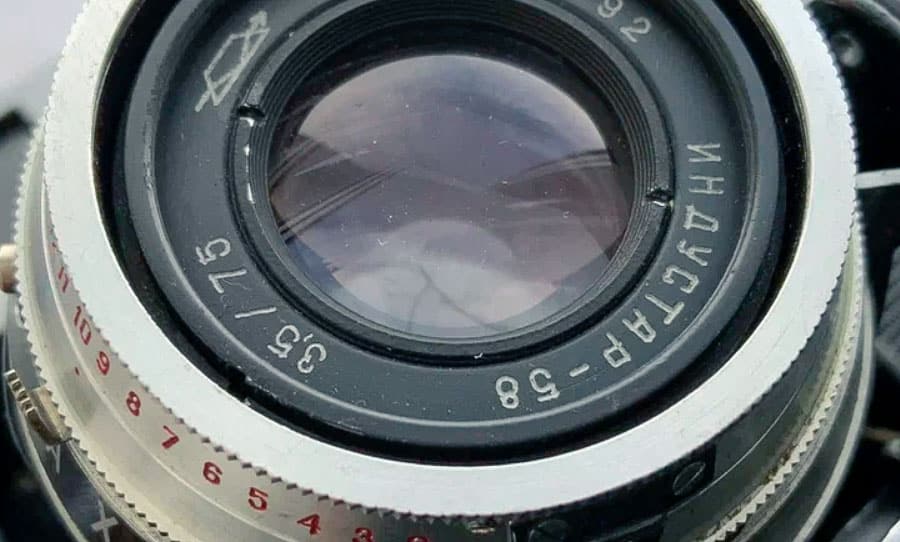
Industar-58 Lens
The Iskra is equipped with a coated four-element Industar-58 75 mm f/3.5 lens based on the Tessar optical formula. A properly adjusted example is capable of producing sharp images with good contrast and smooth out-of-focus rendering.
The lens has an angular field of view of approximately 55° and focuses from 1 m to infinity. Its coating helps reduce reflections and improve contrast when shooting both black-and-white and color film.
Shutter and Focusing
The Iskra uses a leaf shutter with ten timed speeds from 1 to 1/500 second, plus B for exposures longer than one second. This was an excellent shutter-speed range for a medium-format folding camera produced in the early 1960s.
The shutter includes a mechanical self-timer and synchronization settings for electronic flash and flashbulbs.
Because it is a leaf shutter, electronic flash can be synchronized at every timed shutter speed. Focusing is coupled to the rangefinder and is performed by moving the complete lens-and-shutter assembly.
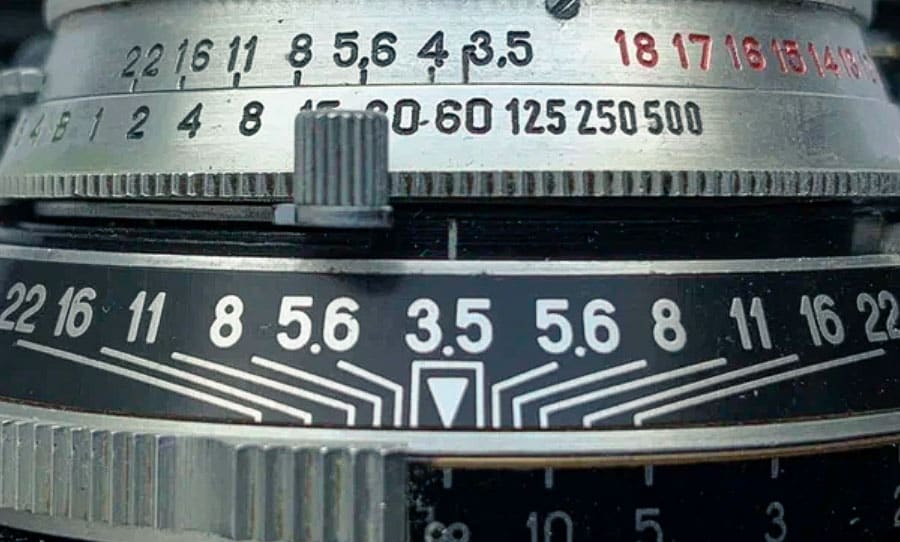
Most exposure and focusing controls are arranged around the lens barrel. These include the aperture ring, shutter-speed ring, shutter-cocking lever, focusing barrel, self-timer and flash-synchronization selector, and flash socket.
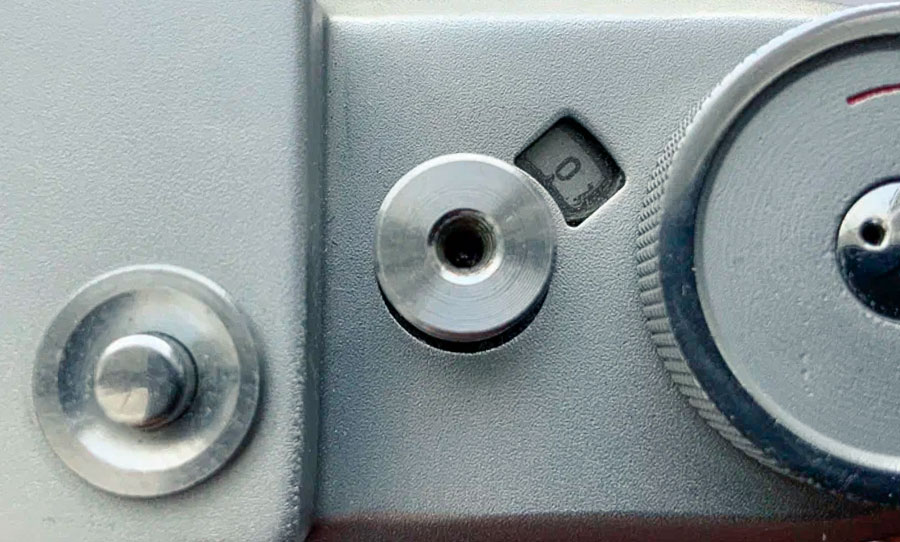
The remaining controls are located on the top plate. They include the film-advance knob, shutter-release button, front-cover release, accessory shoe, frame counter, and film-type reminder.
Film Advance and Frame Counter
One of the Iskra’s most useful features is its automatic frame counter and film-advance stop. The counter resets to zero when the removable rear section is opened, and the winding mechanism automatically stops the film at each successive frame.
After loading the film and replacing the rear section, the film-advance knob is turned in the direction of the arrow until the mechanism stops and the counter displays “1.”
The interlock between the film transport and shutter release also helps prevent accidental double exposures and unexposed skipped frames.
Conclusion
The Iskra is one of the clearest examples of the Soviet photographic industry at its peak during the 1960s. It was fully competitive with contemporary German and Japanese folding cameras and, in some respects, even surpassed them.
Almost every part of the camera was executed to a genuinely high standard. The lens is among the finest ever fitted to a Soviet medium-format camera, while the rangefinder, shutter and aperture controls, and automatic film advance make the Iskra an exceptionally enjoyable camera to use.
Unlike the earlier Moskva cameras, the Iskra eliminated most of their shortcomings and brought the concept of the Soviet folding medium-format camera close to perfection.
We can confidently recommend the Iskra to anyone who finds a well-serviced example in good mechanical condition. It is a camera that will reward almost any film photographer with both excellent handling and outstanding image quality.
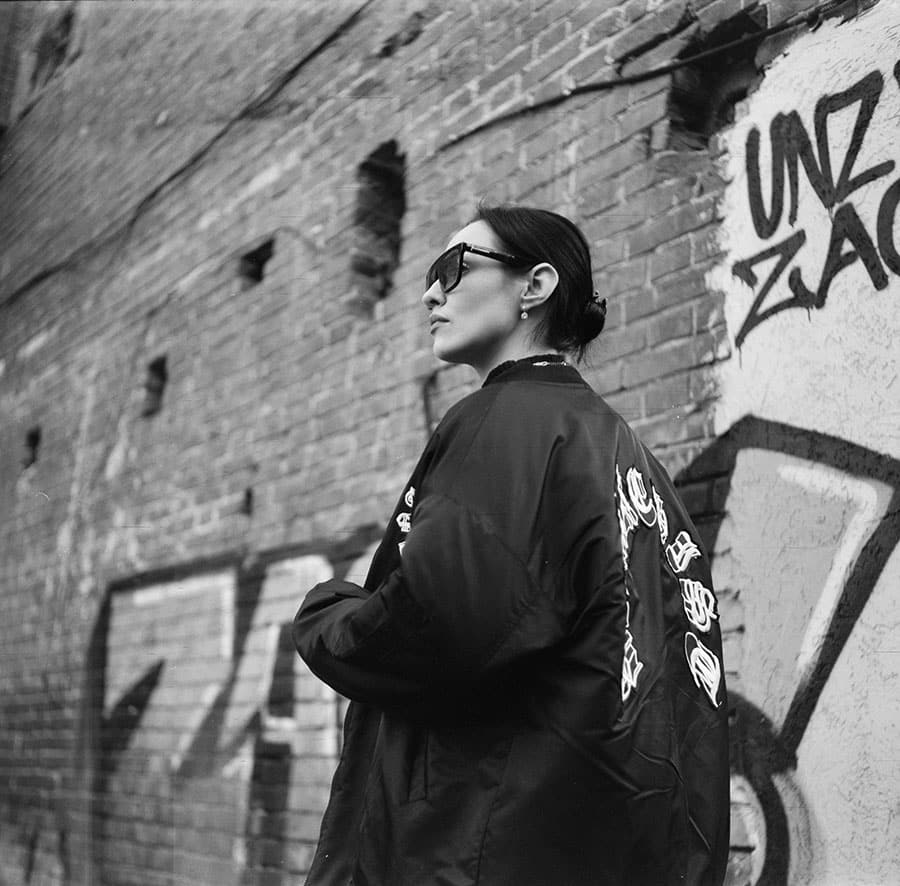
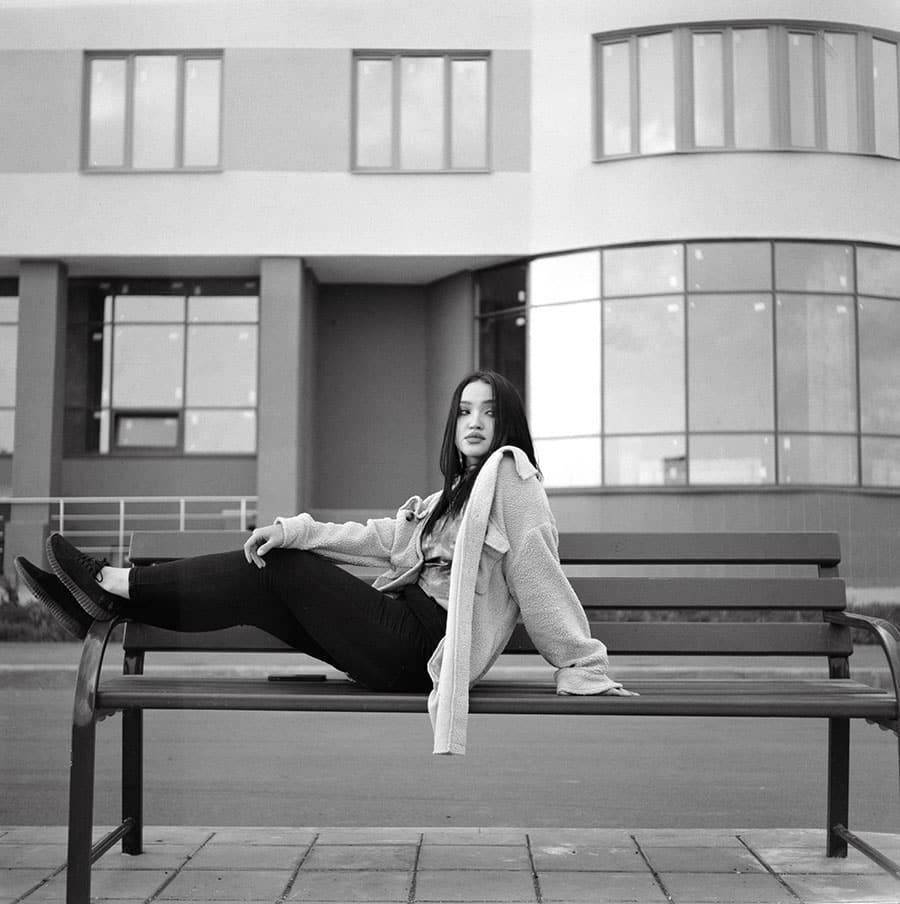
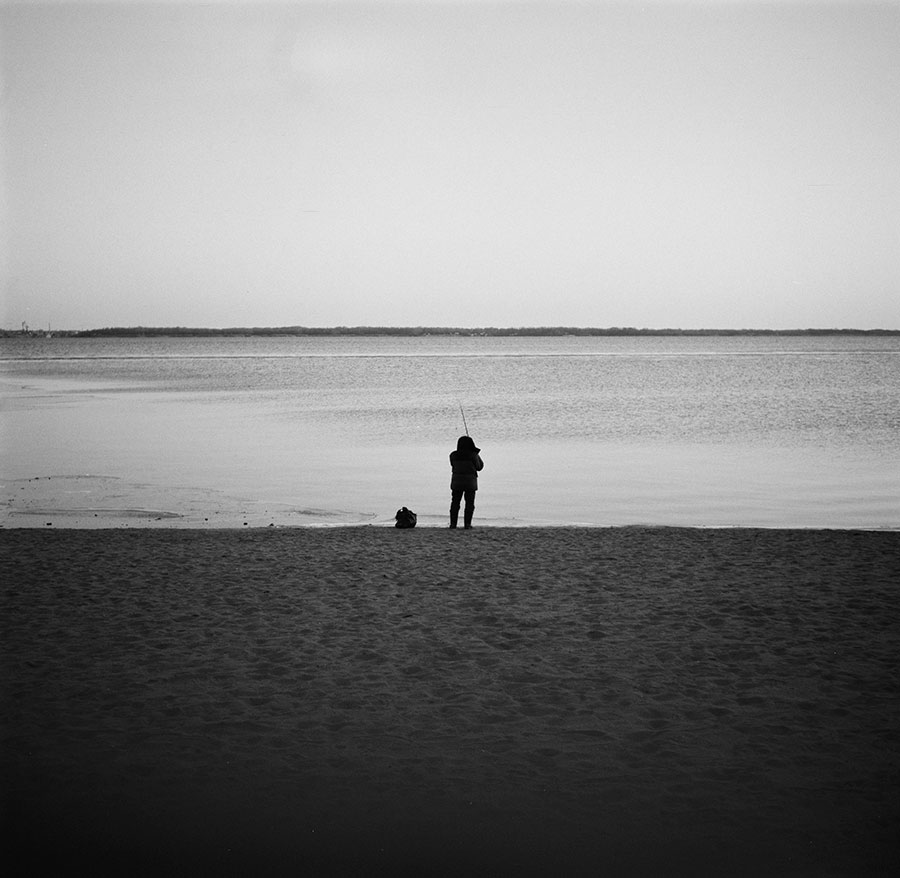
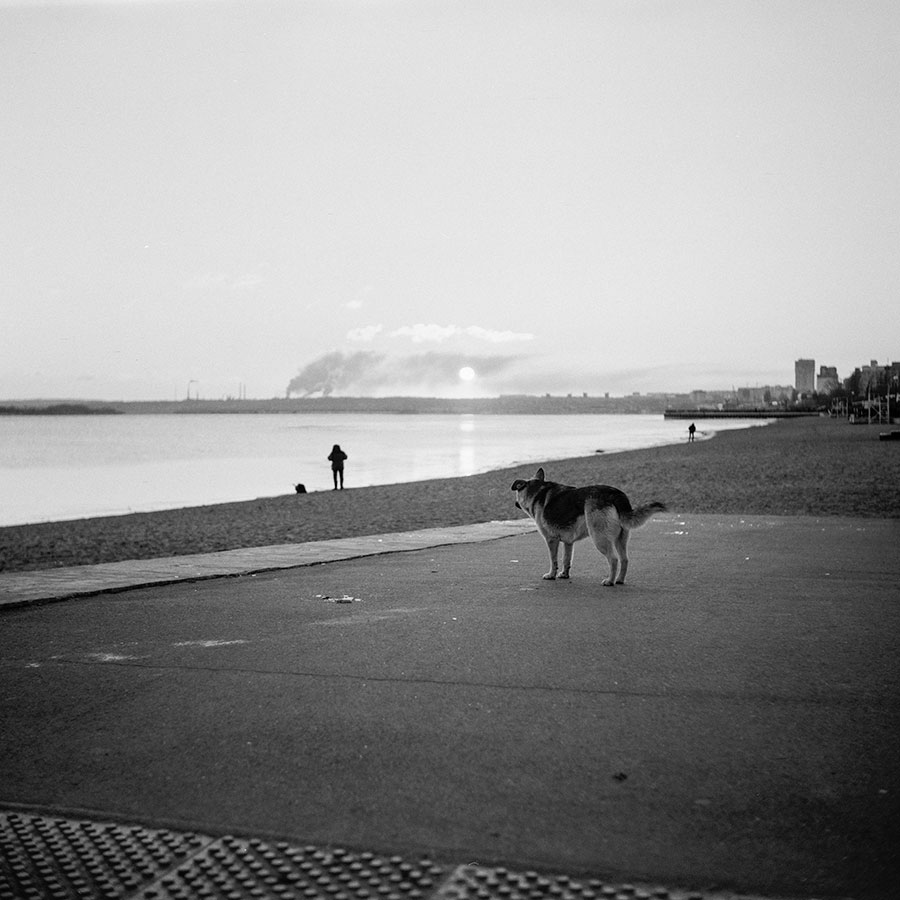
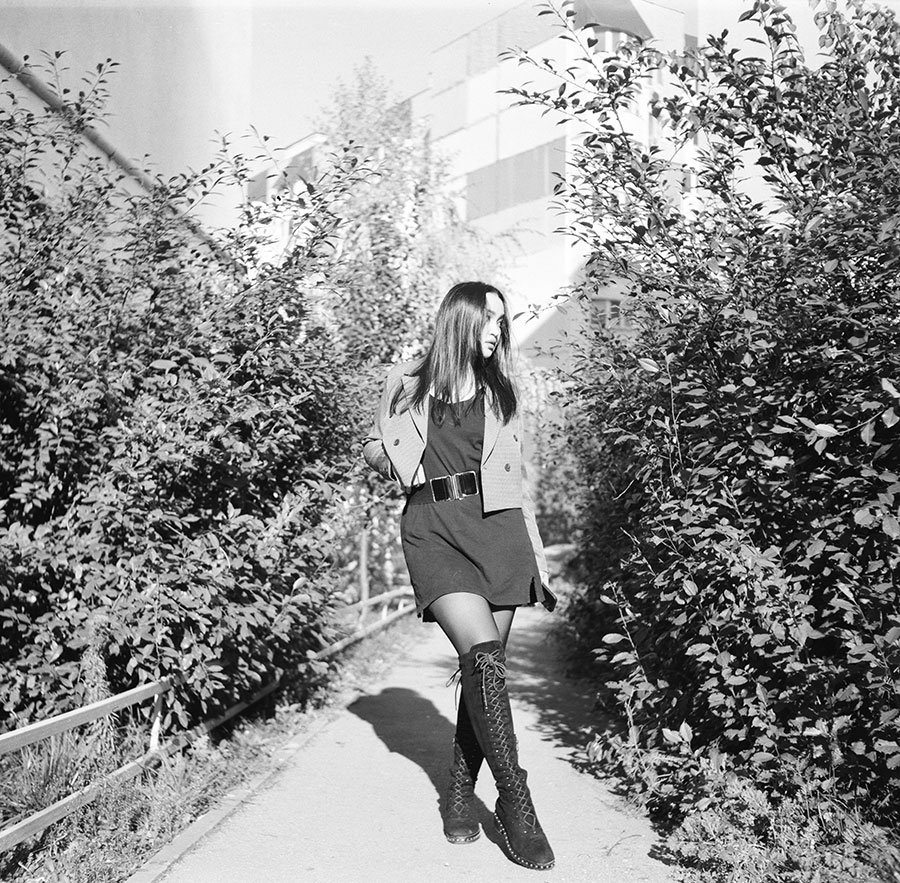
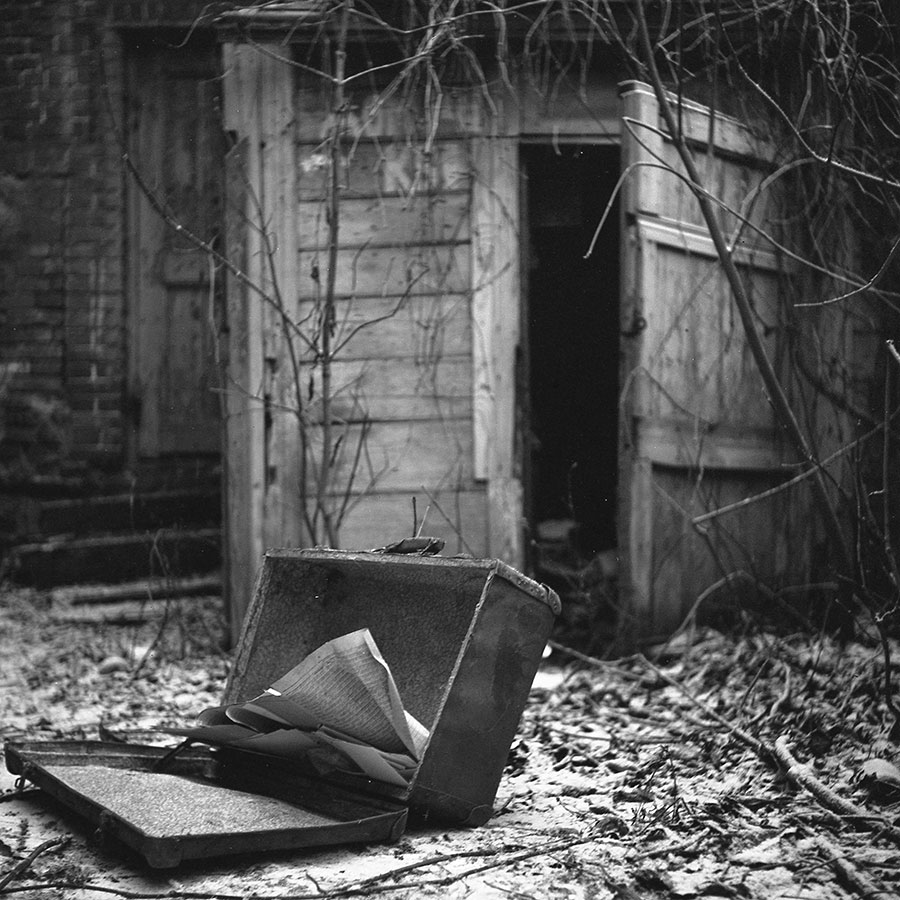
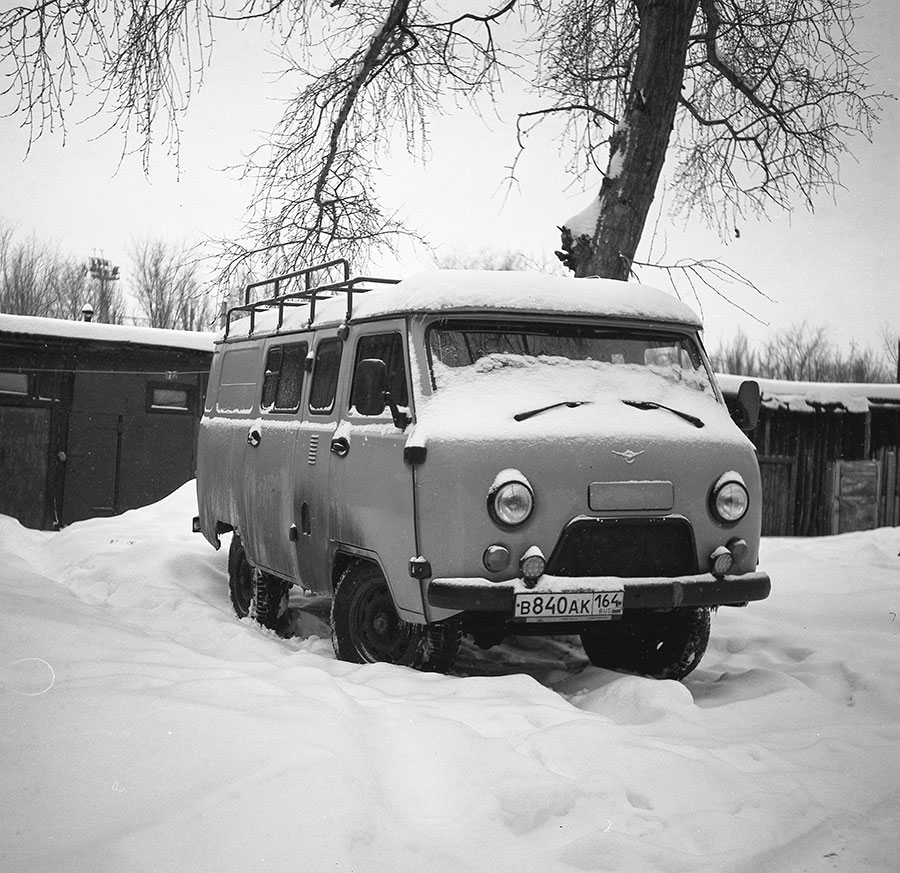
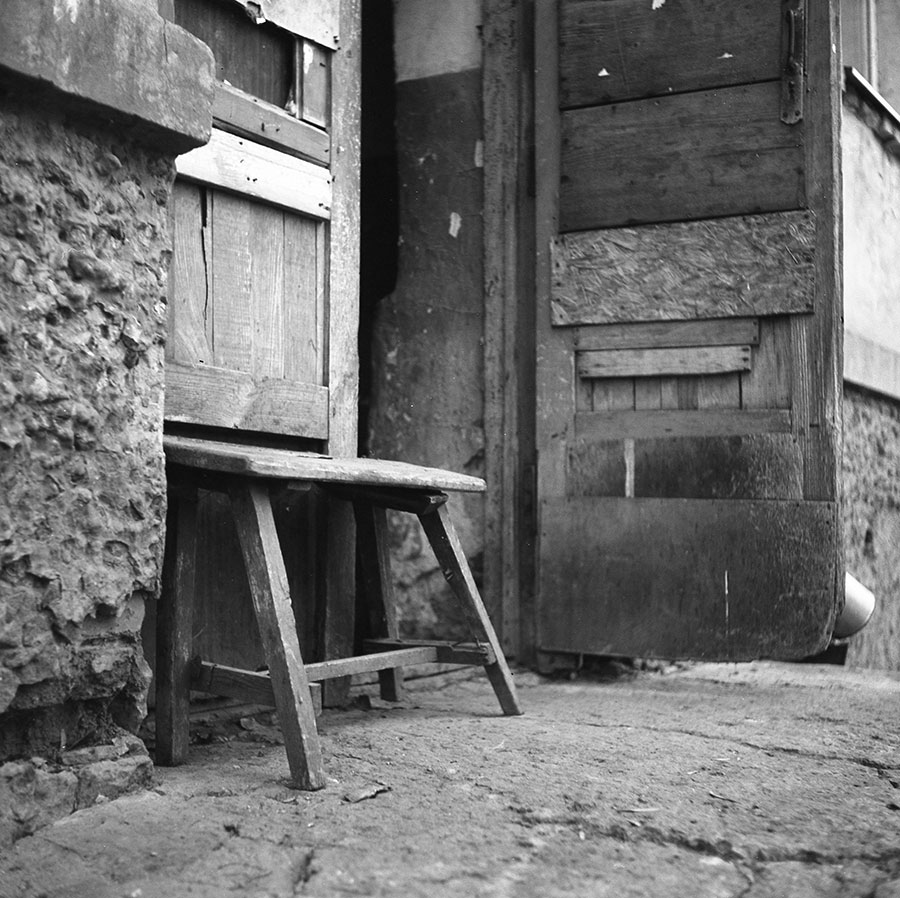
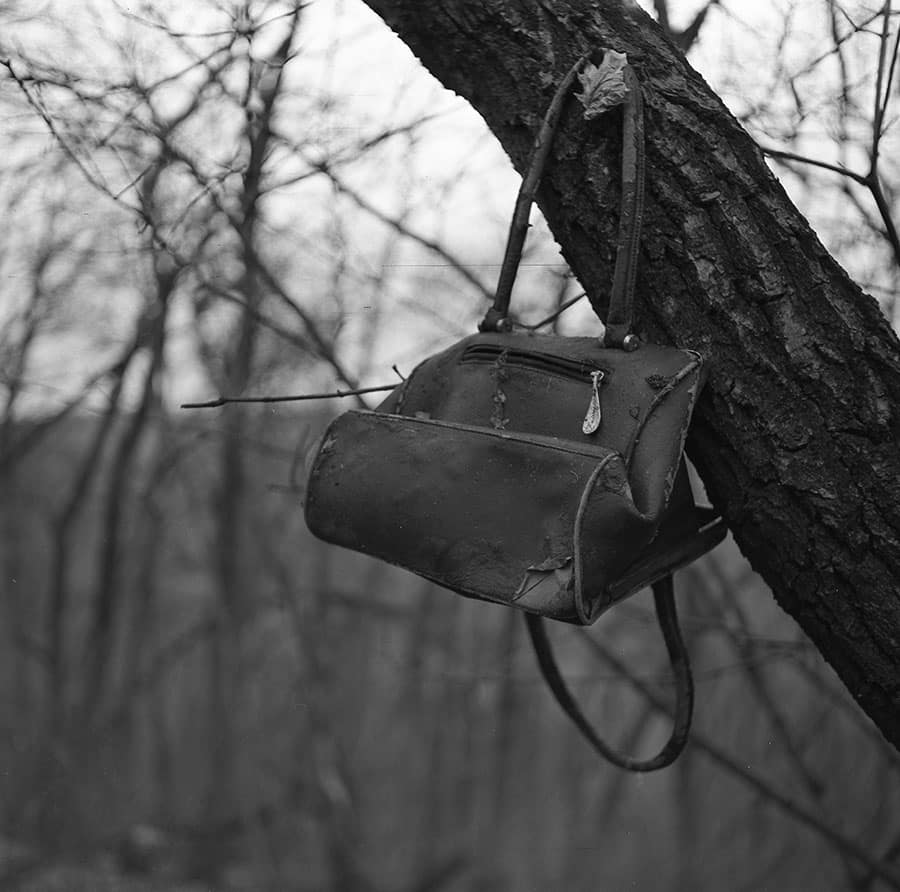
Iskra Sample Photos