Iskra-2
The Iskra-2 is a Soviet 6×6 medium-format folding rangefinder camera produced by KMZ from 1961 to 1964. Based on the original Iskra, it differs primarily through the addition of a built-in uncoupled selenium light meter.
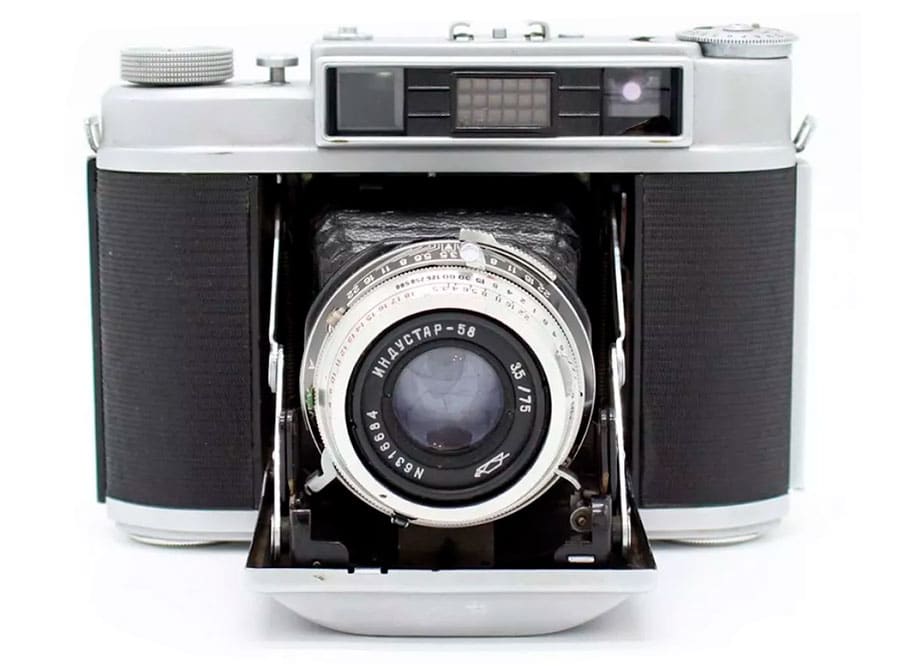
The Iskra-2 was developed from the original Iskra and retained most of its mechanical and optical design. Only 6,118 examples were produced, making it considerably less common than the first model.
The camera was produced in two principal versions: one with a protective cover over the selenium photocell and another with the cell permanently exposed.
Iskra-2 Specifications
- Type: 6×6 medium-format folding rangefinder camera
- Manufacturer: Krasnogorsk Mechanical Works (KMZ)
- Production period: 1961–1964
- Format: 6×6 cm on 120 film
- Lens mount: fixed lens
- Lens: Industar-58 75 mm f/3.5
- Rangefinder base: 55 mm
- Shutter: leaf shutter with speeds from 1 to 1/500 sec., plus B
- Viewfinder: optical viewfinder combined with a coupled rangefinder
- Light meter: built-in uncoupled selenium light meter
- Flash synchronization: X synchronization at all shutter speeds; M synchronization at 1/25 sec. and slower
- Self-timer: mechanical, with a delay of approximately 9–15 seconds
- Weight: 925 grams
Iskra-2 Selenium Light Meter
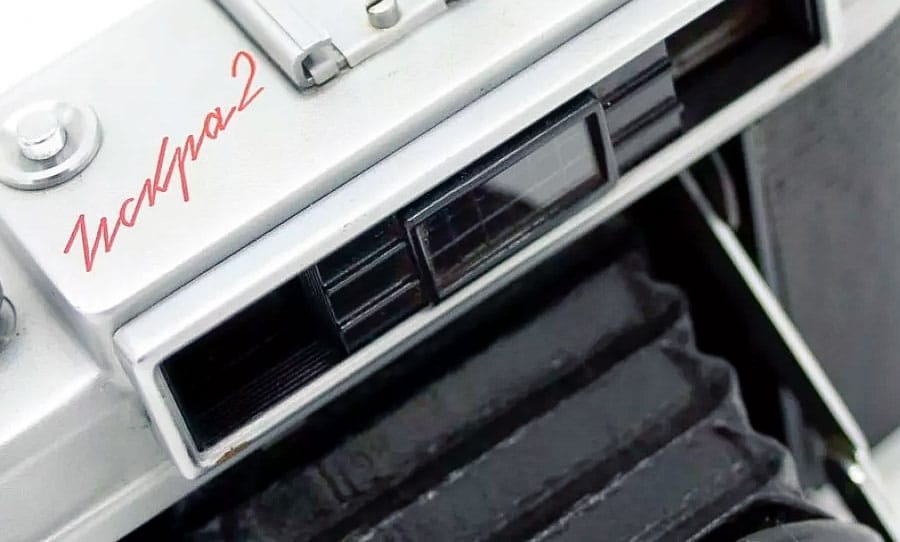
The built-in selenium light meter is the main feature that distinguishes the Iskra-2 from the original Iskra. It does not require a battery, as the selenium photocell generates the small electrical current needed to move the indicator needle.
The meter is uncoupled, meaning that it does not change the shutter speed or aperture automatically. First, set the film speed on the meter dial and point the camera toward the subject. Then rotate the calculator dial until its pointer aligns with the meter needle and read the resulting exposure value.
This EV number must then be transferred manually to the exposure-value scale on the lens. Once it is set, the linked shutter-speed and aperture rings allow the photographer to select different combinations while maintaining the same exposure.
On many surviving cameras, the selenium cell no longer provides fully accurate readings. Before relying on it, compare the indicated exposure value with a reliable handheld meter or a modern digital camera.
Iskra-2 Lens
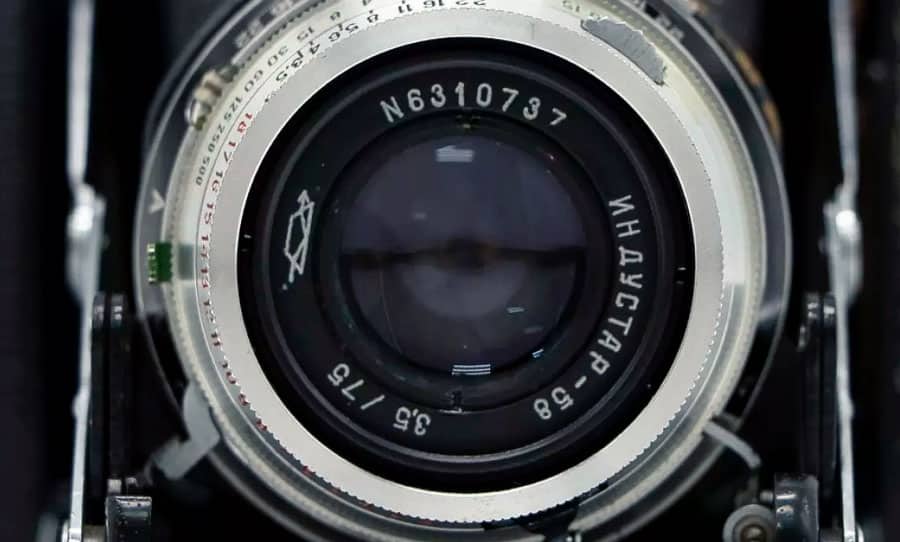
Like the original model, the Iskra-2 is equipped with a coated Industar-58 75 mm f/3.5 lens, a four-element anastigmat based on the Tessar optical formula.
The coated optics reduce internal reflections and improve contrast and color rendition, particularly when the lens is used in strong or uneven lighting.
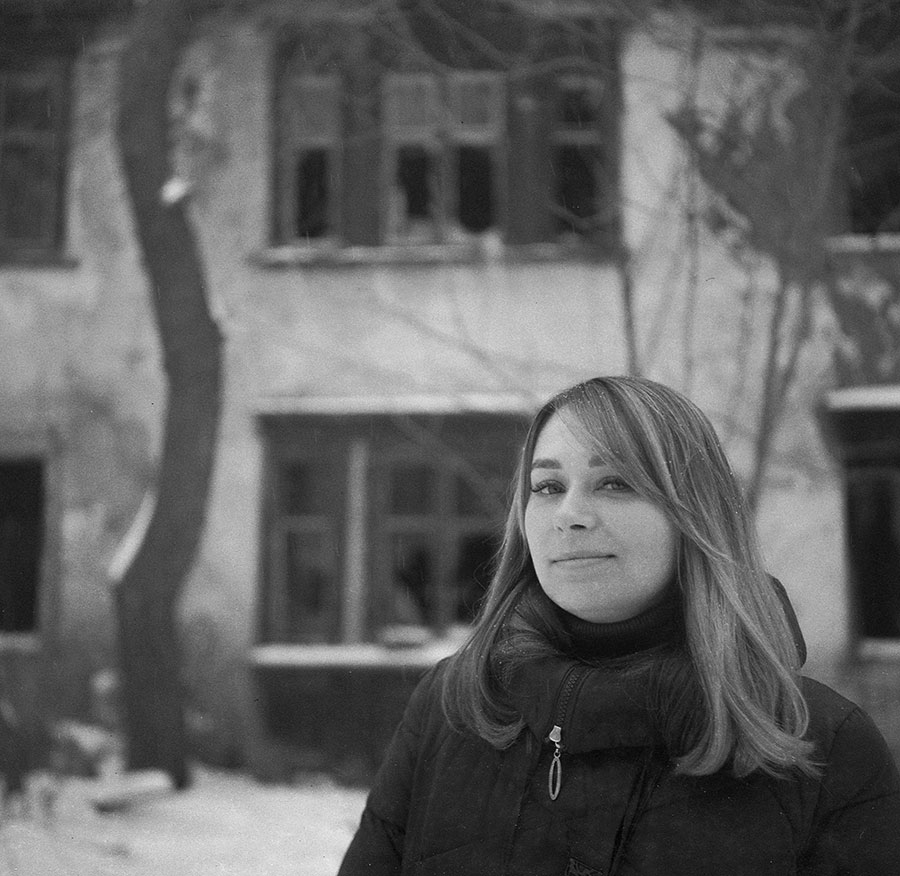
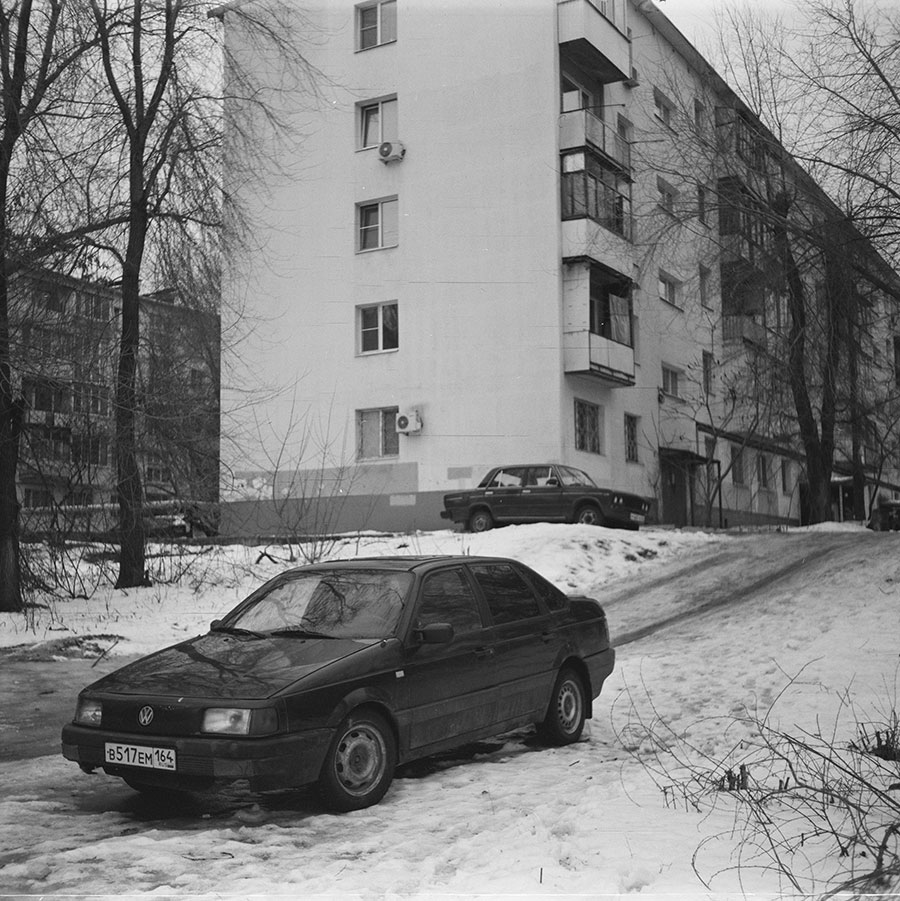
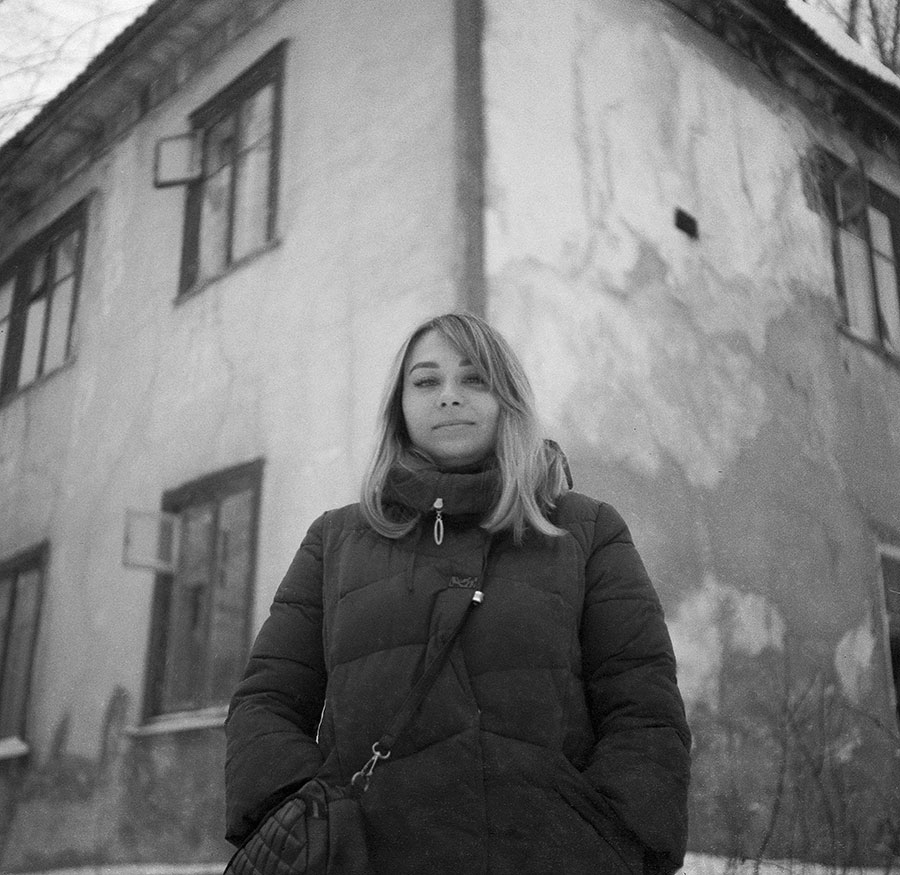
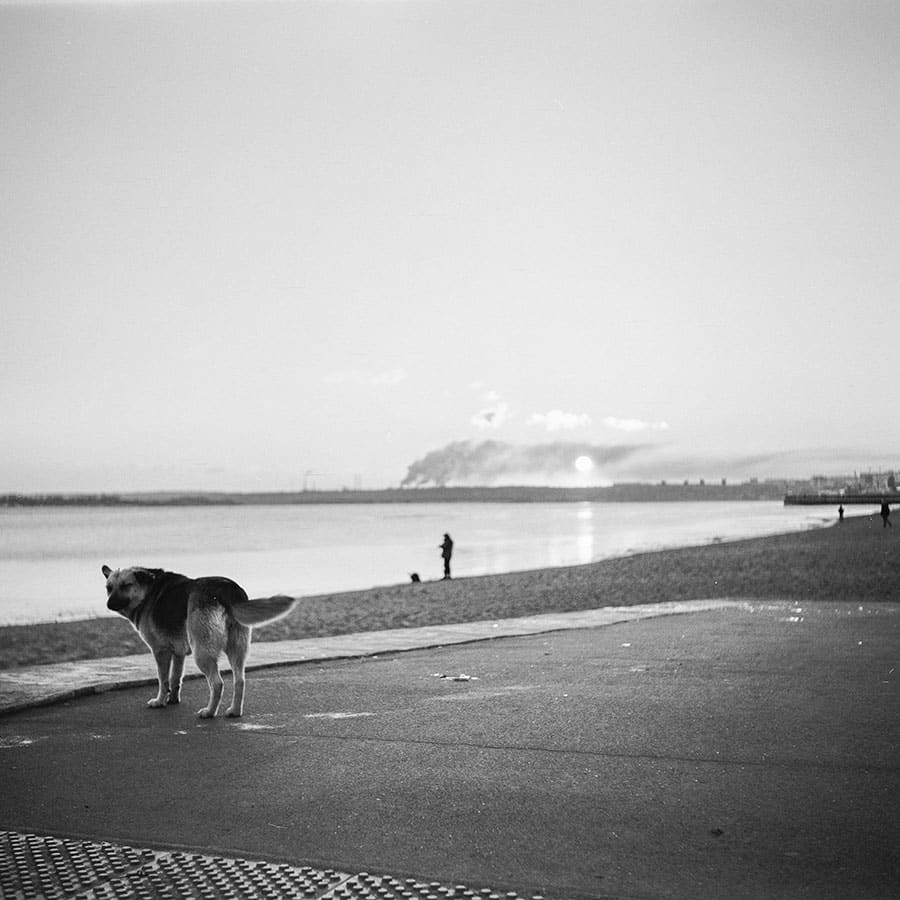
On the 6×6 format, the 75 mm focal length provides a natural, slightly wide field of view. It is well suited to landscapes, environmental and full-length portraits, street photography, and general everyday use.
In our experience, after shooting many rolls with both systems, the Industar-58 generally produces sharper and more consistent results than the lenses found on many Moskva cameras. However, the performance of any surviving example still depends heavily on its condition, lens alignment, and the accuracy of the folding mechanism.
Iskra-2 Shutter and Exposure Controls
The Iskra-2 uses a leaf shutter with speeds from 1 to 1/500 second, plus B for longer exposures. The shutter-speed and aperture rings can be coupled through the exposure-value system.
Once an EV setting has been selected, the photographer can change the shutter speed and aperture together while maintaining the same exposure. This makes it easier to choose between a faster shutter speed and a smaller aperture without recalculating the exposure.
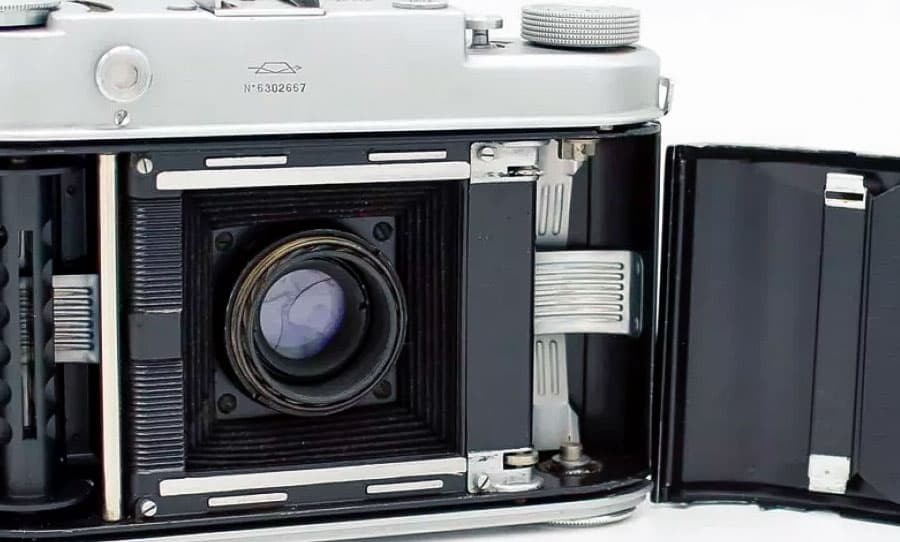
Because the leaf shutter produces very little vibration, experienced users can often obtain sharp handheld photographs at shutter speeds as slow as 1/15 second. The shutter is also very quiet, making the Iskra-2 well suited to discreet street and documentary photography.
The shutter supports X synchronization with electronic flash at all shutter speeds. M synchronization for flashbulbs can be used at 1/25 second and slower.
Film Advance and Frame Counter
Like the original Iskra, the Iskra-2 has an automatic frame counter that resets when the rear cover is opened. The mechanism is activated by the loaded film and begins counting as the backing paper is advanced to the first frame.
Film advance and shutter cocking are separate operations. To take a photograph, first advance the film, then cock the shutter using the lever on the lens barrel, and finally press the shutter release.
Although these operations are not combined, the film advance mechanism is interlocked with the shutter release to help prevent accidental double exposures and skipped frames.
Rangefinder and Focusing
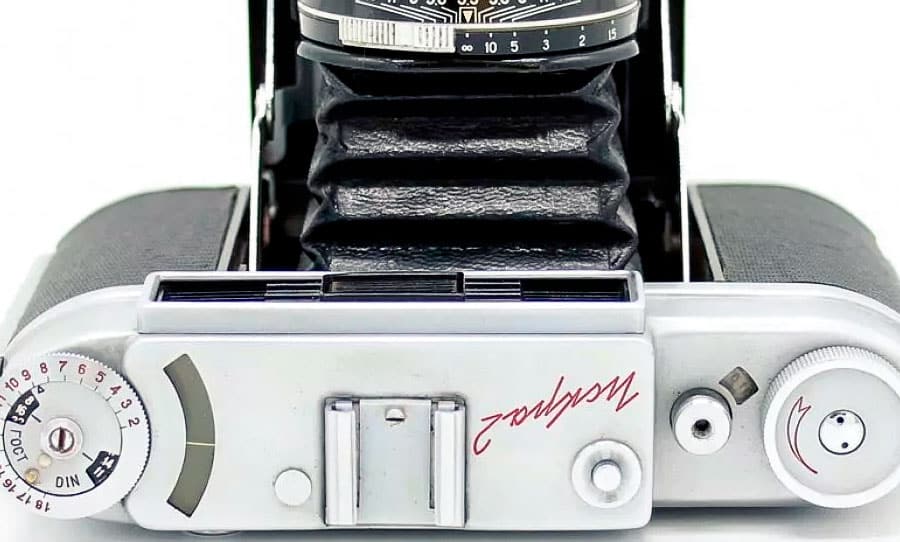
Focusing is performed by moving the entire lens-and-shutter assembly forward and backward. Because the complete optical unit moves during focusing rather than only the front element, the lens retains its optical correction across the focusing range.
Focusing is also more straightforward than on the Moskva cameras because the rangefinder and viewfinder share a single eyepiece. The 55 mm rangefinder base provides sufficient accuracy for the 75 mm f/3.5 lens.
The viewfinder is bright, and its large, high-contrast rangefinder patch makes precise focusing easier. This is particularly useful in lower light, where the focusing patches in many older folding cameras can become difficult to distinguish.
Conclusion
The Iskra-2 is a successful development of the original Iskra and retains the strongest features of the earlier camera while adding a built-in selenium light meter.
It combines a sharp Industar-58 lens, convenient exposure controls, a bright combined viewfinder and rangefinder, an automatic frame counter, and a broad range of shutter speeds in a compact folding body.
The uncoupled selenium meter adds a useful exposure aid without requiring batteries, although the meter in any surviving example should be checked against a reliable external meter before use.
When properly serviced and aligned, the Iskra-2 remains a capable medium-format rangefinder that can produce detailed 6×6 negatives while remaining compact enough to carry more easily than many rigid-body medium-format cameras.
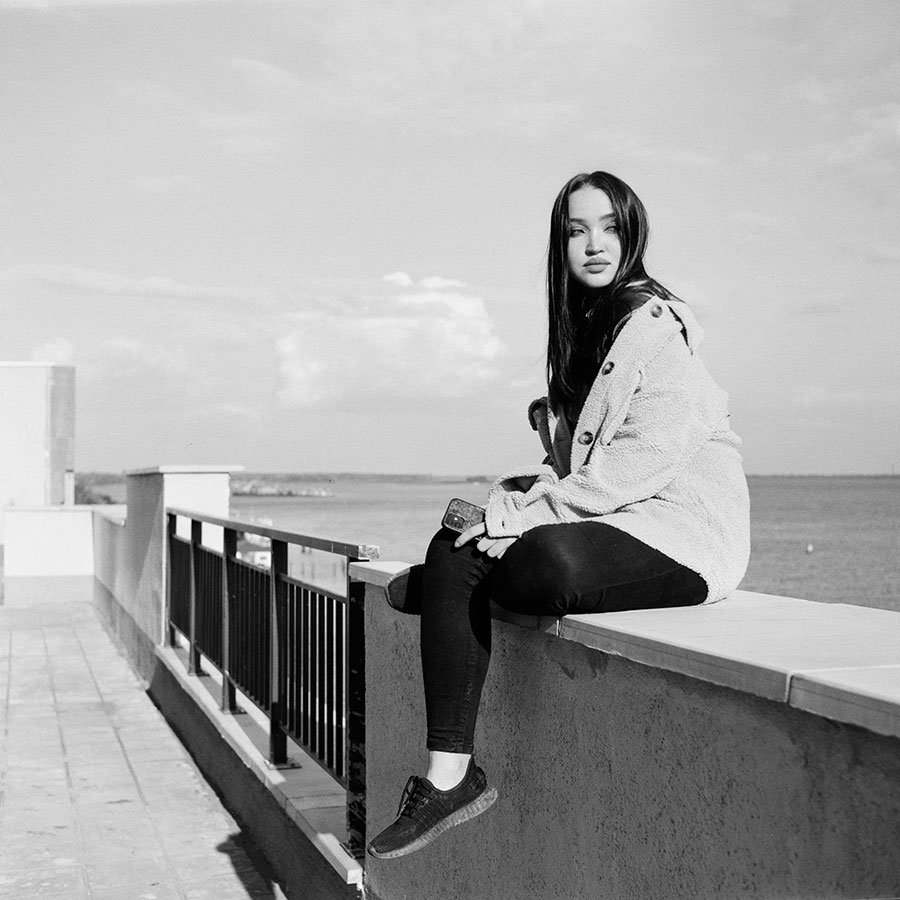
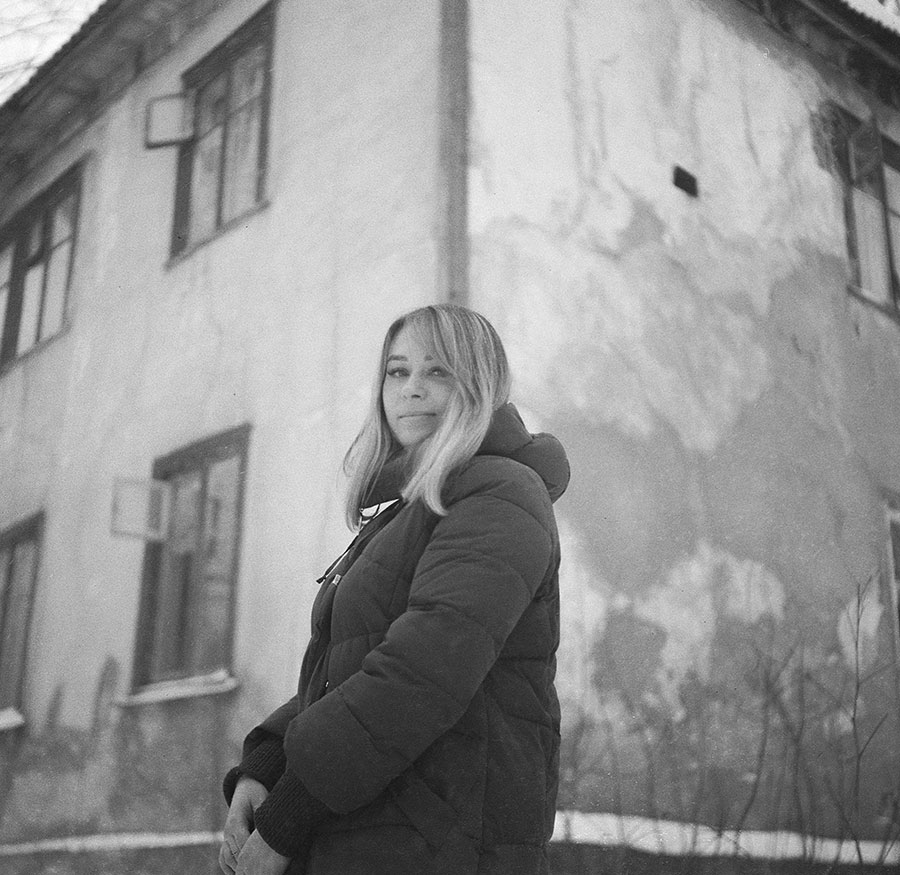
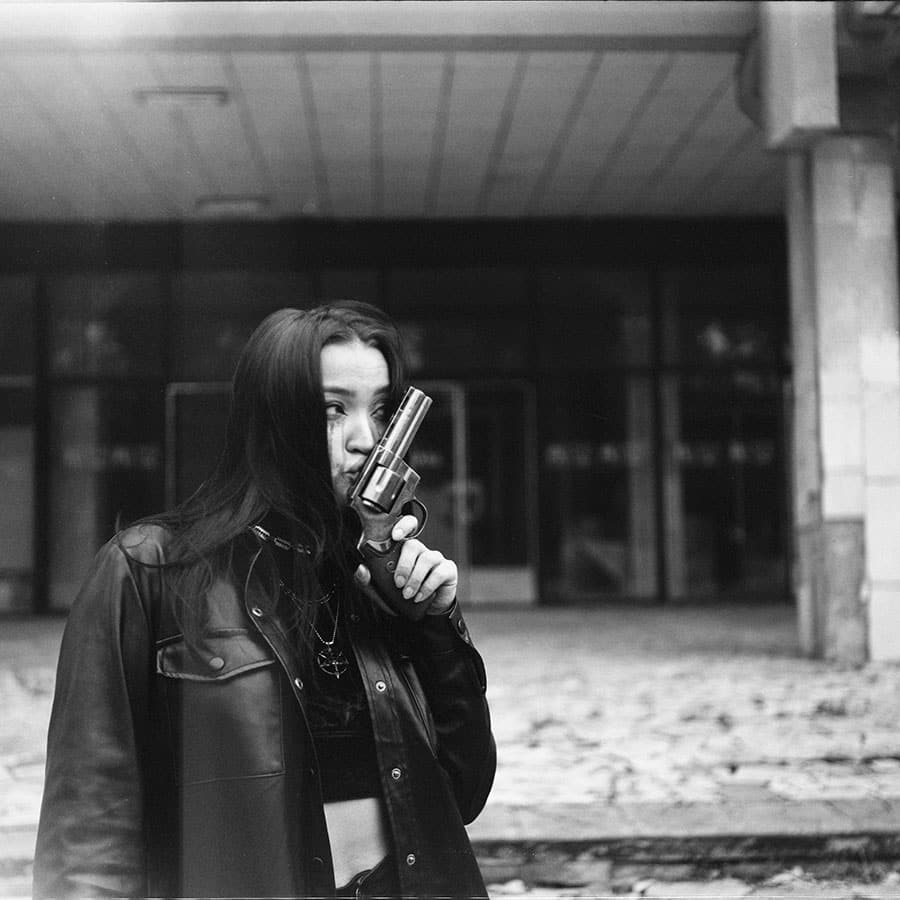
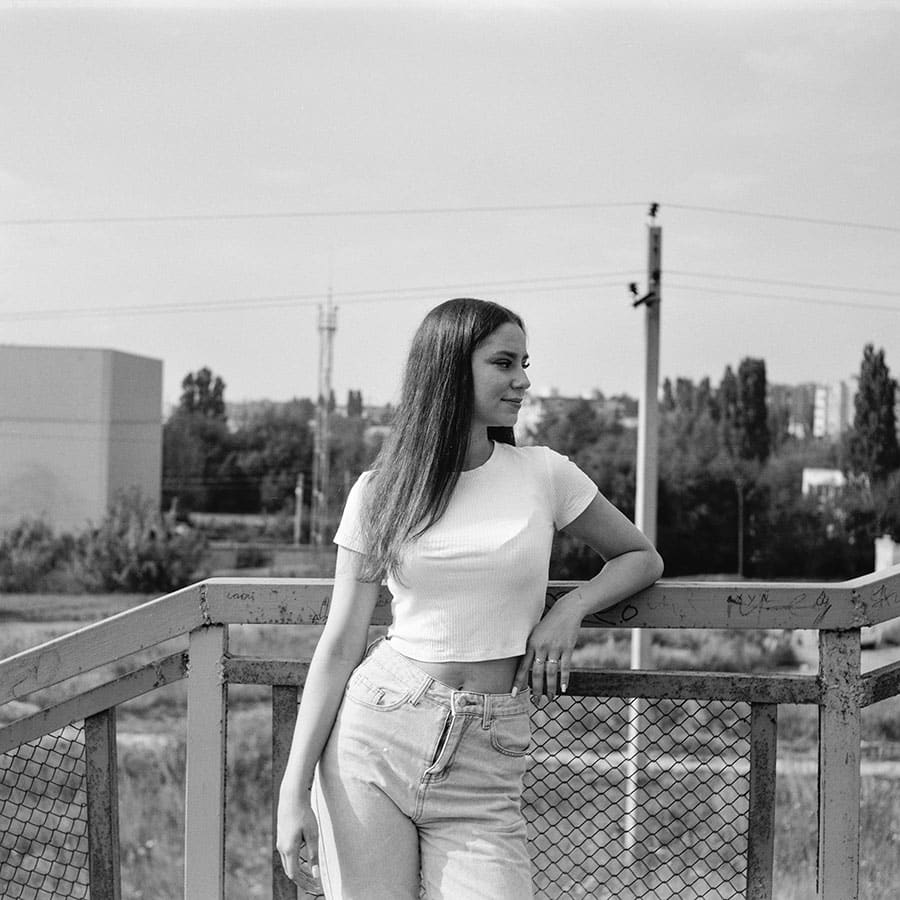
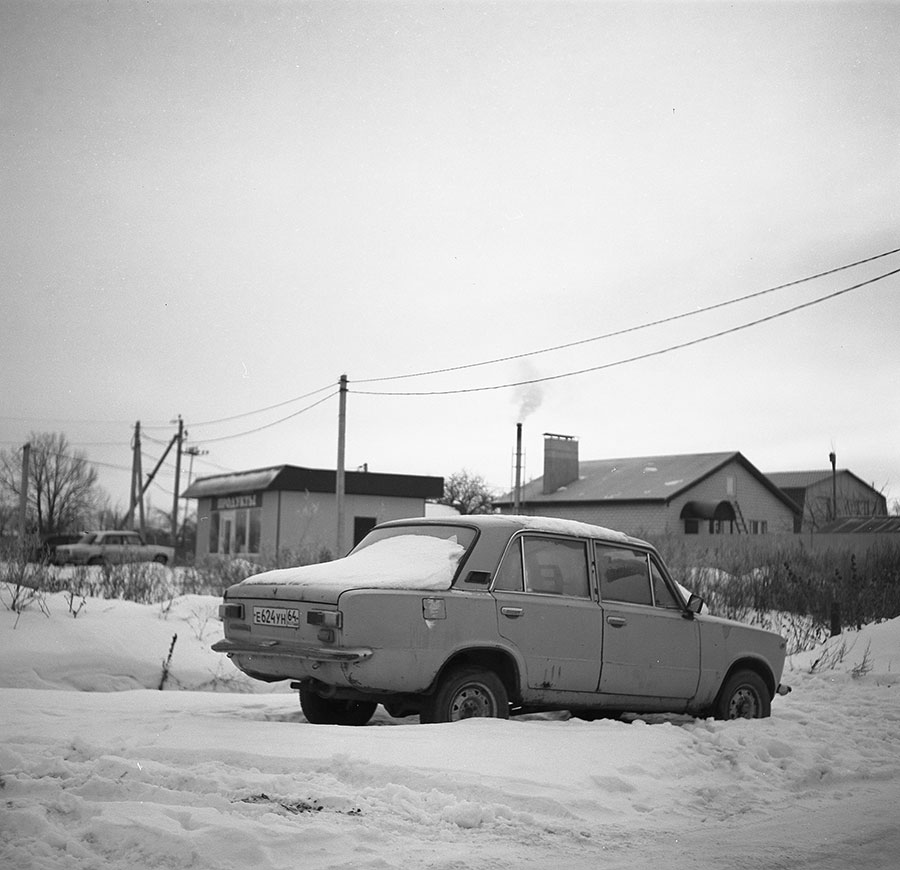
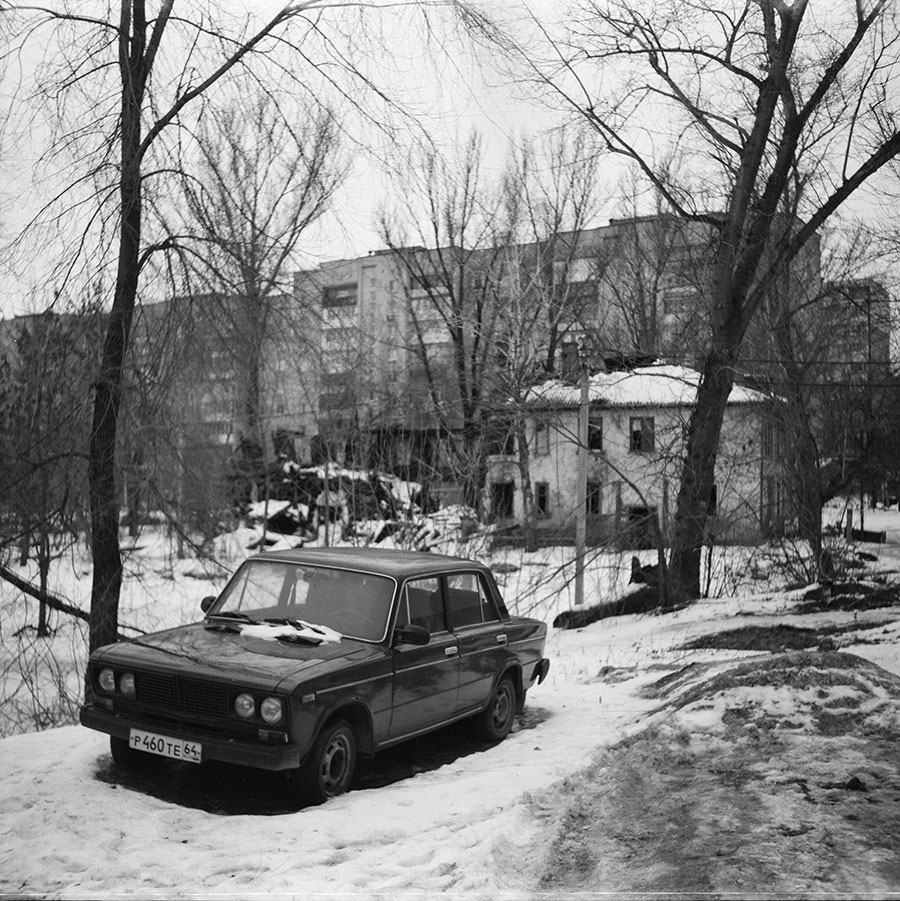
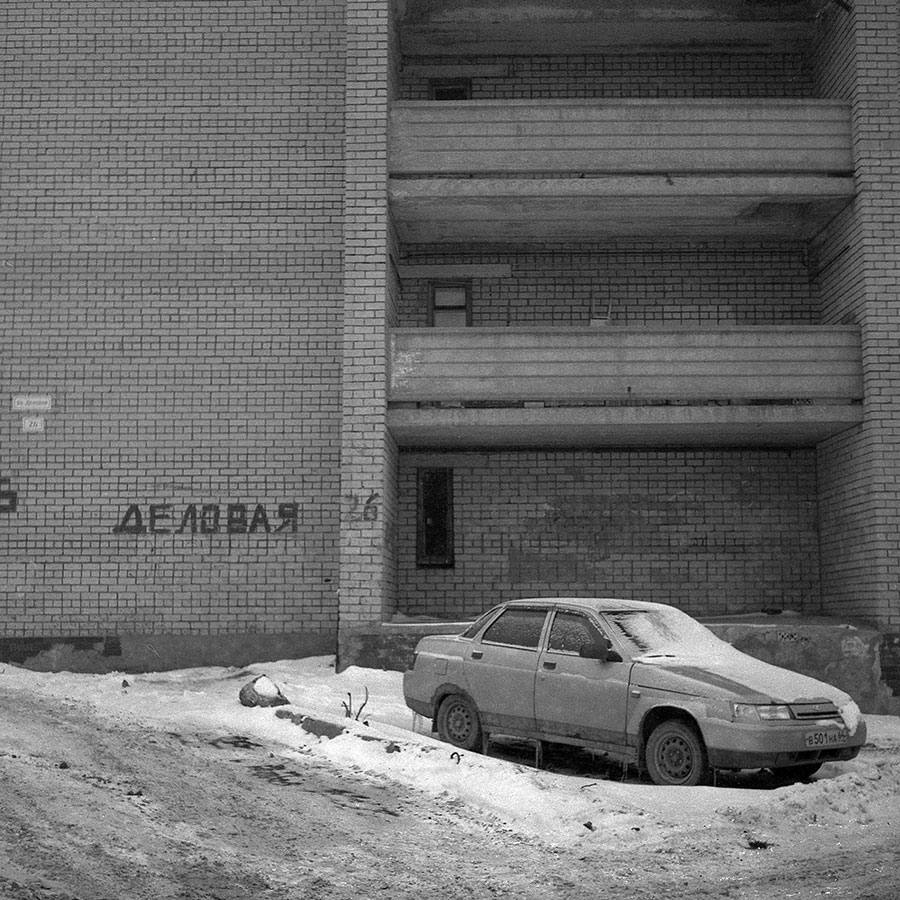
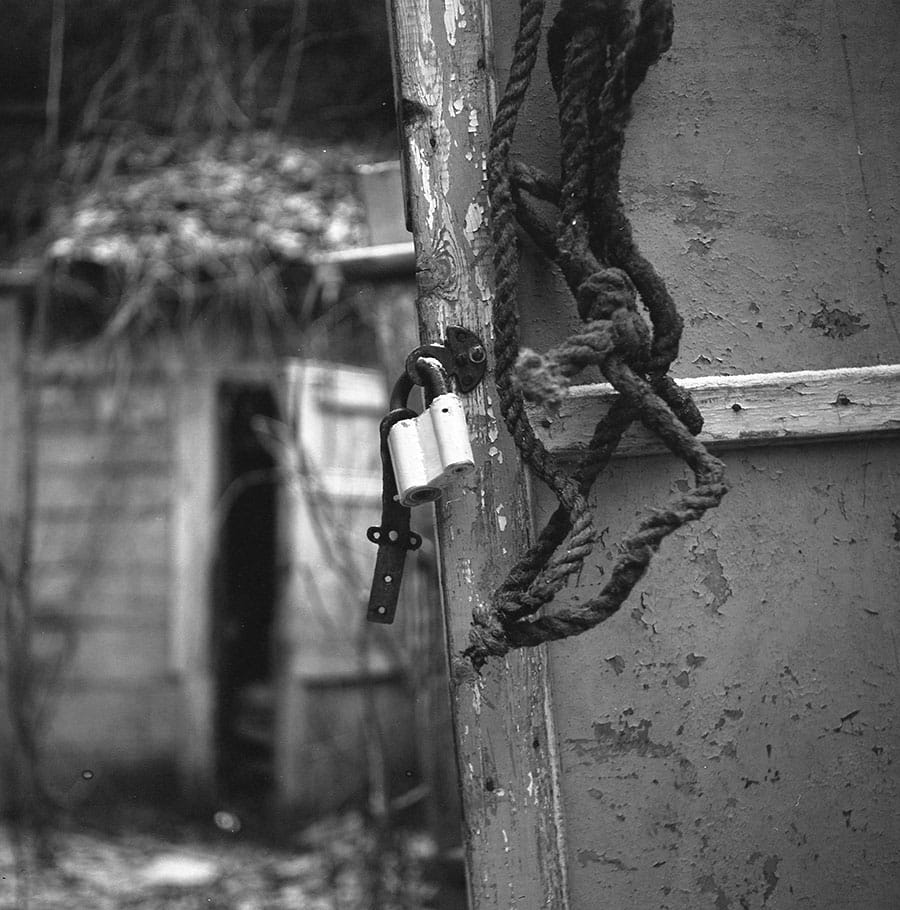
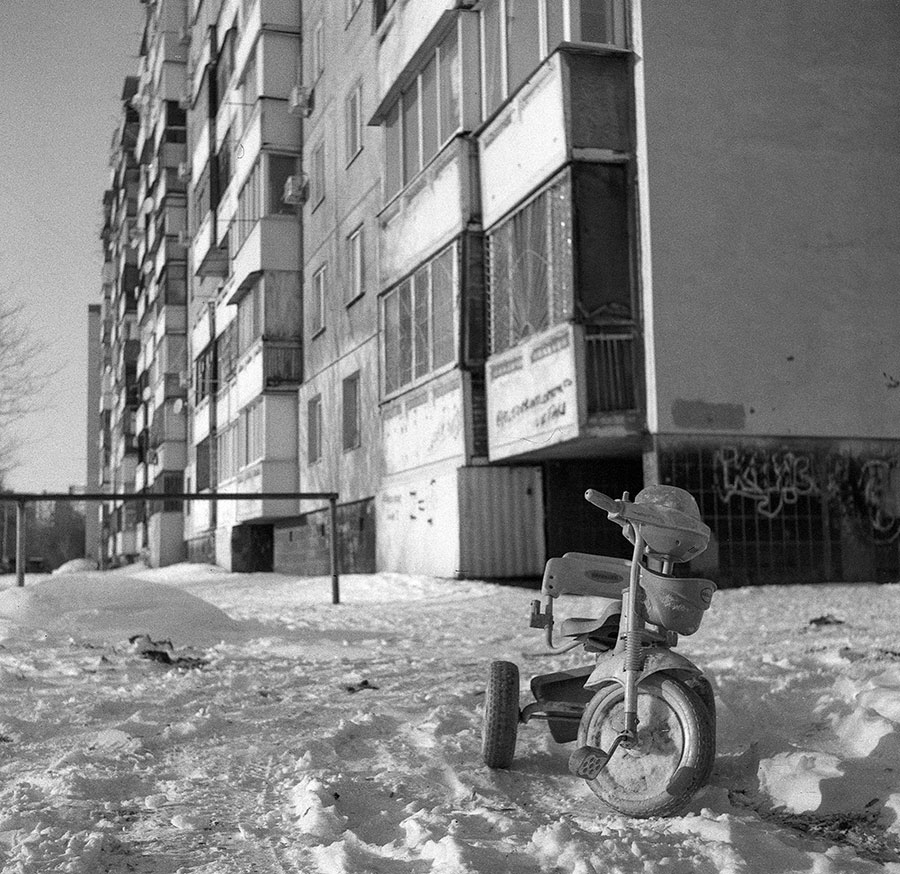
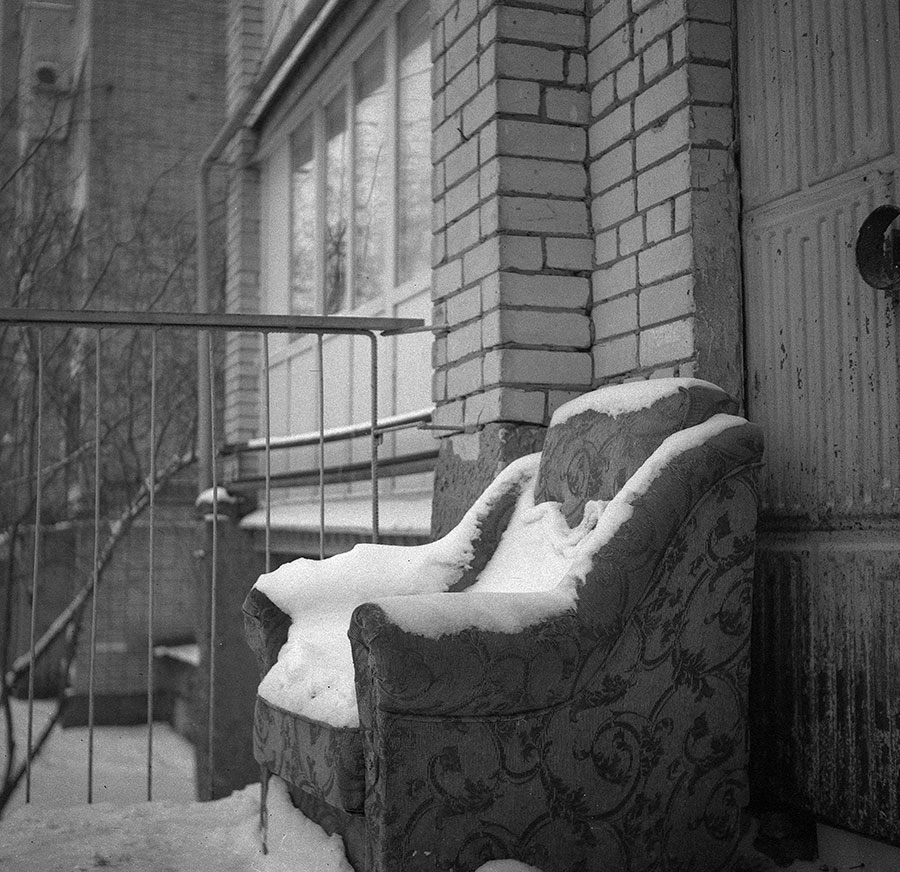
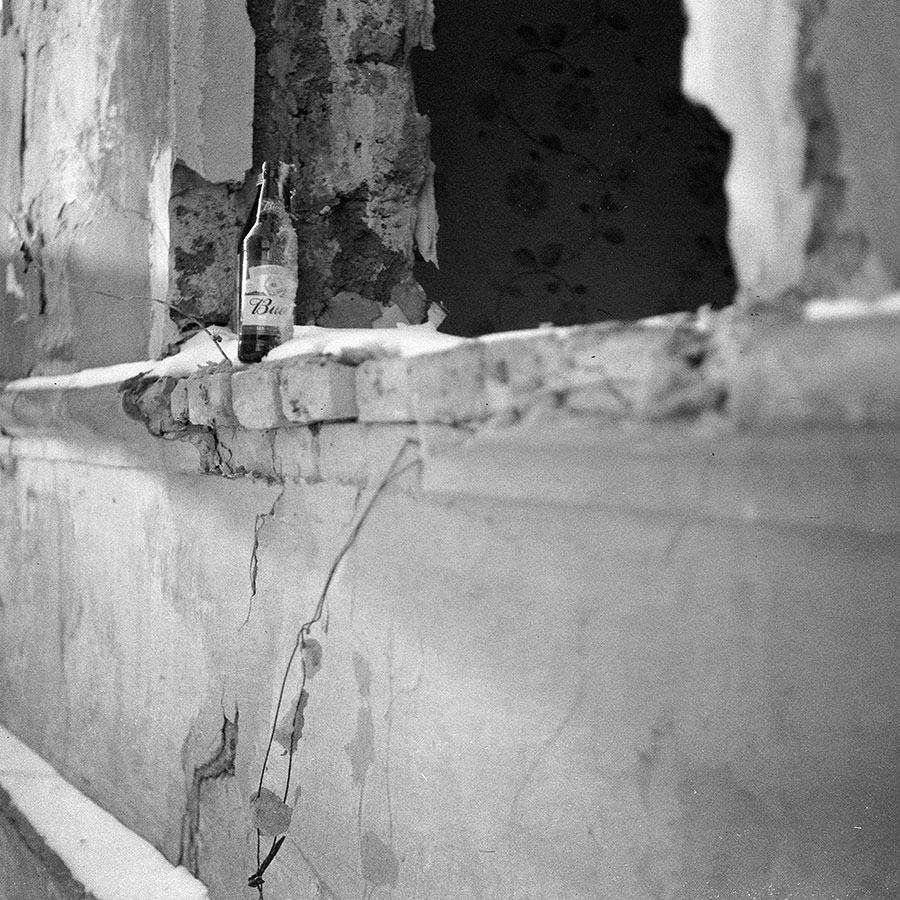
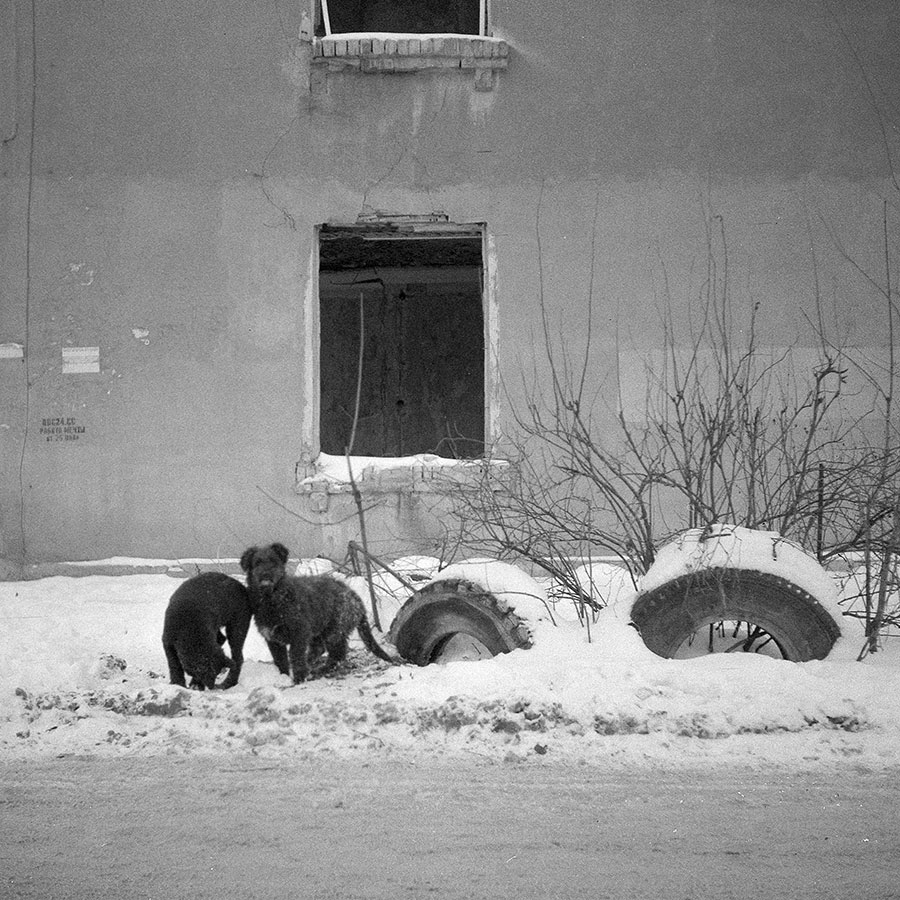
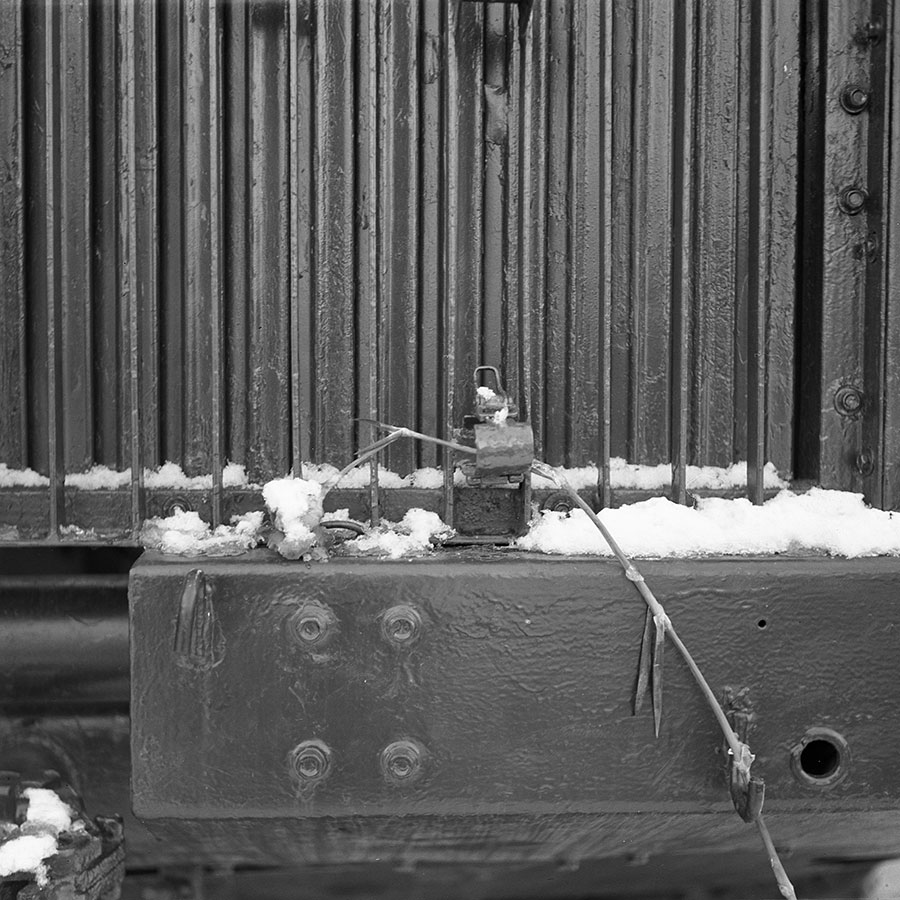
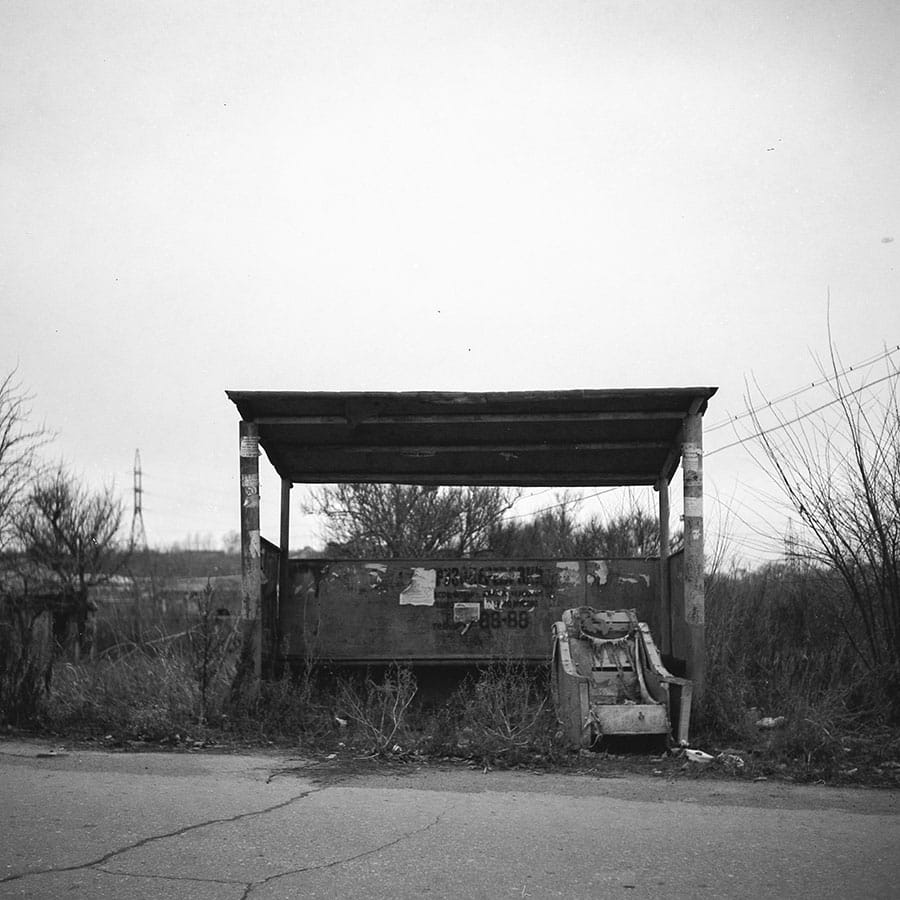
Iskra-2 Sample Photos