FED-4
FED-4 is a Soviet 35mm rangefinder camera that was produced by the FED Kharkov Industrial Engineering Association from 1964 to 1980.
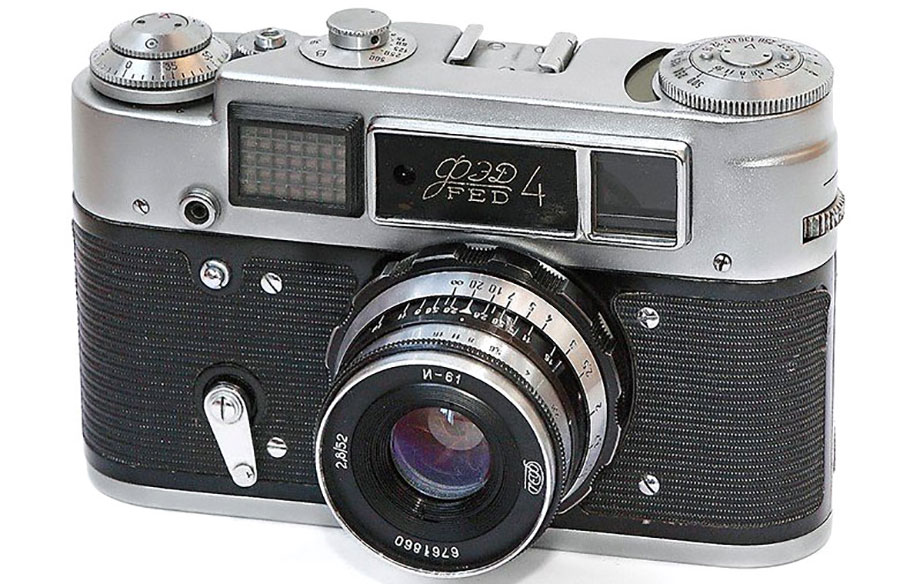
Fed-4 Specifications
- Type: 35mm rangefinder camera
- Manufacturer: FED plant
- Production period: from 1964 to 1990
- Format: 24x36cm on 135 film
- Lens mount: m39 thread mount
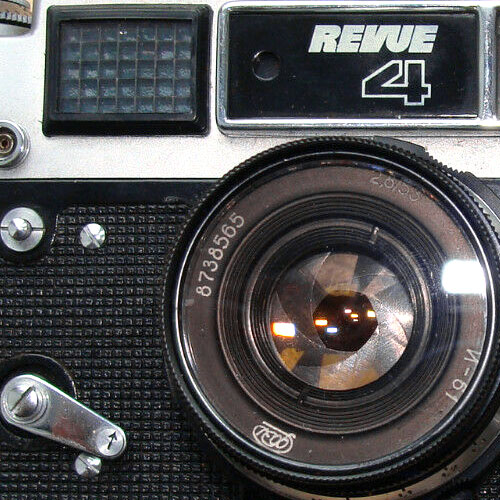
- Lens: Industar-61 L/D 2.8/55
- Rangefinder base: 43mm
- Shutter: focal-plane shutter with speeds from 1 to 1/500 sec.
- Viewfinder: optical parallax viewfinder combined with a rangefinder
- Light meter: built-in selenium light meter
- Flash synchronization: X sync
- Self-timer: mechanical
- Weight: 960 grams
FED-4 Overview
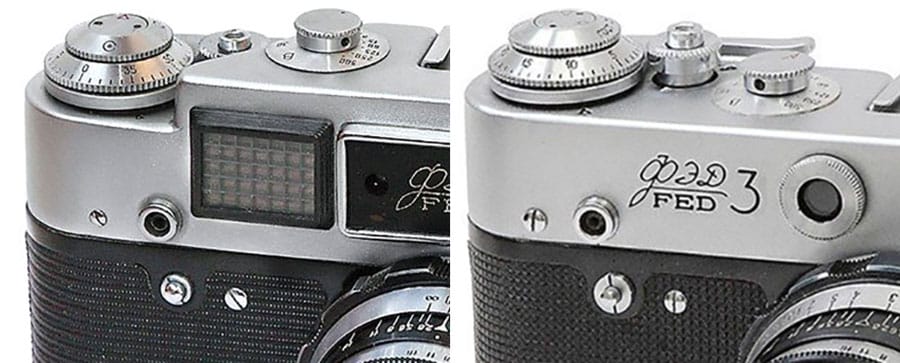
The FED-4 camera is a further development of the very successful FED-3. As with many Soviet designs, however, the fourth model introduced only limited improvements over its predecessor.
In essence, the FED-4 is a FED-3 with a built-in exposure meter. The addition of the light meter made the camera larger and heavier.
In the early years, the FED 4 was produced with a knob for film advance, and in 1966 the camera received a film advance lever.
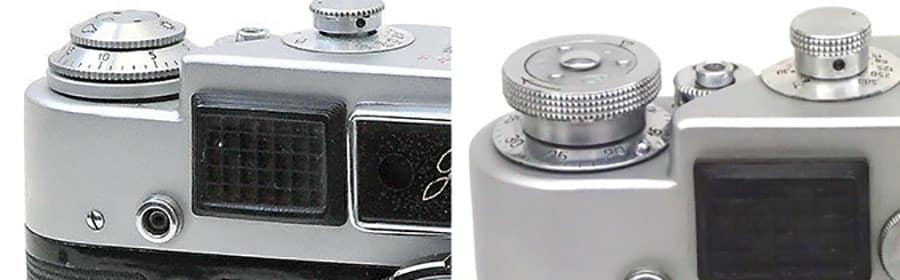
Unlike the earlier FED models, the fourth version – like the FED-3 – features a very solid range of shutter speeds, which later became one of the defining characteristics of this camera series.
The set of features offered by this Soviet rangefinder camera made it both affordable and sufficiently functional for a wide range of amateur photographers.
Interestingly, the FED-2, FED-3, and FED-4 cameras were produced in parallel for a long time, allowing them to address different needs among photographers, even though there were no truly fundamental differences between these models.
FED-4 Mount and LENSes
The FED-4 camera, like almost all representatives of the main line of this family, was equipped with the M39 threaded mount inherited from Leica cameras.
The same mount was used on Zorki cameras, and once the flange focal distance was standardized at 28.8 mm, it became possible to interchange lenses between these systems.
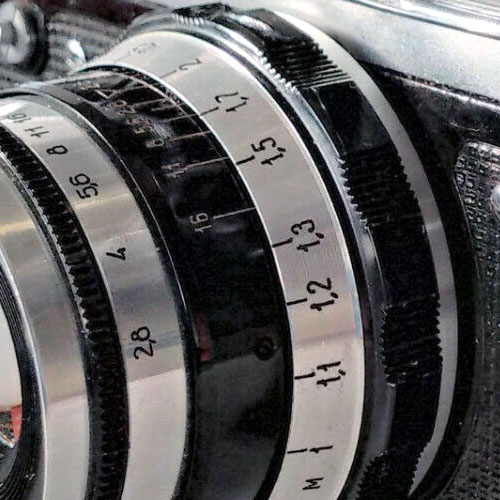
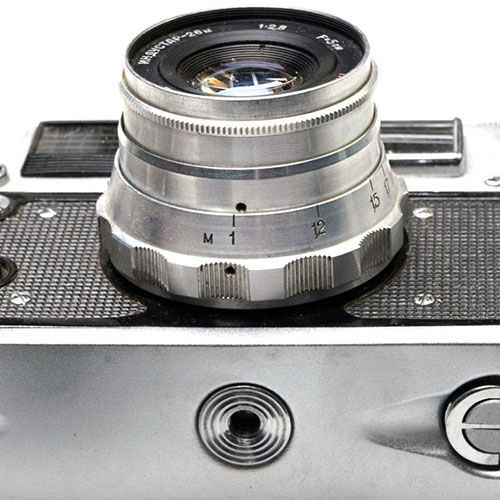
In the early years, the standard lens for this rangefinder camera was the Industar-26M 50mm f/2.8. This was a further development of the Industar-22, with the same focal length but a faster maximum aperture compared to the earlier f/3.5 version.
The increase in maximum aperture allowed the camera, especially when combined with its long shutter speeds, to be far more useful in difficult lighting conditions.
This lens delivers a very respectable image, with good sharpness, soft yet pleasing contrast, and fairly even bokeh rendering.
Later, the Industar-26M was replaced by the Industar-61 50mm f/2.8, which used lanthanum glass. Combined with a slightly refined optical formula, this resulted in a significant step forward in image quality.
Industar-61 lenses are considered among the sharpest produced in the Soviet photographic industry.
Even wide open at f/2.8, they produce a very sharp image across almost the entire frame, with only slight softness and barely noticeable vignetting in the corners.
Contrast is very high, as is color accuracy. Stopping the lens down to mid-range apertures makes it extremely sharp – sometimes even excessively so for certain situations.
Since the camera uses the very popular M39 mount, it can also be fitted with many other lenses, such as wide-angle Mir lenses or the longer Jupiter-11 telephoto.
In doing so, interchangeable viewfinders can be used, as the camera does not have built-in framelines in the viewfinder.
FED-4 Shutter
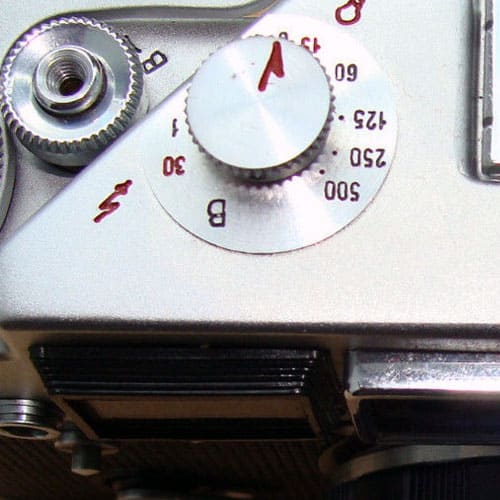
The FED-4 was equipped with a shutter traditional for this camera line, offering shutter speeds of 1, 1/2, 1/4, 1/8, 1/15, 1/30, 1/60, 1/125, 1/250, 1/500, and B.
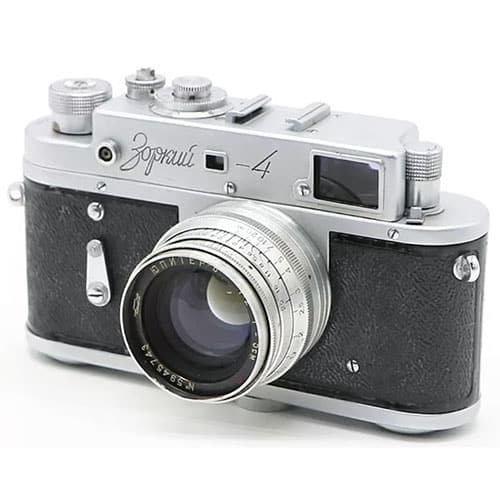
This is a fairly comprehensive and practical range of shutter speeds. At the same time, the camera lacks a 1/1000 second setting, even though such a speed was present on the Zorki-4 and Kiev rangefinder cameras.
speed mechanism inside the camera. Given that high-ISO film was rare at the time, longer shutter speeds were far more useful for photographers of that era than having a 1/1000 second setting or faster speeds.
On this camera, as on most FED rangefinders, shutter speeds could be changed only after cocking the shutter in order to avoid damaging the mechanism.
The transition from a knob wind to a lever-type shutter cocking mechanism made the camera noticeably more convenient and faster to operate.
Build, Controls, and Usability
Like previous models, the FED-4 is made entirely of metal. Build quality is solid, and even today it is possible to find many well-preserved examples.
The camera features diopter adjustment, which is very useful for many users. Film loading is done by removing the back cover, as on the FED-2. This method is somewhat more convenient than the bottom-loading system used on the very first FED cameras.
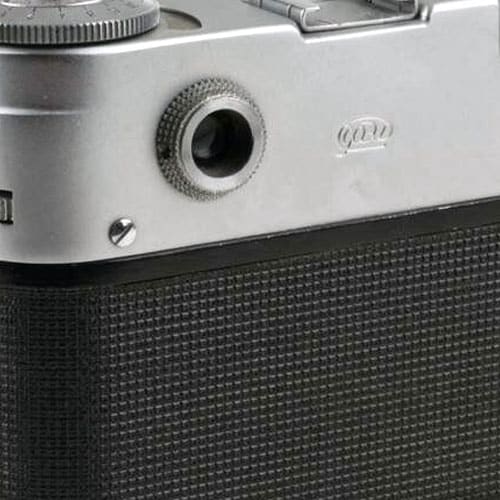
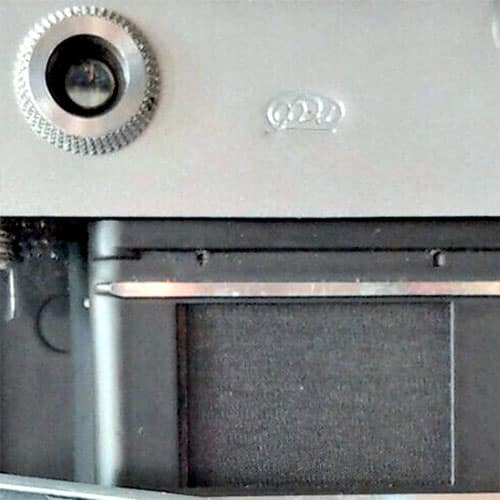
On the top plate, as expected, there is a cold shoe, which is very useful for mounting auxiliary viewfinders. In addition, on the left side of the top plate there is an exposure calculator coupled with the selenium light meter.
Like most cameras of that era, this rangefinder is equipped with a mechanical frame counter that must be manually reset to zero.
This component is arguably one of the few visually pleasing elements of the camera, as many of the other design choices are rather debatable.
For example, the selenium exposure meter appears almost awkwardly attached to the body, and the overall proportions feel closer to a square than to the more balanced, elongated rectangle seen on earlier versions.
At sovietcameras.org, we consider the external design of a film camera to be important, since it is something you hold throughout the entire shooting process and something that inevitably has an aesthetic impact.
While we find the appearance of the later FED cameras somewhat awkward, their reliable and undemanding operation can largely compensate for this drawback.
Conclusion
The FED-4 camera is not something particularly exceptional, either in terms of design or user characteristics.
For example, the Zorki-4K, which was produced around the same period, offered more advanced features, even though it did not have a built-in exposure meter.
From a design perspective, the FED-2 or the Zorki-3M can be considered more visually appealing. The rangefinder Kiev-2, in turn, combined many of these advantages at once and today often sells for roughly the same price as the FED-4.
At the same time, despite lacking any truly outstanding strengths, this camera also has no significant weaknesses.
Nearly all the features needed by a beginner – and not only a beginner – photographer are present. It offers a solid range of shutter speeds, fairly comfortable ergonomics, straightforward operation, and, of course, access to a large selection of interchangeable lenses.
All of this makes the this Soviet rangefinder, in our view, not a top-priority camera to buy, but still a very decent choice for a beginner and potentially even for a more experienced photographer.
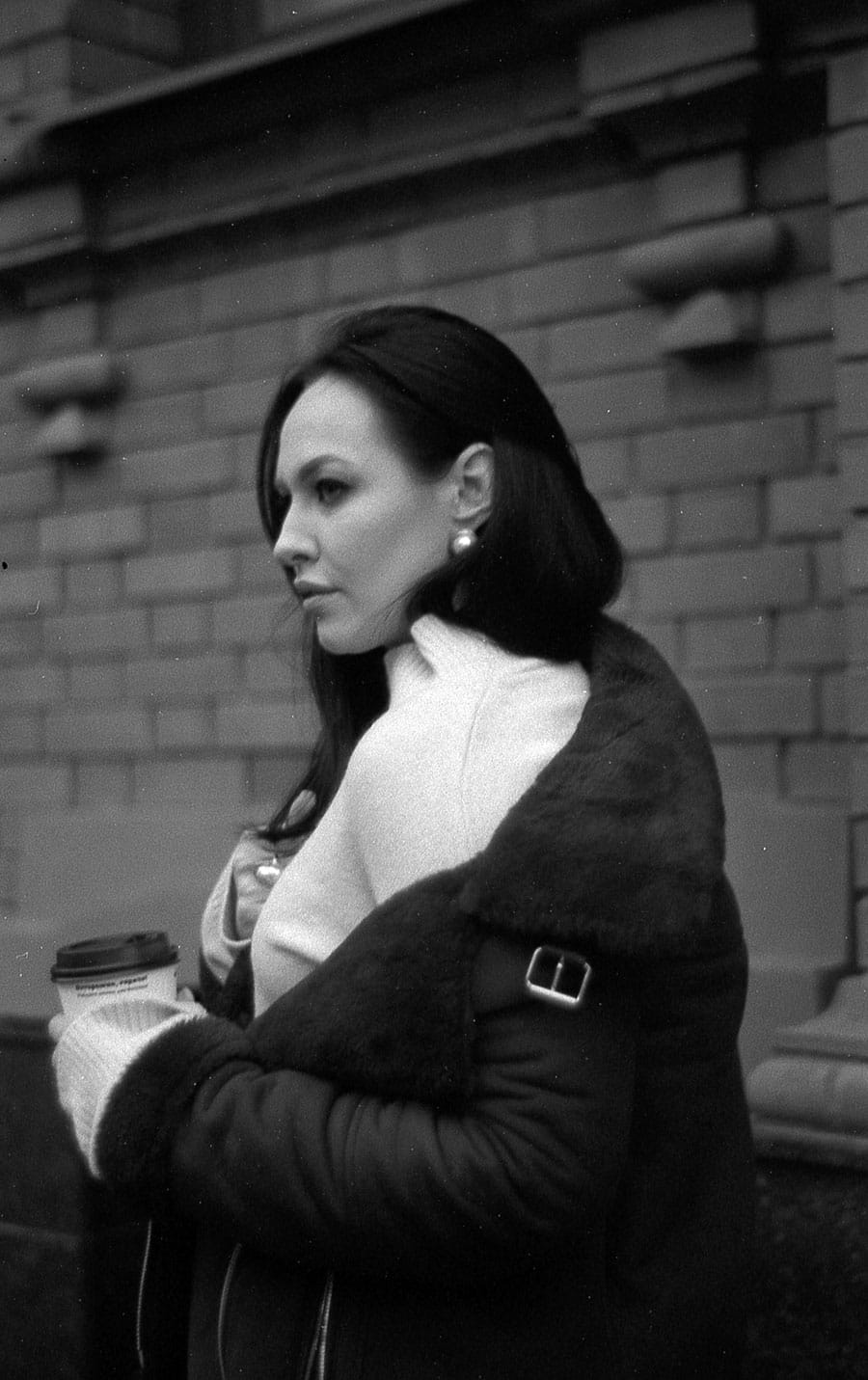
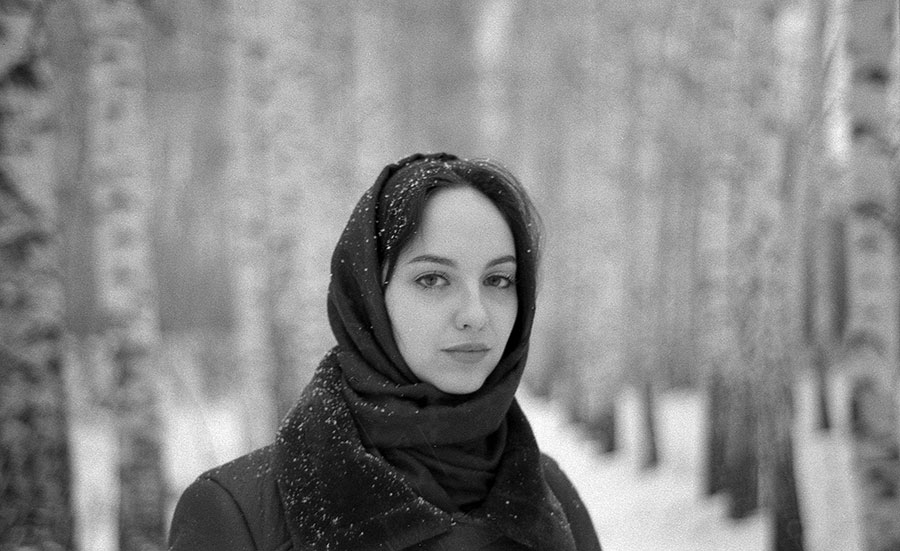
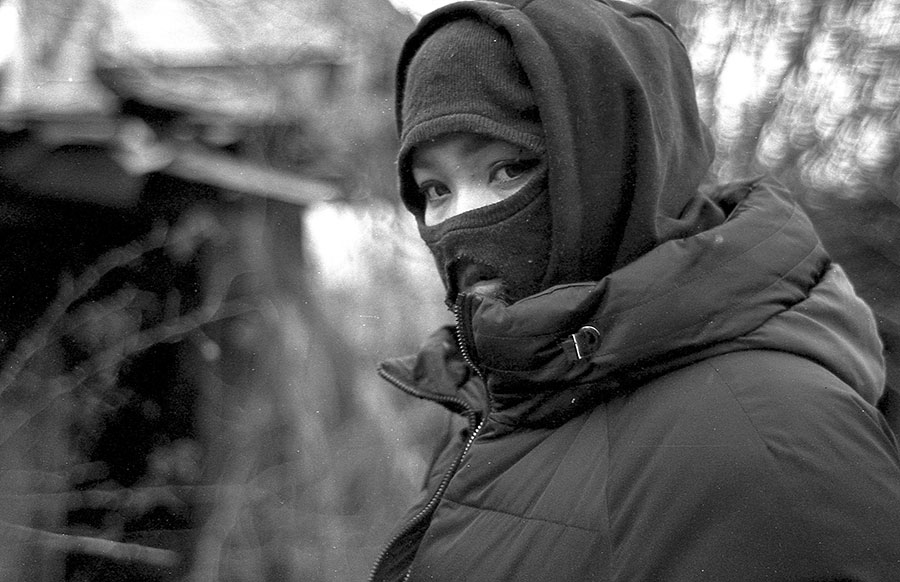
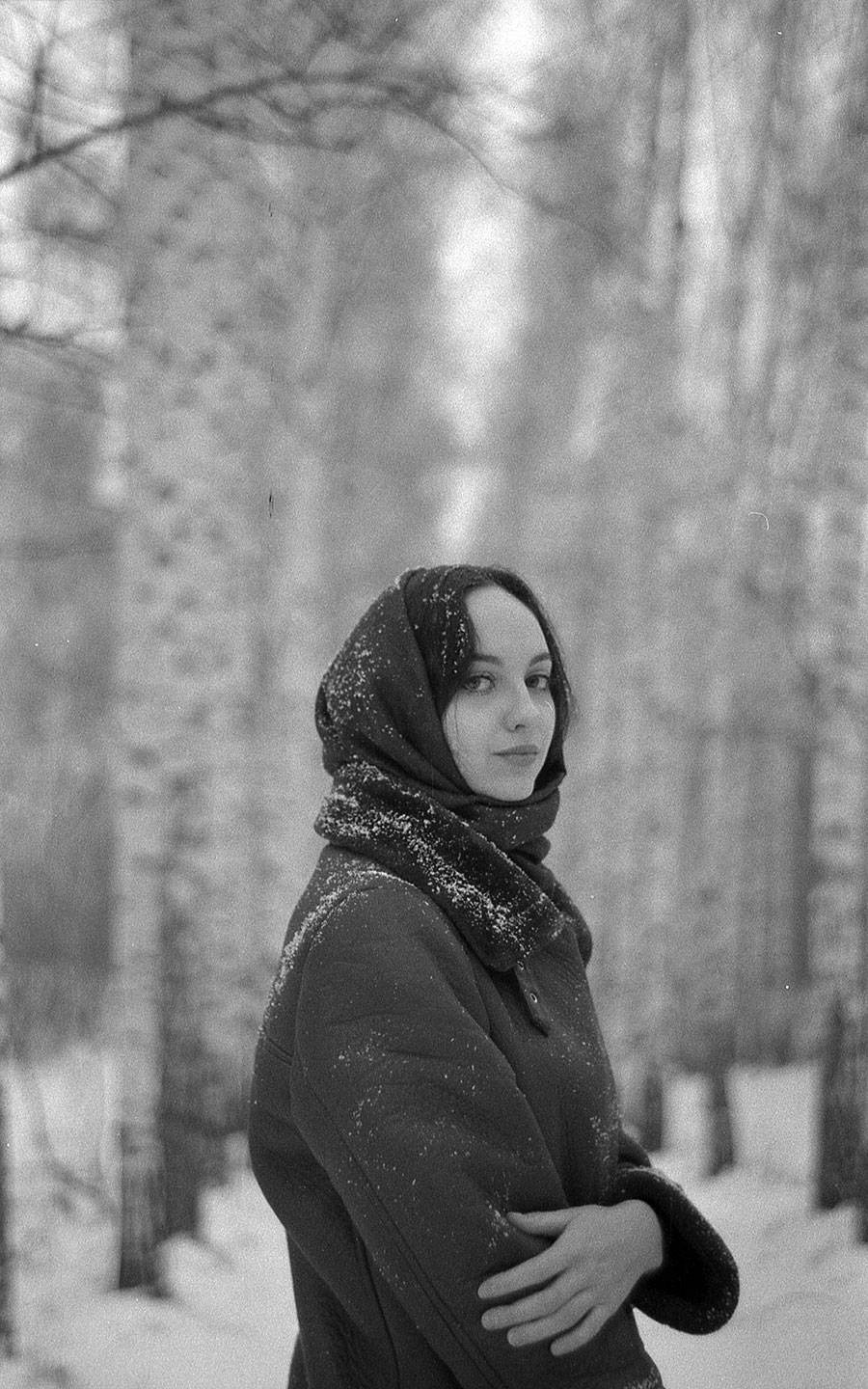
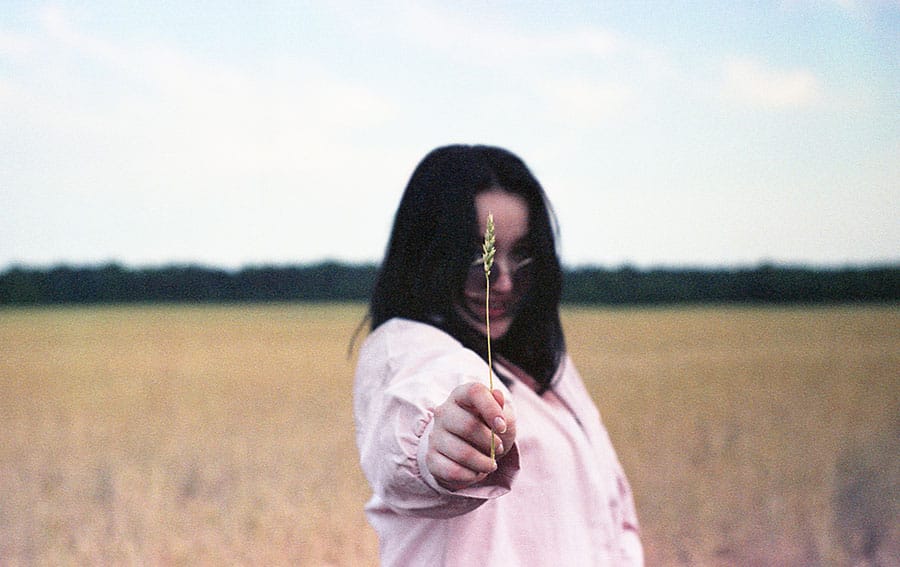
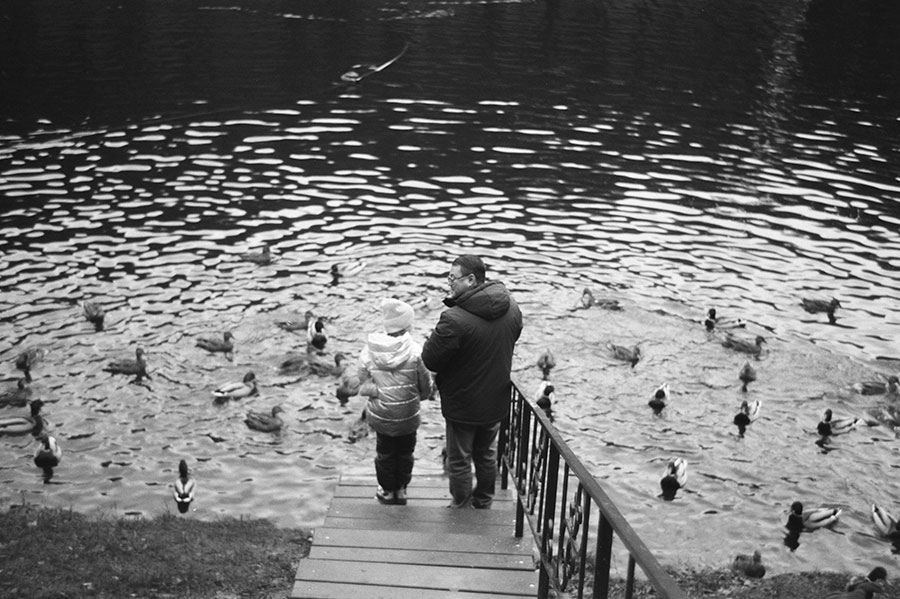
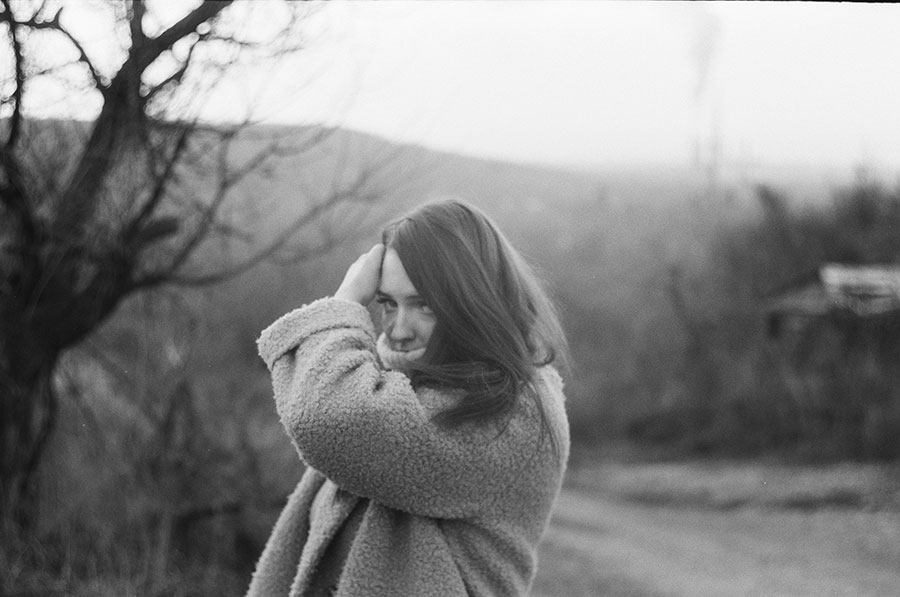
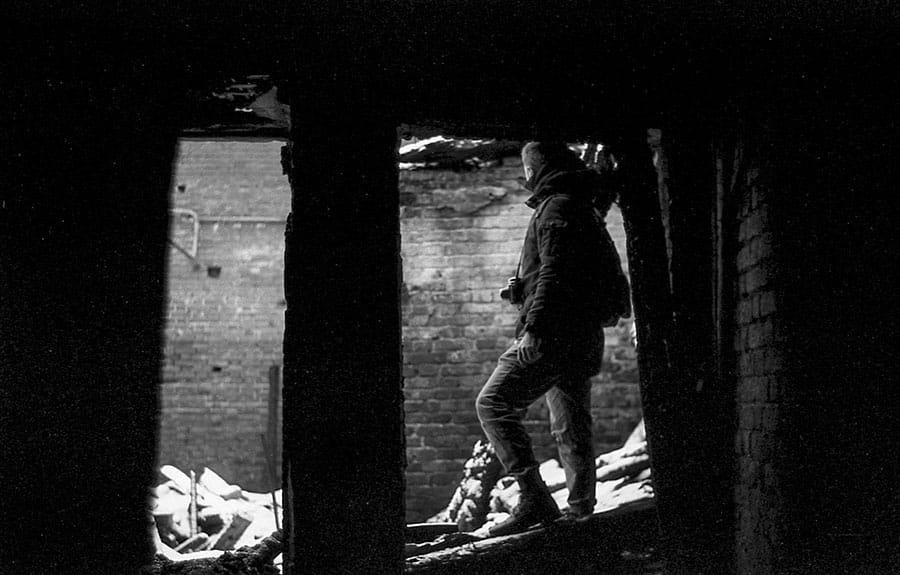
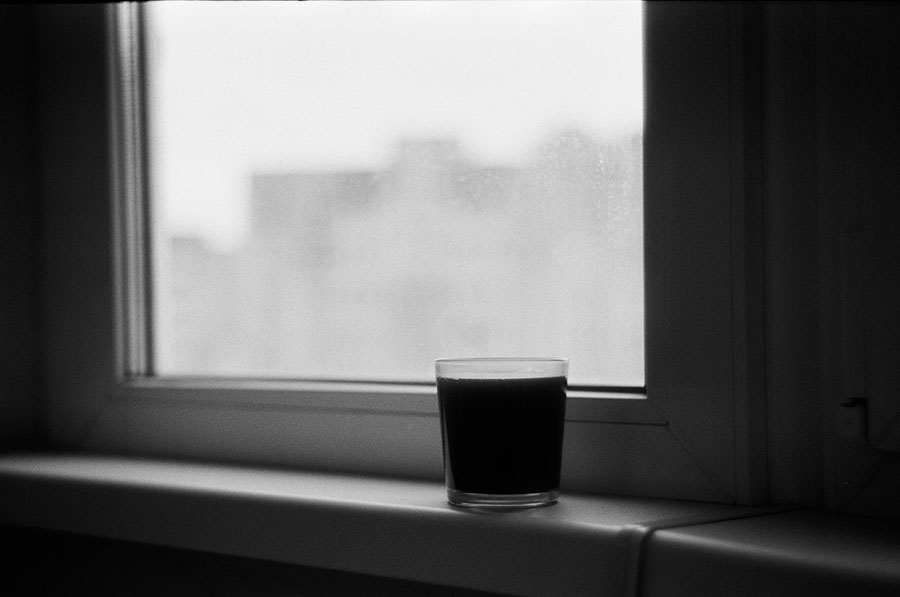
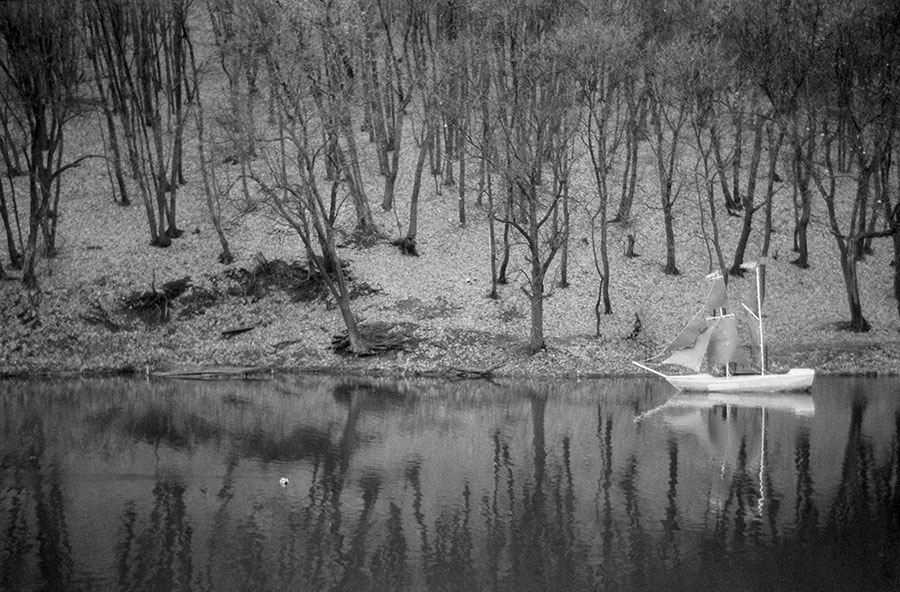
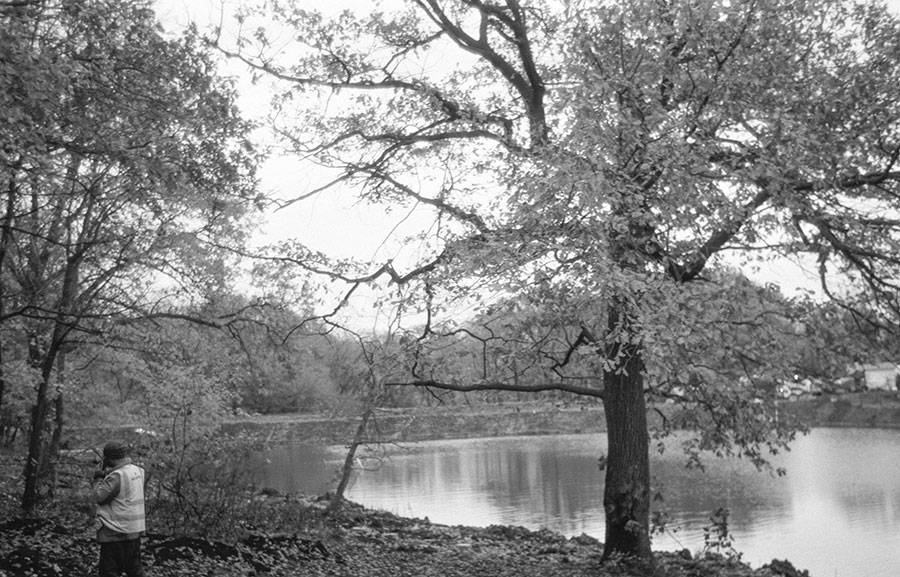
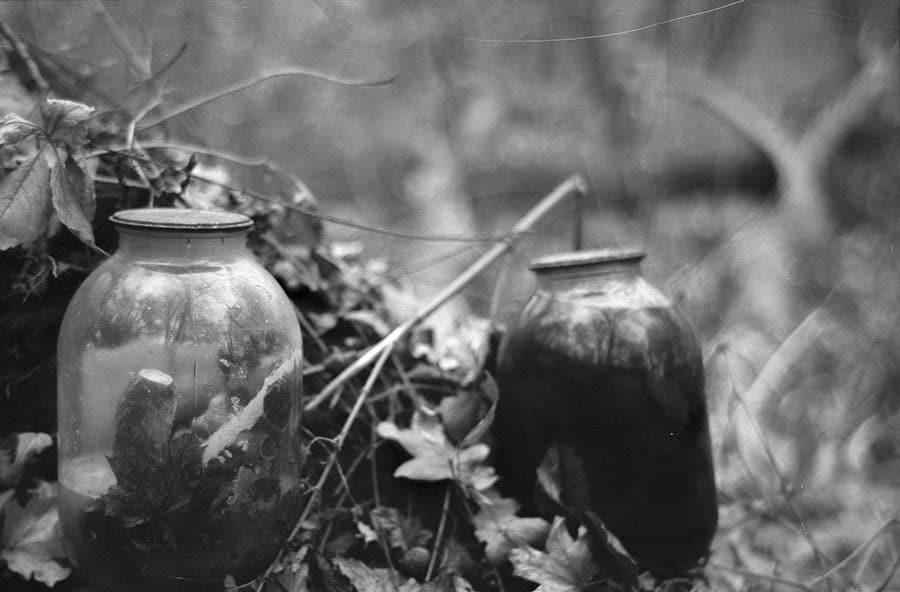
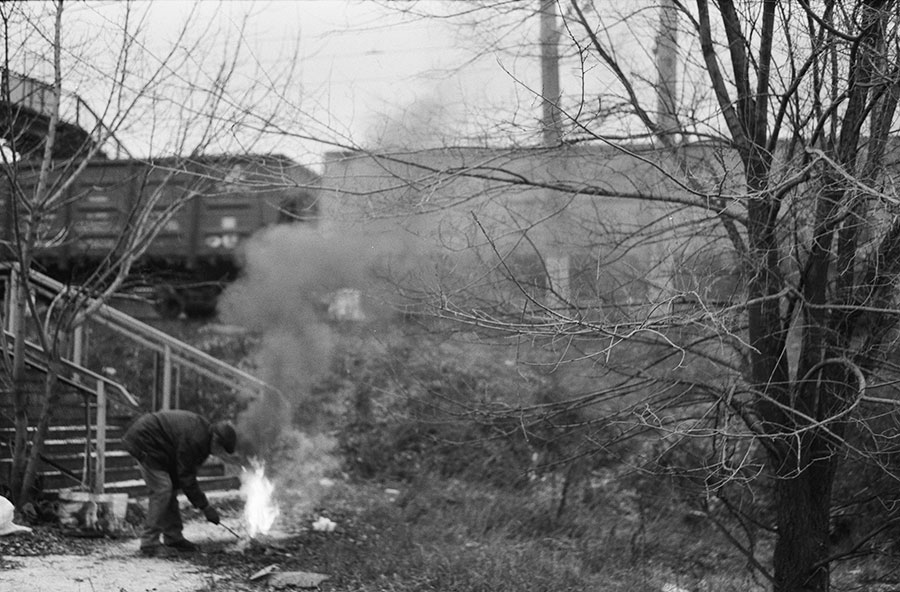
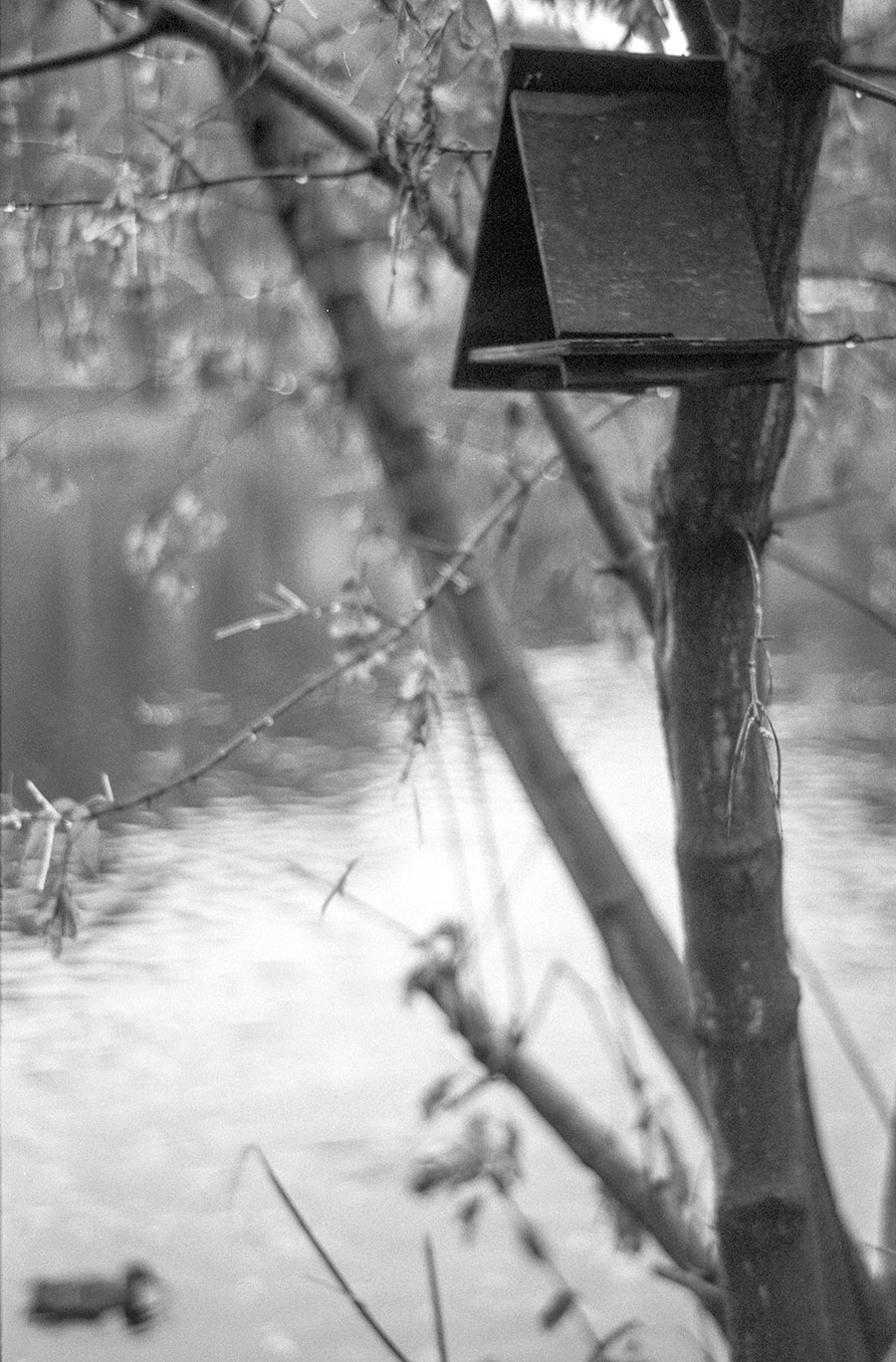
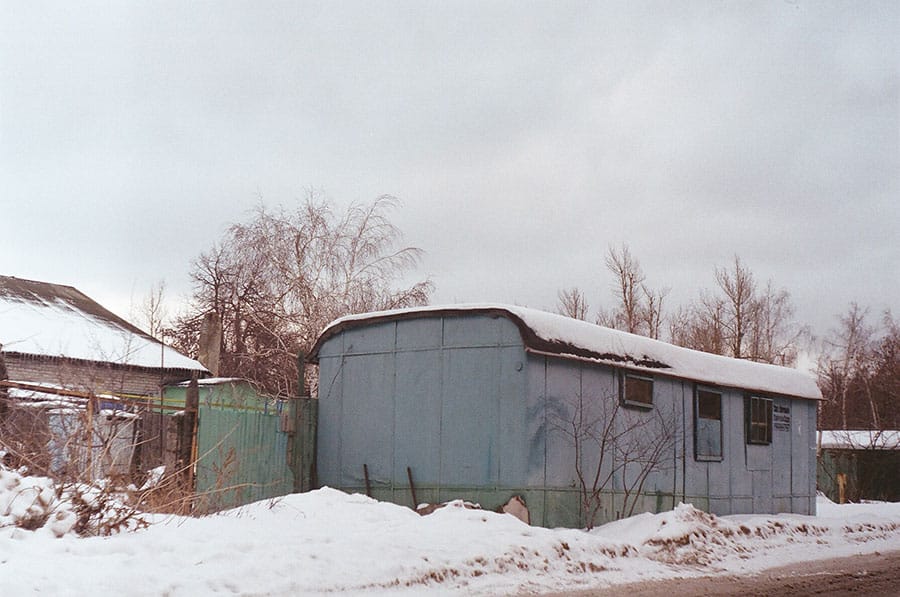
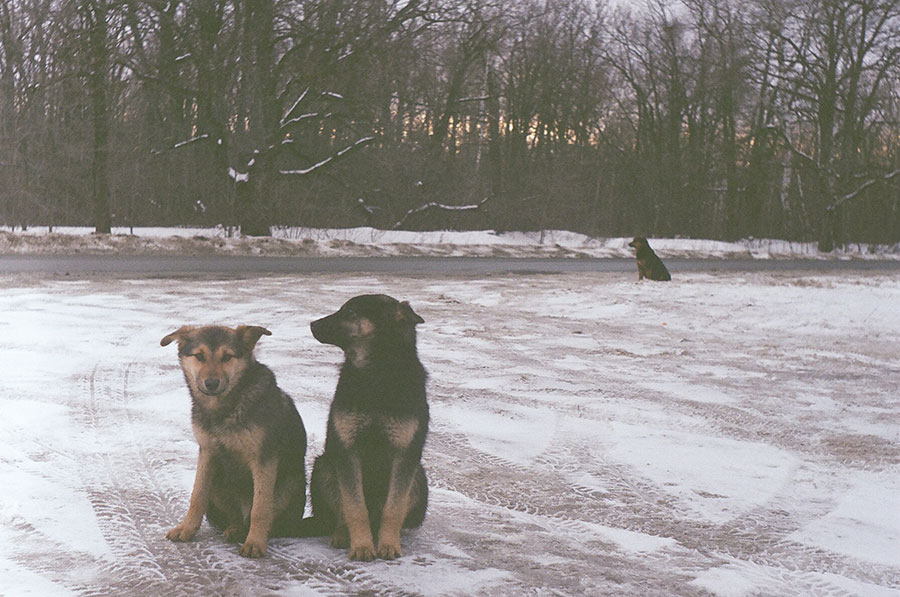
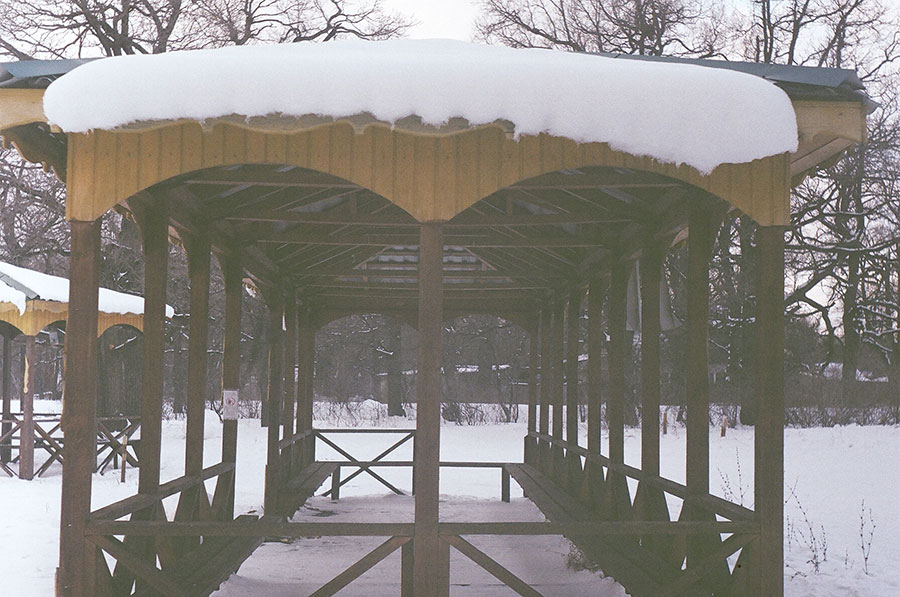
FED-4 Sample PHOTOS