Smena-3
Smena-3 is a Soviet compact camera manufactured at the GOMZ factory from 1958 to 1960. This camera differed from the Smena-2 camera only in the presence of a film advance lever.
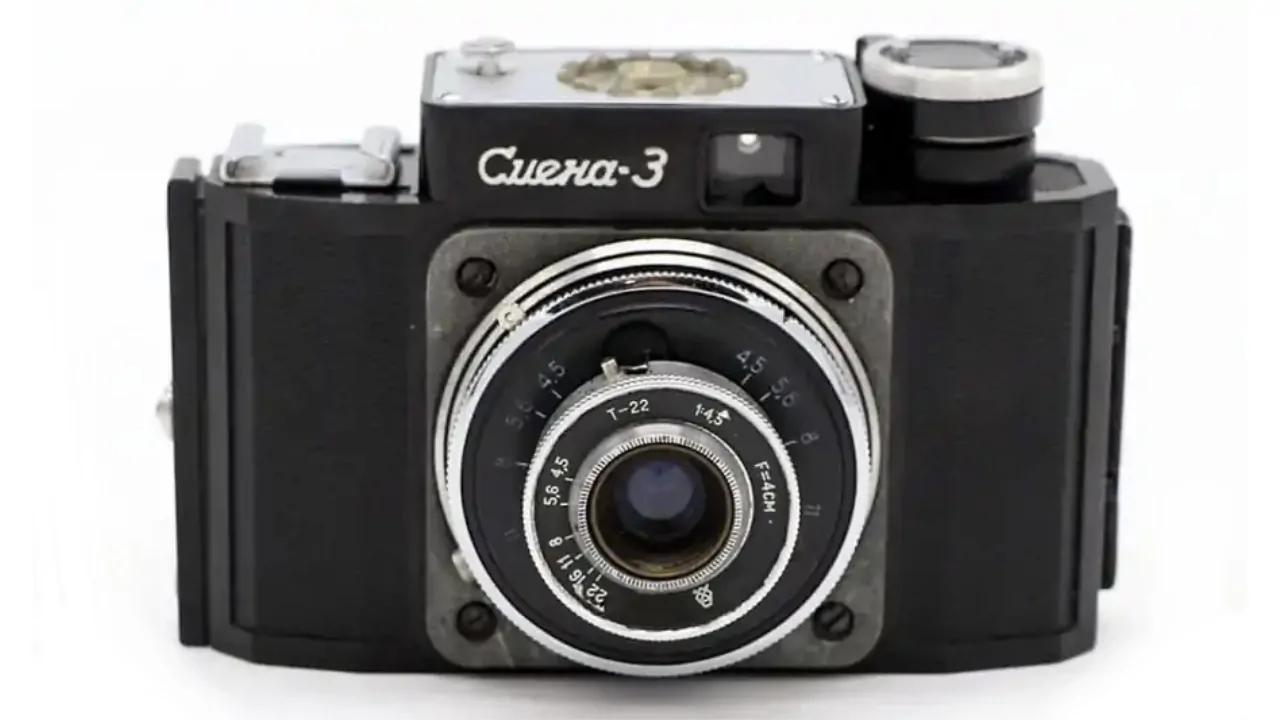
Smena-3 Specifications
- Type: 35mm viewfinder camera
- Manufacturer: GOMZ plant
- Production period: from 1958 to 1960
- Format: 24x36cm on 135 film
- Lens mount: fixed lens
- Lens: T-22 f4.0/40
- Shutter: leaf shutter with speeds from 1/10 to 1/200 sec.
- Viewfinder: optical viewfinder
- Light meter: none
- Flash synchronization: none
- Self-timer: none
- Weight: 290 grams
Smena-3 Overview
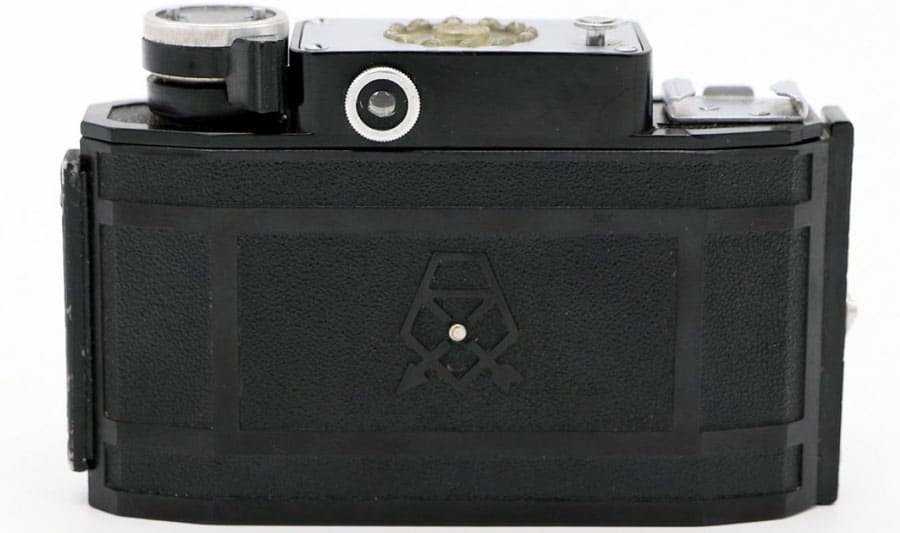
That is, in fact, Smena-3 is the same Smena-2 but with a shutter cocking lever. Apparently, in the Soviet Union, the presence of such a small difference in the model made it possible to give it a different number.
In all other respects, this simple school camera closely followed the Smena-1 and Smena-2. The camera body was made entirely of bakelite, with a metal lens block containing a built-in leaf shutter.
At the same time, neither the shutter nor the lens assembly differed significantly from the previous versions.
Smena-3 Lens
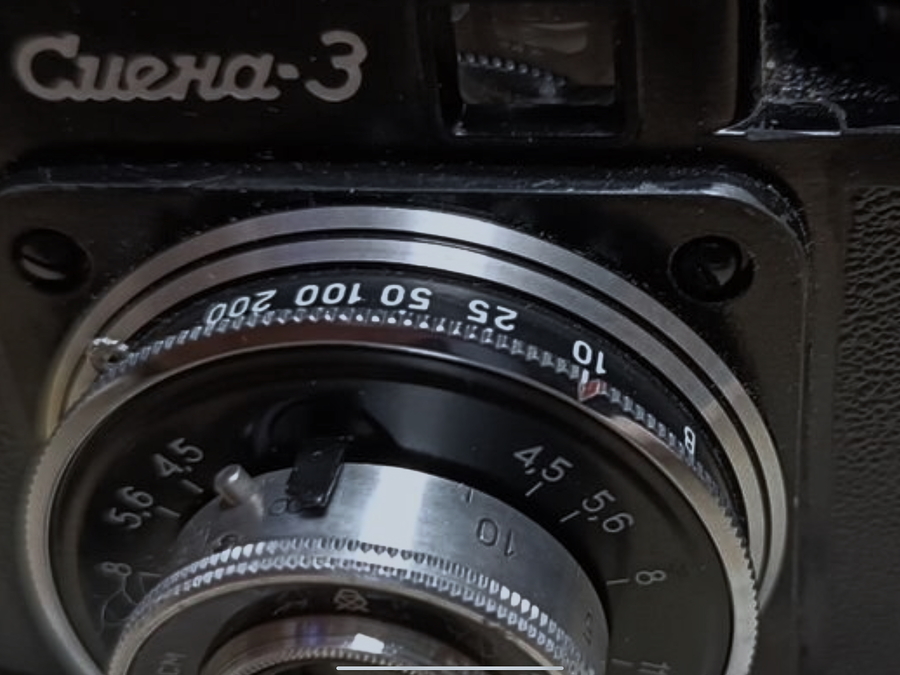
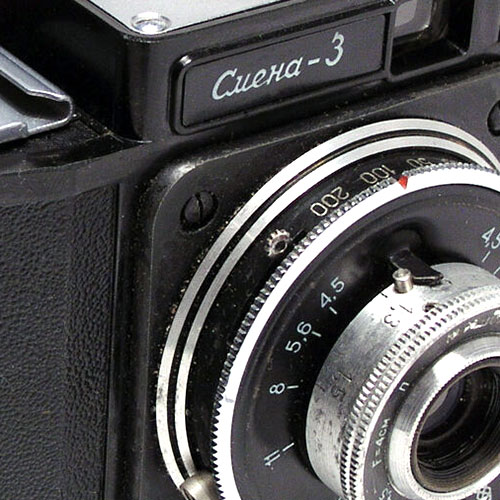
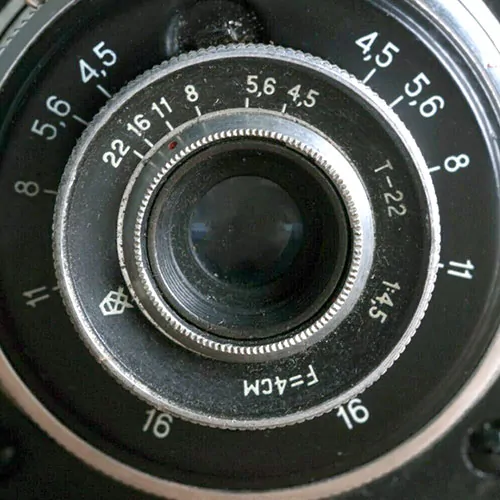
Smena-3 was an exact duplicate of the first two models. It was also made of bakelite, and in the same way, equipped with a Triplet T-22 4.5/40 lens.
The Smena-3 camera, like all other early representatives of this series, was equipped with a lens based on the classic Cooke triplet optical formula.
This lens may seem a little too dark, but the point is that Cooke triplet was one of the easiest lenses to make. The fact is that designing a fast triplet lens is quite difficult, and a faster lens would have increased the price of the camera, which was completely unnecessary for the Soviet engineers who developed it.
Secondly, it is a scale-focusing camera, and an f/4.5 aperture combined with a 40 mm focal length provides a wide depth of field, which in turn reduces the risk of focusing errors.
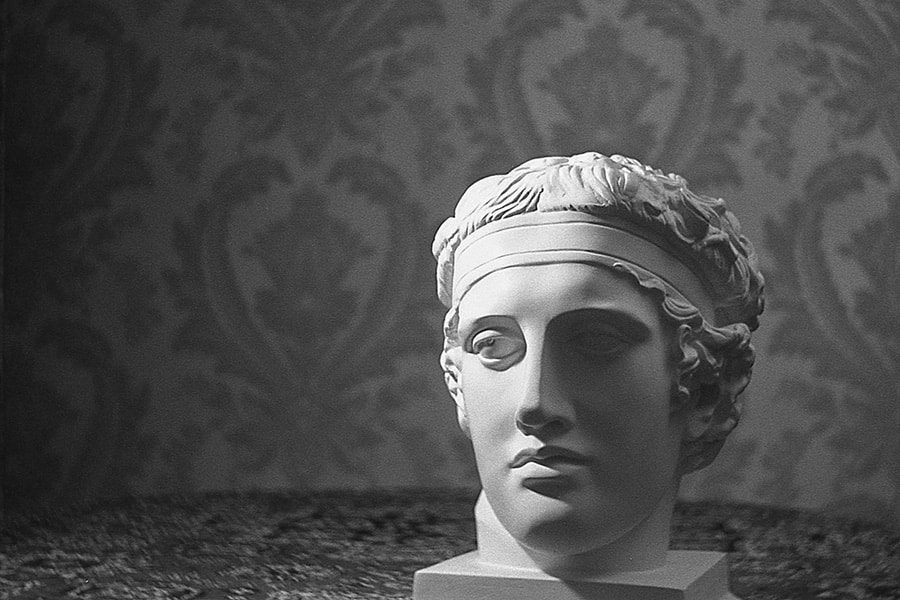
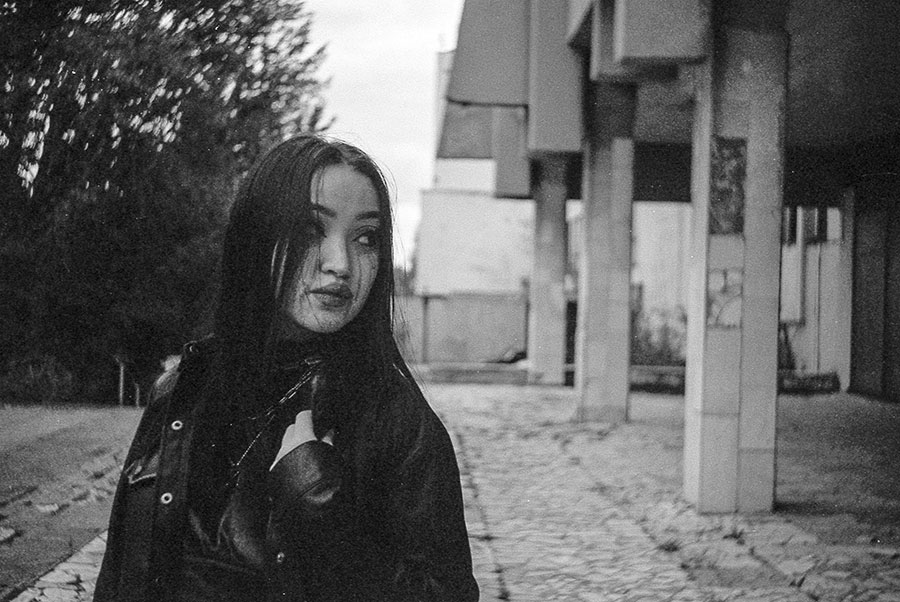
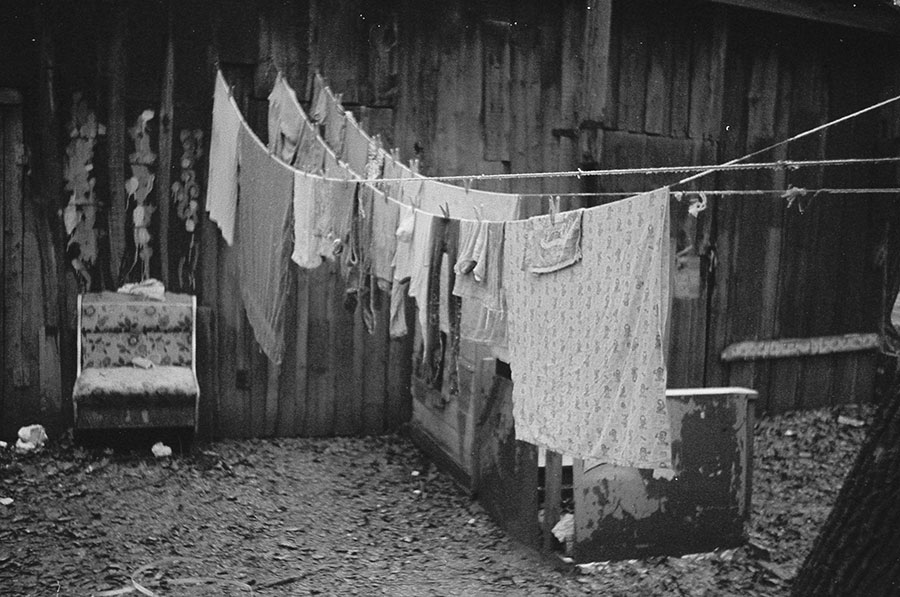
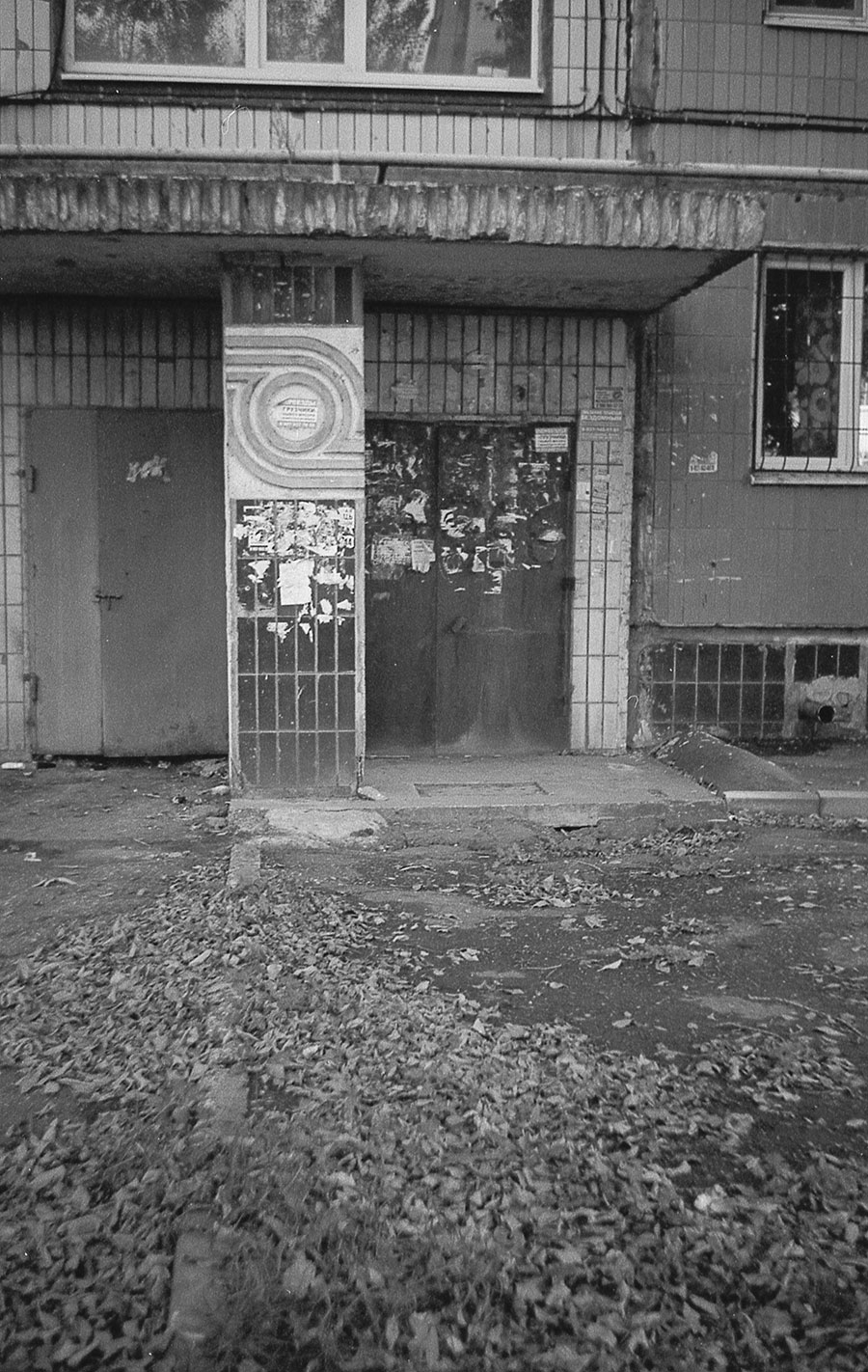
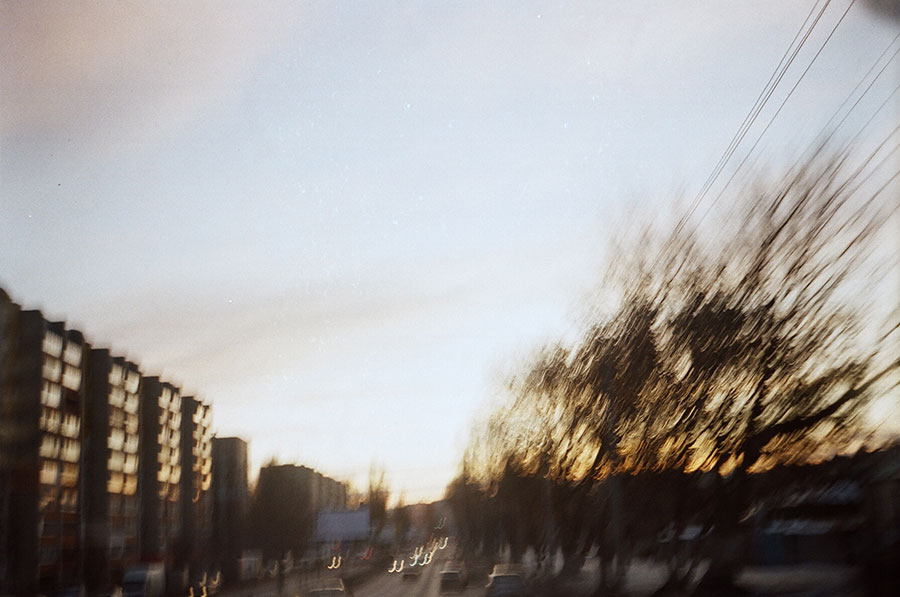
At first glance, this is a fairly simple and unpretentious lens, both in its time and today, yet it is capable of surprising even experienced users with its distinctive images.
The image produced by this lens is not perfectly sharp or crisp, and its color rendition is rather unconventional, as are its contrast characteristics.
The lens is relatively sharp in the center, while toward the edges it produces a very soft and smooth rendering. In addition, noticeable vignetting and other optical imperfections can be seen at the edges of the frame.
However, it is precisely all of these traits combined that create the classic triplet look, which is very difficult to replicate using modern methods.
This distinctive rendering is one of the key reasons why such a lens remains interesting and worth considering even today.
Smena-3 Shutter
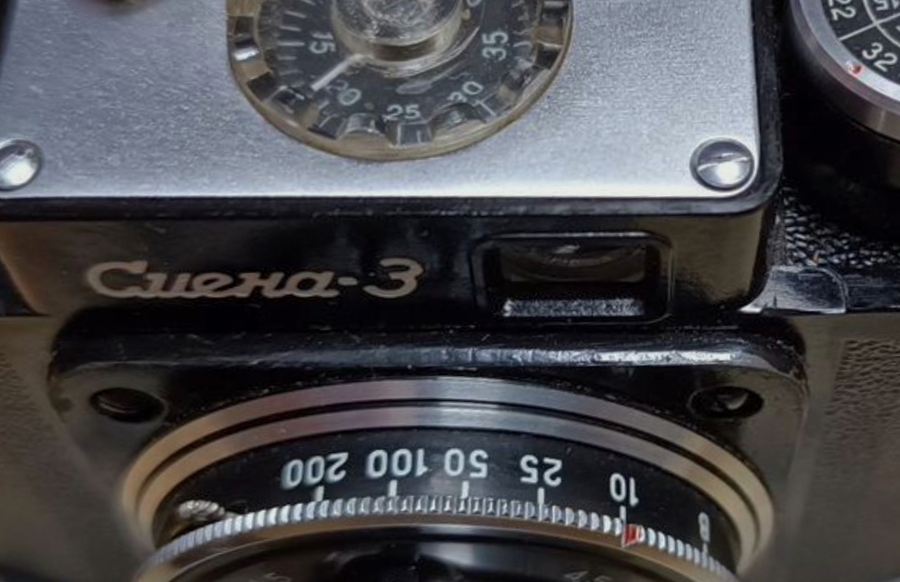
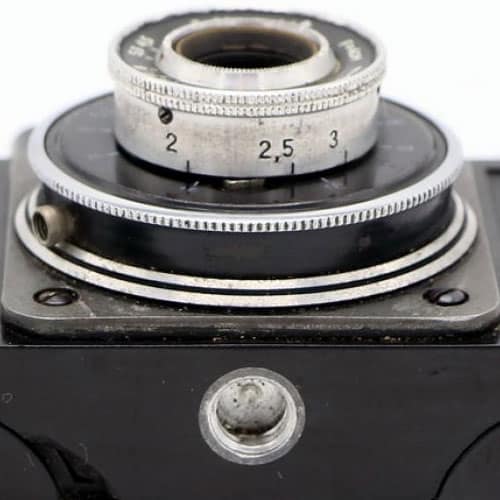
And of course, like the previous cameras, Smena-3 was equipped with a leaf shutter with speeds of 1/10, 1/25, 1/50, 1/100, 1/200, and B.
As we mentioned earlier, this set of shutter speeds was quite typical for that period. In fact, Zenit cameras, despite being much more advanced, were also equipped with a set of only five shutter speeds well into the 1990s.
This set of shutter speeds is quite sufficient for most photographic tasks. For example, unlike Zenit cameras, the shutter speeds on Smena cameras were shifted by one stop toward longer exposures.
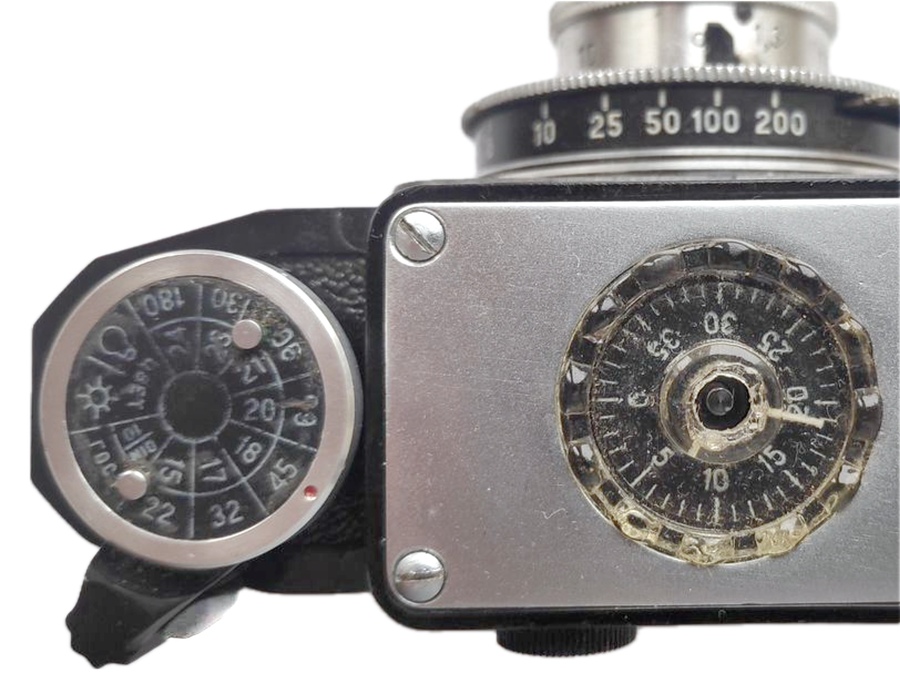
This was done to compensate for the relatively slow lens with a maximum aperture of f/4.0. At the same time, the camera used a leaf shutter with the blades located inside the lens.
This type of shutter helped, first, to virtually eliminate camera shake, and second, allowed reliable operation in almost any weather, since there was very little lubricant that could freeze in cold conditions.
Another important advantage of this shutter design is the fact that flash synchronization is possible at virtually any shutter speed.
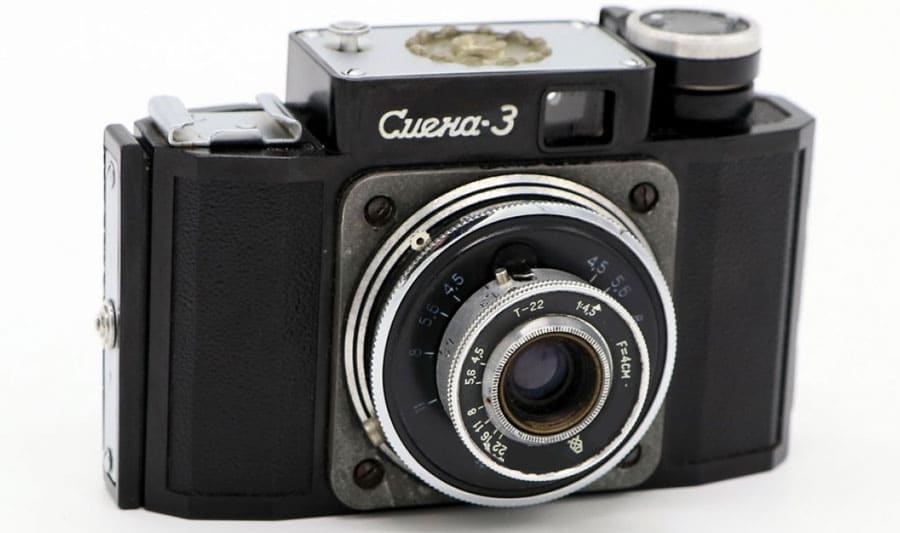
The shutter cocking is not combined with the advancing of the film, so in Smena-3 you can do excellent double exposure just like in the earlier cameras.
Camera Body and Controls
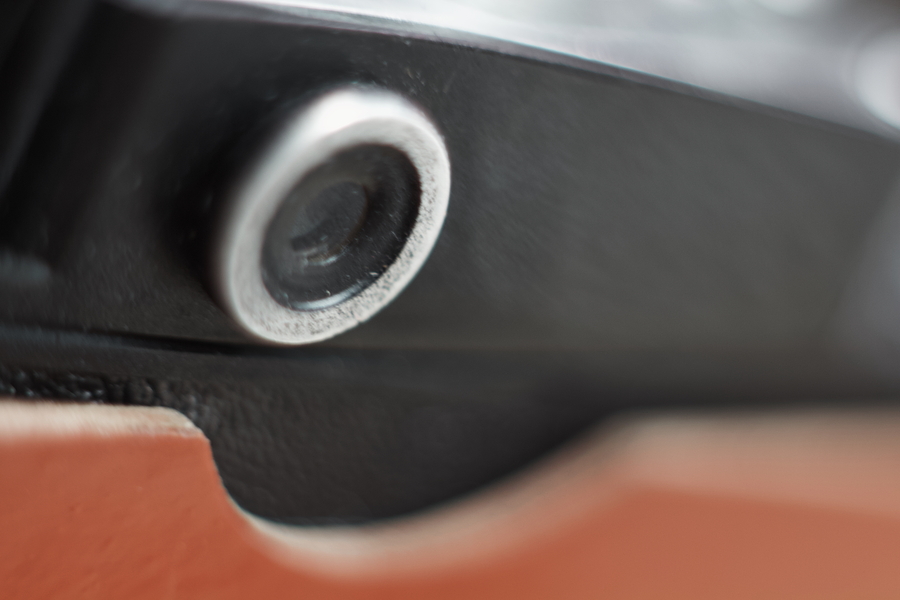
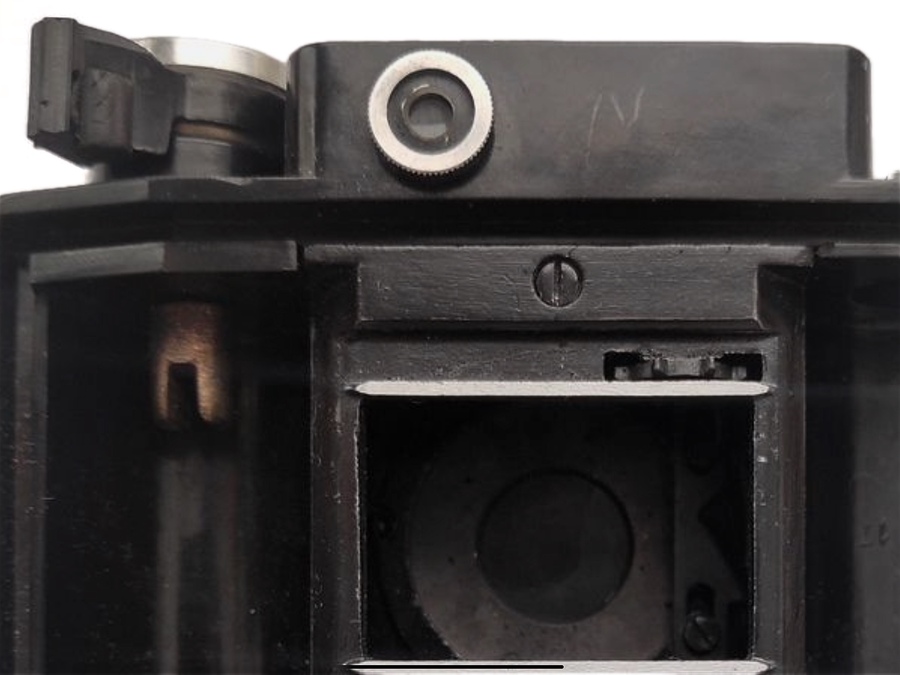
There is also no film rewind mechanism in this Soviet camera, and all exposed film is wound onto the take-up spool. It is not entirely clear to us why implementing film rewind was considered difficult in this design.
Most likely, this was done in order to reduce the production cost of the camera as much as possible and to simplify its construction in case of repairs that could be carried out by the user themselves.
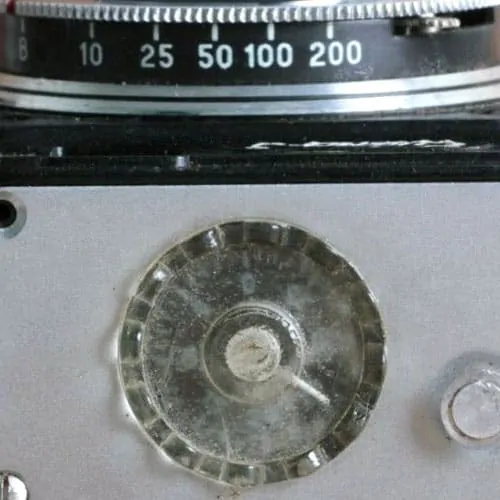
The camera is equipped with a frame counter. This element looks quite stylish and even somewhat resembles a watch.
The camera does not have a self-timer, but the Sovietcameras.org team has rarely encountered situations where this feature was truly necessary.
The Smena-3 camera was not equipped with a hot shoe and had only a cold shoe. This mount had no electrical contacts for flash synchronization.
In addition to the purpose we are used to today, the cold shoe on the Smena camera had another, arguably more useful function.
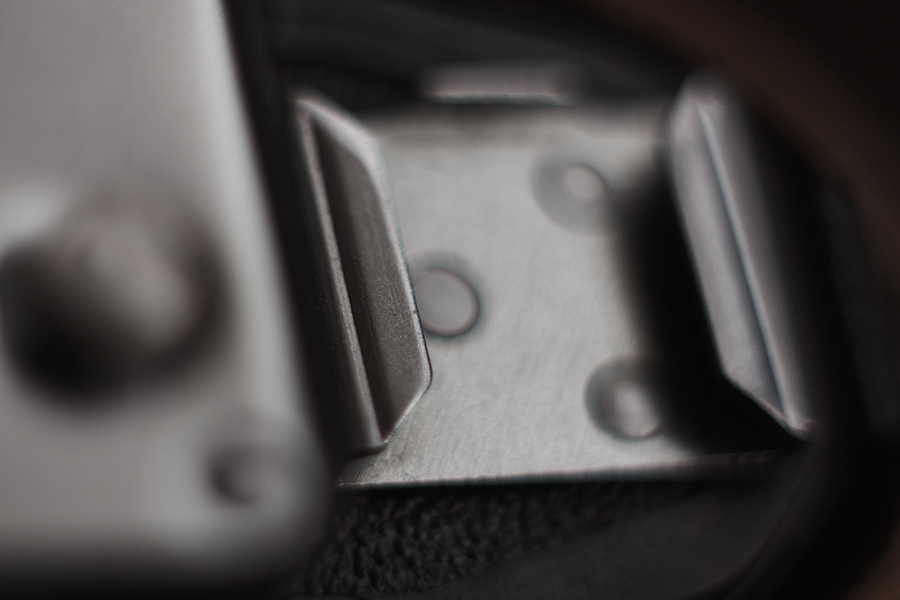
It was used to mount a detachable rangefinder, such as the Blik, which effectively turned a scale-focus camera into a rangefinder camera.
Conclusion
What can be said about the Smena-3 camera?
It is a beautiful camera and an interesting artifact from a bygone era. This camera is very simple, and that is exactly what makes it interesting.
Like all cameras equipped with a triplet lens, it produces wonderful images with a strong, old-fashioned character.
At the same time, the Smena-3 camera differs very little from both the earlier and later versions. All Smena cameras were equipped with roughly the same lenses and featured the same shutter and camera body design.
In essence, they were all distinguished from one another only by minor differences that were more like variations in configuration.
This allows modern photographers to choose quite flexibly the specific Smena model that suits them best, whether it is the Smena-3 or any other version.
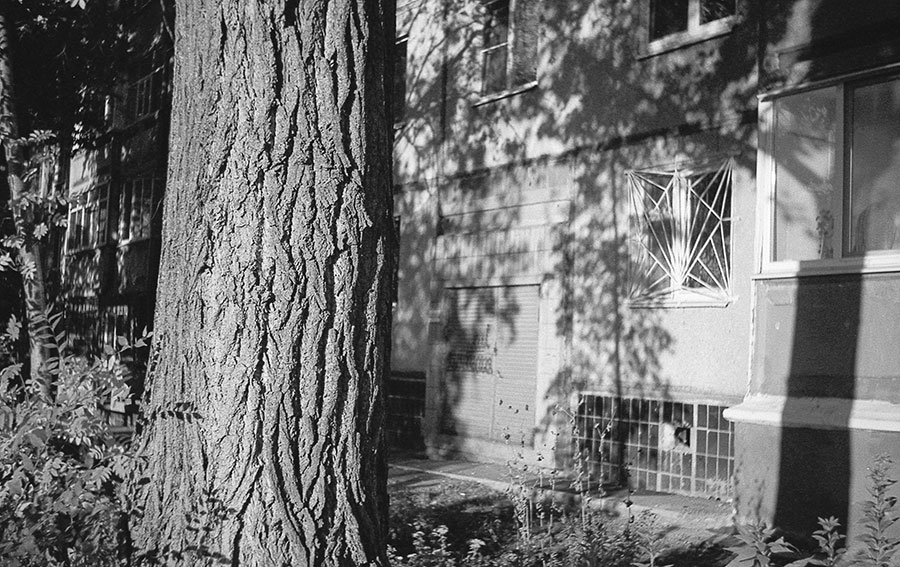
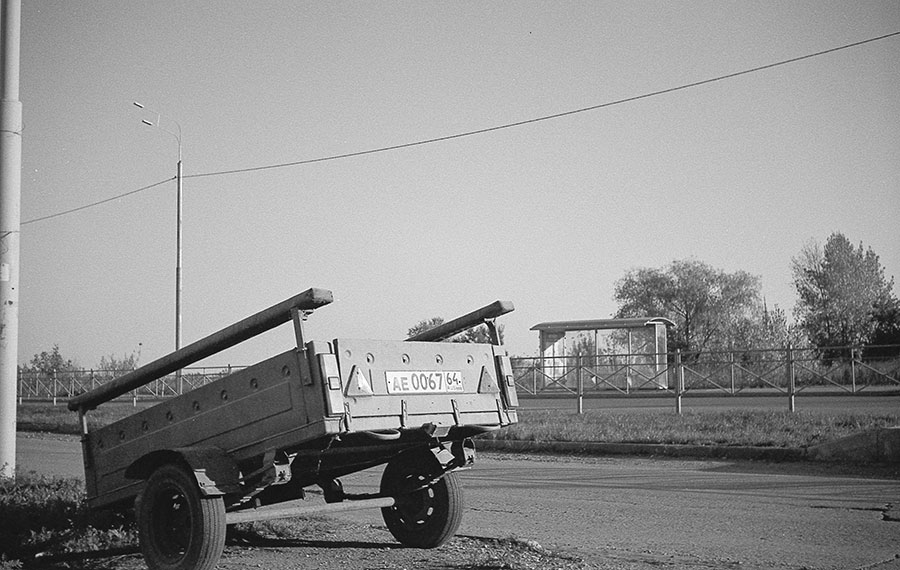
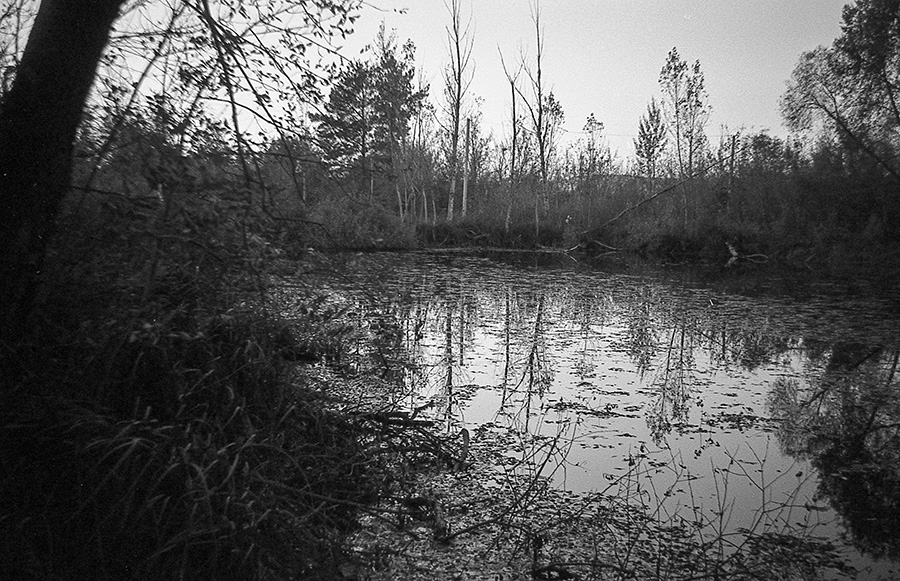
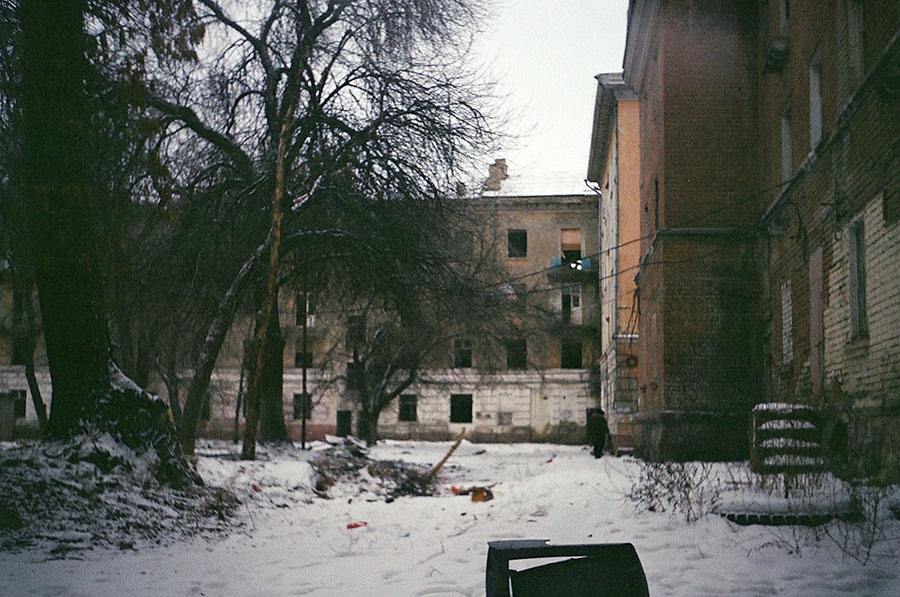
SMENA-3 Sample PHOTOS