Smena-2
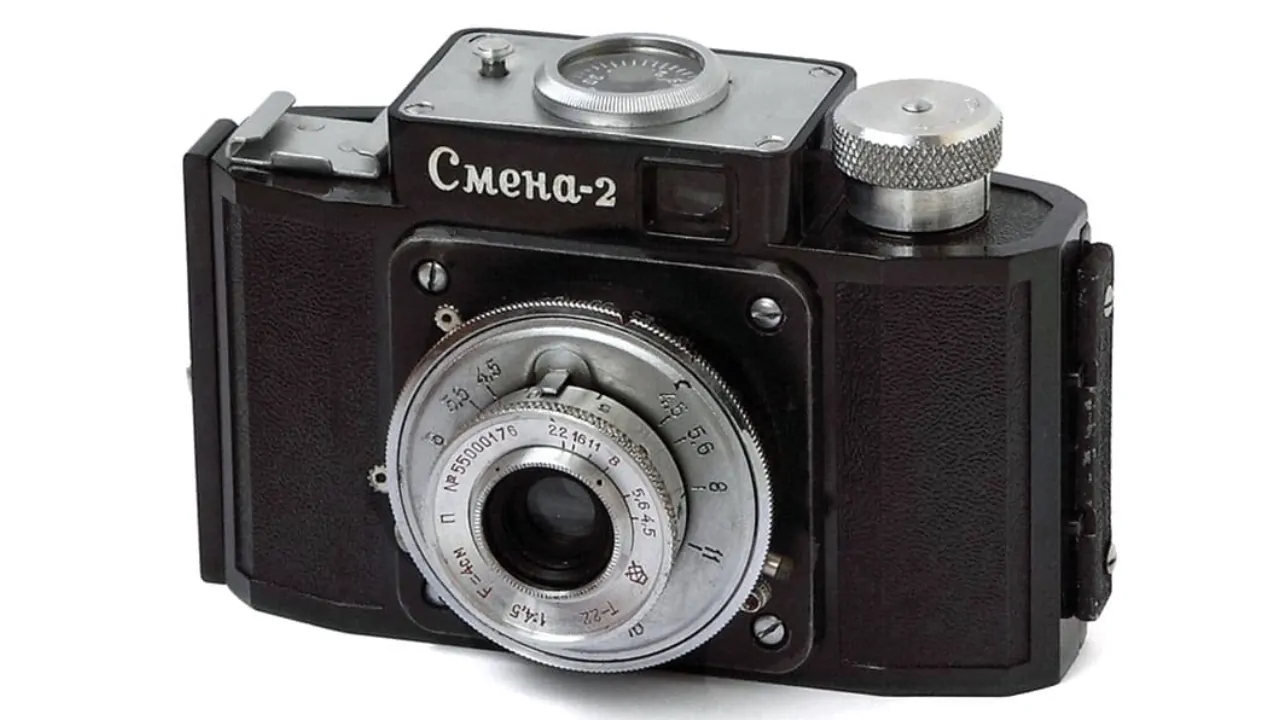
Smena-2 is a Soviet camera that was produced at the LOMO factory from 1955 to 1962. This camera is a modification of the first Smena.
Smena-2 Specifications
- Type: 35mm viewfinder camera
- Manufacturer: GOMZ plant
- Production period: from 1955 to 1962
- Format: 24x36cm on 135 film
- Lens mount: fixed lens
- Lens: T-22 f4.0/40
- Shutter: leaf shutter with speeds from 1/10 to 1/200 sec.
- Viewfinder: optical viewfinder
- Light meter: none
- Flash synchronization: X sync
- Self-timer: mechanical
- Weight: 290 grams
Smena-2 Overview
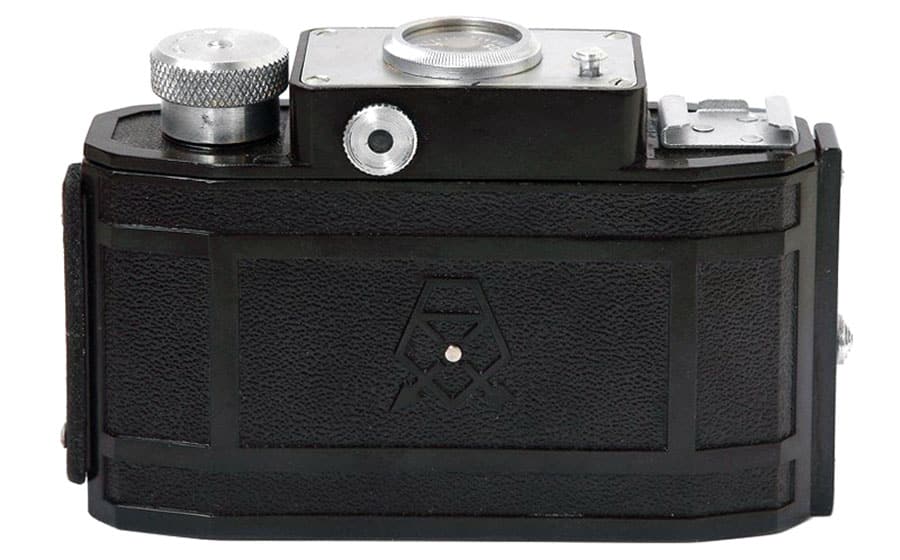
The Smena-2 is, in terms of philosophy and concept, not so much a separate camera with many innovations and additional features, but rather an improved version of the original Smena.
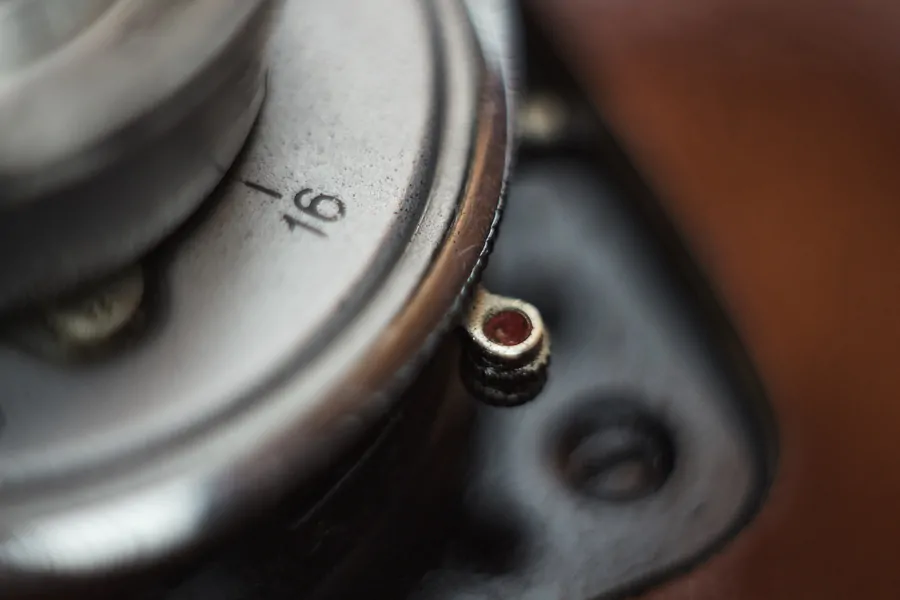
The main changes compared to the Smena-1 were the addition of a flash sync socket and a self-timer. According to the long-established traditions of the Soviet photographic industry, these improvements were considered sufficient reason to assign the camera the “2” index.
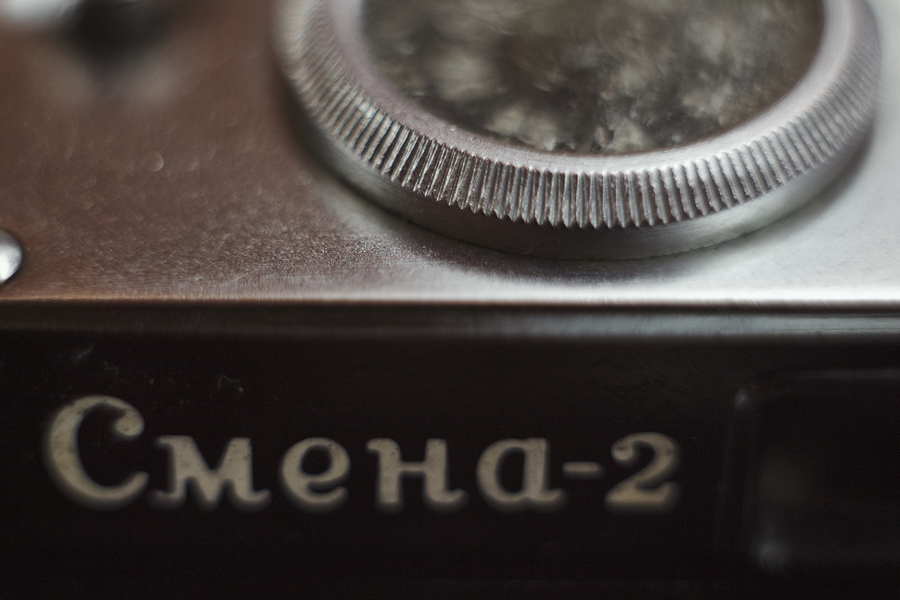
For photographers of that era, these two features – quite simple by today’s standards – were actually very important and useful.
Given the low sensitivity of inexpensive film at the time and the resulting need for flash, as well as the strong demand for a self-timer in many shooting situations, these straightforward upgrades were very much welcome.
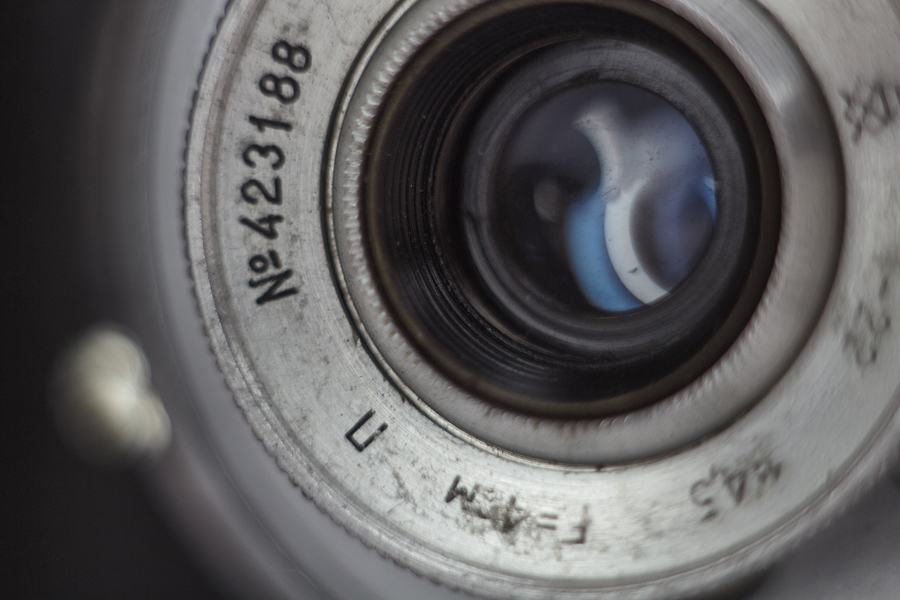
As with the first model, the camera body was made of bakelite and fitted with a metal-and-glass T-22 triplet lens.
The camera was aimed at the youngest audience of photographers—beginners, as well as those who had to shoot in very harsh weather conditions.
Production took place not only at the GOMZ factory, where the camera was originally developed, but also at the MMZ factory, and the versions produced at these plants were virtually indistinguishable from one another.
Smena-2 Lens
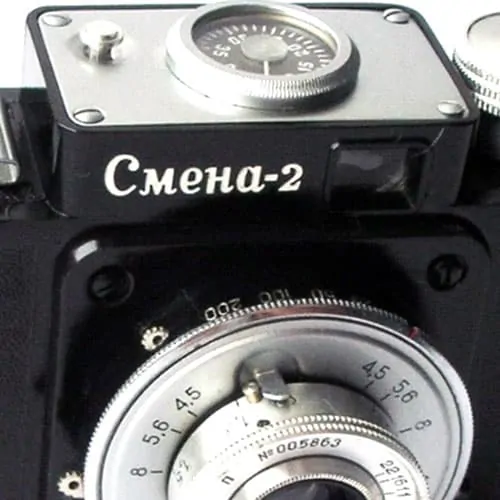
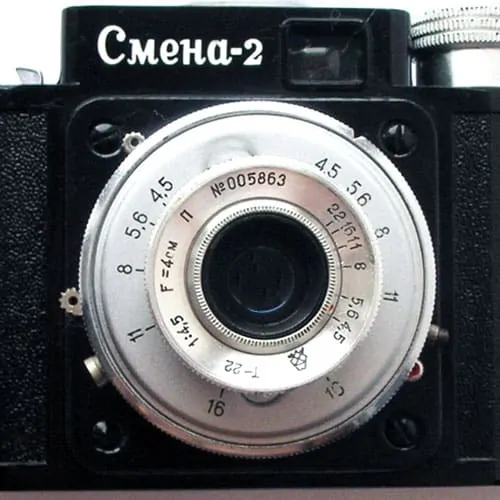
The main and central element of the Smena-2 camera is its lens, largely because this single unit houses not only the optical elements themselves but also the shutter, while the controls for both mechanisms are arranged around the lens body.
As with the first version, this Soviet film camera was equipped with the T-22 triplet lens, based on the classic triplet optical design that first appeared in the 19th century.
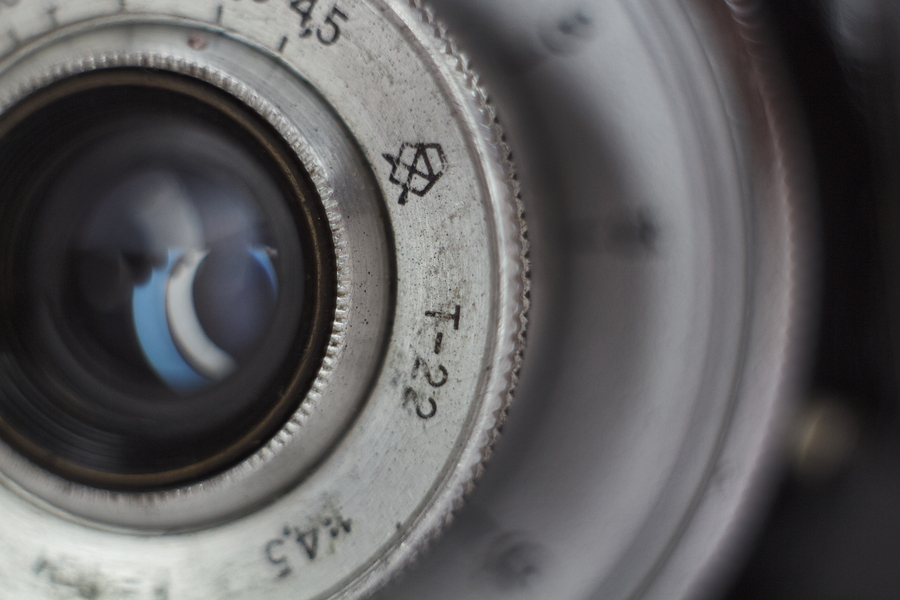
With a maximum aperture of f/4, the lens may seem quite slow by today’s standards, but it is worth remembering that this is the mid-20th century, when many amateur cameras of the time were often fitted with even slower lenses.
Moreover, many modern kit lenses are not significantly faster than this old, well-proven triplet.
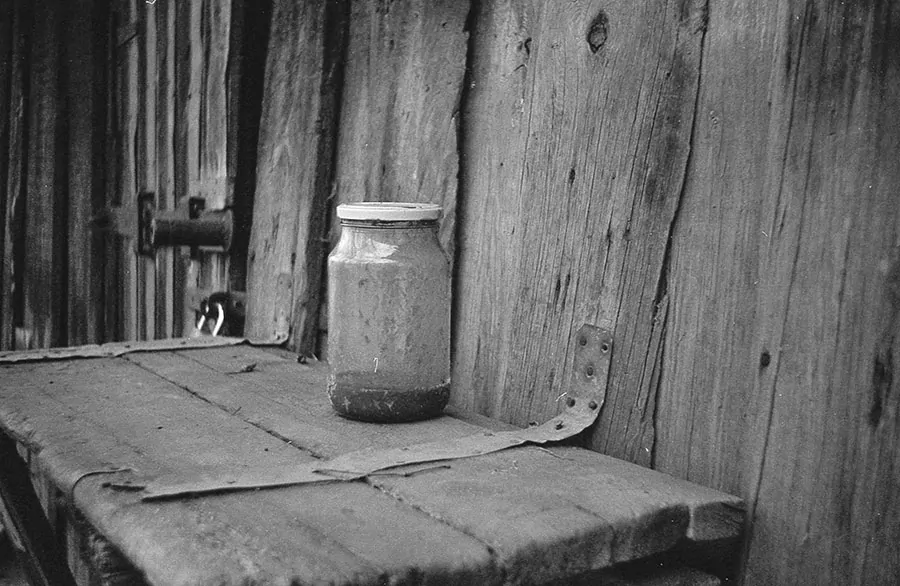
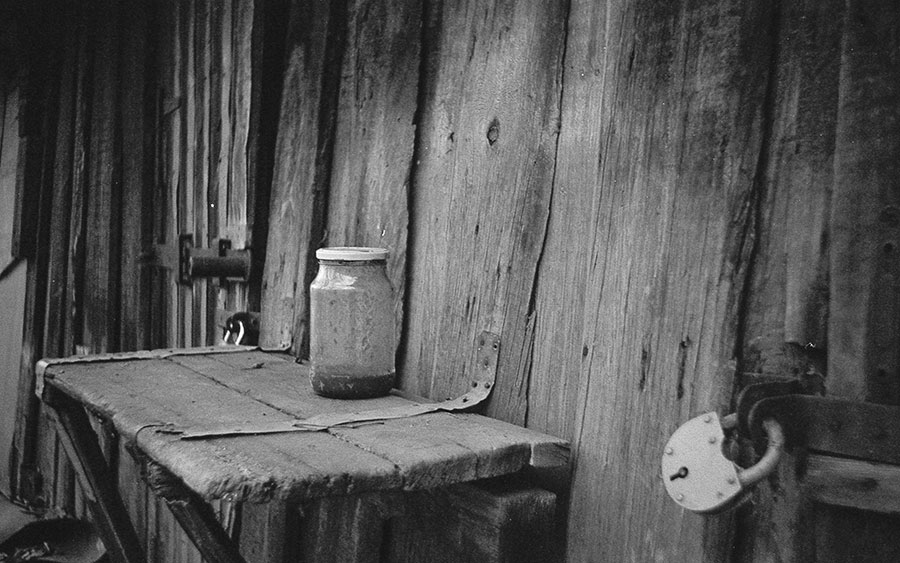
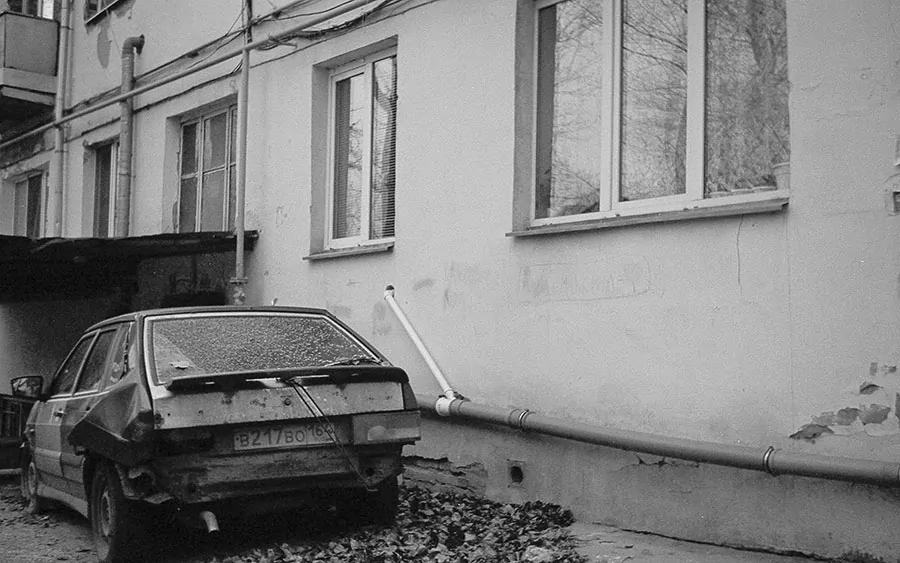
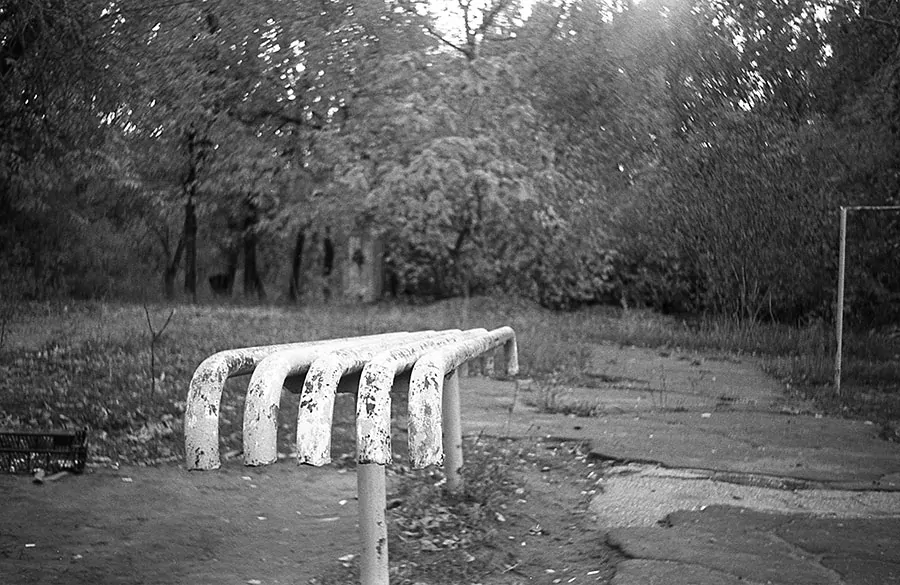
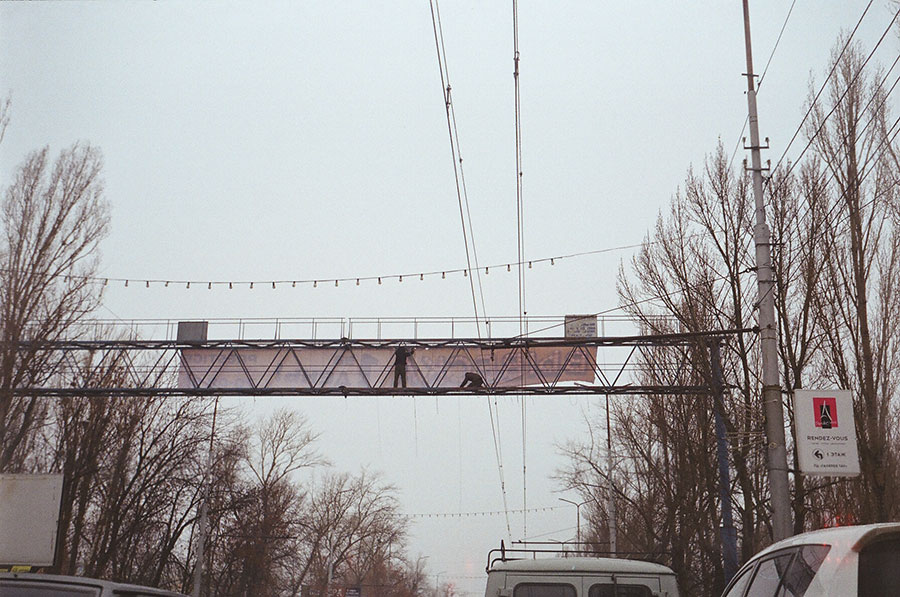
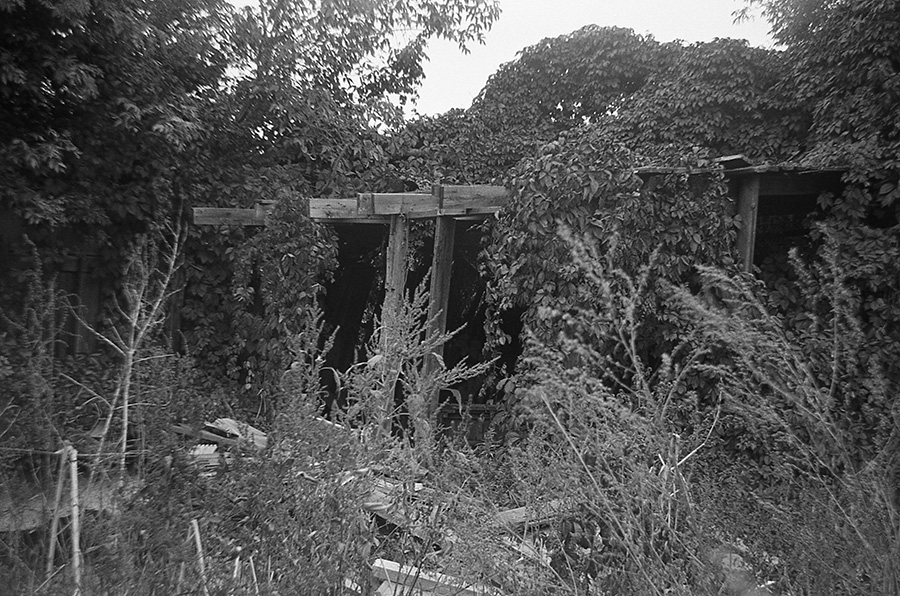
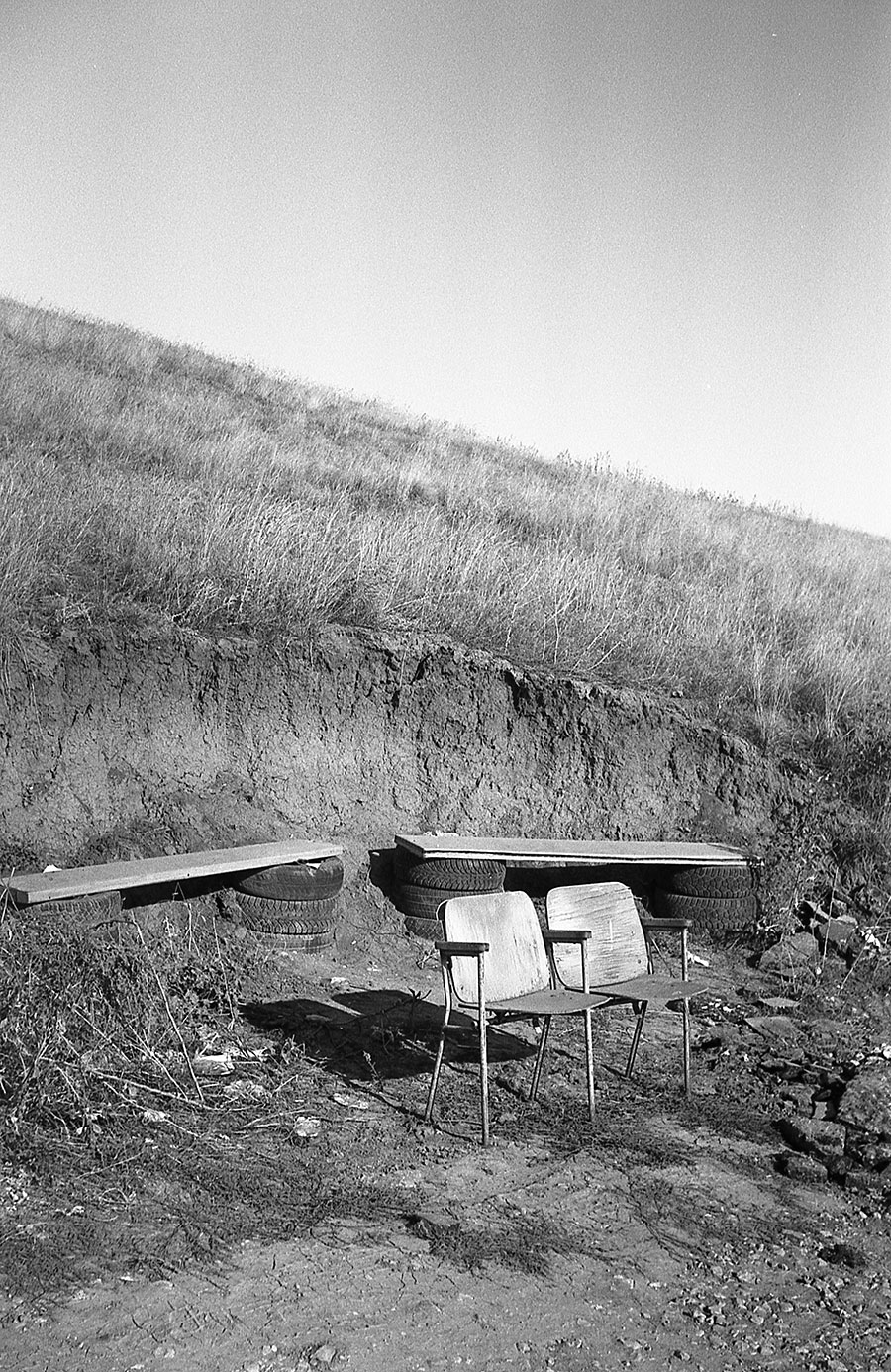
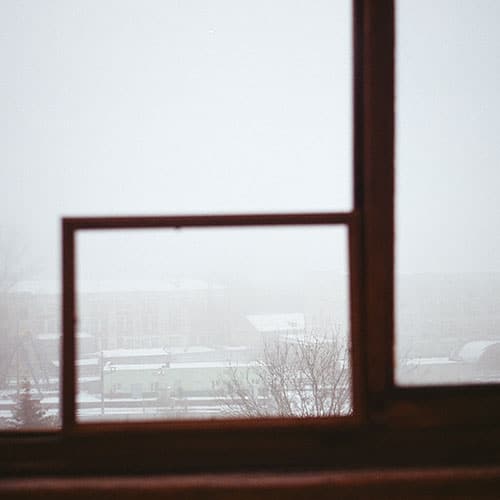
The lens produces its characteristic image not despite its limitations, but precisely because of them. The classic optical design delivers a very soft yet reasonably sharp image in the center when used wide open.
The background rendering shows a characteristic swirling bokeh, although it is not as pronounced as on early Helios lenses.
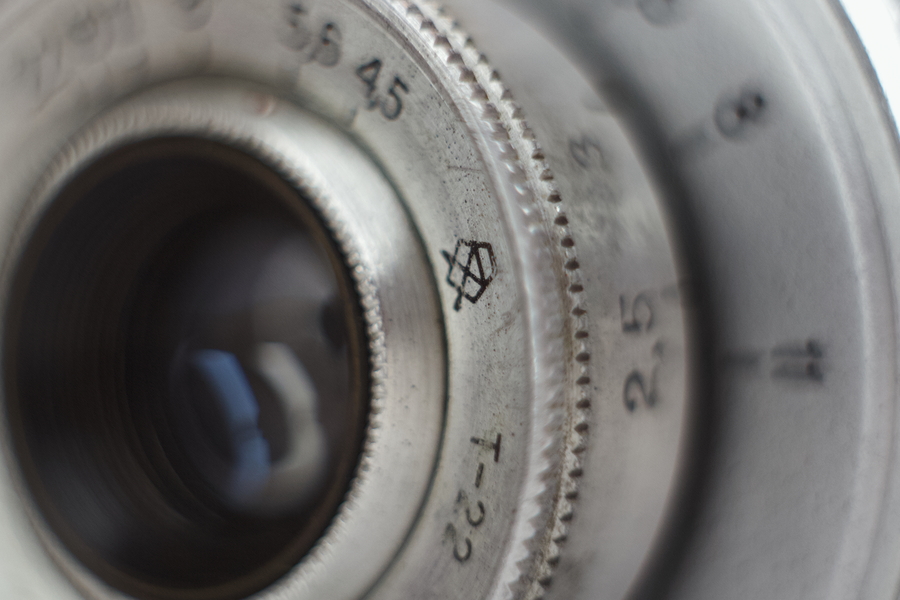
Slight vignetting toward the edges adds visual interest to the image, which can be seen more as a strength than a flaw.
This lens is particularly well suited for black-and-white film and for creating an authentic, period-correct retro look.
Smena-2 Shutter
The shutter of this scale-focus camera is also inherited from the first version and represents a classic leaf shutter mounted inside the lens.
Unlike a focal-plane shutter, which is positioned directly in front of the film and consists of two curtains forming a moving slit, this shutter is made up of several blades that open from the center outward and then close again in the reverse sequence.
This design allows the film to be exposed evenly and makes it possible to use flash at a wider range of shutter speeds.
The shutter speeds themselves are quite respectable for a camera of such a simple class: there are five settings in total, ranging from 1/10 to 1/200 second.
In practice, this is the same number of speeds found on much more expensive Zenit cameras, although shifted toward slower values.
These shutter speeds are more than sufficient for the vast majority of photographic tasks, and when combined with the newly added flash synchronization and self-timer, the range of shooting scenarios and lighting conditions available with this camera increases significantly.
Camera Body and Usability
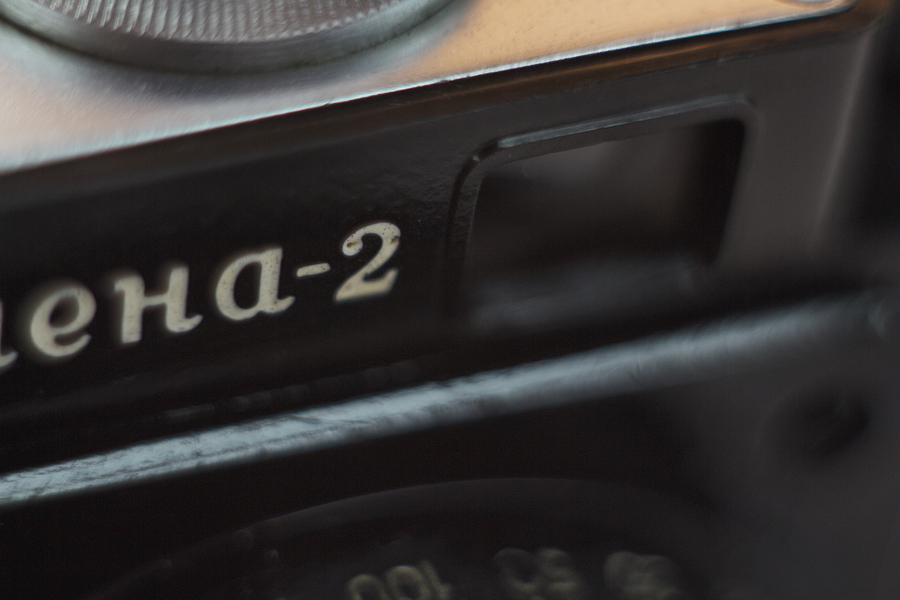
Like all Smena and Lubitel cameras, this model is made of bakelite. There is no rewinding of the film, the exposed film is fed into an empty cassette.
The camera has a very clear viewfinder that makes framing the image easy. This is to be expected, since the viewfinder contains nothing extra – no rangefinder mechanism, no ground glass, and no other focusing aids.
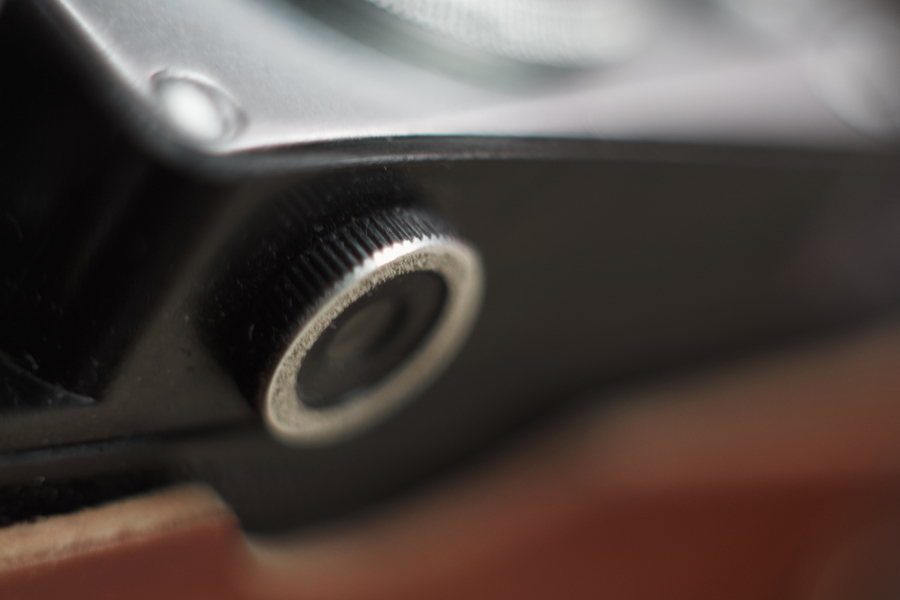
Since the camera does not have a mirror system or rangefinder, focusing is done using the distance scale. As with all similar cameras manufactured by LOMO, all camera controls are located around the lens.
The bakelite material feels very pleasant to the touch and in some ways resembles the plastic we are more accustomed to today.
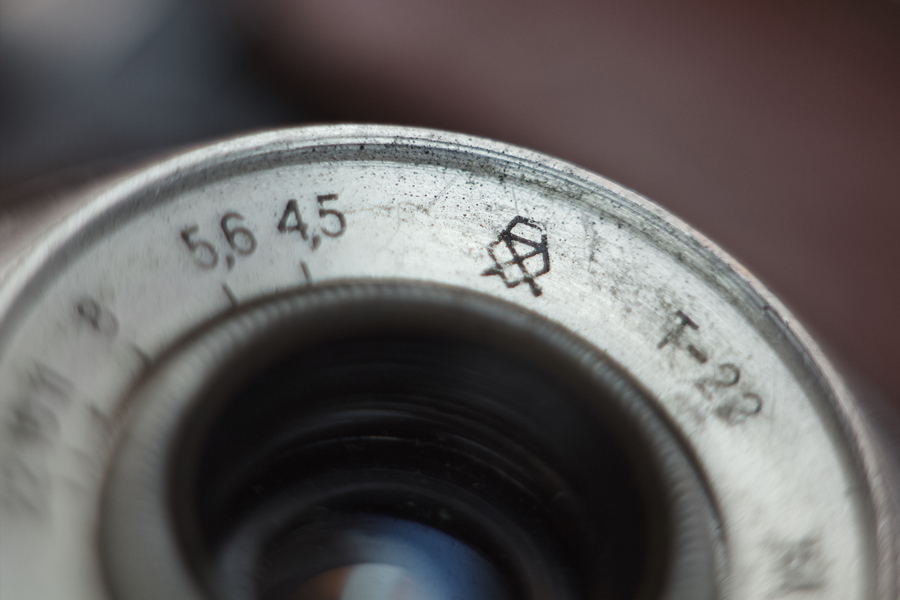
The metal parts complement the bakelite body well and are placed in the areas most exposed to wear.
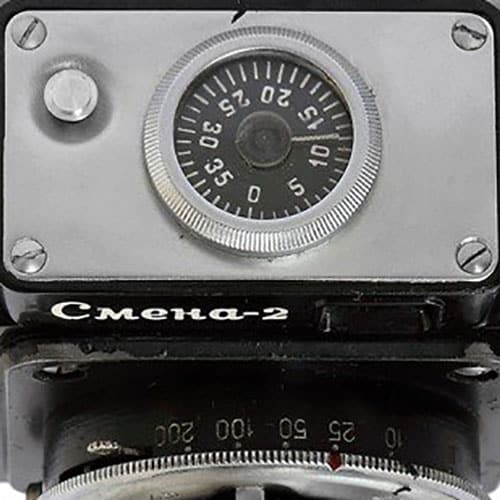
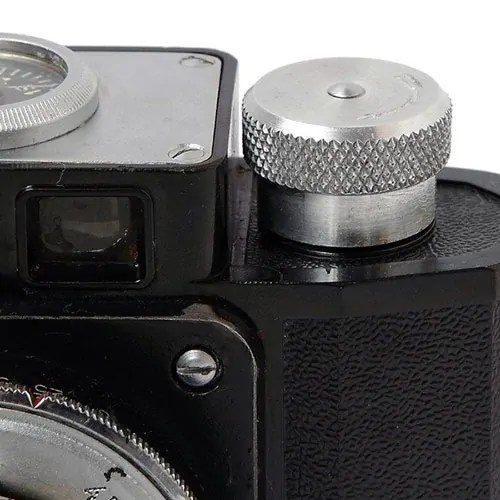
On the top plate of this simple camera, there is a frame counter that must be set manually, a film advance knob, and a cold shoe.
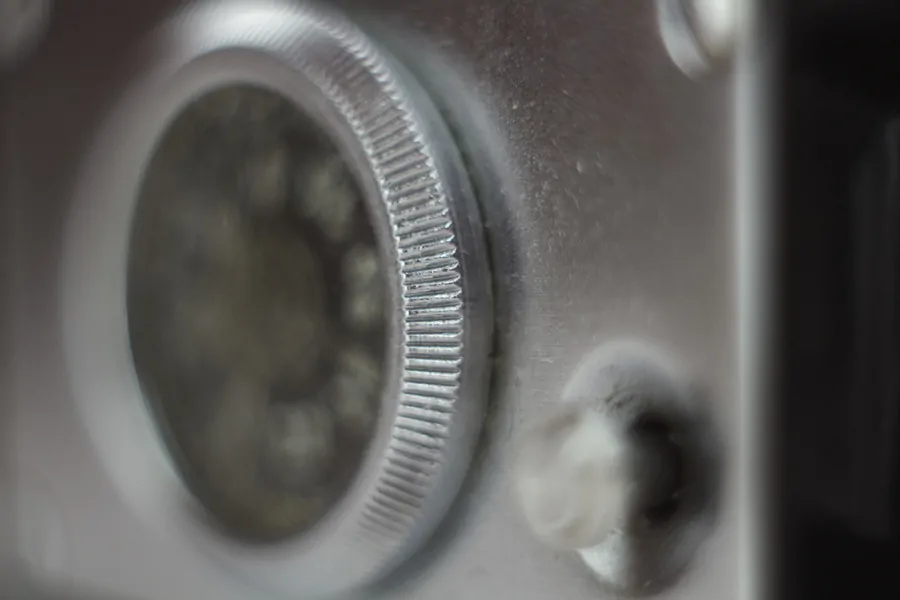
The top surface of the film advance knob also features a film speed reminder, which is quite useful for beginner photographers.
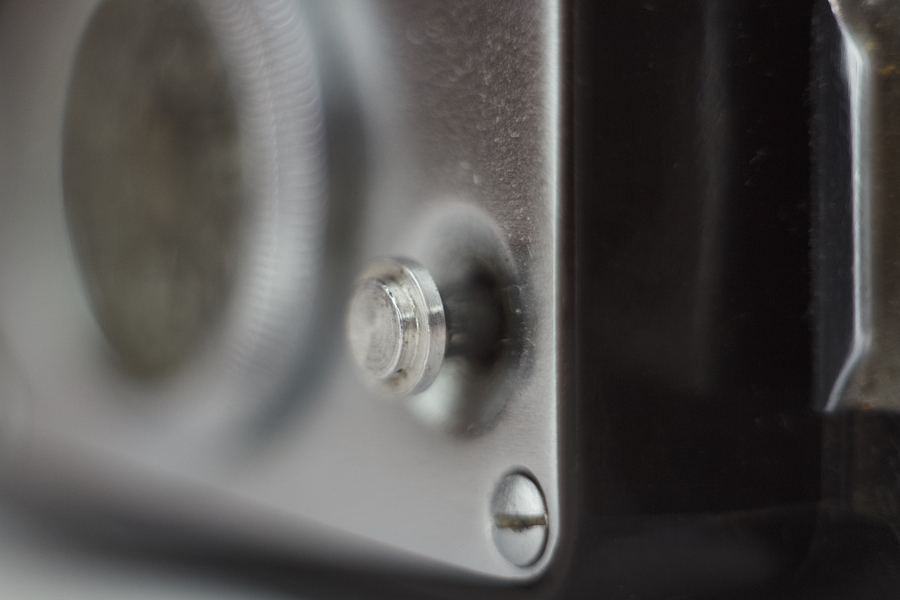
To the right of the frame counter, the camera has a button that may resemble a shutter release, but in fact it is the film release button.
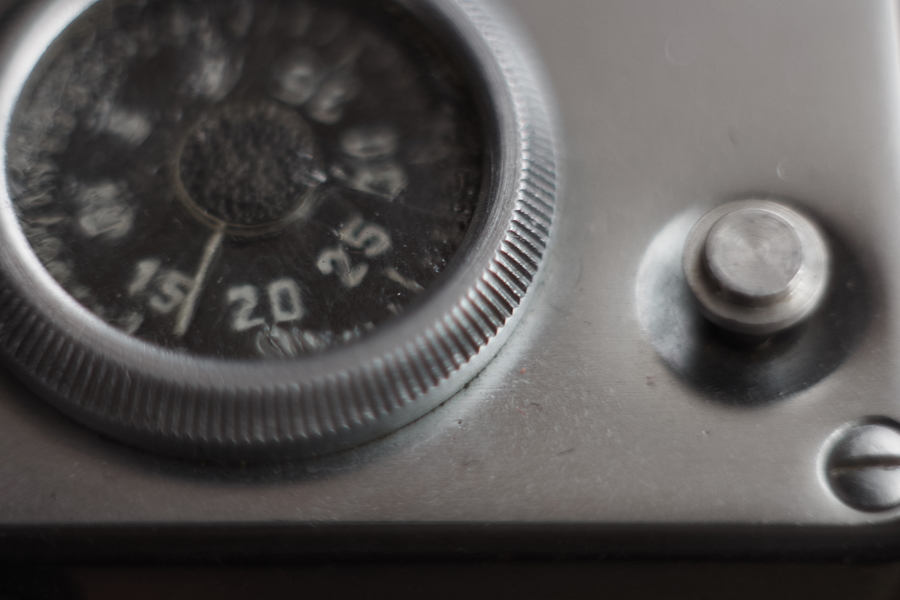
As with the first version, shutter cocking and film advance are two separate actions, making this camera well suited for those who enjoy experimenting with double exposures.
The film advance knob, like all the other metal parts, is very well made and feels visually and tactilely more expensive than it actually is.
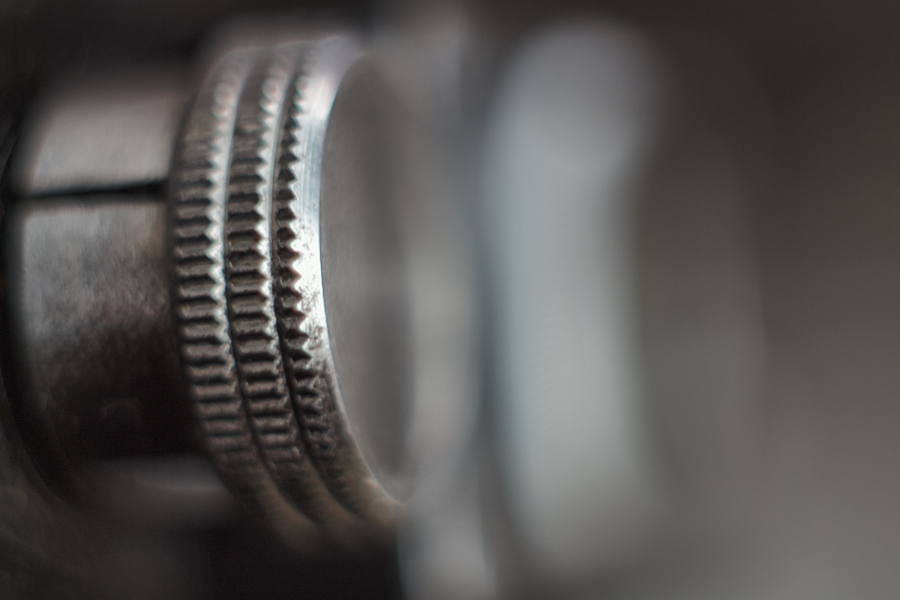
Although the body of this camera is made of Bakelite, the lens is made of metal and glass. Working with this camera, you do not get the impression that you are shooting with some kind of toy camera.
This camera, unlike the point-and-shoot models of the 1980s and 1990s, is simple yet very much a real, fully manual camera.
Conclusion
So what exactly is the Smena-2 camera?
This is actually a great example of the Soviet industry. The camera was very simple and affordable (even by Soviet standards). Many photographers in the Soviet Union began to engage in photography with Smena cameras.
This little soviet camera is almost no different from the first model, as well as subsequent models did not differ much from Smena-2.
If you are looking for a super simple camera, which at the same time gives an excellent result and an unusual experience, then this soviet camera will be perfect for you.
With this lovely little camera, you can achieve a very interesting effect reminiscent of classic photographs from the early 20th century in your images.
This is facilitated primarily by the triplet lens, the optical design of which was one of the most popular in those years.
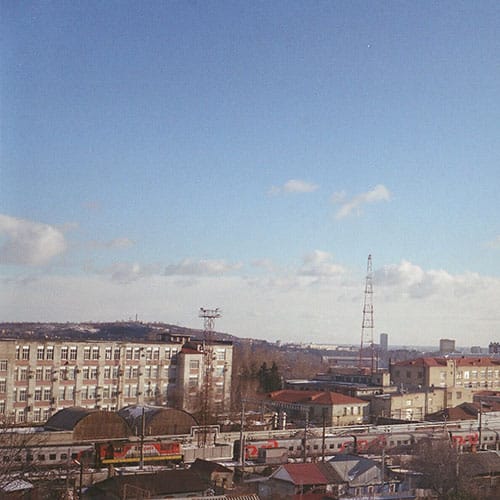
SMENA-2 Sample PHOTOS