

Zenit-E
Zenit-E is a Soviet SLR camera, developed at the Krasnogorsk Mechanical Plant (KMZ) and produced in series from 1965 to 1982. This camera was also produced at the BelOMO factory in the city of Vileyka from 1973 to 1986.
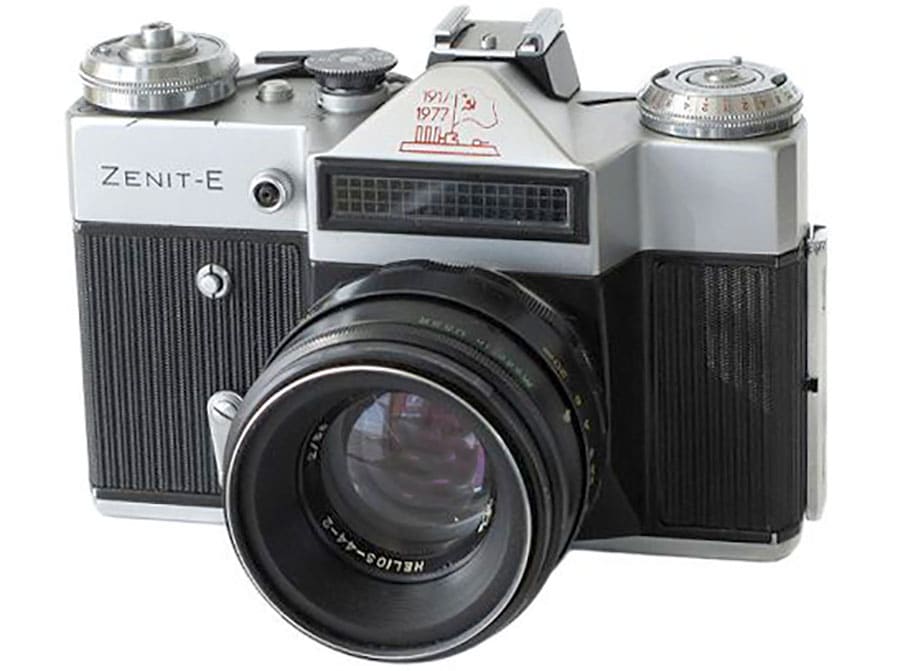
Zenit-E Specifications
- Type: 35mm SLR camera
- Manufacturer: KMZ plant
- Production period: from 1965 to 1986
- Format: 24x36cm on 135 film
- Lens mount: m42 thread mount
- Lens: Helios-44-2 f2.0/58
- Viewfinder image field size: 20×28mm
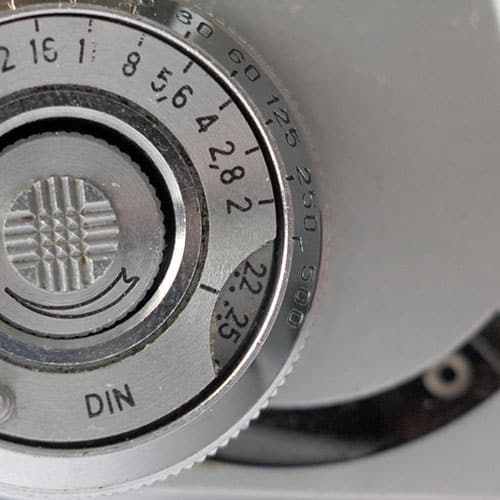
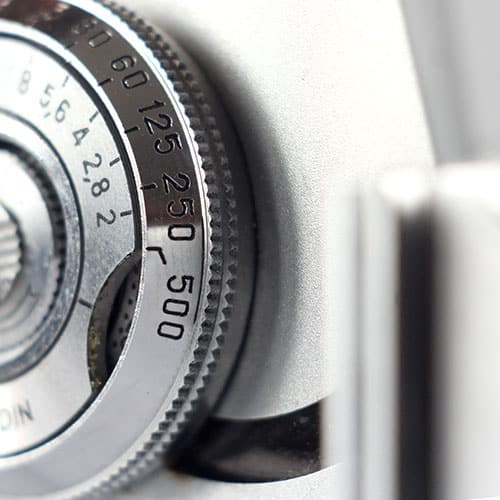
- Shutter: focal-plane shutter with speeds from 1/30 to 1/500 sec.
- Viewfinder: SLR with non-removable pentaprism
- Light meter: built-in selenium light meter
- Flash synchronization: X sync
- Self-timer: mechanical
- Weight: 920 grams
Zenit-E Overview
The Zenit-E is a truly legendary Soviet camera. It was produced on an enormous scale and became one of the most recognizable symbols of the Soviet photographic industry.
The Zenit-E is not only the most widely produced SLR camera in the USSR, but also one of the most mass-produced SLR cameras in the world. Together with its modified versions (EM, ET, B, BM), it was manufactured in more than eight million units.
This film SLR camera represents a symbol of the Soviet photographic industry in many ways – simple, somewhat behind its foreign competitors, not perfectly assembled, yet doing its job very well, offering enough features for comfortable use and remaining pleasant to work with.
All controls remain in the same places, and the layout of the camera parts remains the same (as in the Zenit-3M), despite the fact that the camera has become heavier and taller.
For many years of production, Zenit-E had a huge number of modifications, which at the same time did not differ much from each other.
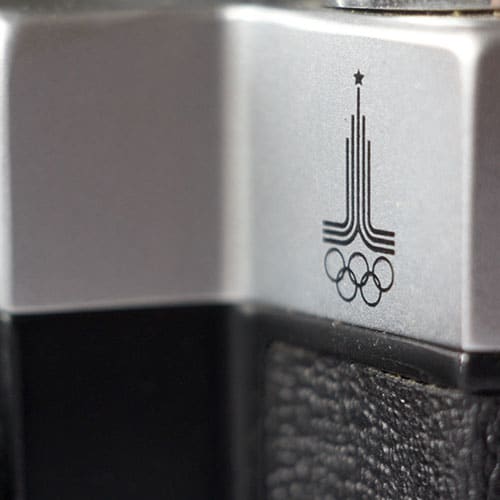
The camera inherited from its predecessor a solid metal body and a focal-plane shutter with rubberized fabric curtains. One very important innovation was the return mirror, which allows the image to remain visible in the viewfinder both after cocking the shutter and before it.
Another important innovation was the selenium exposure meter (light meter), which is why the camera carries the letter “E” in its name.
The light meter was not mechanically linked to the aperture or shutter; instead, the photographer had to calculate the correct exposure settings manually using the calculator located on the top plate.
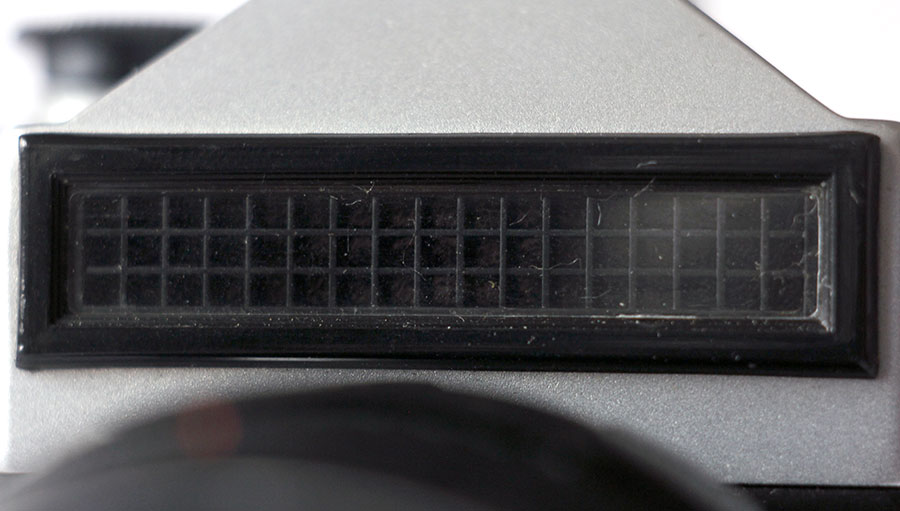
Zenit-E Mount and Lenses
The earliest Zenit cameras were designed with an M39 thread in order to simplify production, which led to a number of inconveniences for Soviet photographers.
By the mid-1960s, during the development of the Zenit-E, a decision was made to switch to the M42 mount, along with a range of other changes.
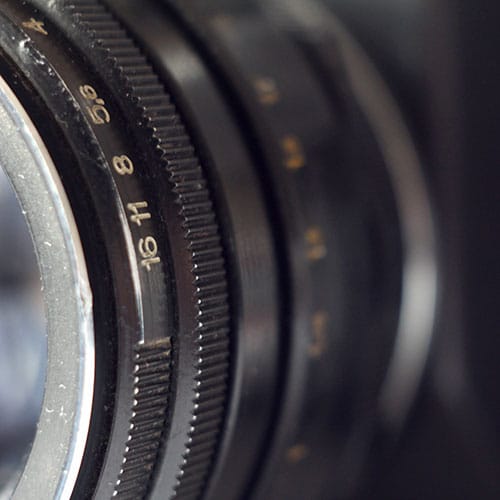
As standard lenses, the Zenit-E was typically supplied either with the Helios-44-2 58mm f/2 or the Industar-50-2 50mm f/3.5, and the specific kit configuration largely determined the camera’s price.
Both standard lenses were produced in enormous quantities and proved themselves well over many decades of production.
The Helios-44-2 is a truly legendary lens, known worldwide for its strong performance and its ability to produce an image that is both sharp and soft at the same time, with a cinematic character and distinctive swirling bokeh. It is very comfortable to use and well suited to almost any photographic task.
The Industar-50-2, while simpler in construction and more affordable, also occupies a solid place among interchangeable lenses for the Zenit-E.
Compared to the Helios lenses, the Industar produces a cleaner, somewhat sharper and drier image, with smoother background rendering and slightly different color reproduction and contrast. As interchangeable lenses for the Zenit-E, these two complement each other very well.
In addition to these two lenses, the Soviet photographic industry produced a wide range of other optics for the Zenit-E and the M42 mount.
One example is the excellent Jupiter-37a 135mm f/3.5, one of the best Soviet telephoto lenses, known for its high sharpness, beautiful background blur, strong sense of depth, and accurate color and contrast.
The situation with wide-angle lenses for the Zenit-E is also very good, as the Mir-1 of the second generation, a 37mm f/2.8 lens, was produced for this mount.
While it can be slightly soft at its widest aperture, when stopped down to f/4 or especially f/5.6 it becomes impressively sharp, while retaining a distinctly cinematic rendering.
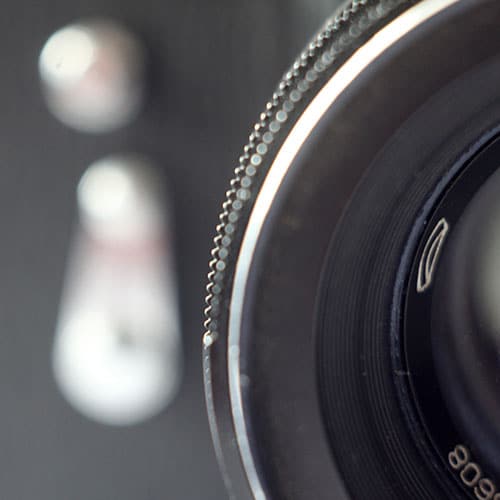
Zenit-E Shutter
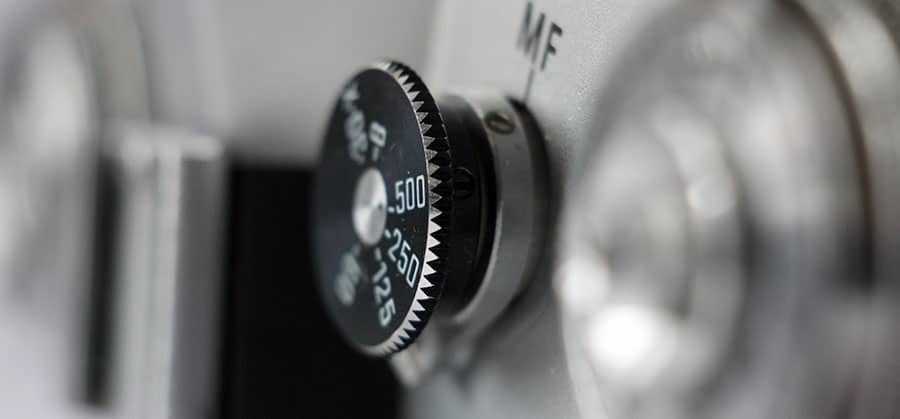
The shutter is exactly the same as in the previous cameras and offers shutter speeds of 1/30, 1/60, 1/125, 1/250, 1/500, and B.
The very same shutter was used not only in Zenit cameras, but also in Zorki and FED cameras. As you may already know, this shutter was inherited from the very first FED and Zorki models, which were clones of the Leica II.
Like virtually all cameras built around Leica-derived technology, this shutter used horizontally traveling fabric curtains.
On the one hand, this simplified and reduced the cost of production, but on the other, it introduced a number of limitations.
For example, fabric curtains could dry out over time, crack, and begin to leak light. In addition, it is difficult to implement both very long exposures and very fast speeds such as 1/1000 second with this type of shutter, although there were successful examples in the Soviet Union, such as the Zorki-4 and Zorki-4K rangefinders and the Start SLR camera.
However, a major advantage of this type of shutter is that, with a basic understanding of its operation, even an inexperienced user can partially lubricate it without fully disassembling the camera.
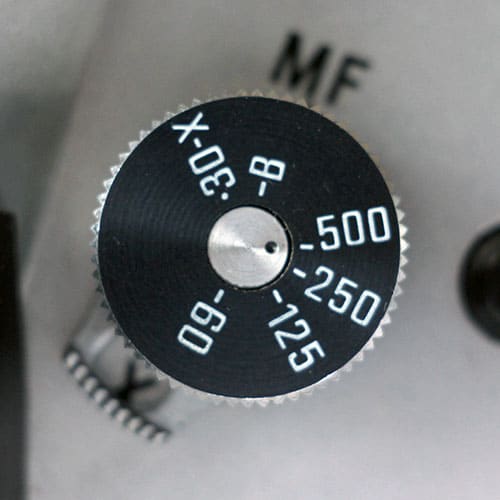
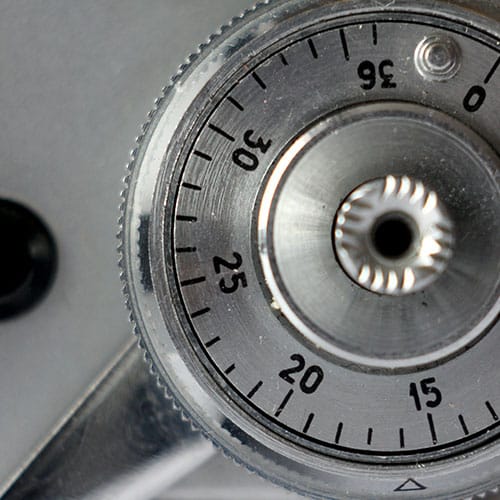
Camera Controls and Usability
But of course, we must not forget that this is the Soviet Union, and this means that despite the aforementioned improvements, the camera was full of flaws and simplifications.
For example, the viewfinder showed only about 65% of the final frame. No SLR cameras produced outside the USSR at that time had such a limitation.
In Soviet photographic circles of that time, it was often said that this limitation was due to the design features of the shutter inherited from Leica-based cameras.
However, it is worth noting that several years before the production of the Zenit-E, the KMZ factory itself had already produced a camera with the same type of shutter that not only covered almost 100% of the frame, but also featured a removable pentaprism.
However, despite the fact that only about 65% of the final frame is visible in the viewfinder, the viewfinder itself is very clean and bright.
The focusing screen has a fine, pleasant grain, which allows for fairly comfortable focusing even without a split-image rangefinder or microprism.
In addition, the camera had a limited set of shutter speeds. The shutter curtains could freeze and slow down even in mild frost.
The selenium exposure meter was not directly linked to the camera’s controls, offered limited accuracy, and was truly reliable only in good lighting conditions.
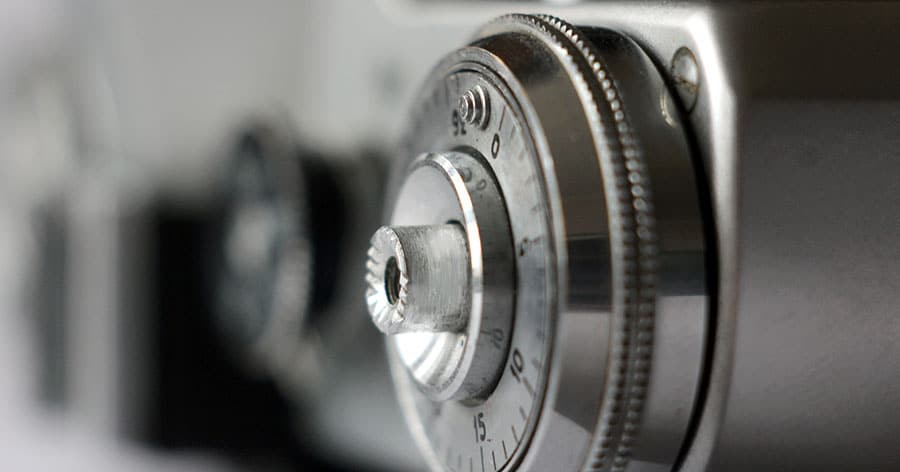
The frame counter, like many other mechanisms, was directly inherited from the earliest Leica cameras and was already considered outdated by that time. Unlike cameras produced outside the USSR, the Zenit-E required the user to manually reset the counter to zero.
The camera also featured a simple film rewind knob, which was not much different from the mechanism used in the earliest FED and Zorki cameras.
This solution was clearly less convenient than the film rewind cranks commonly found on contemporary German and Japanese cameras.
Conclusion
The Zenit-E is the most mass-produced SLR camera ever made, and despite its obvious shortcomings, it remains a very capable camera.
Its popularity – and even legendary status – is well deserved, as it sits right at the intersection of all the essential features a photographer needs, without being overloaded with unnecessary ones.
The camera is fully mechanical and completely independent of batteries or electricity, offers a modest but entirely sufficient range of shutter speeds for most types of photography, uses a very practical threaded mount, and has access to a vast lineup of excellent lenses.
All of this, combined with one of the lowest prices among SLR cameras of this class, makes the Zenit-E a strong choice for both beginner photographers and more experienced users.
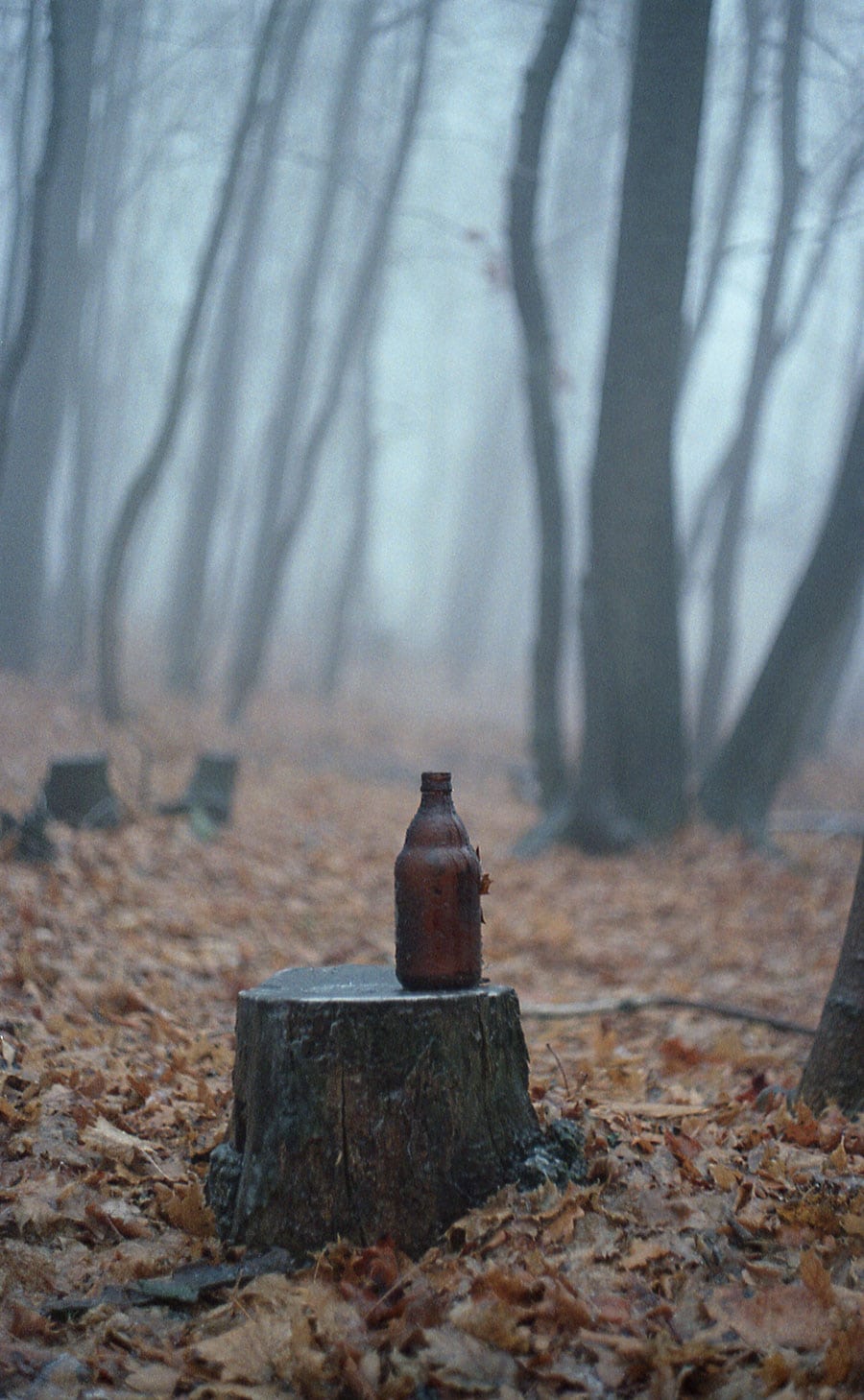
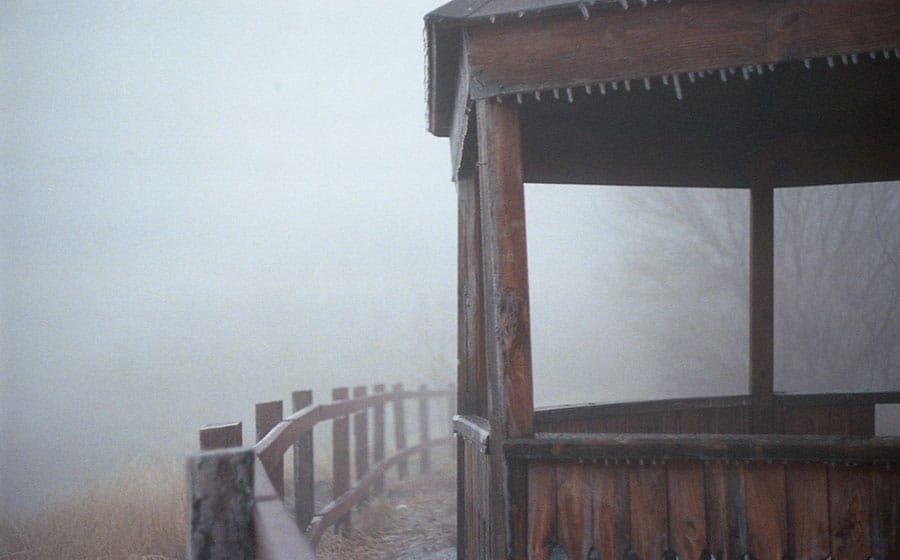
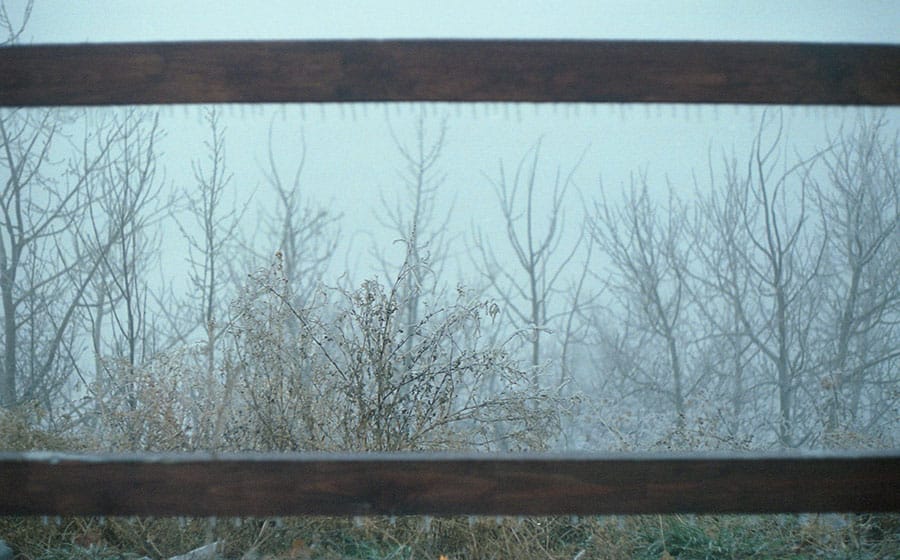
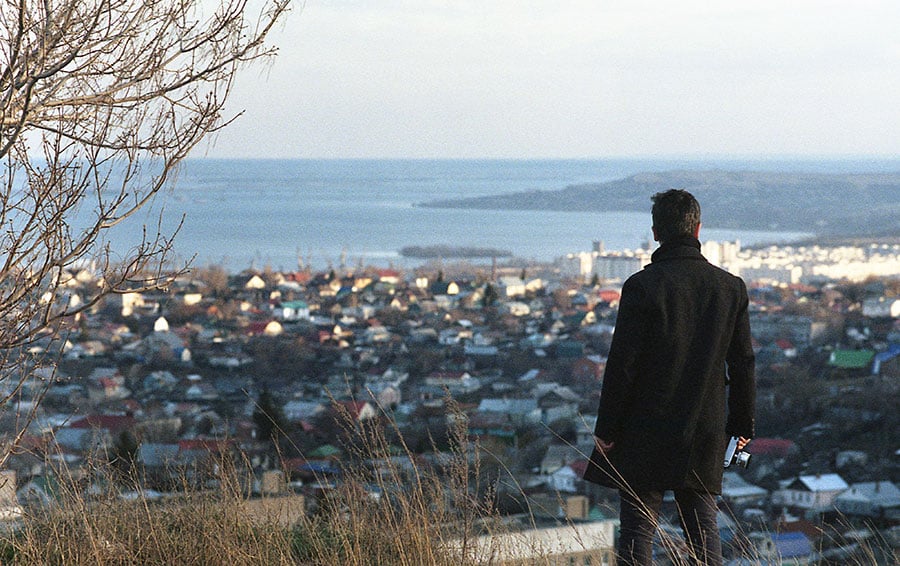
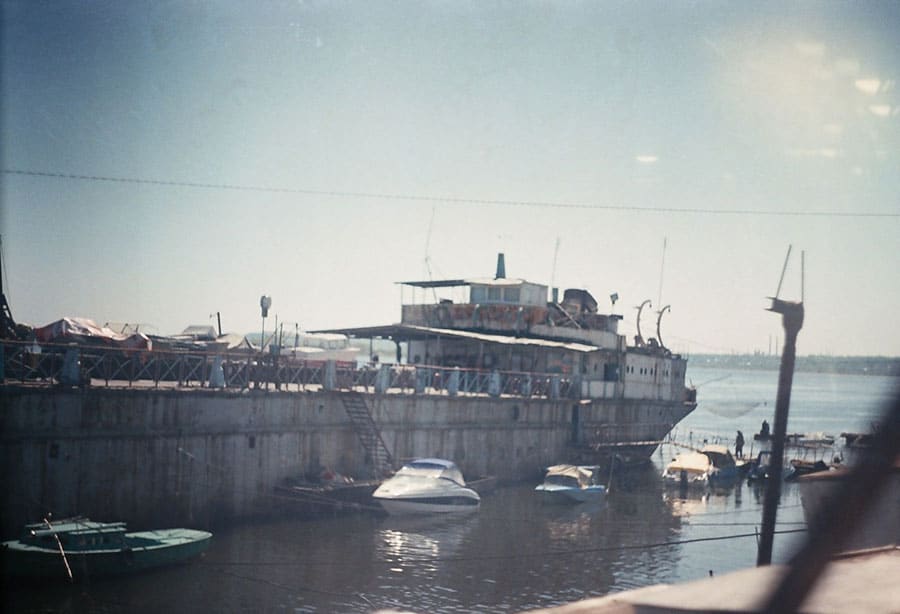
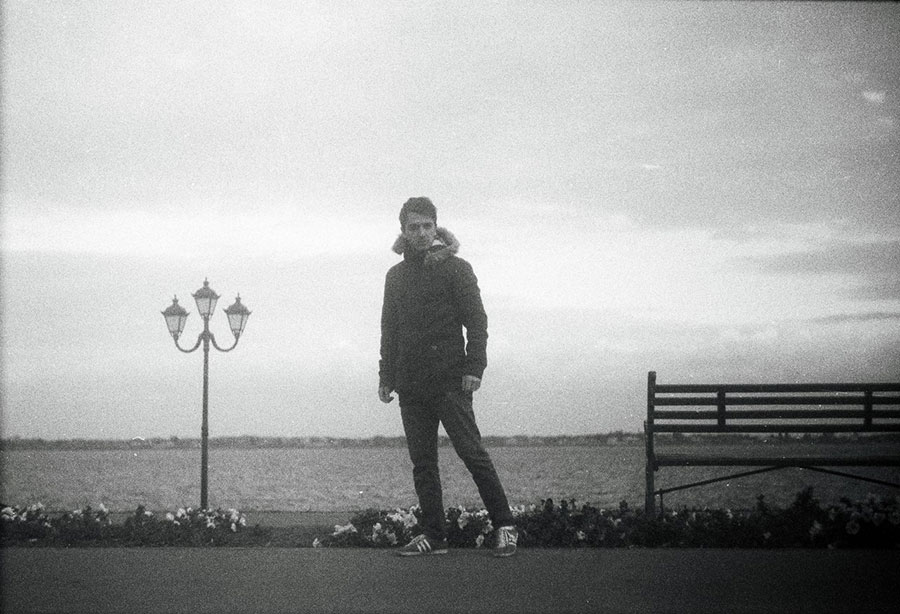
ZENIT-E Sample PHOTOS
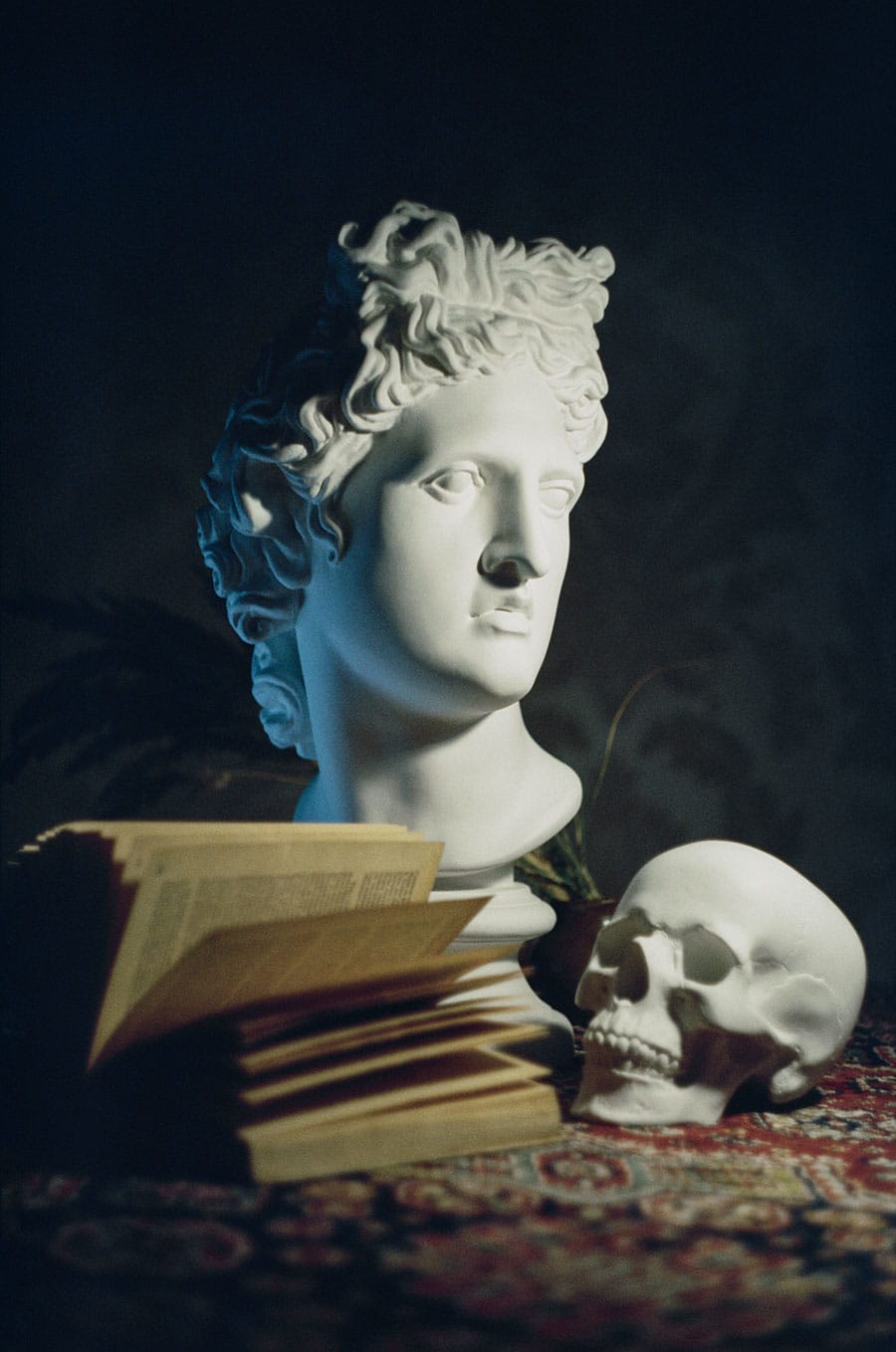

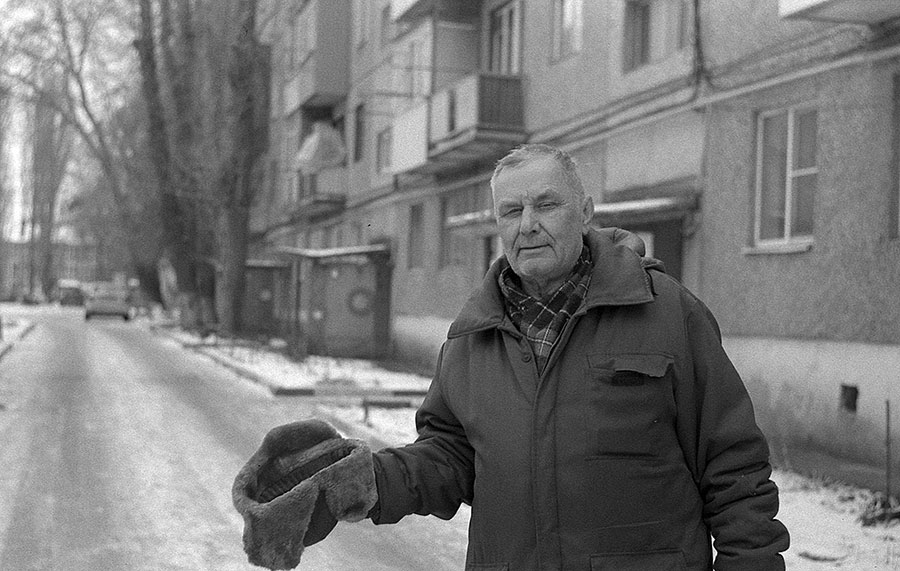
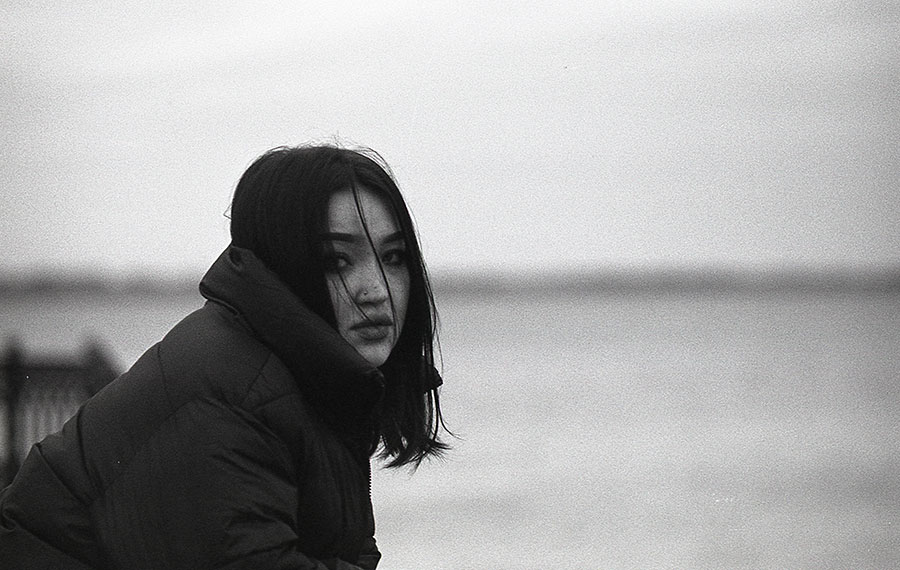
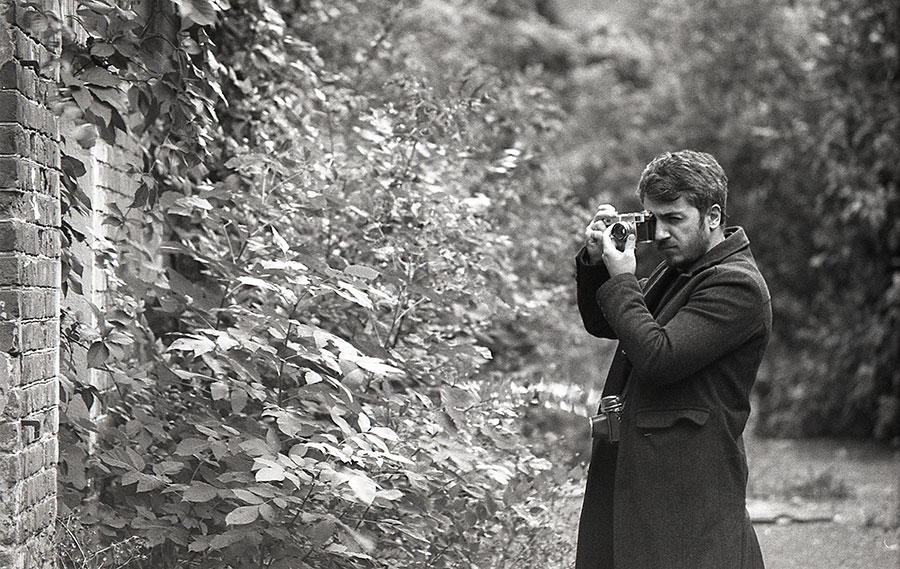
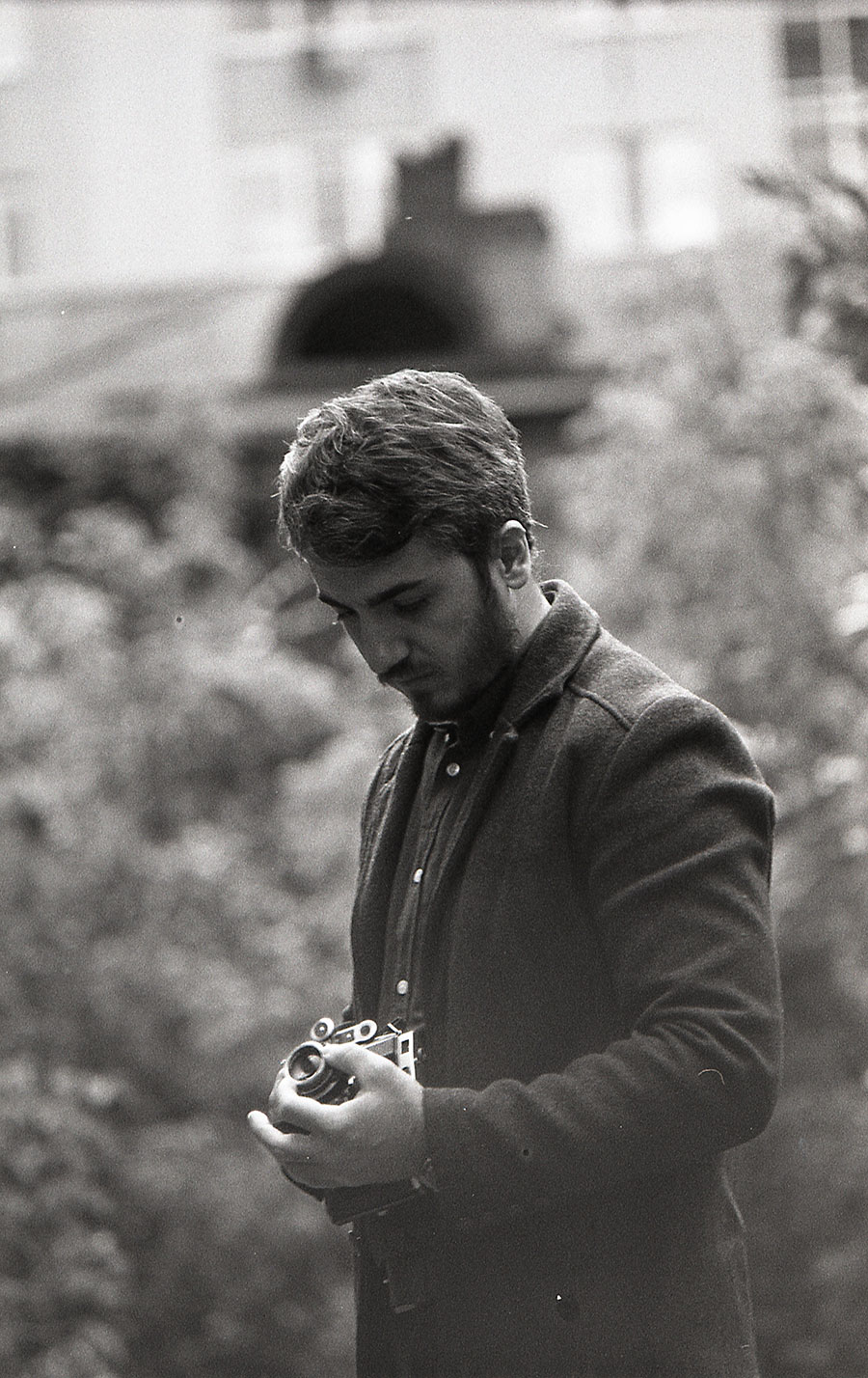
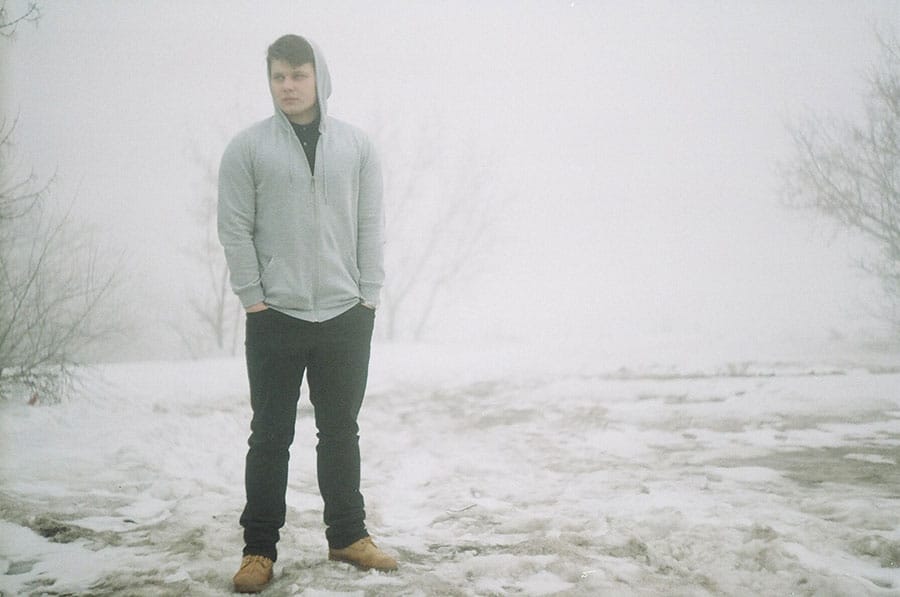






Really enjoyed this, thank you for the detailed info as I just picked up one of these. May I ask who the photographer was for the latter set of examples with the Helios 44 lens? I think those portraits look great.
Many thanks. The photographer is Stephan Aivazian, the owner of this website.