Lubitel-166u
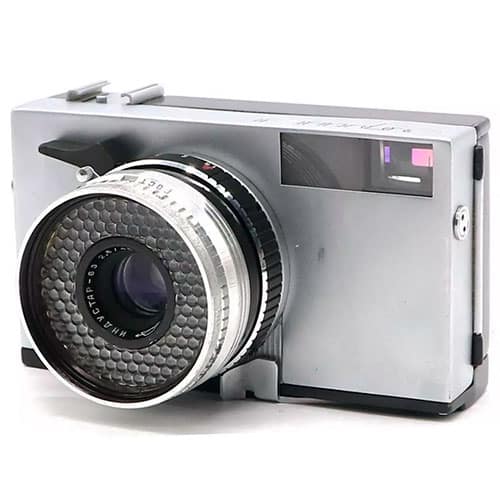
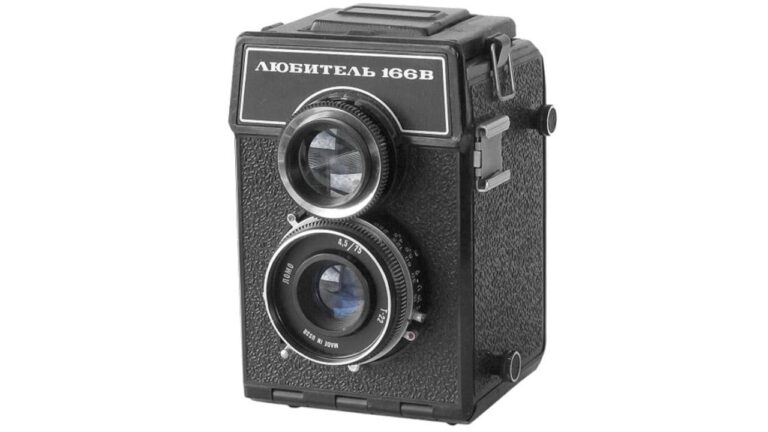
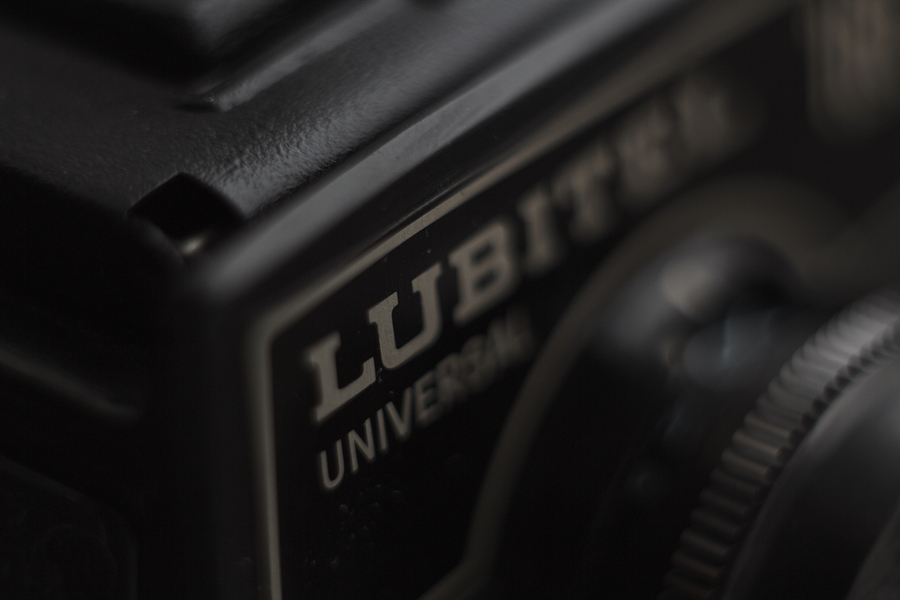
Lubitel-166u or Lubitel-166 Universal is a Soviet medium format twin lens reflex camera that was designed based on the Lubitel-166b camera.
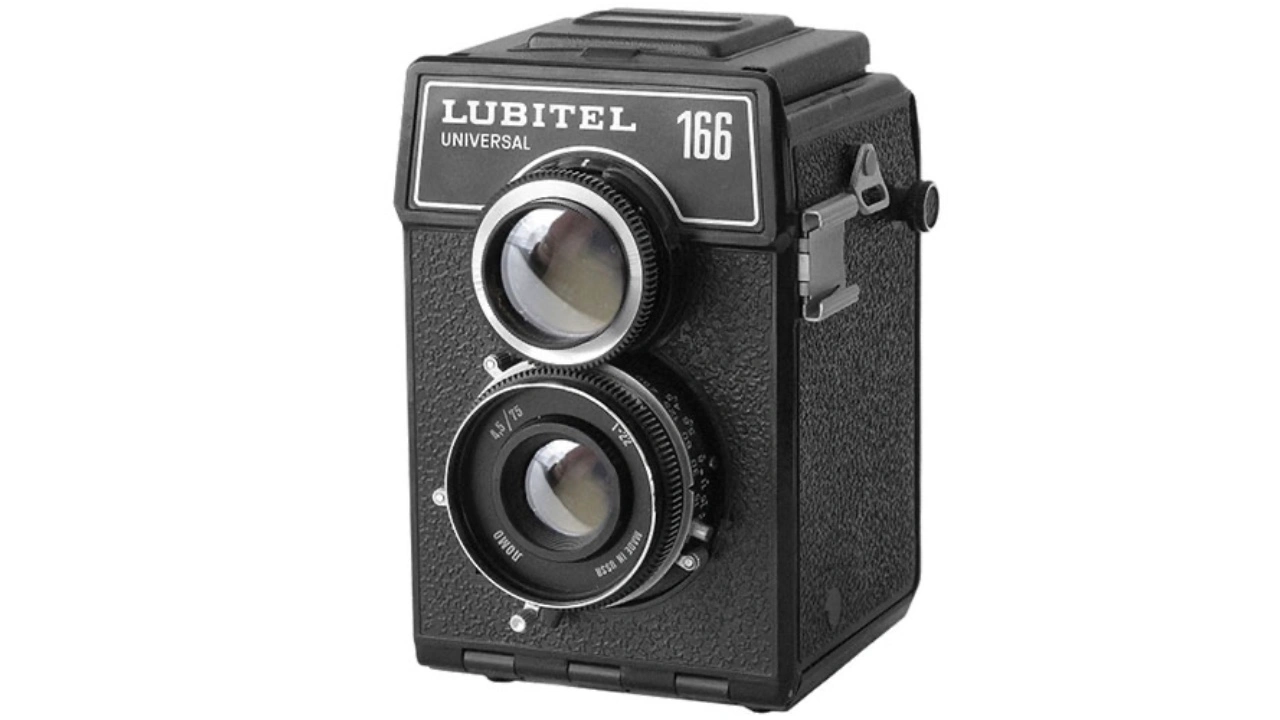
In fact, this is practically the same Lubitel-166b, but with a few minor innovations. The main innovation in Lubitel-166u is the ability to shoot not only in 6×6 format but also in 6×4.5 format (precisely because of this possibility, this camera is called the Universal).
Lubitel-166U Specifications
- Type: 120 film TLR camera
- Manufacturer: LOMO plant
- Production period: 1983 – 1996
- Format: 6×6 cm or 6×4.5 cm on 120 film
- Lens mount: fixed lens
- Taking lens: T-22 f/4.5 75 mm
- Viewing lens: f/2.8 75 mm
- Shutter: leaf shutter with speeds from 1/15 to 1/250 sec.
- Viewfinder: waist-level finder
- Light meter: none
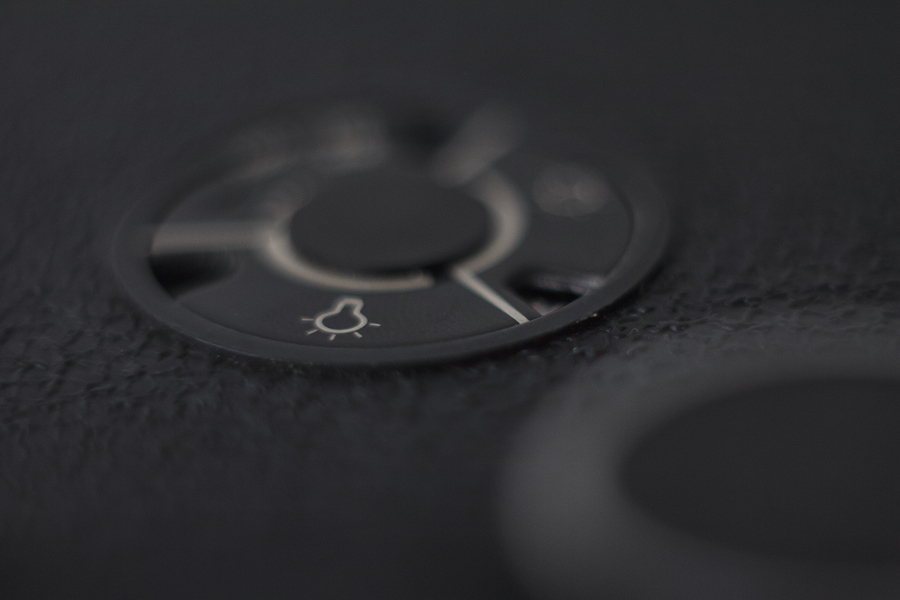
- Flash synchronization: sync socket “X”
- Self-timer: mechanical
- Weight: 608 grams
Lubitel-166U Overview
As mentioned earlier, the Soviet industry was not very fond of changes and innovations and, from year to year, used the same technical solutions in most of its products.
The Lubitel camera family is no exception. Since the very first model, only minor changes were introduced in later versions, and the cameras produced in the 1990s practically did not differ from those made in the 1950s.
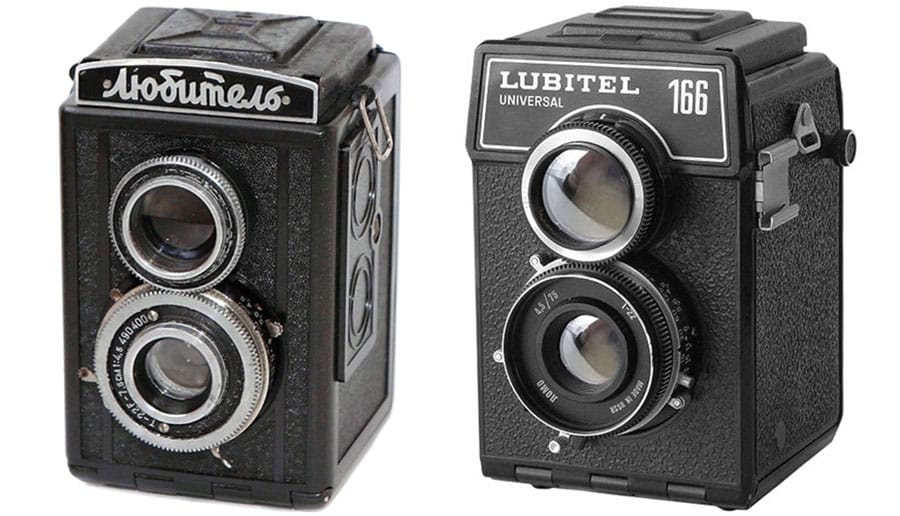
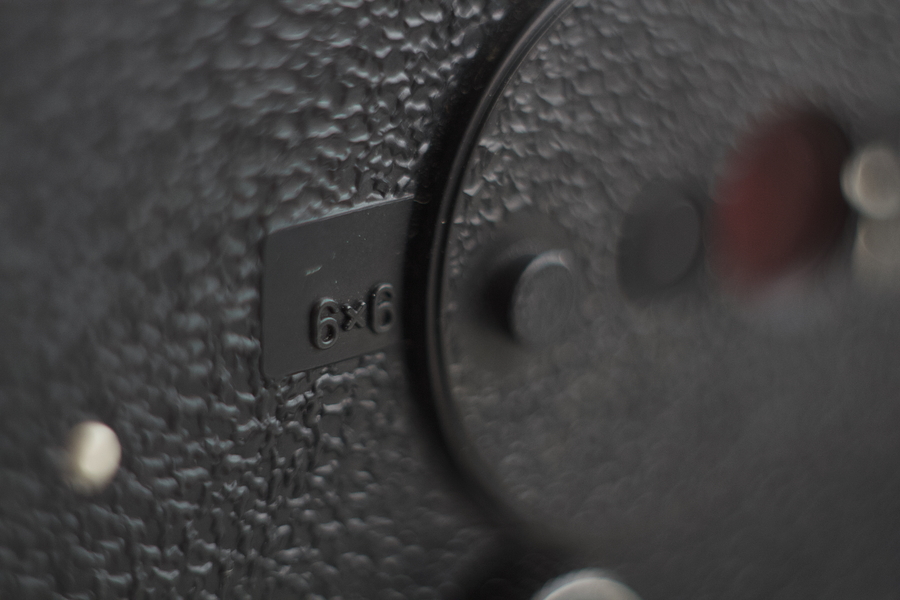
But of course, there were some changes, albeit small ones. For example, with the Lubitel-166 Universal camera, it was possible to take pictures not only in the 6×6 format but also in the 6×4.5 format. For this purpose, a special insert was included with the camera.
But basically, in the Lubitel-166U everything remained almost the same as in the very first Lubitel cameras. The camera body was also made of plastic, although of sufficiently high quality (especially by Soviet standards).
Since the Lubitel-166U is a medium format camera, it uses standard 120 film, which is still actively sold, especially online.
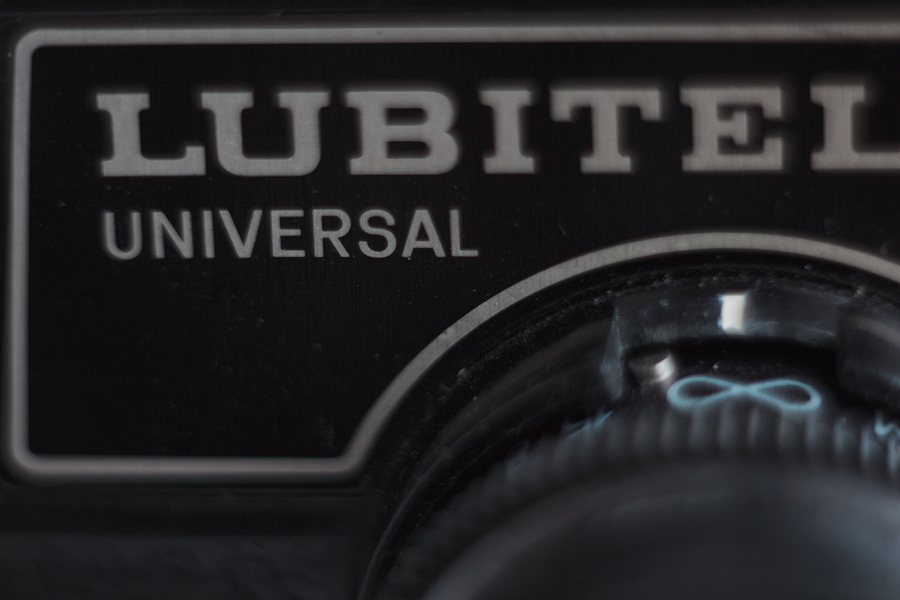
In our view, the Lubitel-166U is one of the most successful representatives of this family of Soviet medium format cameras.
In this model, the LOMO plant managed to combine many of the effective solutions used in earlier versions while discarding some of the less successful design choices.
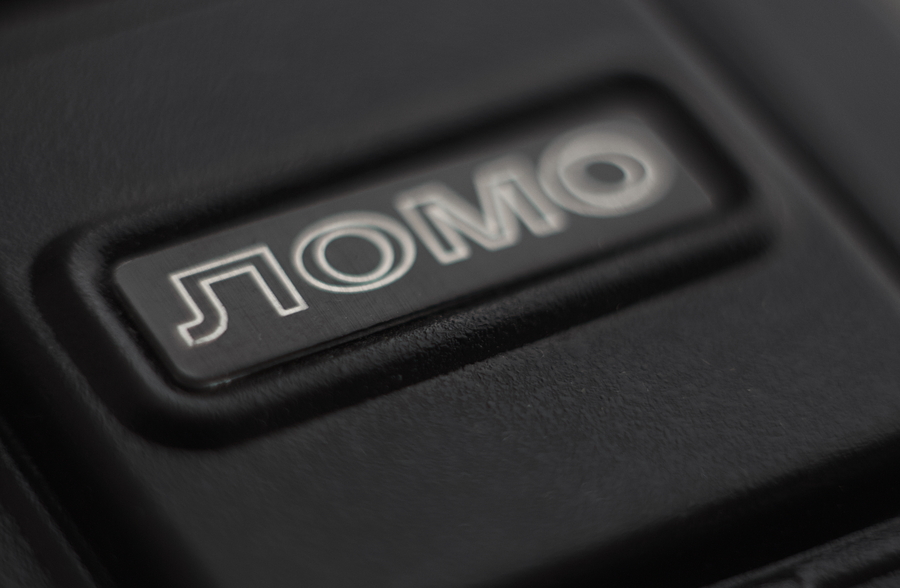
Below, we take a detailed look at the camera’s features and details, and at the end explain why we consider the Lubitel-166U to be the best camera in its series.
Lubitel-166U Lens
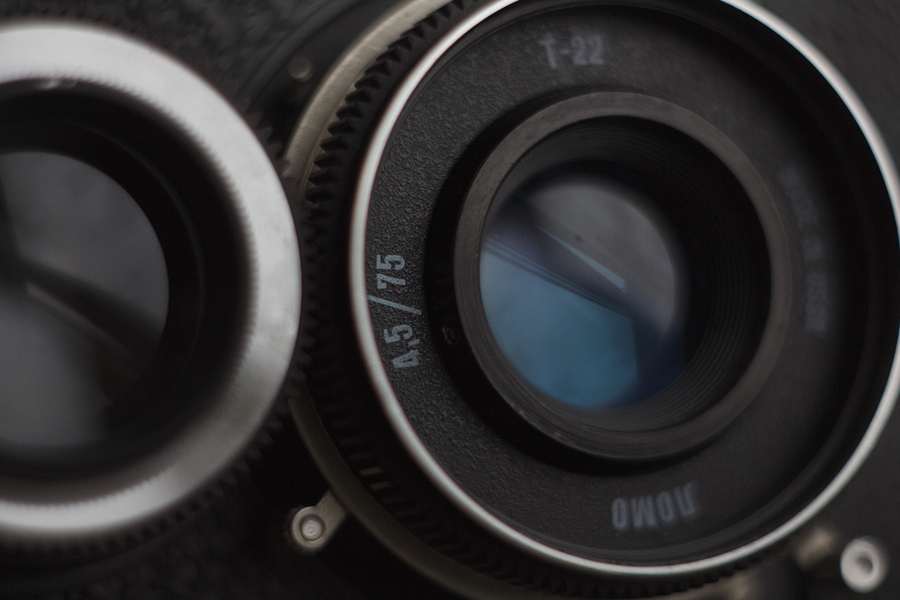
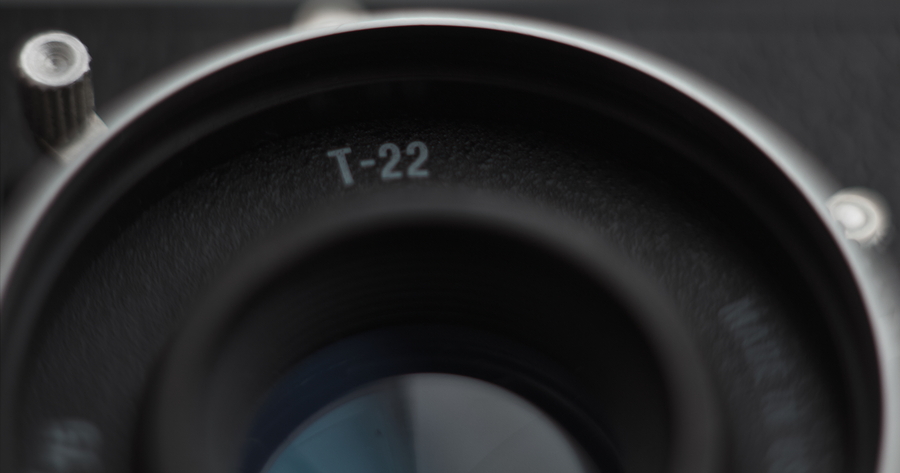
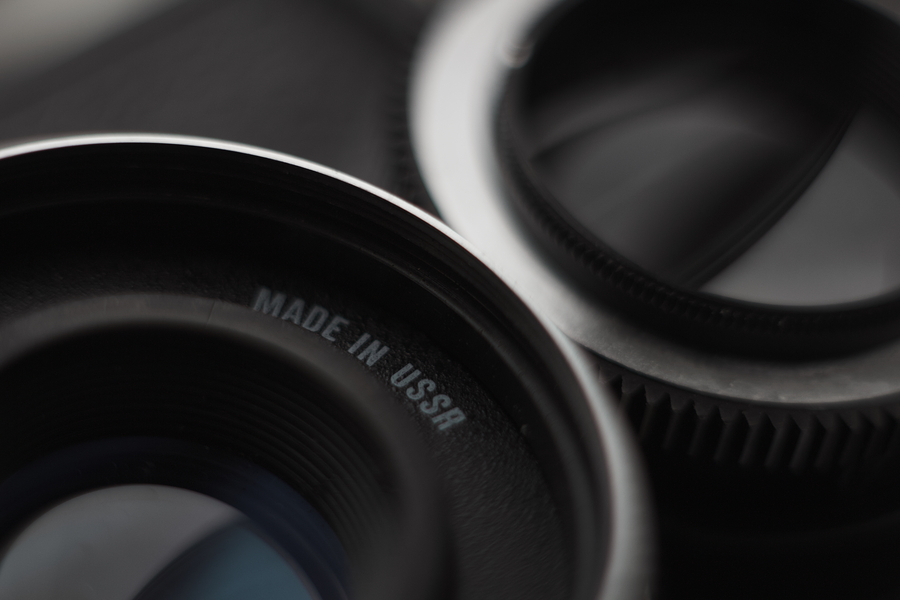
The Lubitel-166U is equipped with a fixed taking lens T-22 4.5/75, a coated triplet design. This lens construction remained largely unchanged throughout the entire Lubitel series and was already used in earlier models.
The focal length of 75 mm corresponds to a standard field of view for the 6×6 and 6×4.5 formats.
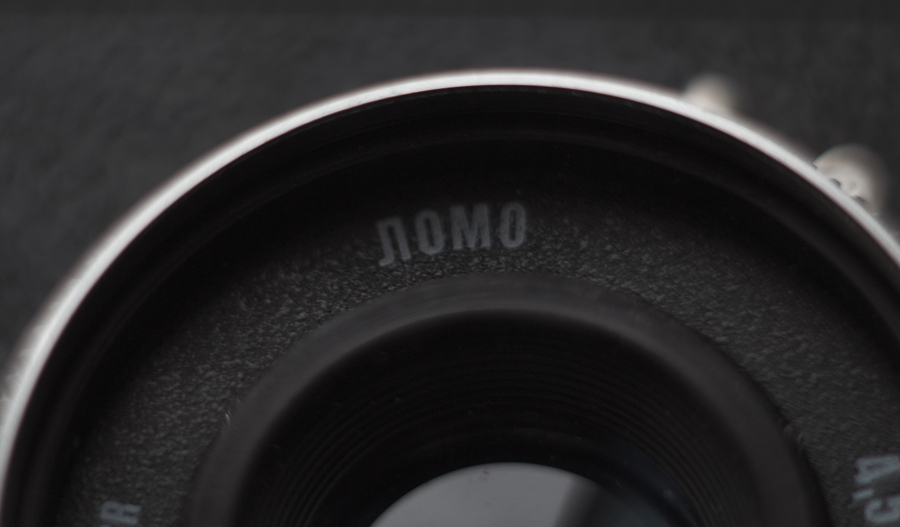
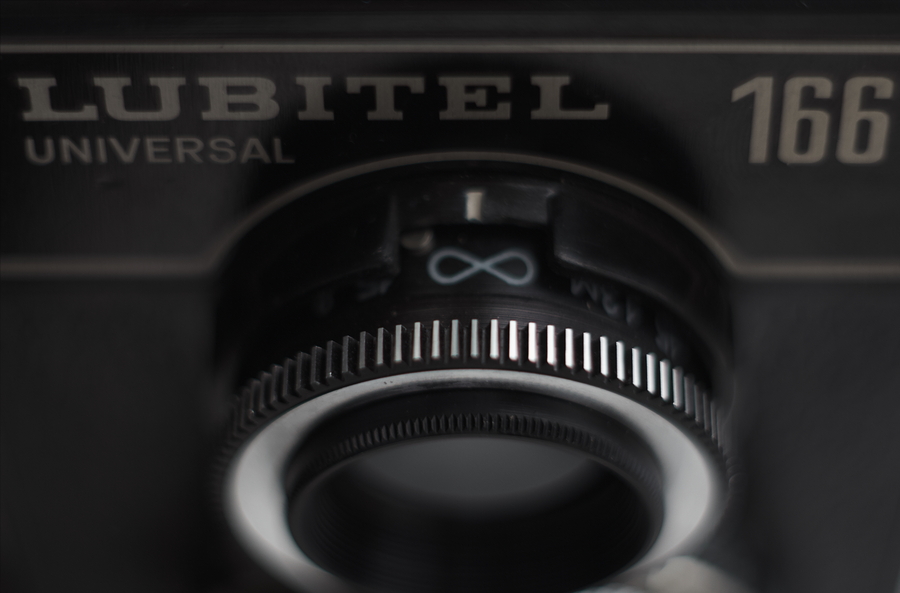
The aperture range of the T-22 lens runs from f/4.5 to f/22. Aperture and shutter speed are set manually using separate control rings located around the lens. The shutter is a leaf shutter placed between the lens elements.
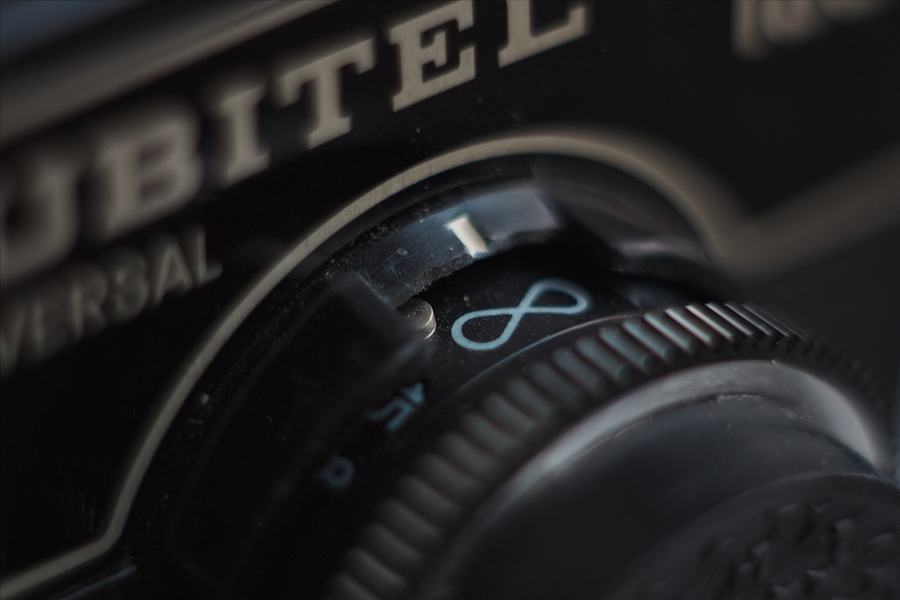
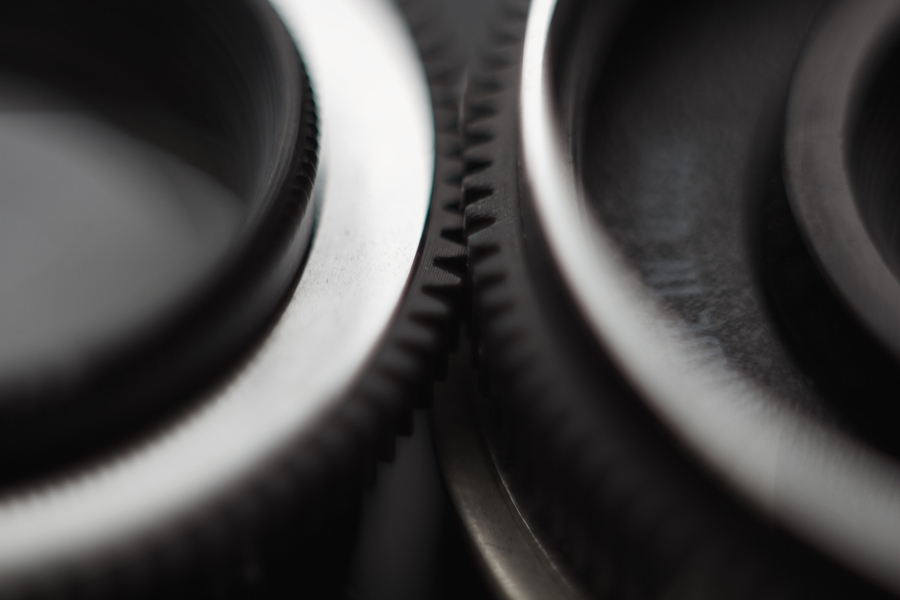
Focusing is performed by rotating the lens unit. The taking lens is mechanically linked to the viewing lens through a gear mechanism, so both lenses focus simultaneously.
The minimum focusing distance is approximately 1.3 meters, which limits close-up work and makes the camera unsuitable for macro photography without additional accessories.
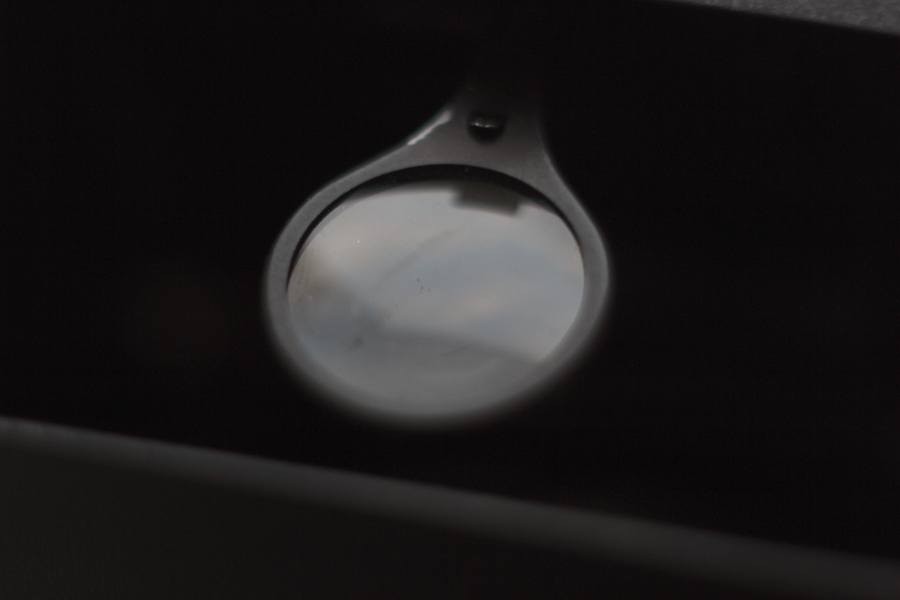
Like most Lubitel cameras, the lens was not intended to be interchangeable. This fixed-lens approach reduced production complexity and cost but also limited system flexibility.
As a result, the photographic character of the Lubitel-166U is largely defined by the optical and mechanical properties of the T-22 lens.
Lubitel-166U Shutter
The Lubitel-166U is fitted with a mechanical leaf shutter positioned between the lens elements. This type of shutter was commonly used in Soviet medium format cameras and remained largely unchanged across several generations of the Lubitel series.
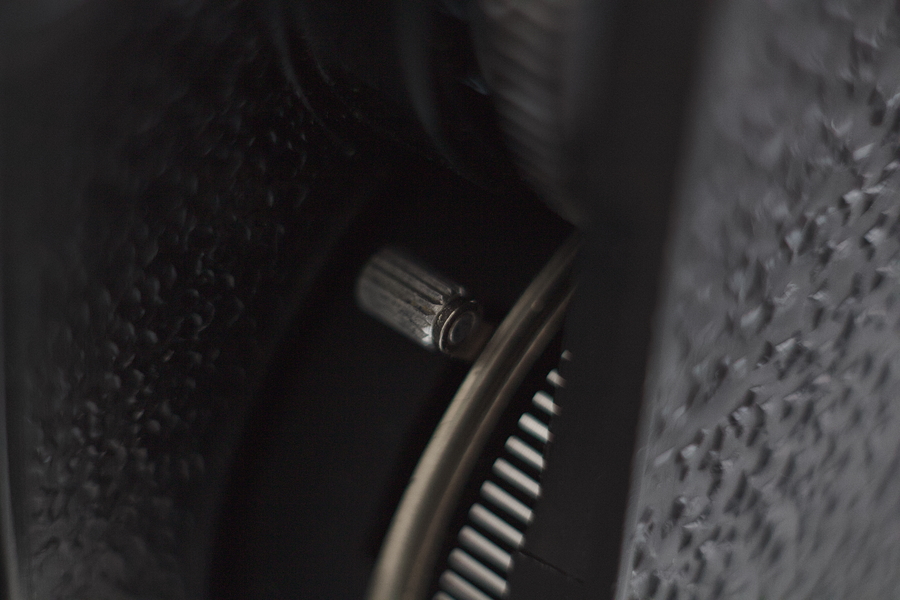
The shutter operates independently from film winding. After advancing the film using the winding knob on the right side of the camera, the shutter must be cocked separately.
The available shutter speeds are 1/15, 1/30, 1/60, 1/125, and 1/250 seconds, along with the “B” (Bulb) setting. All shutter speeds are set manually using a control ring located around the taking lens.
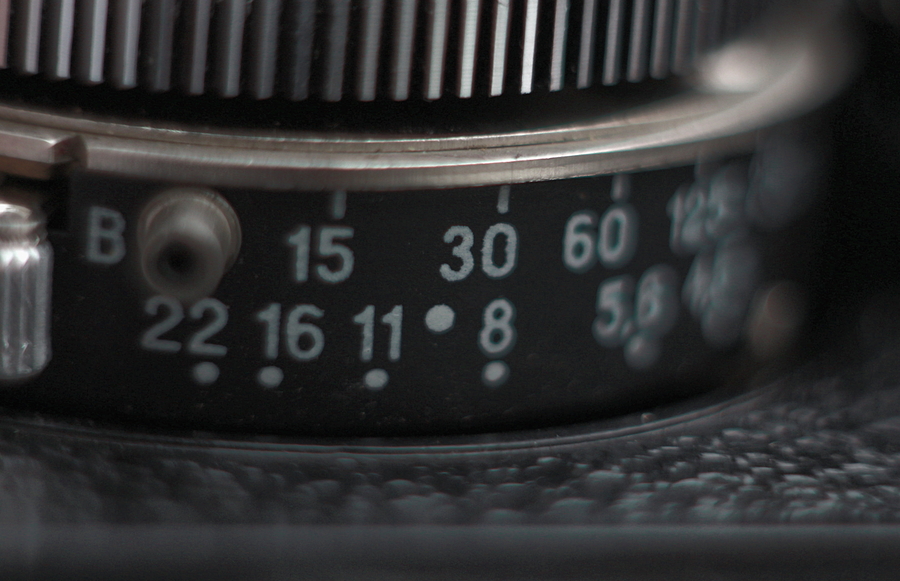
Flash synchronization is supported at all shutter speeds due to the leaf shutter design. The camera is equipped with an X-sync cable socket, and on some units an additional central sync contact is present. This allows the use of electronic flash without shutter speed limitations.
Like most fully mechanical shutters of this type, long-term accuracy depends heavily on the condition of the mechanism.
Aging lubricants and wear can affect timing precision, especially at slower speeds. As a result, shutter performance may vary between individual cameras depending on maintenance history and storage conditions.
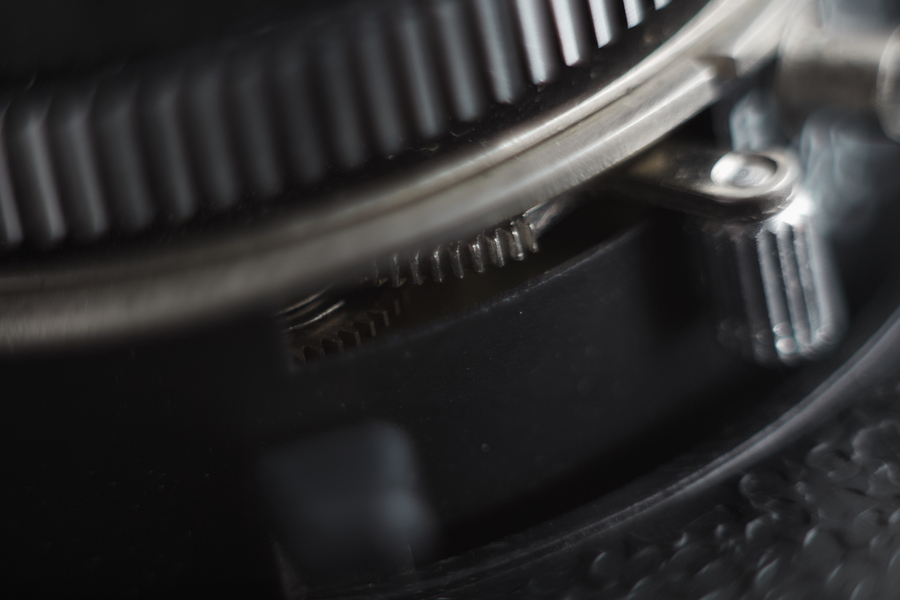
Camera Body and Controls
The Lubitel-166U has a plastic body, a design choice that remained typical for the Lubitel series for decades.
Despite the use of plastic, the body is relatively rigid and lightweight for a medium format TLR camera. Metal parts are used where mechanical strength is required, including internal mechanisms, lens mounts, and elements of the viewfinder assembly.
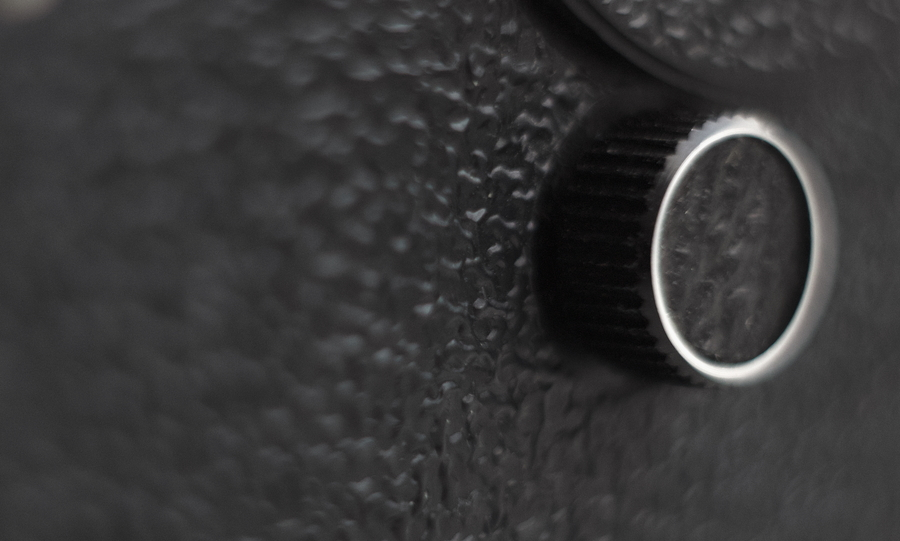
The camera follows a classic twin-lens reflex layout with a vertically oriented body. The viewing lens is positioned above the taking lens, and the camera is operated primarily at waist level.
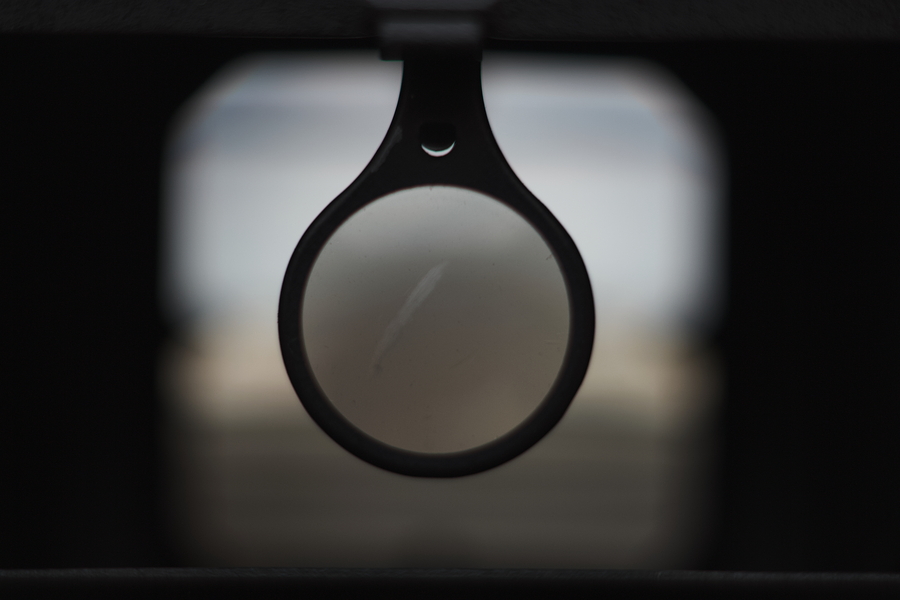
The folding waist-level finder opens upward and provides access to a focusing screen with a central matte area and a pop-up magnifier. The front panel of the finder can be opened, transforming it into a simple frame viewfinder for eye-level shooting.
Film loading is performed by opening the hinged rear and bottom panel. The camera uses 120 roll film and supports both 6×6 and 6×4.5 formats through the use of a removable frame insert.
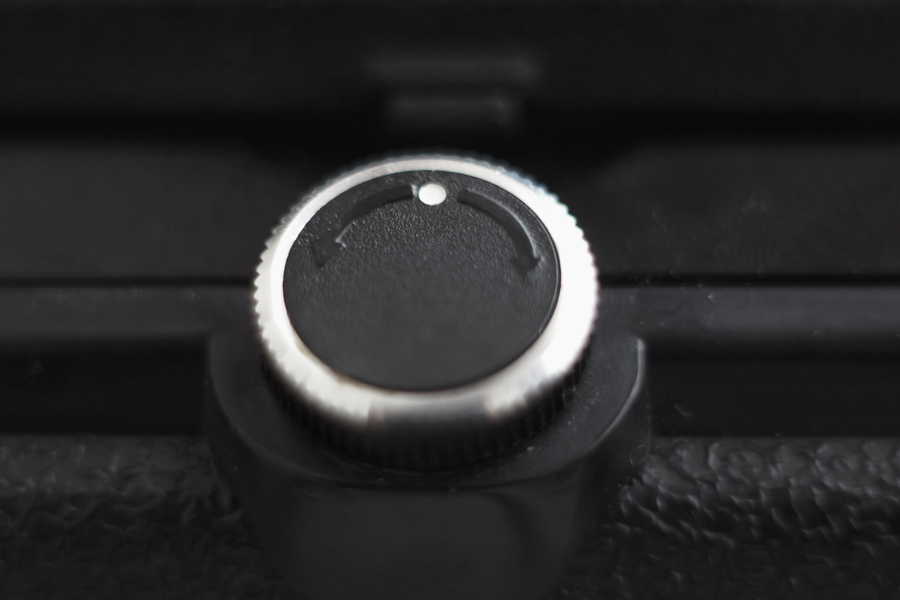
Frame spacing is controlled visually rather than mechanically. On the back panel, the Lubitel-166U features a rotating selector with red-filtered windows corresponding to different frame formats, allowing the photographer to monitor film advance using the markings on the backing paper.
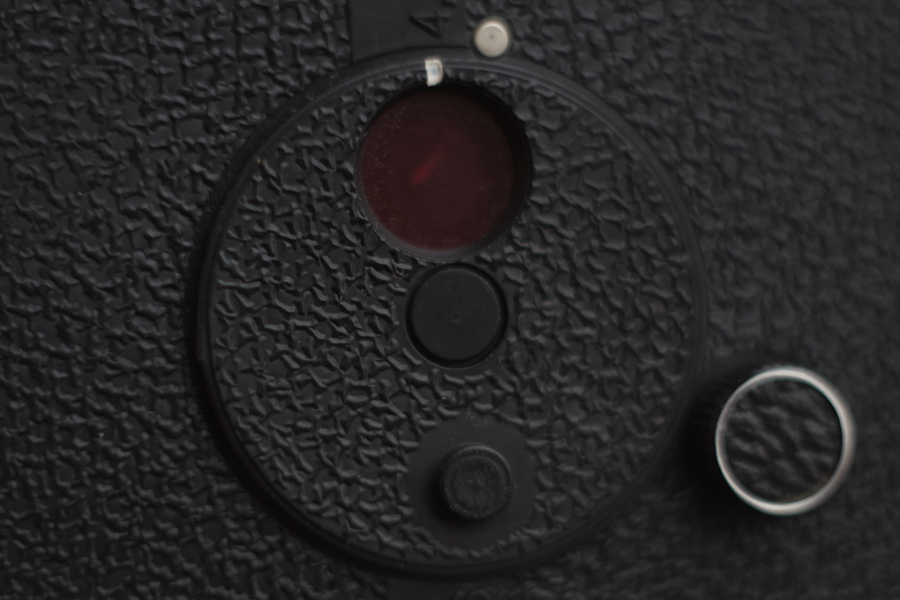
The film advance knob is located on the right side of the body and rotates in one direction only. There is no frame counter; the photographer must align the correct numbers manually during winding.
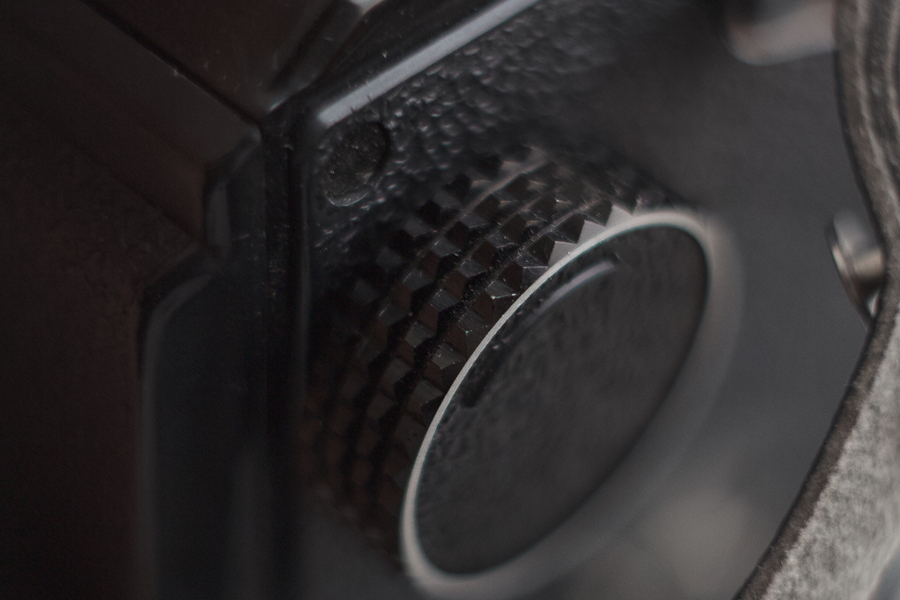
Additional external controls are minimal. The camera includes a mechanical self-timer, a tripod socket with a standard 1/4-inch thread, and strap lugs on the body.
Overall, the control layout is straightforward and utilitarian, with most operations performed manually and without automation.
Conclusion
As mentioned earlier, the Soviet industry was not particularly inclined toward innovation. In the photographic field, this was especially noticeable.
One of the most illustrative examples is the Lubitel camera line. Originally developed as a fairly close adaptation of the German Voigtländer Brillant, Lubitel eventually became one of the most widely used and well-known medium format cameras in the Soviet Union.
Over several decades of production, the design of various Lubitel models remained largely unchanged, with very few significant revisions.
In the Soviet Union, factories often attempted to produce high-quality equipment aimed at professional use, but these efforts were frequently constrained by the realities of the system.
Limited consumer purchasing power, the lack of a developed retail market, and constant state intervention in industrial processes inevitably influenced final products. As a result, many potentially interesting camera designs were either canceled or never put into production.
Despite these limitations, Lubitel cameras proved to be solid and practical tools. Even today, they remain a reasonable and accessible option for photographers who want to get started with medium format photography.
So what about the genuinely positive aspects of this camera?
Despite its technological simplicity and the overall primitive approach behind this twin-lens reflex design, it remains one of the most convincing examples of inexpensive yet genuinely interesting analog photographic equipment.
Among all Lubitel cameras, the 166U version effectively brings together, as mentioned earlier, the most successful design solutions that LOMO had developed in earlier models.
You will not find any complex or unreliable technical innovations here, but at the same time the camera provides the complete minimum set of tools required to produce solid photographs.
It is unpretentious, works reliably in almost any weather, supports two frame formats, and – importantly – often costs little more than a roll of film.
Most importantly, despite all these factors, the camera is capable of producing images with real character and visual appeal, largely thanks to its triplet lens design, which traces its optical roots back to the late 19th century.
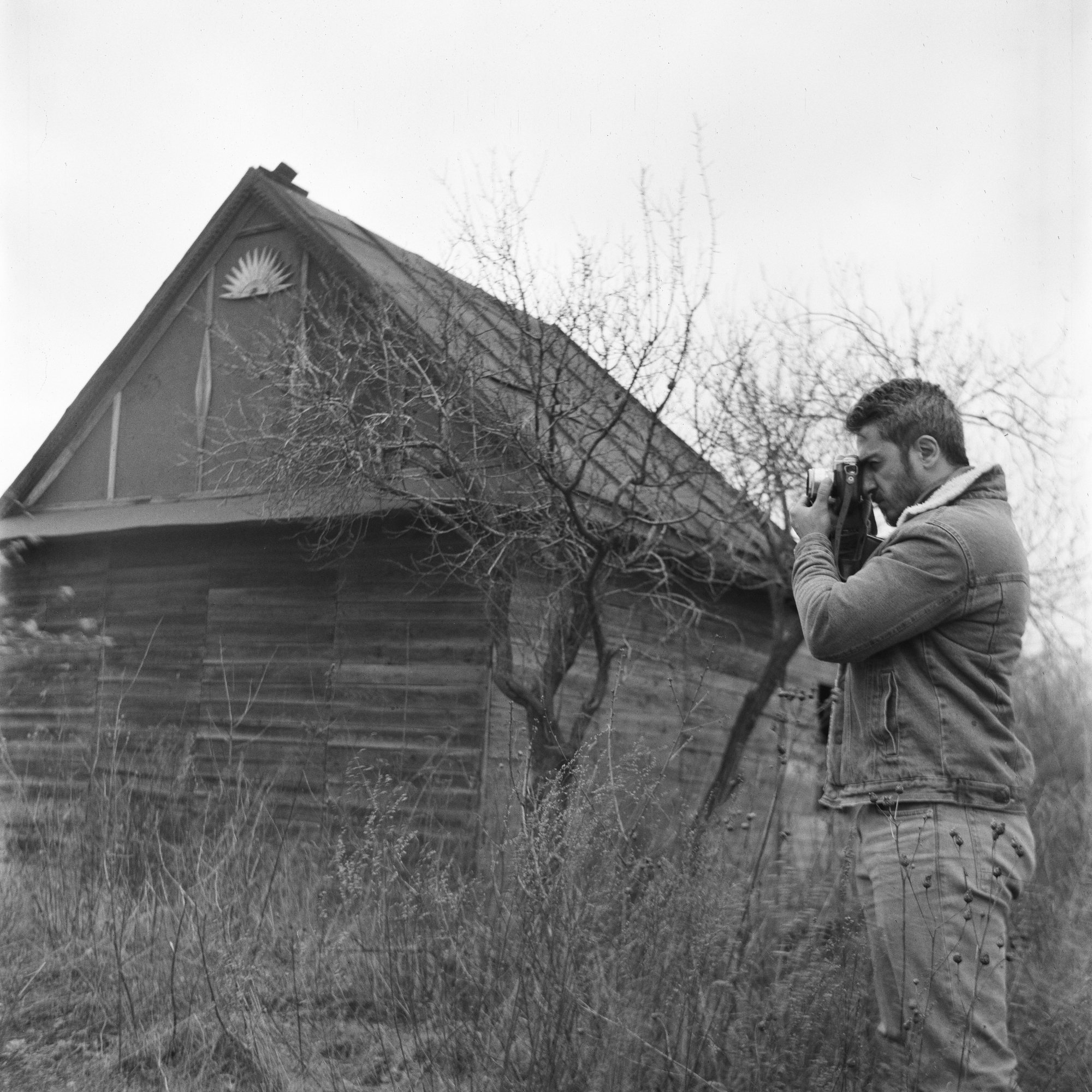
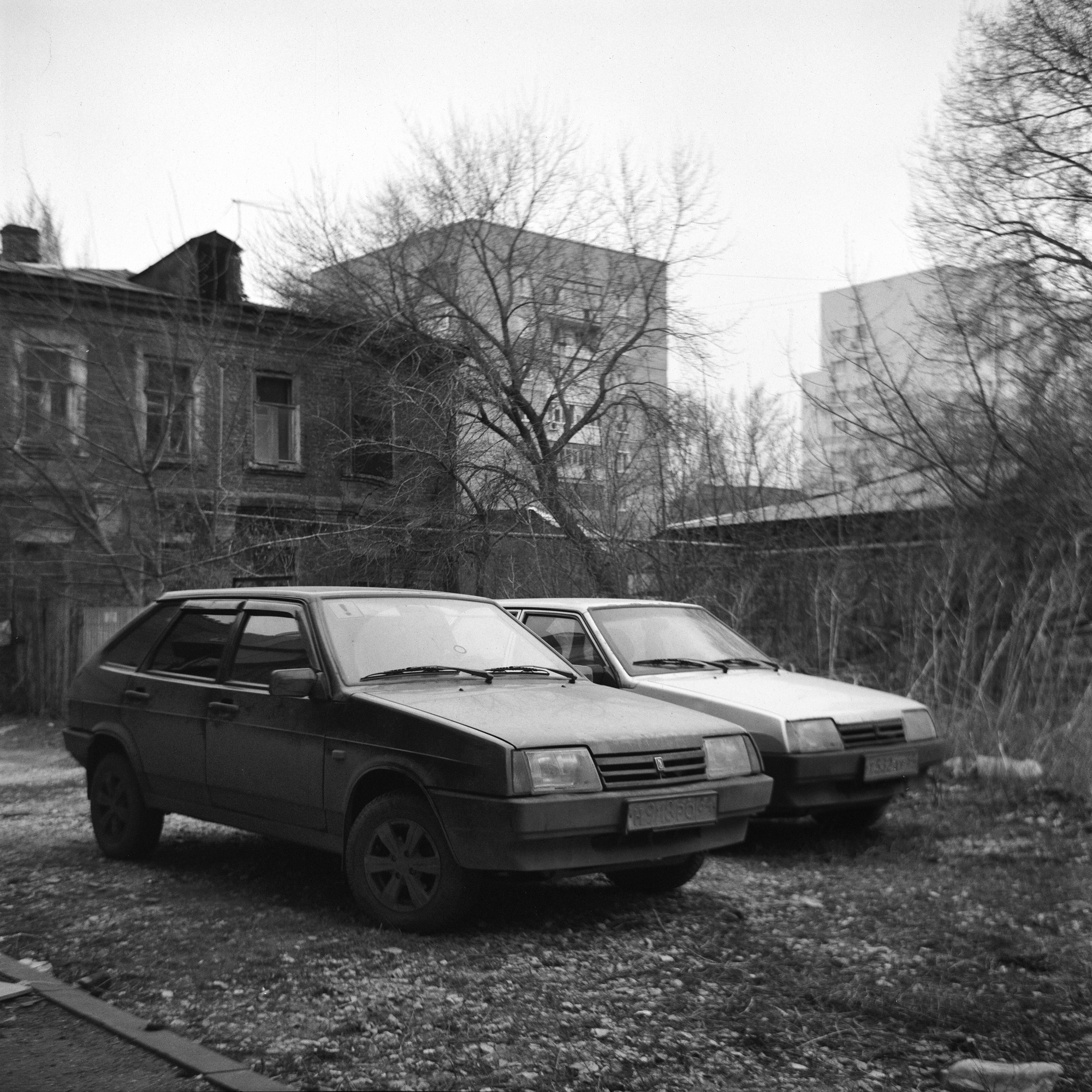
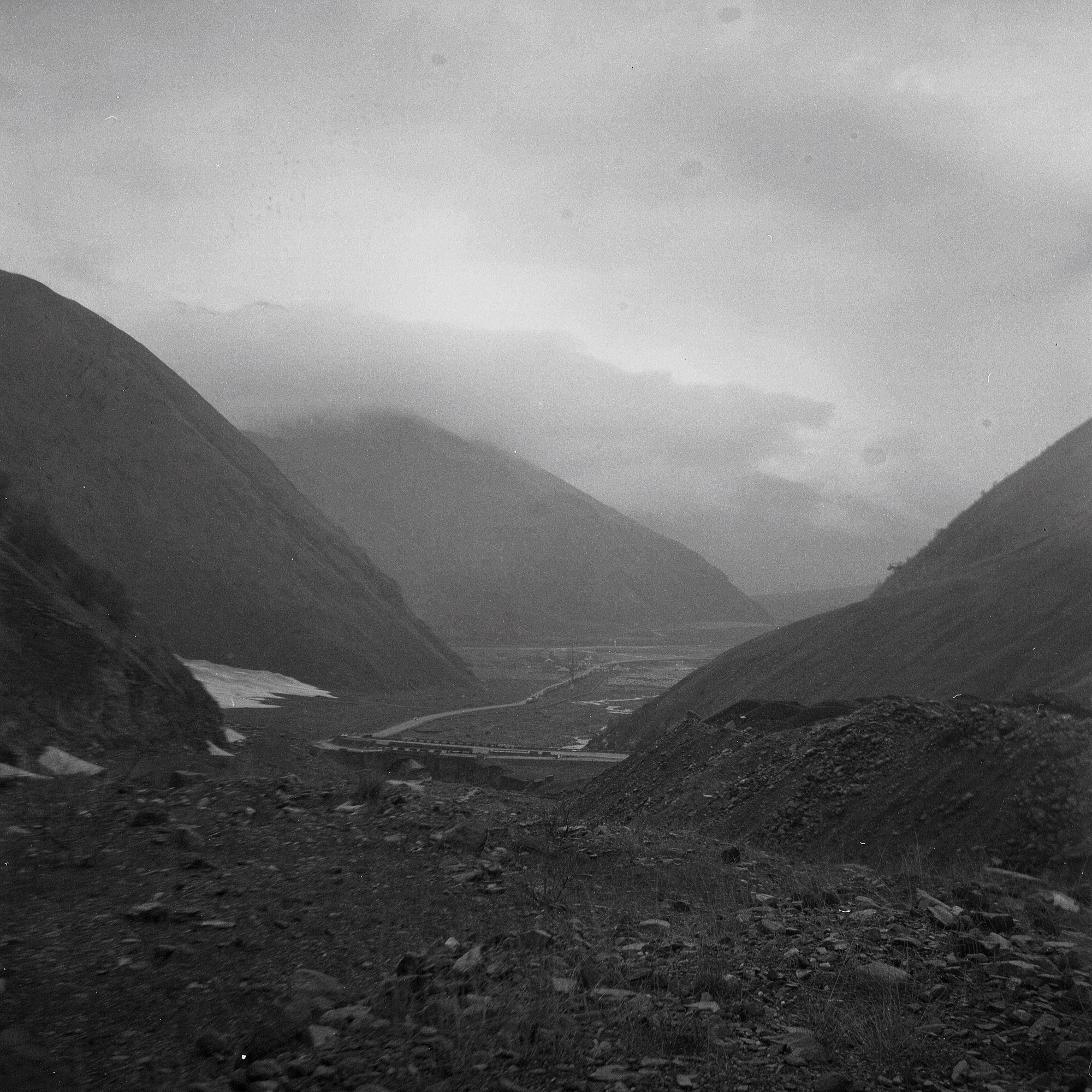
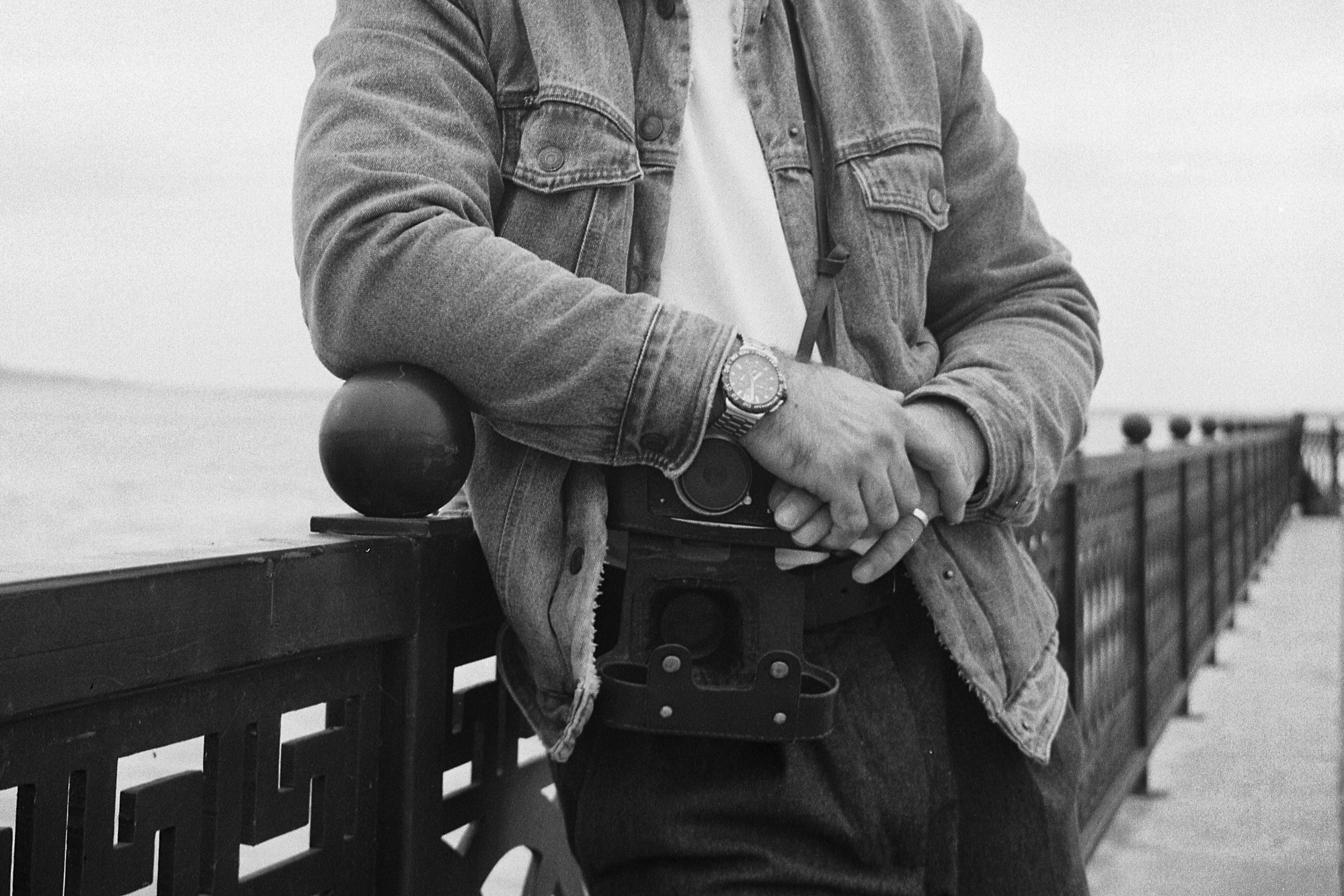
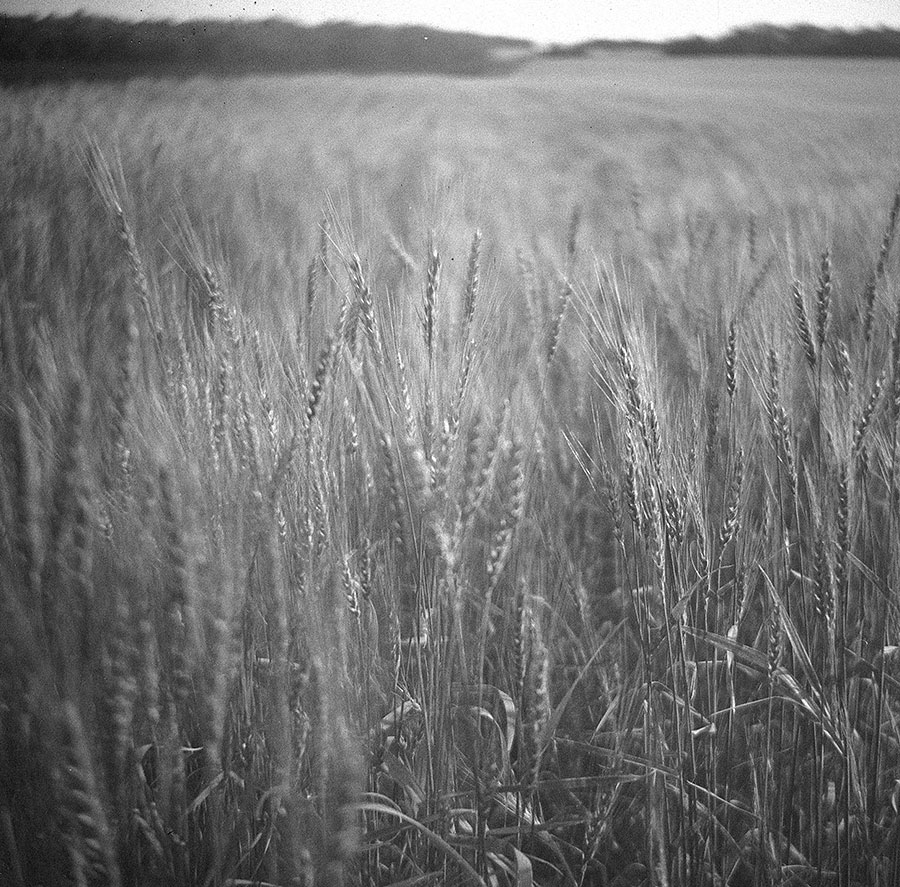
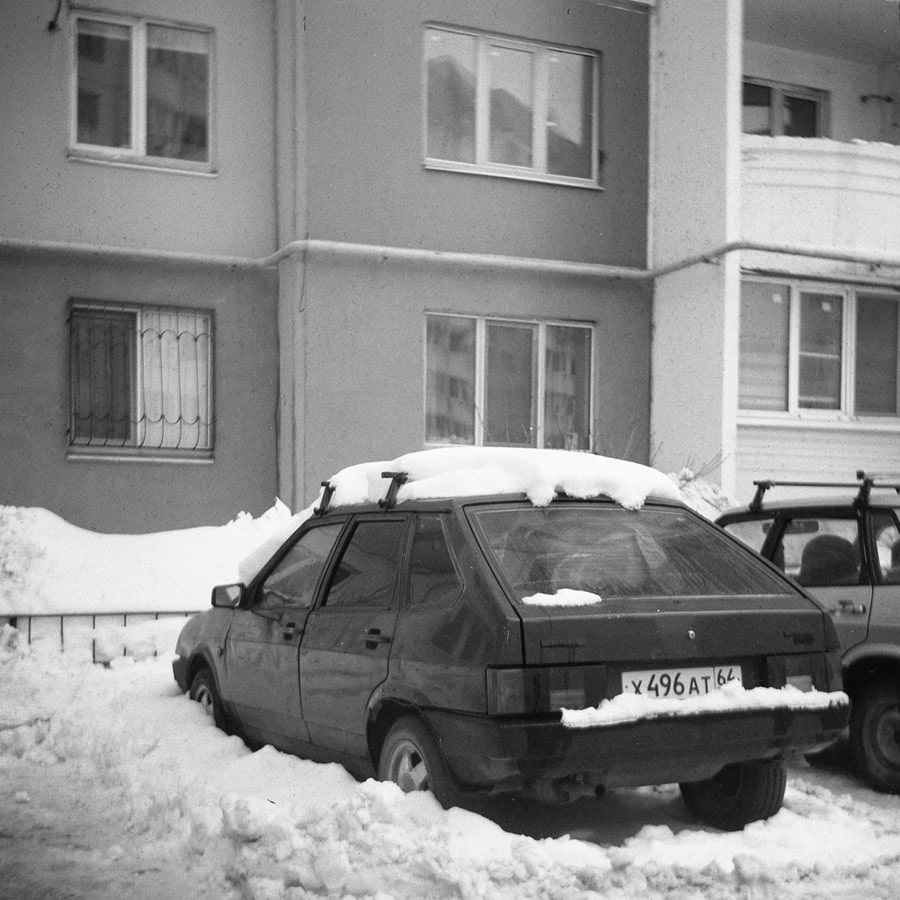
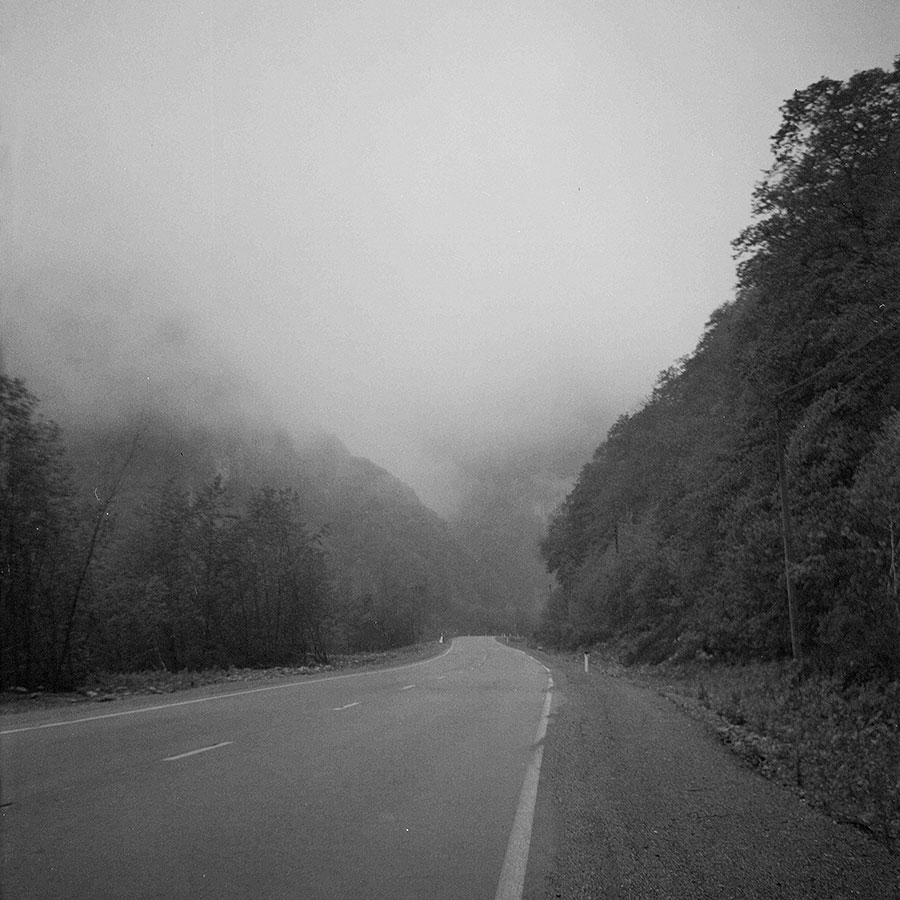
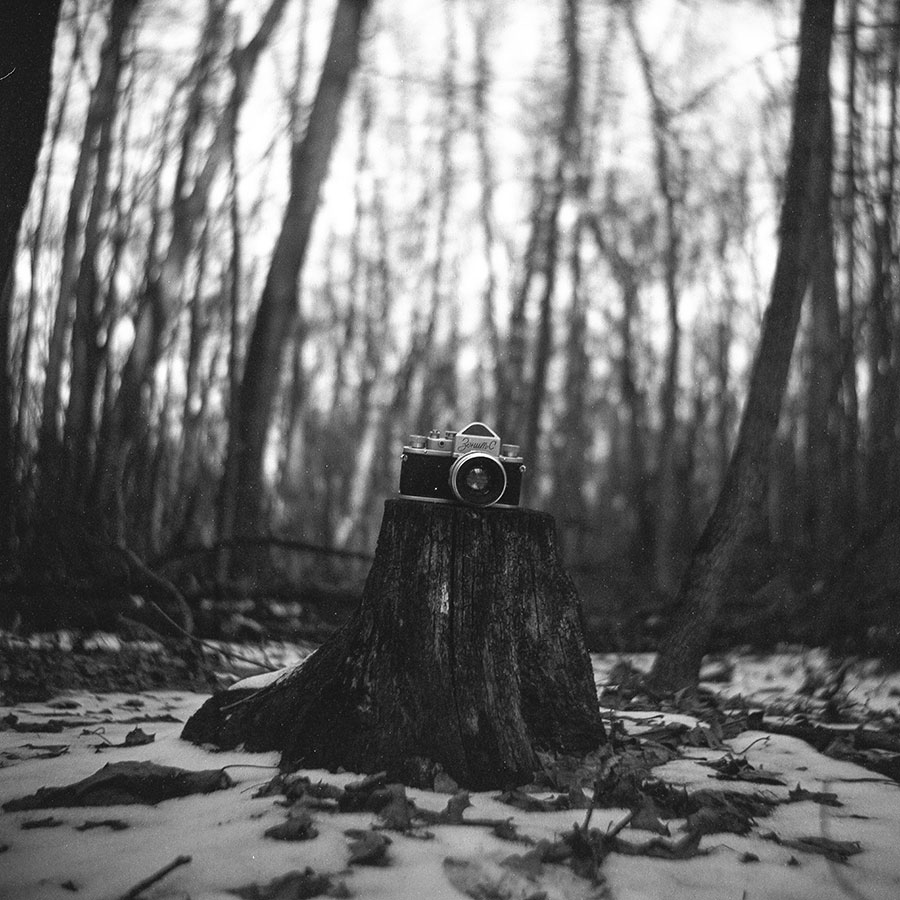
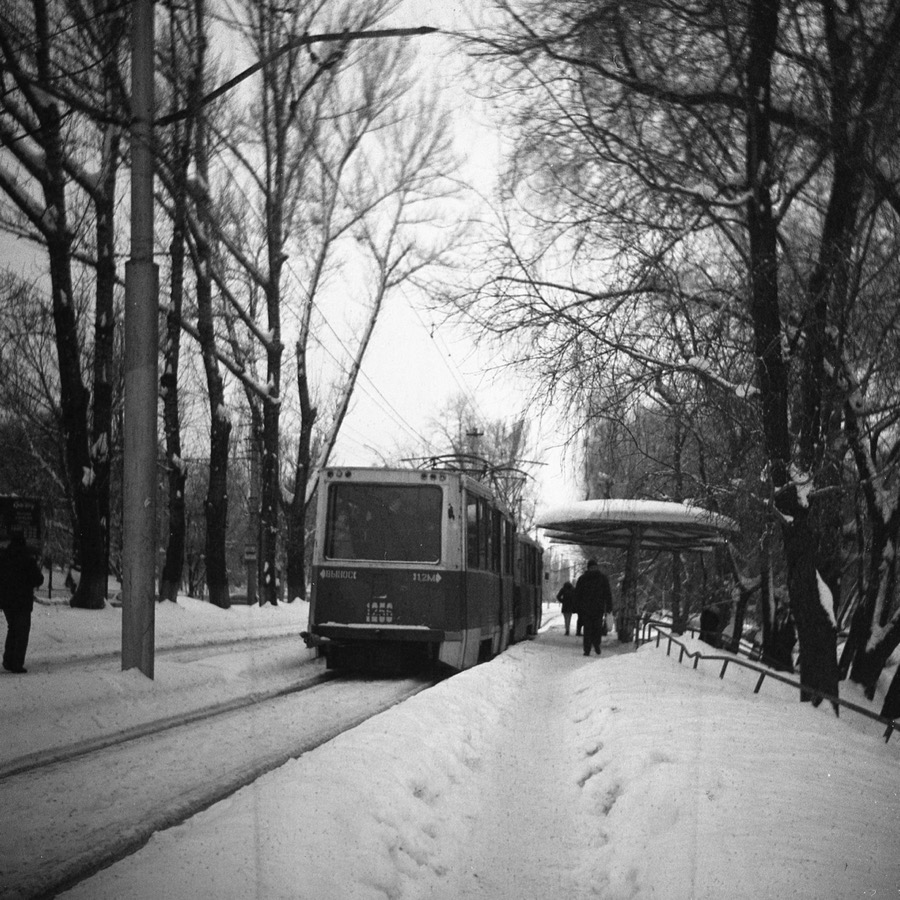
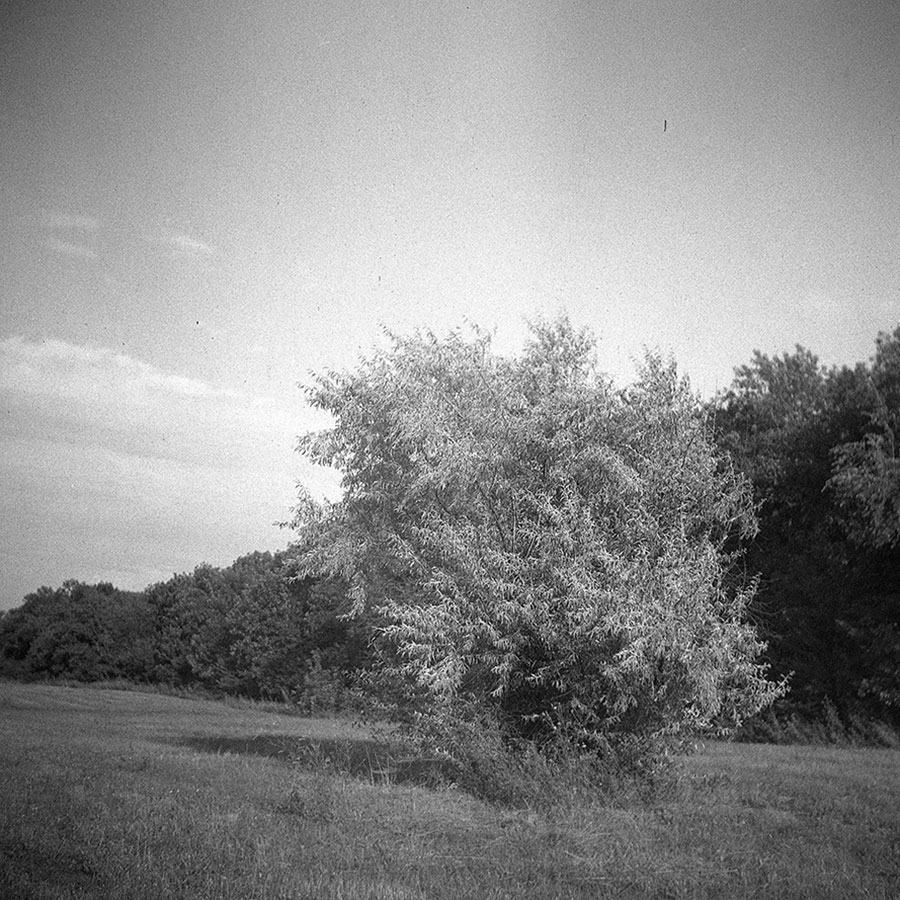
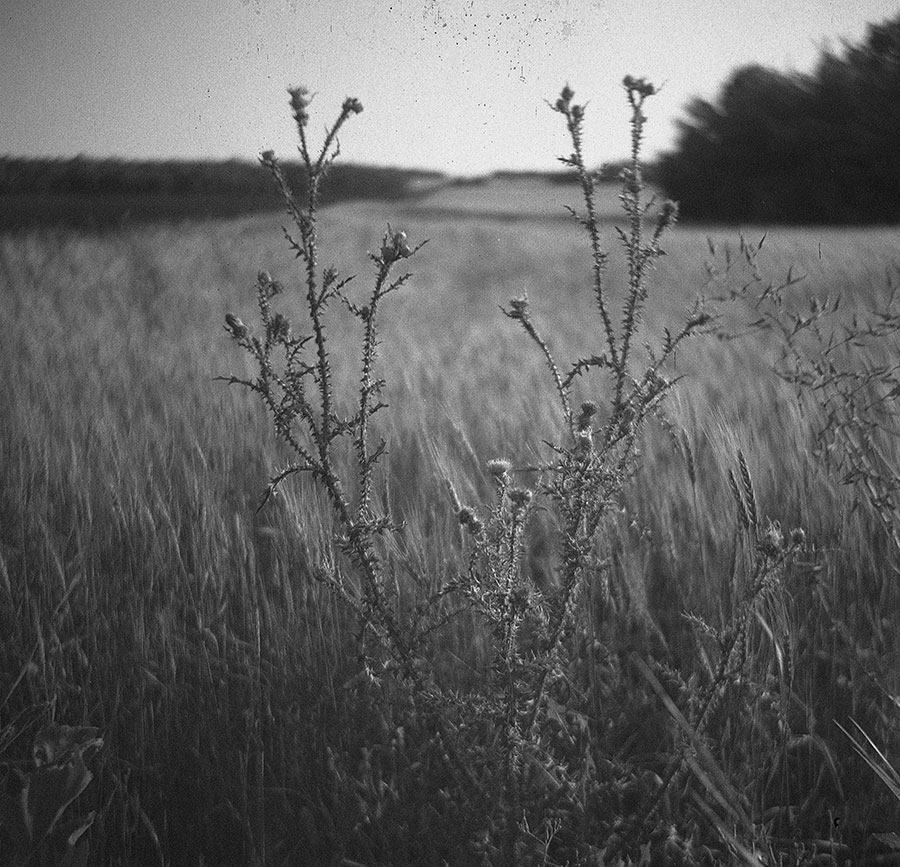
LUBITEL-166U Sample PHOTOS