Kiev-3
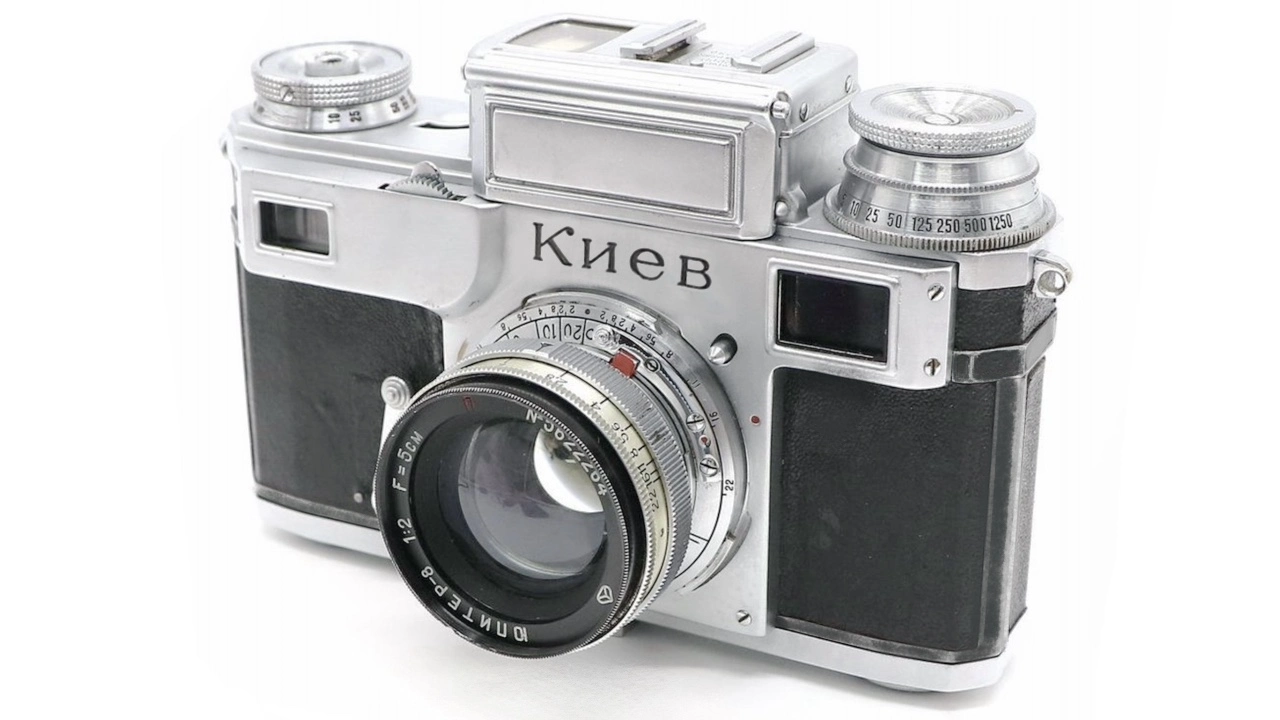
The Kiev-3 is a Soviet rangefinder camera, a continuation of the Kiev-2, featuring a built-in selenium light meter and manufactured at the Arsenal factory.
Kiev-3 Specifications
- Type: 35mm rangefinder camera
- Manufacturer: Arsenal plant
- Production period: from 1947 to 1955
- Format: 24x36cm on 135 film
- Lens mount: Kiev/Contax RF mount
- Lens: Jupiter-8 f2.0/50 or Jupiter-3 f1.5/50
- Rangefinder base: 90mm
- Shutter: focal-plane shutter with speeds from 1/2 to 1/1250 sec.
- Viewfinder: optical parallax viewfinder combined with the rangefinder
- Light meter: selenium light meter
- Flash synchronization: none
- Self-timer: mechanical
- Weight: 710 grams
Kiev-3 Overview
As with the vast majority of Soviet cameras, the Kiev-III or Kiev-3 was not a design developed entirely by Soviet engineers.
However, this rangefinder film camera represents a rather unique case: it is not a clone or a simplified copy, but essentially an original camera produced by Soviet technicians using original equipment.
We discussed this in more detail in the article about the Kiev-II, so we will not dwell on it here.
The original system existed in two versions, with and without a built-in light meter, known as the Contax II and Contax III.
The same principle was carried over to the Kiev cameras. As a result, the Kiev-3 is the version equipped with a light meter, unlike the Kiev-2, which lacks one.
Kiev-3 Lens
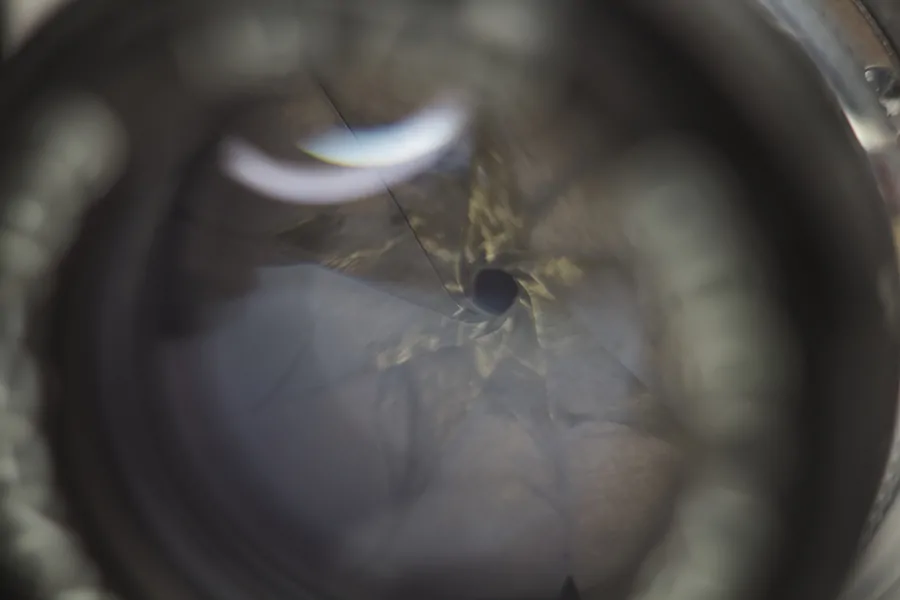
Being a Soviet version of the Contax, the Kiev-3, like the earlier Kiev-2, retained the same bayonet mount and was produced at the Arsenal factory, which also manufactured many Zeiss-derived lenses recalculated for Soviet glass.
As with the second version and all subsequent models, the Kiev-3 was equipped with the Contax RF bayonet, which featured an internal mount for 50mm lenses and an external mount for wide-angle and longer focal length lenses.
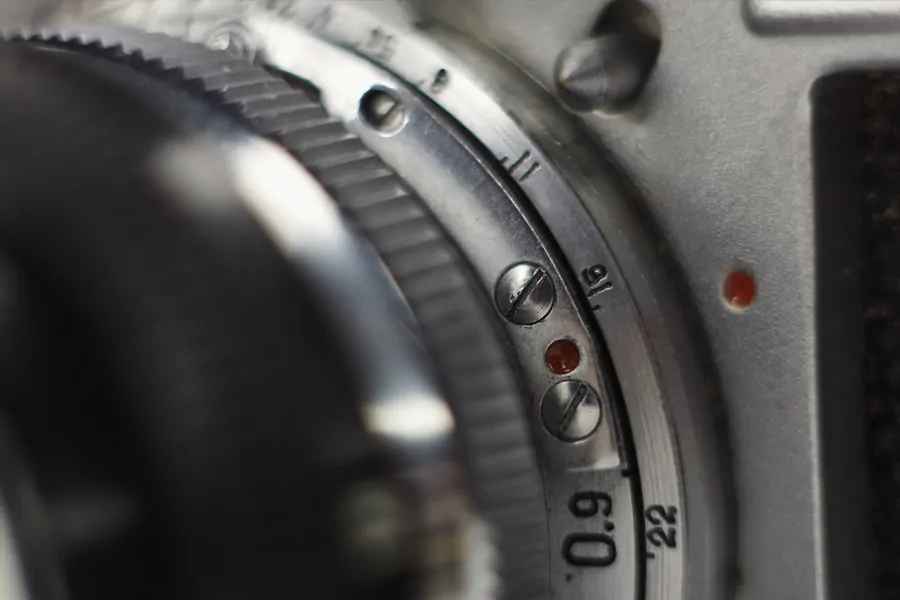
The standard lenses for the Kiev-3 were the Jupiter-3 50mm f/1.5 and the Jupiter-8 50mm f/2. Both lenses did not have their own focusing helicoid, as focusing was carried out via the helicoid built into the bayonet mount itself.
Both lenses are excellent examples of Soviet photographic optics, producing a very pleasant, soft rendering that differs noticeably from lenses such as the Helios, while not falling behind in terms of performance. Good copies of these lenses are very sharp wide open and become even sharper when stopped down to f/5.6–f/8.
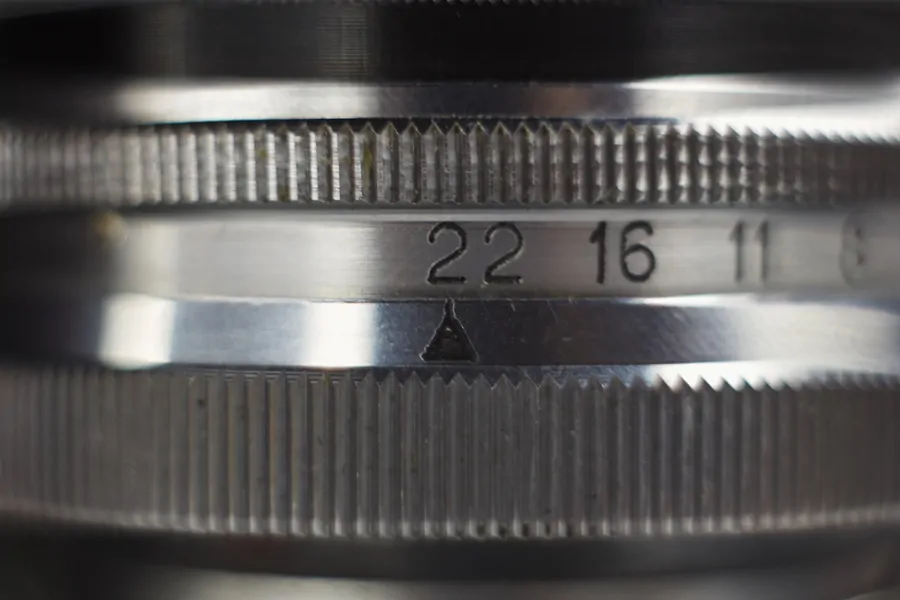
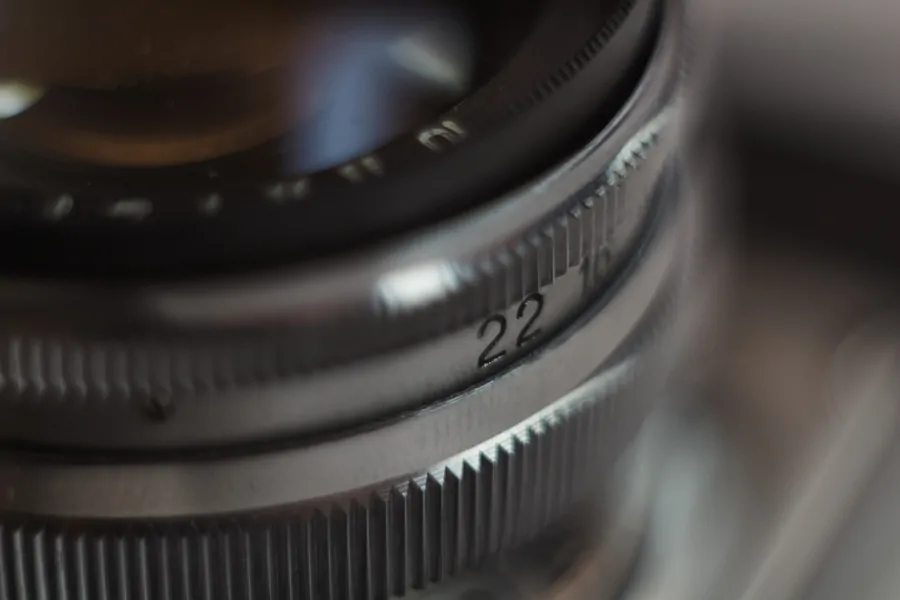
Unlike the Helios lenses, they do not produce such a pronounced swirly background; instead, the rendering is more even, yet no less pleasing. The aperture clicks positively into place without intermediate values, and when stopped down, the aperture blades form very distinctive shapes.
The wide-angle Jupiter-12 and the longer focal length Jupiter-11 and Jupiter-9, which can now be found on the secondary market without much difficulty, were also comparable in quality to their German counterparts.
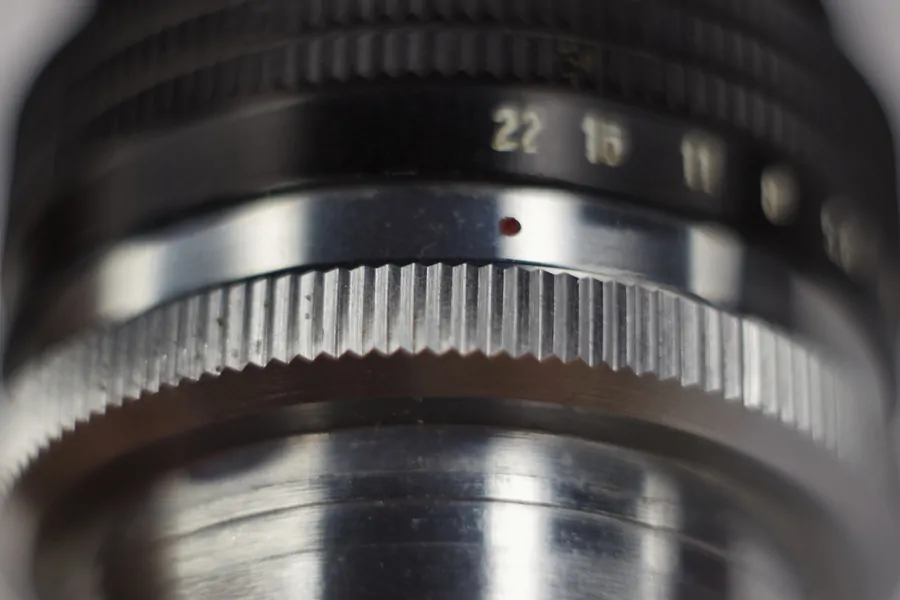
These lenses likewise produced a very pleasing image with sharpness that remains quite acceptable even by modern standards.
Kiev-3 Shutter
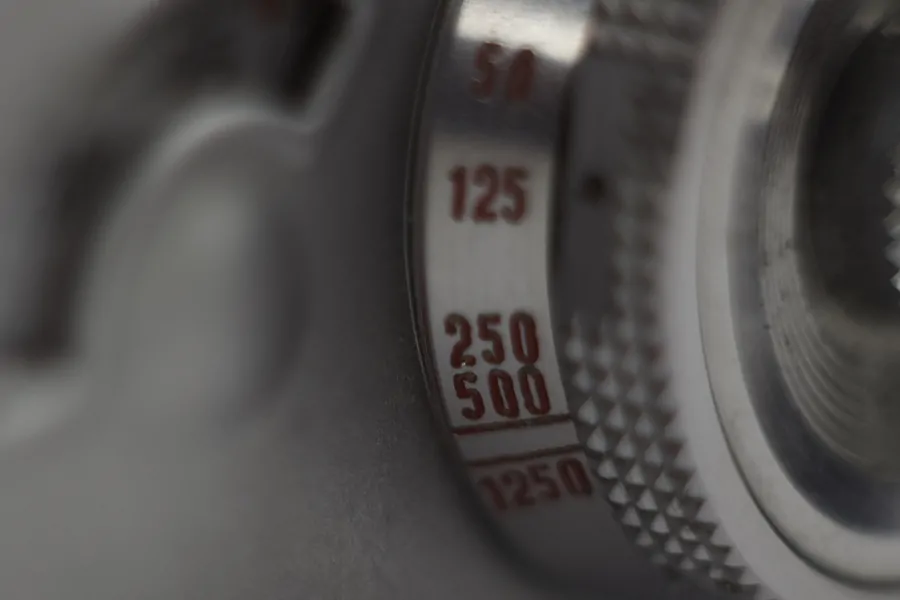
The shutter of the Soviet Kiev-3 camera was truly groundbreaking for the Soviet market of its time, as it was equipped with metal shutter blades and offered shutter speeds from 1 second to 1/1250.
Such shutter speeds in the early 1950s – and even into the 1960s – were quite rare in the global photographic industry, especially within the Soviet Union.
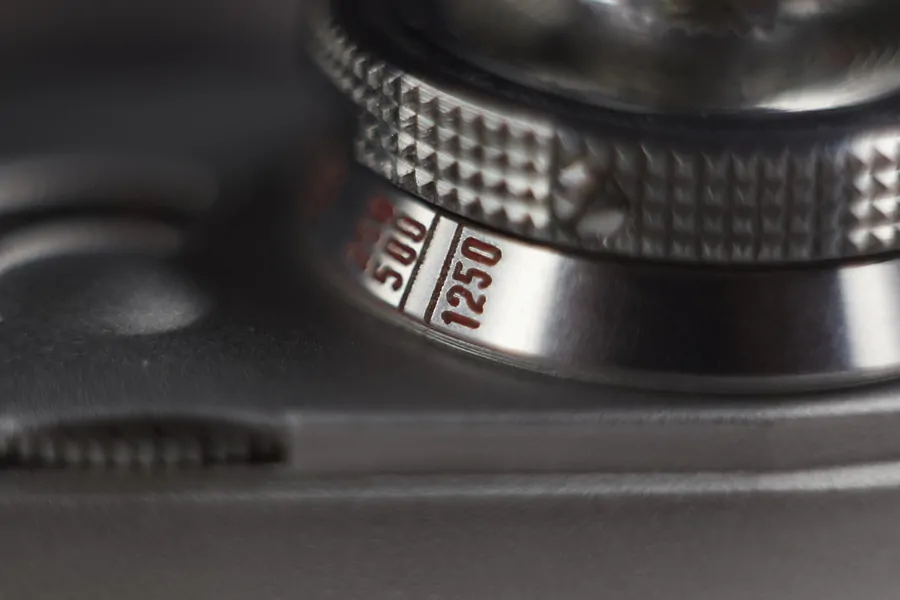
Shutter control was handled via a knob on the right side of the camera body. Rotating it clockwise cocked the shutter and advanced the film, while lifting and rotating it counterclockwise allowed the photographer to change shutter speeds.
This rather unusual solution is one of the camera’s most distinctive and charismatic design features and remains very pleasant to use even today.
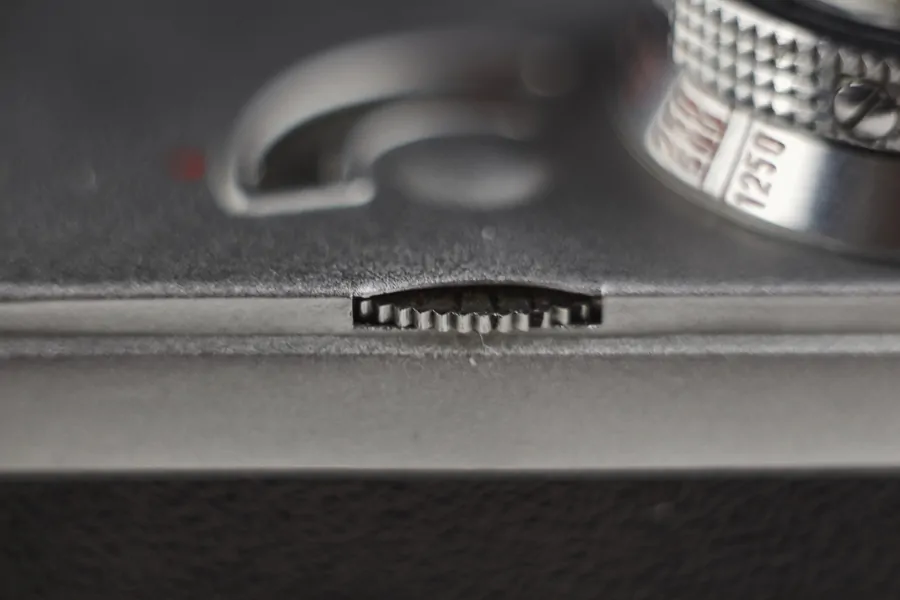
Unlike the cloth shutters used in Zorki cameras, the Kiev’s metal blades moved vertically rather than horizontally, along a shorter travel path, which helped achieve more even frame exposure in challenging situations.
With proper maintenance, the shutter itself is very durable and capable of reliable operation in a wide range of weather conditions.
Camera Body and Controls
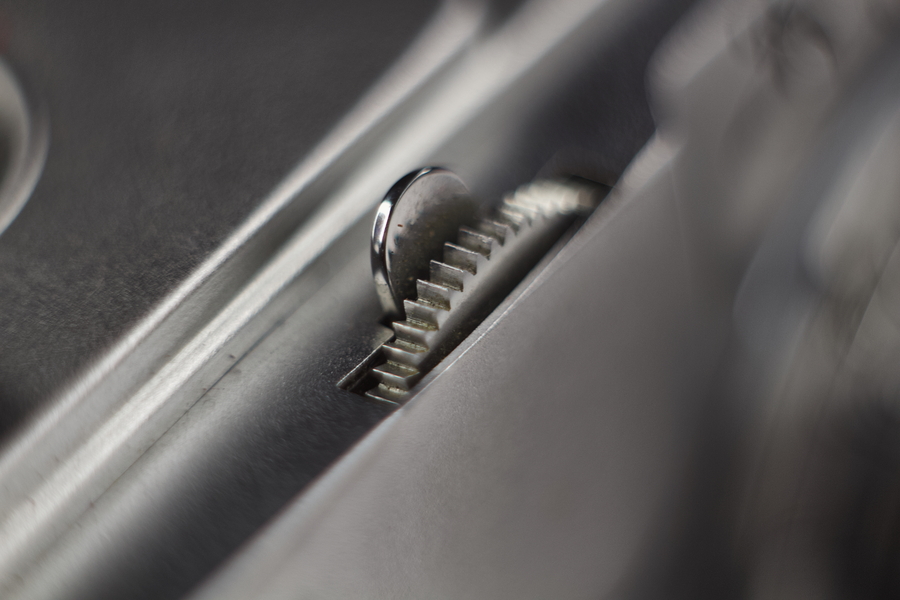
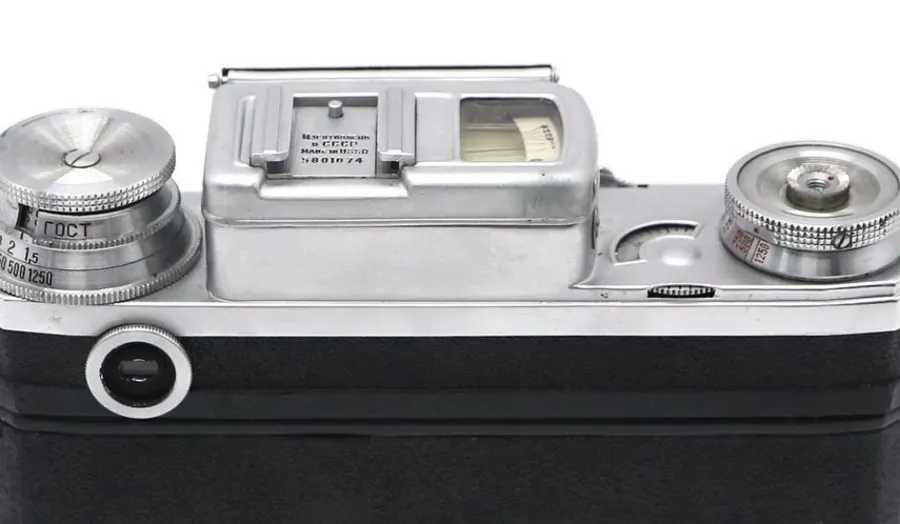
The first thing that catches the eye on this camera is the large protrusion on the top of the body. This is the selenium light meter, which is covered by a small hinged hood on the front.
Unfortunately, on many surviving examples this light meter has not aged well and gives very inaccurate readings during shooting.
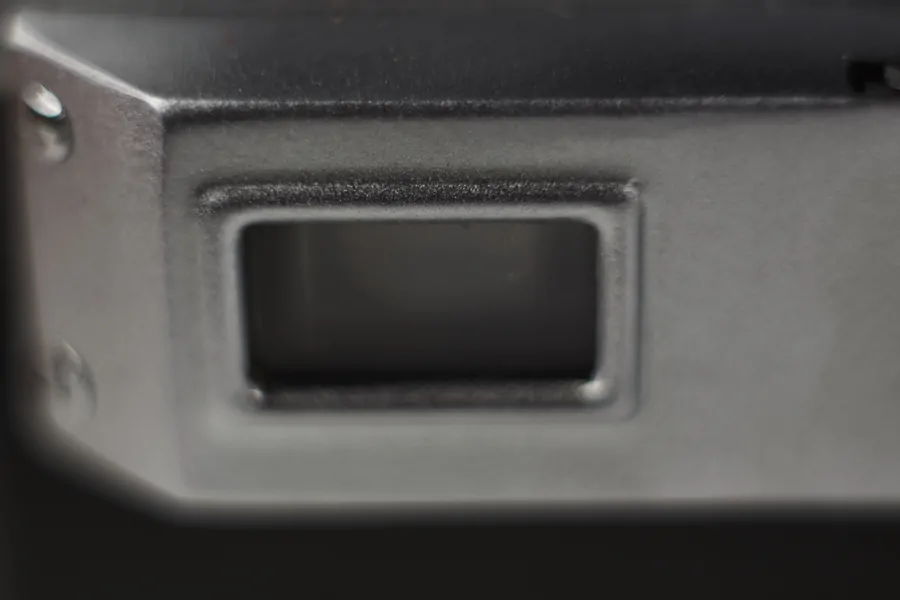
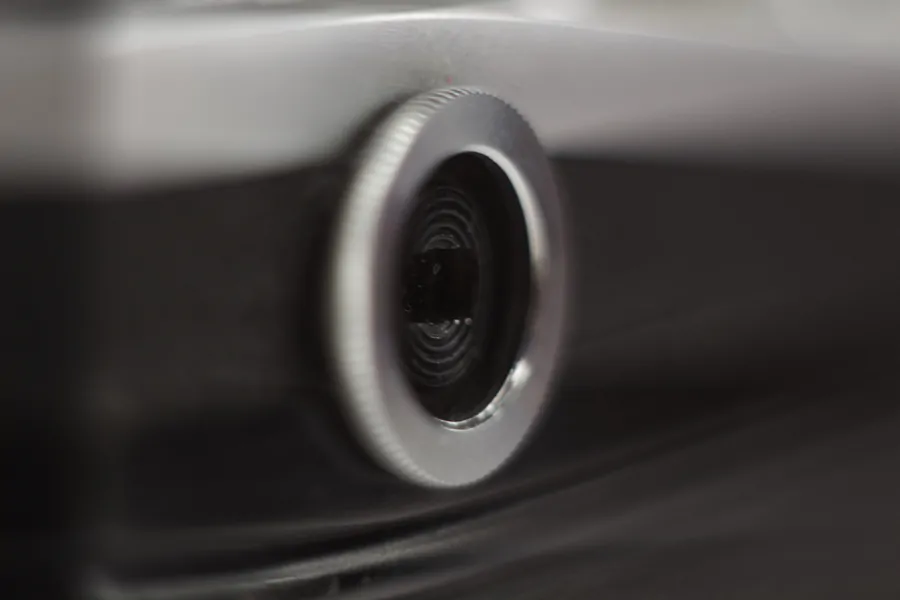
Another notable feature is the very wide rangefinder base, characteristic of all Kiev rangefinder cameras. This exceptionally wide base allows the camera to achieve very high focusing accuracy and precise focus acquisition.
Due to its age, the camera is not equipped with a hot shoe and instead has a cold shoe with no electrical contacts.
This same shoe was also used to mount auxiliary viewfinders, as there were no built-in frame lines in the viewfinder for wide-angle or long focal length lenses.
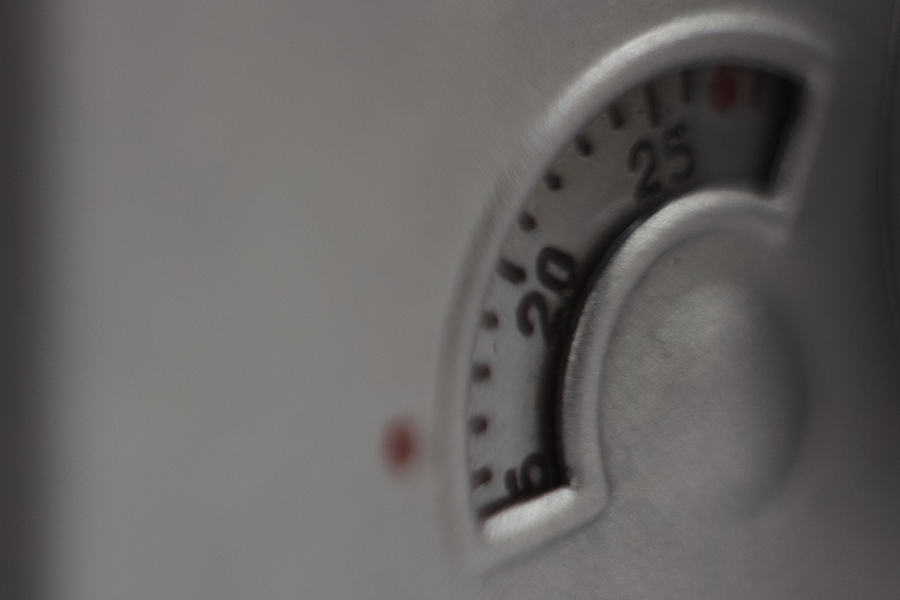
The rewind knob on this camera also has a classic design, without a folding crank. On early examples, the bottom plate featured a small support foot that allowed the camera to stand on a flat surface without tipping forward when no lens was mounted.
The rear body section on all Kiev rangefinders, including the third version, is removable, as is the take-up spool, which could be replaced with a closed take-up cassette.
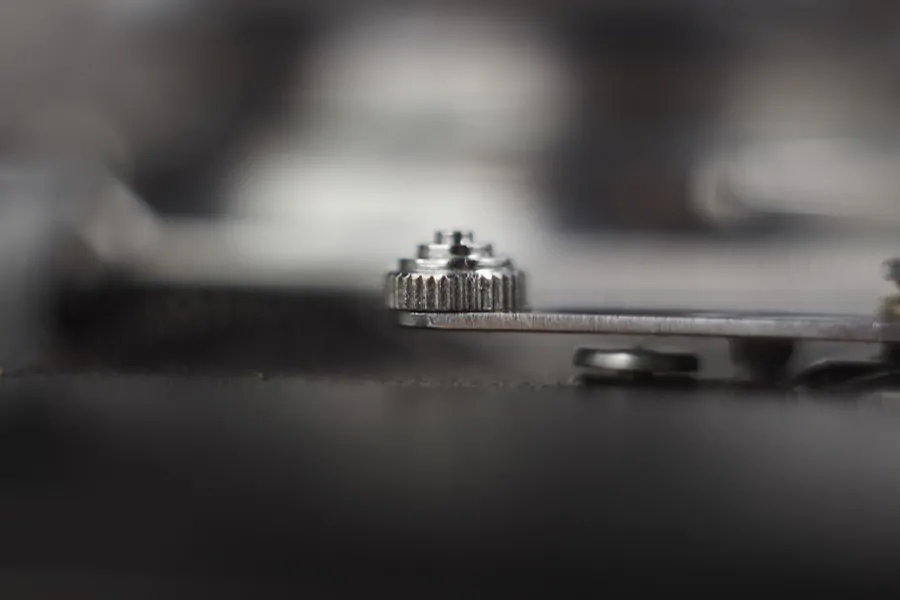
Overall, the camera feels very solid and substantial in the hands; the metal parts are well finished and fitted together with care.
Unlike the later Kiev cameras, this rangefinder has a very pleasant bonus in the form of genuine leather coverings instead of the cheap artificial leather used on later models.
Conclusion
For the most part, everything that can be said about the Kiev-II also applies to the Kiev-II, with a few important caveats.
The most significant of these is the most prominent and distinctive feature of the camera – the rangefinder housing on the top plate.
This element is what sets the Kiev-3 apart from the second version, and it introduces certain considerations today, both in practical use and when deciding whether to purchase this model.
In modern conditions, the vast majority of selenium light meters, especially ones of this age, no longer function correctly.
As a result, the Kiev-3 will most likely be used in exactly the same way as the Kiev-2 – that is, as if the camera had no light meter at all.
Relying on the accuracy of this unit is not recommended, although it can be tested by comparison with a working external meter.
On the other hand, this feature also adds bulk to the camera, so there is generally no practical reason to specifically seek out the Kiev-3 over the Kiev-2 for everyday use.
In all other respects, the camera is virtually indistinguishable from the second and later versions, both in terms of handling and overall reliability.
A well-serviced and carefully preserved Kiev-3 remains one of the finest examples of the Soviet photographic industry.
Reliable, pleasant to use, visually distinctive, and capable of producing excellent images, this camera – rooted in designs from the 1930s and 1940s – can be a valuable addition to the collection of any film photography enthusiast.
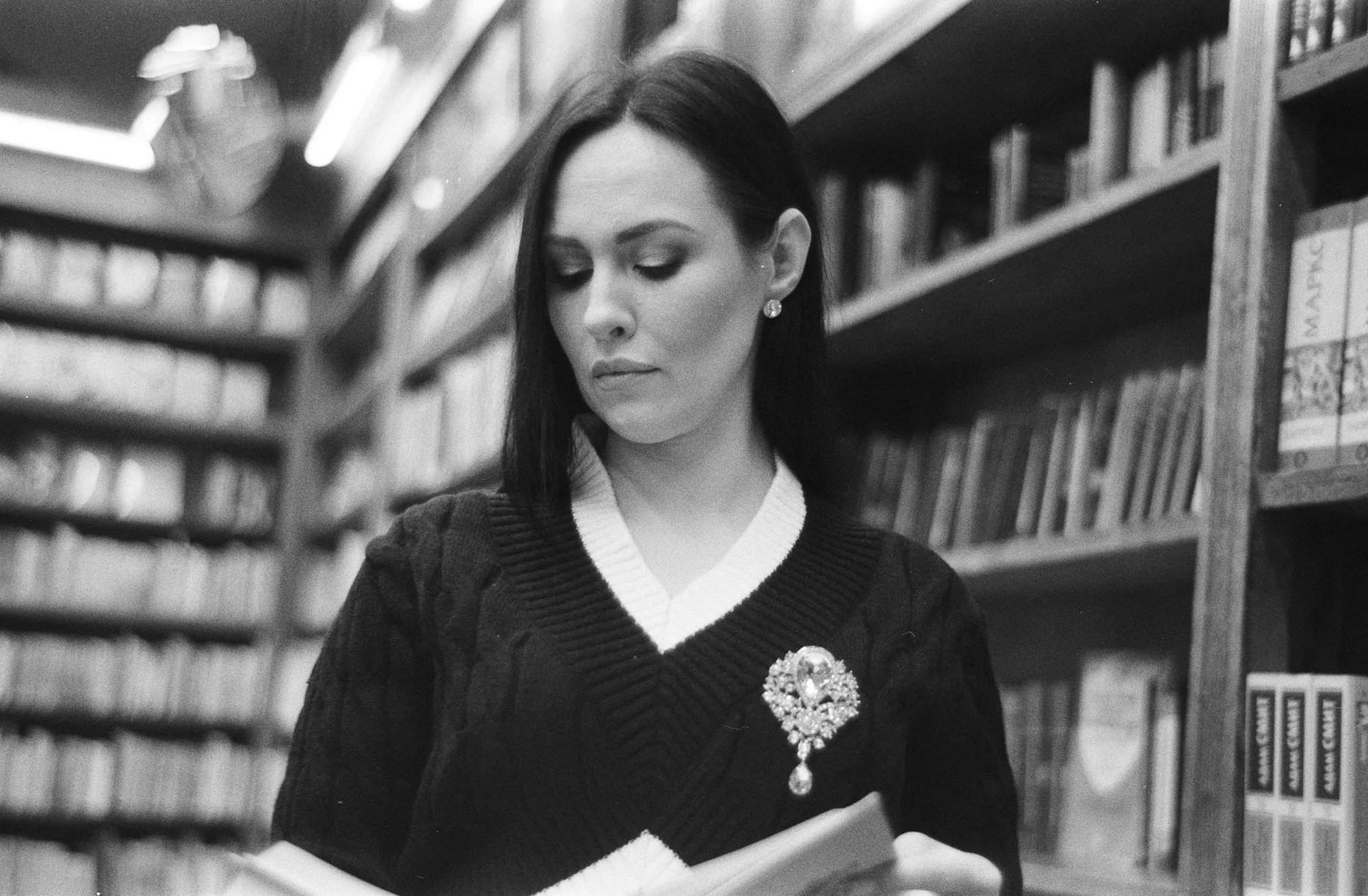
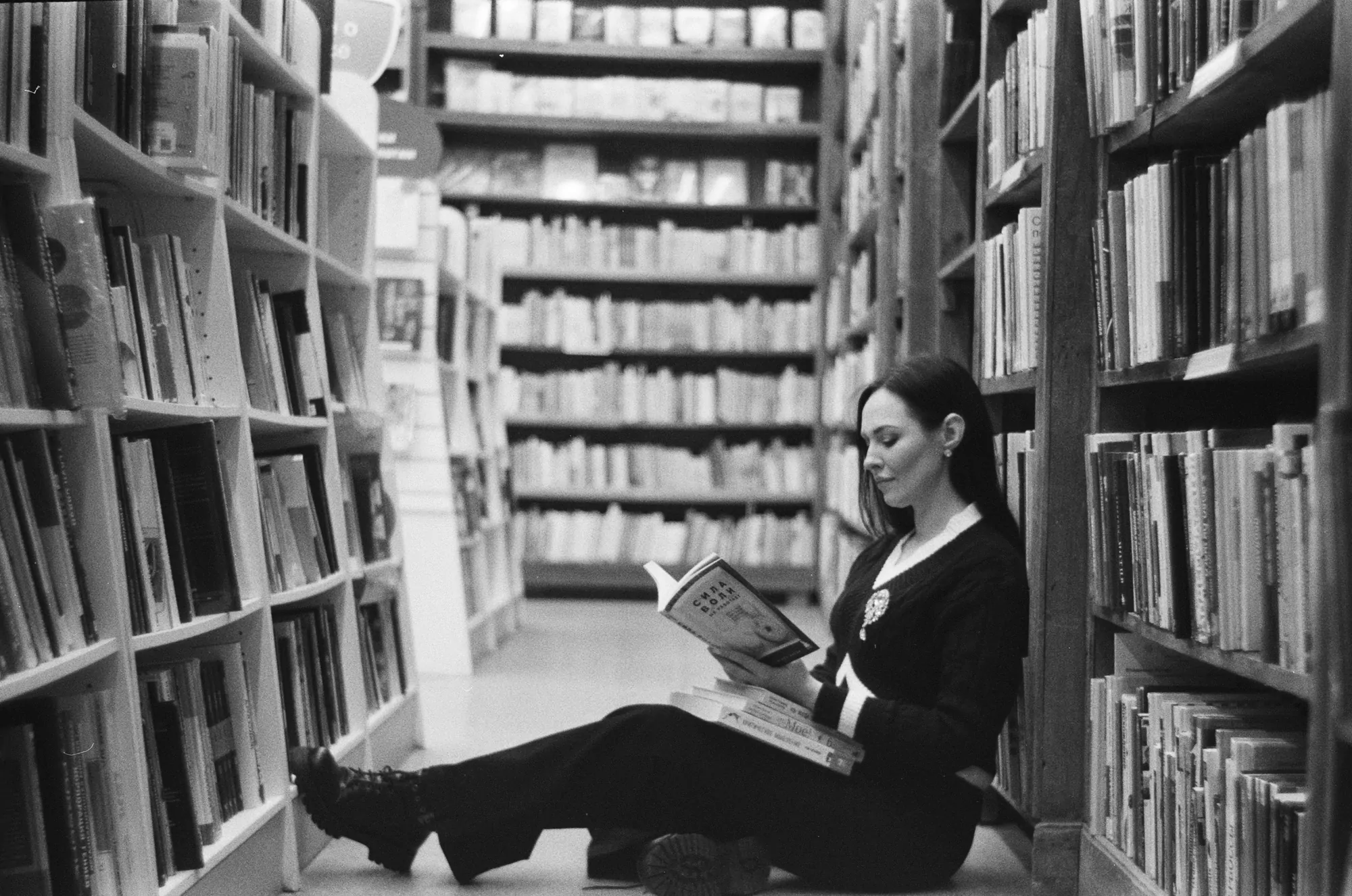
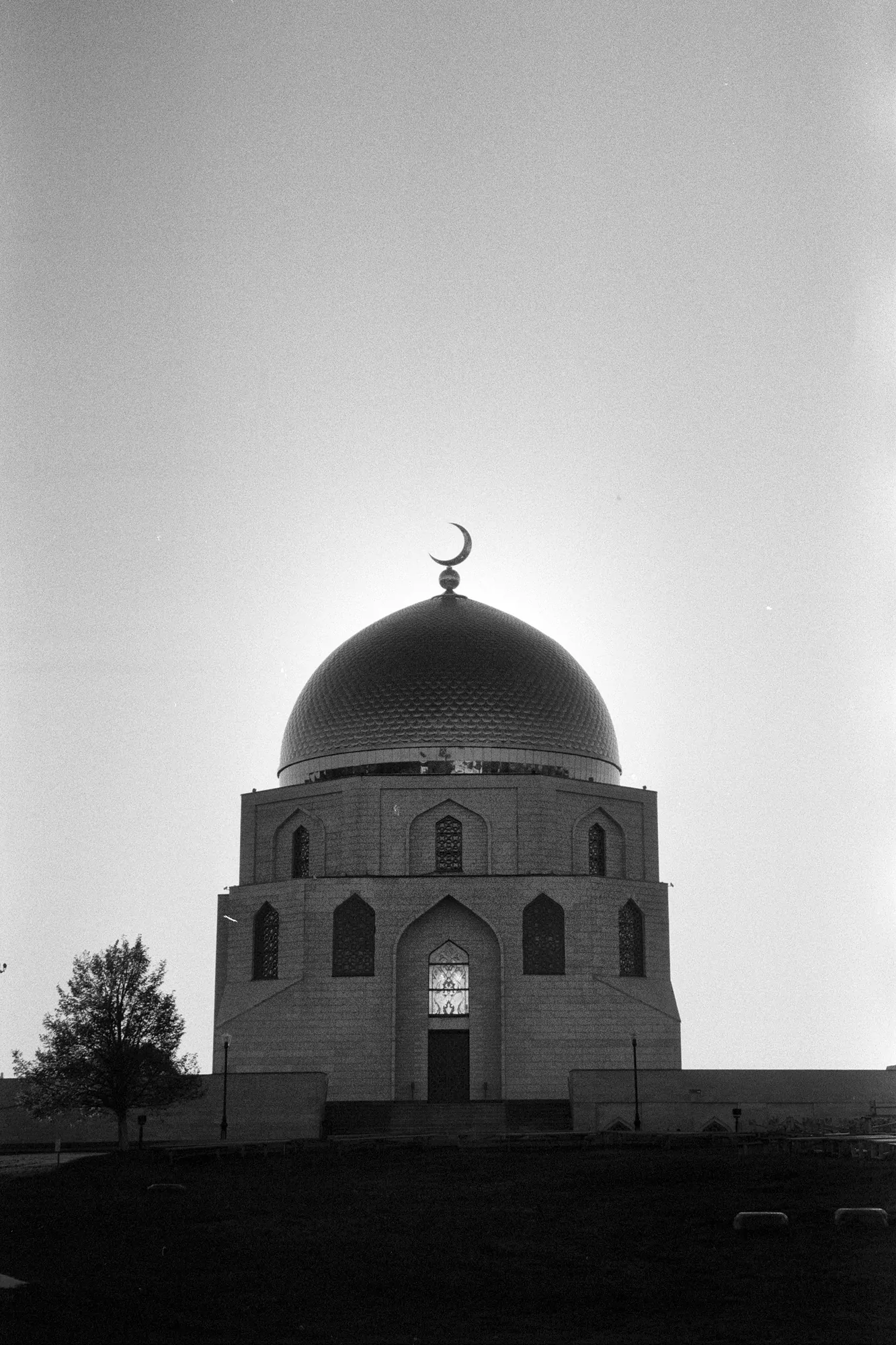
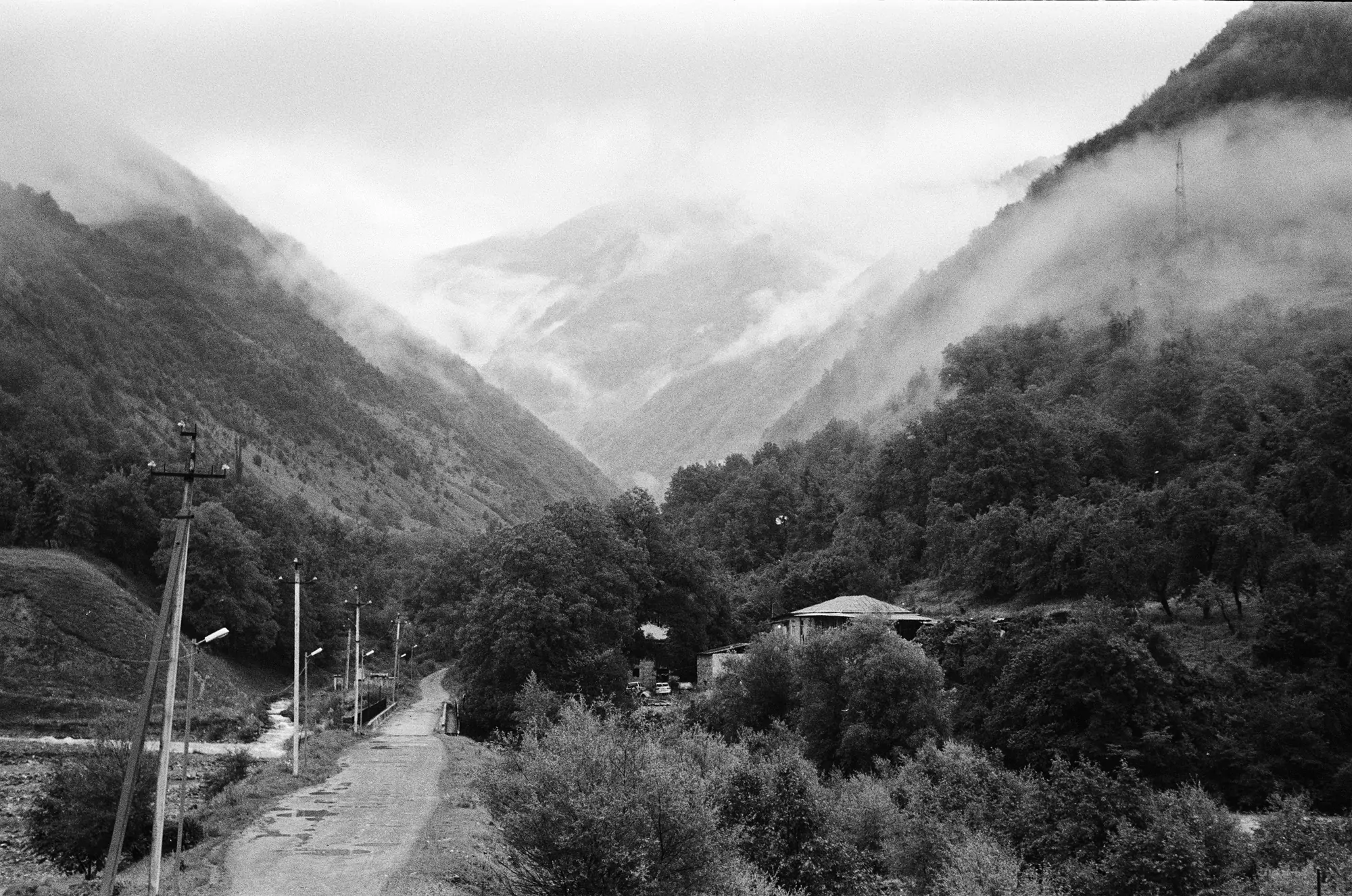
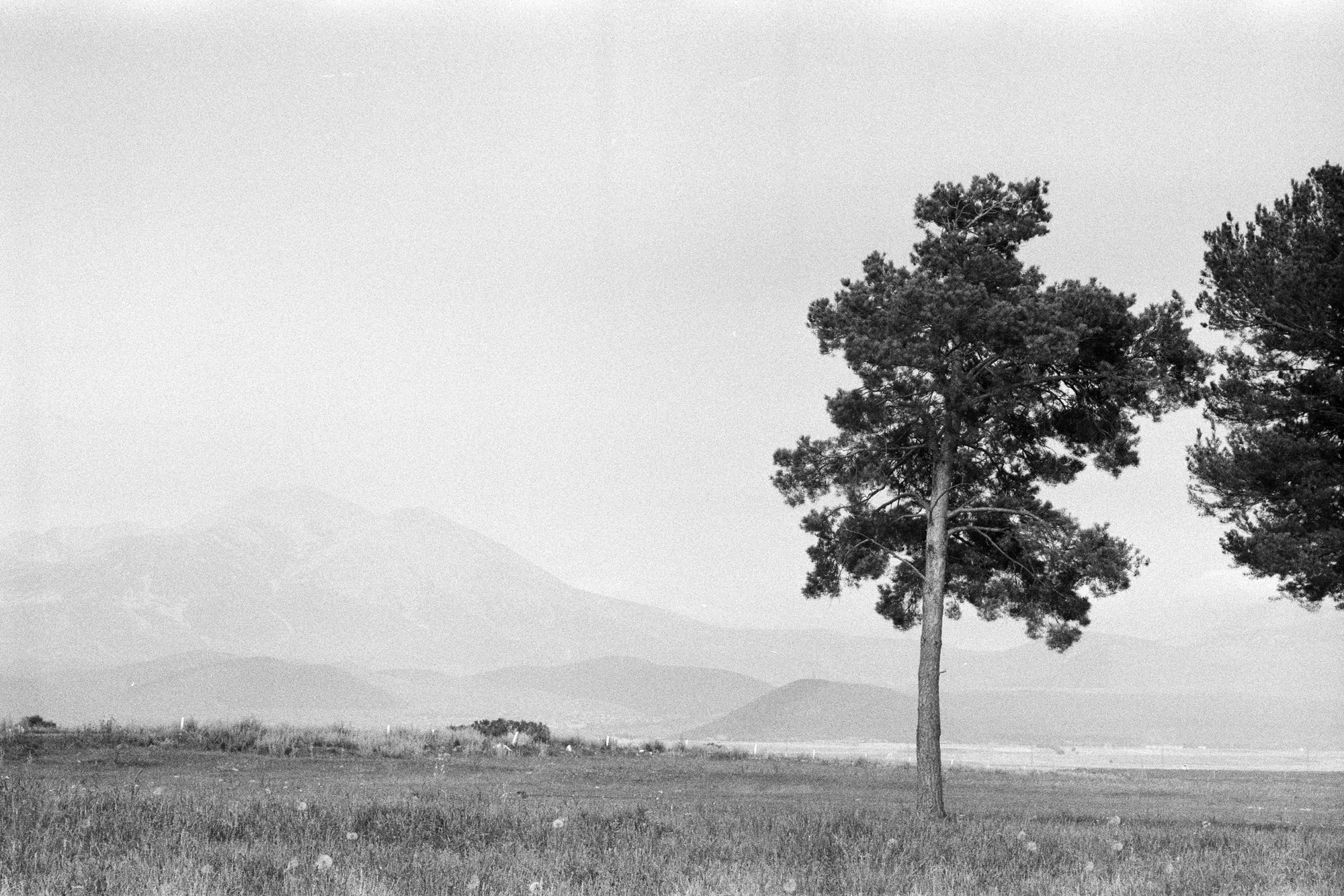
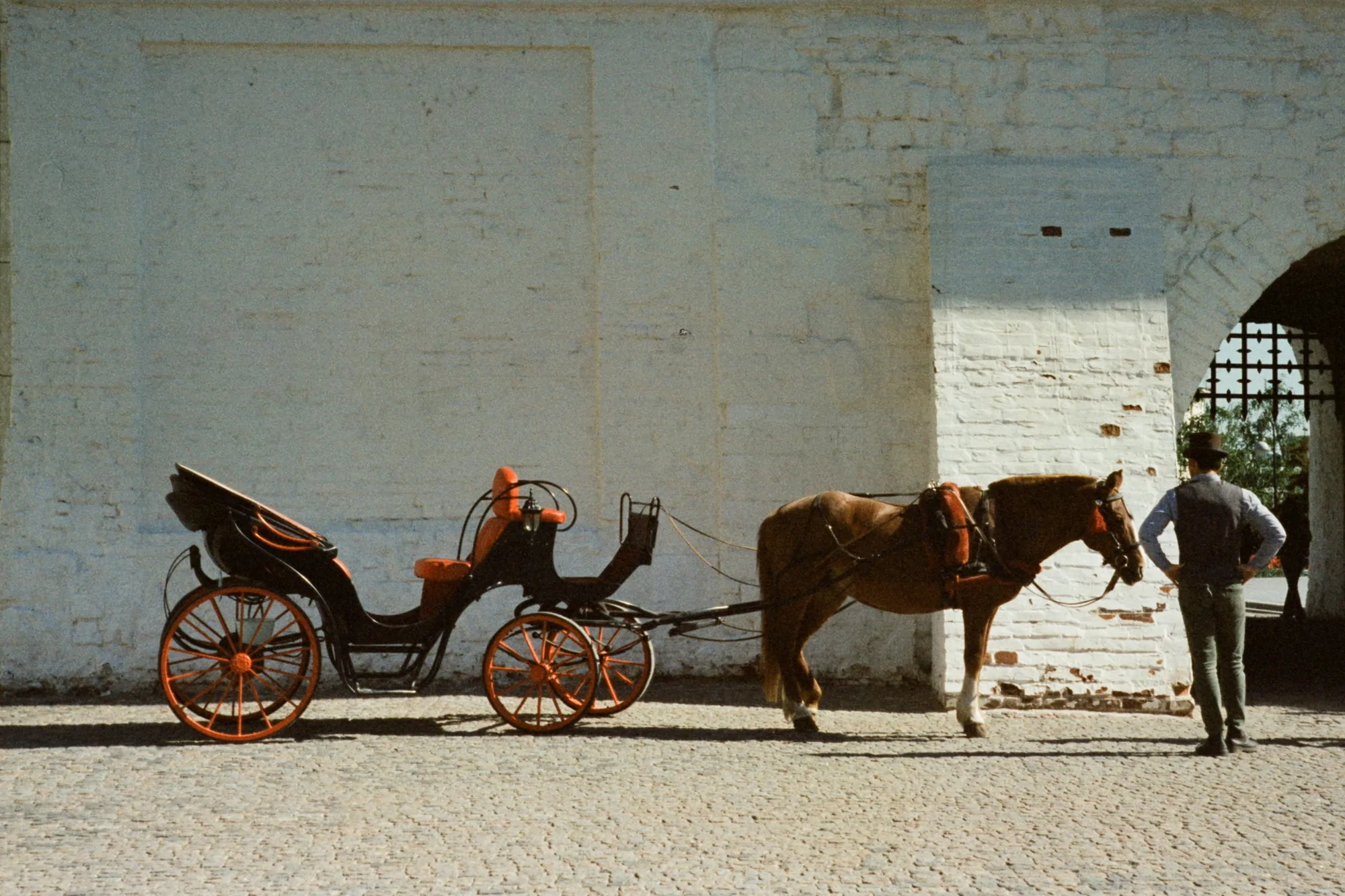
Kiev-3 Sample Photos