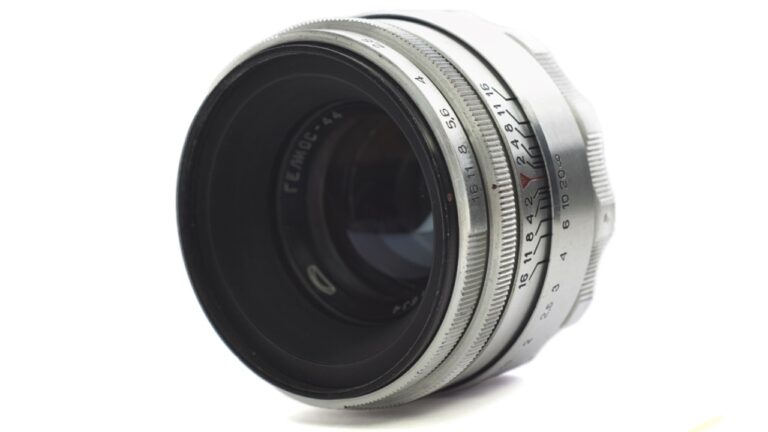
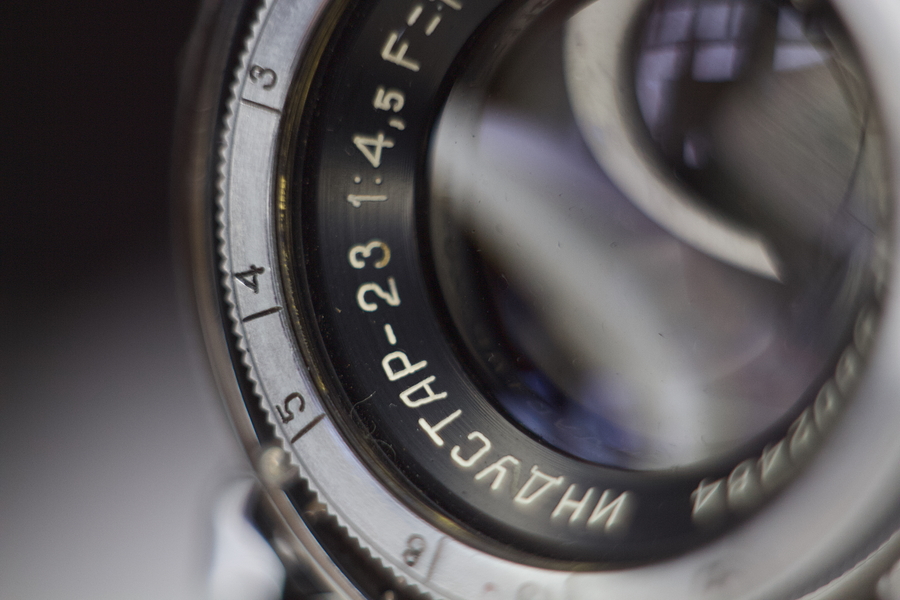
Industar-23 110mm f/4.5
The Industar-23 is the standard non-interchangeable lens for the medium-format Moskva cameras, with frame sizes of 6×6 and 6×9 cm.
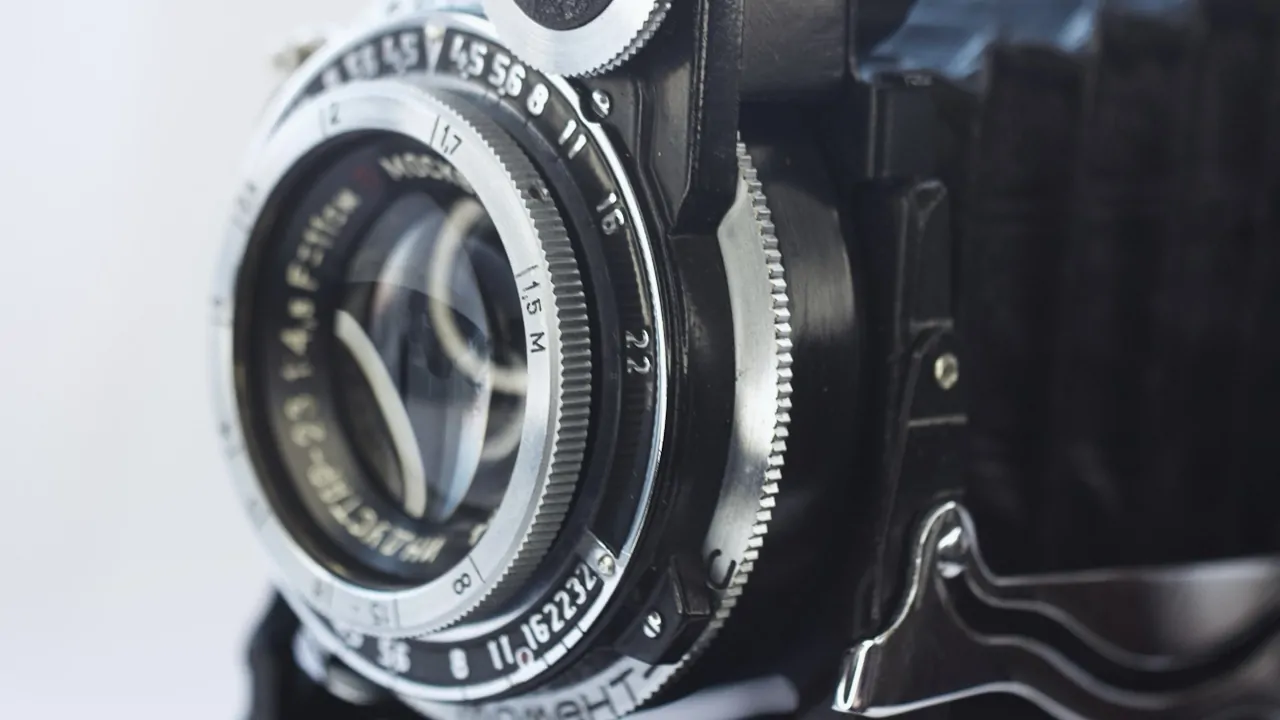
Industar-23 110mm f/4.5 Specifications
- Focal length: 110 mm
- Maximum aperture: f/45
- Minimum aperture: f/22
- Optical design: 4 elements in 3 groups, Tessar-type formula
- Aperture blades: 10
- Mount: fixed (non-interchangeable, Moskva cameras)
- Focus type: manual focus
- Aperture type: manual diaphragm
- Minimum focusing distance: 1.5 m
- Image format: medium format 6×6 cm / 6×9 cm
- Angle of view: approximately 52° (6×9 format)
- Construction: metal and glass
- Lens coating: coated
- Manufacturer: KMZ
Industar-23 110mm f/4.5 Overview
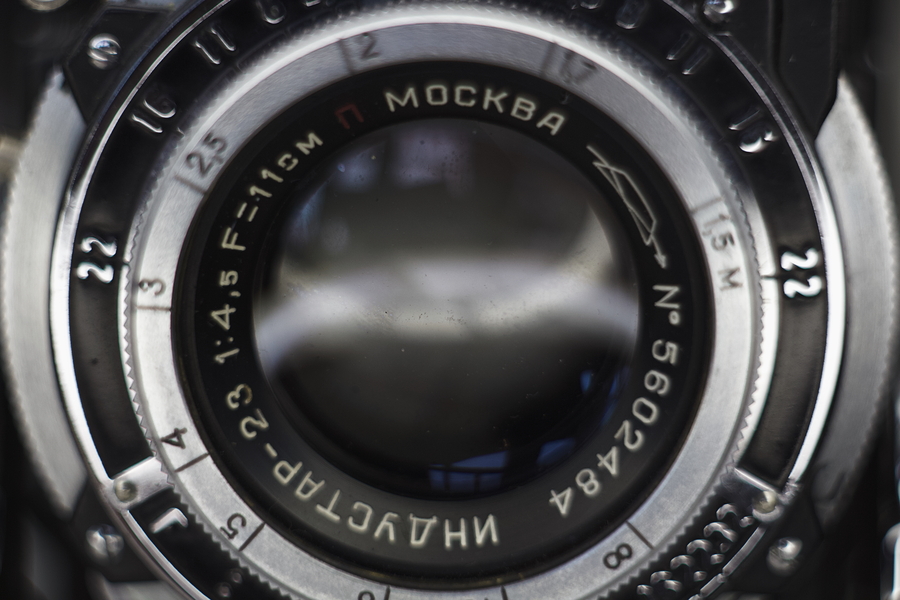
If you see the name Industar on a Soviet lens, it always means that the lens is based on the Tessar optical formula.
The Industar-23 is, of course, no exception. It is a classic Tessar-type lens designed for medium-format cameras, with all the characteristic features and advantages of this optical scheme.
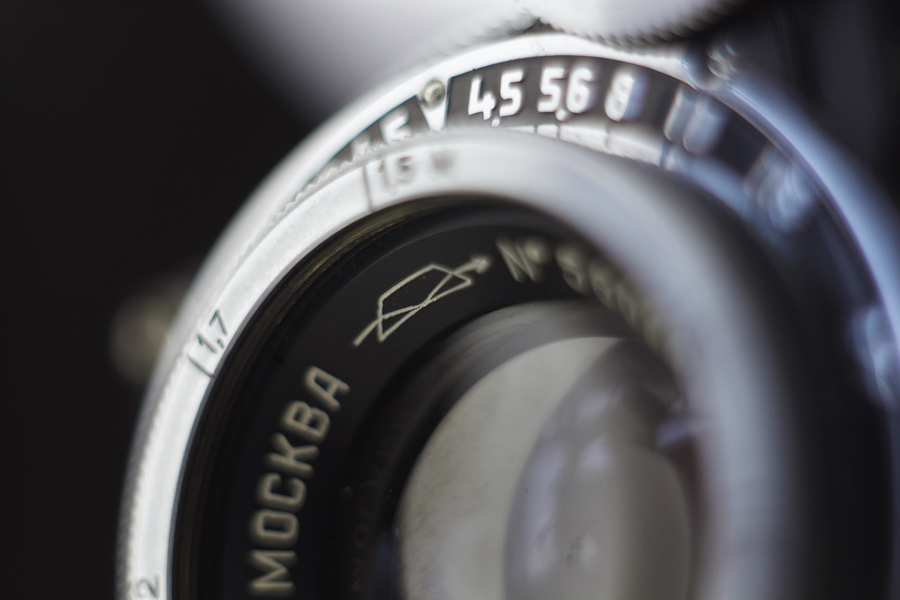
From our observations, Industar lenses perform quite well in the 35 mm format, but they feel much more at home in medium-format photography – and the Moskva medium format cameras equipped with this lens demonstrates this perfectly.
The rather dry and sometimes even restrained sharpness that Industars show on 35 mm cameras transforms into softer sharpness and very expressive plasticity in medium format.
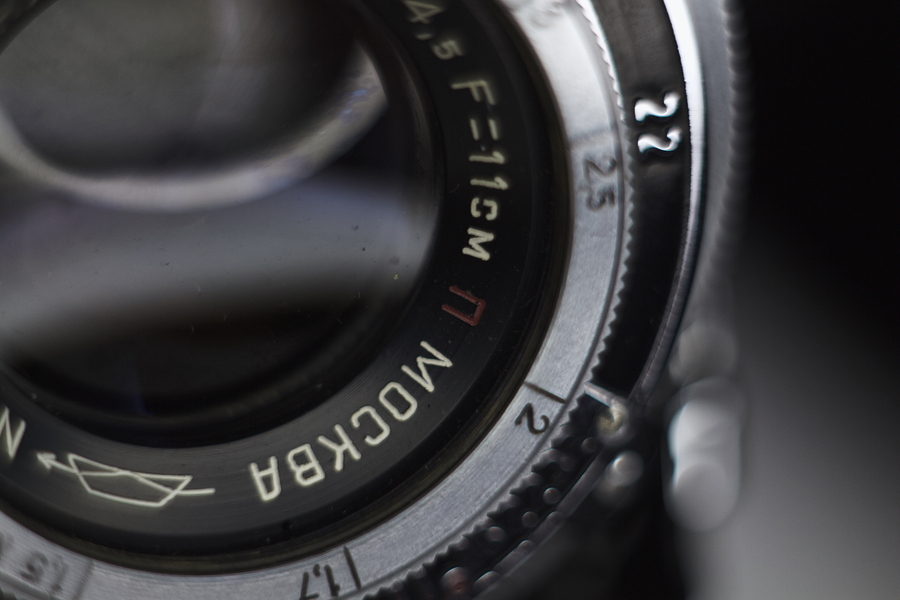
The differences between medium and small formats lie not only in image character, but also in lens parameters.
For example, an f/4.5 lens is considered fairly slow in the 35 mm format, whereas in medium format it represents an average and by no means poor maximum aperture.
Focal length also behaves differently here, meaning that 110 mm in this case is not a long or portrait focal length, but a standard one.
Industar-23 110mm f/4 History and Background
The Industar-23 lens was originally developed as a fixed, non-interchangeable lens for the Moskva-1 camera, a folding plate camera with a 6×9 cm frame size.
This same lens was later used on the Moskva-2, Moskva-3, and Moskva-4 cameras. The final version of the Moskva line, the Moskva-5, was already equipped with an updated lens, the Industar-24, featuring a faster maximum aperture of f/3.5 and a focal length of 105 mm.
As discussed in our articles on the Moskva cameras, these cameras were created as Soviet adaptations of the Carl Zeiss Ikon Super Ikonta, transferred to Soviet production and recalculated for Soviet manufacturing technologies while retaining the same general parameters and external appearance.
In the German Ikonta lineup, there were many different combinations of cameras and lenses, whereas in the Soviet Union this variety did not exist, and the cameras were equipped exclusively with Tessar-type clones in the 110 mm f/4.5 configuration.
Industar-23 Performance
As already mentioned, the same optical formula can behave very differently on different formats, and in the case of the Tessar design this is especially noticeable
In the 35 mm format, this scheme performs quite well, and a maximum aperture of f/4.5 – while not particularly fast by modern standards – can still produce a fairly three-dimensional and pleasing image.
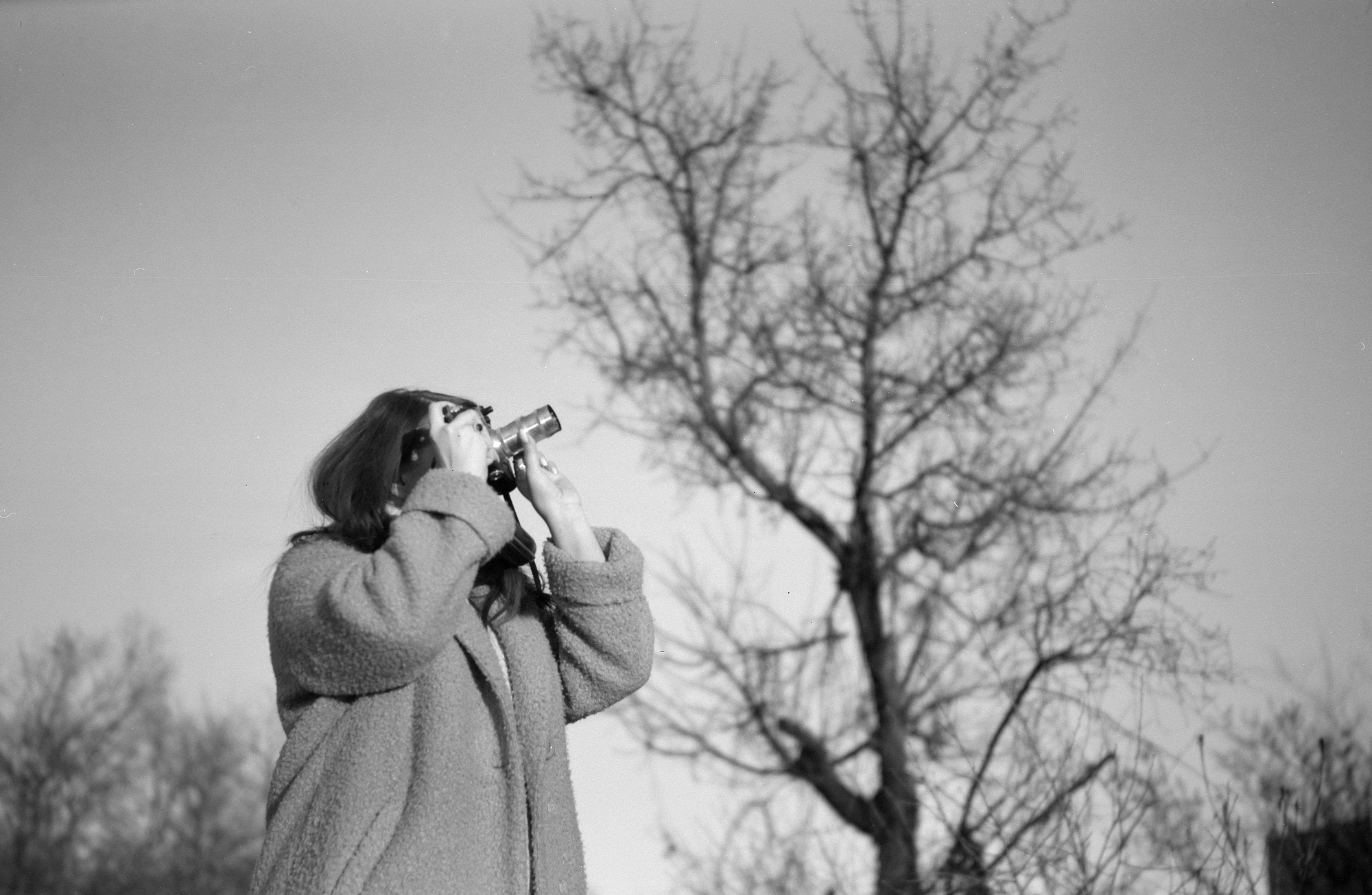
However, everything changes when we look at the same optical formula in medium or large format.
Thanks to a completely different effective focal length and the much larger light-sensitive area, the image transforms from pleasant but somewhat dry and restrained into something more dimensional, deep, and highly plastic.
Background blur becomes softer and noticeably more pleasing than in the small format. The Industar-23 110mm f/4.5 performs exceptionally well here, highlighting virtually all the strengths of the Tessar design.
Despite its overall archaic nature, even wide open at f/4.5 the lens delivers respectable sharpness in the center, with some softness toward the edges that is noticeable but not critical.
On black-and-white film, for which this lens was originally designed, it produces exactly the kind of image one would expect from a classic lens.
The lens is not overly contrasty, and color rendering is certainly not as precise as with modern optics, but this is hardly unexpected from a classic Tessar design.
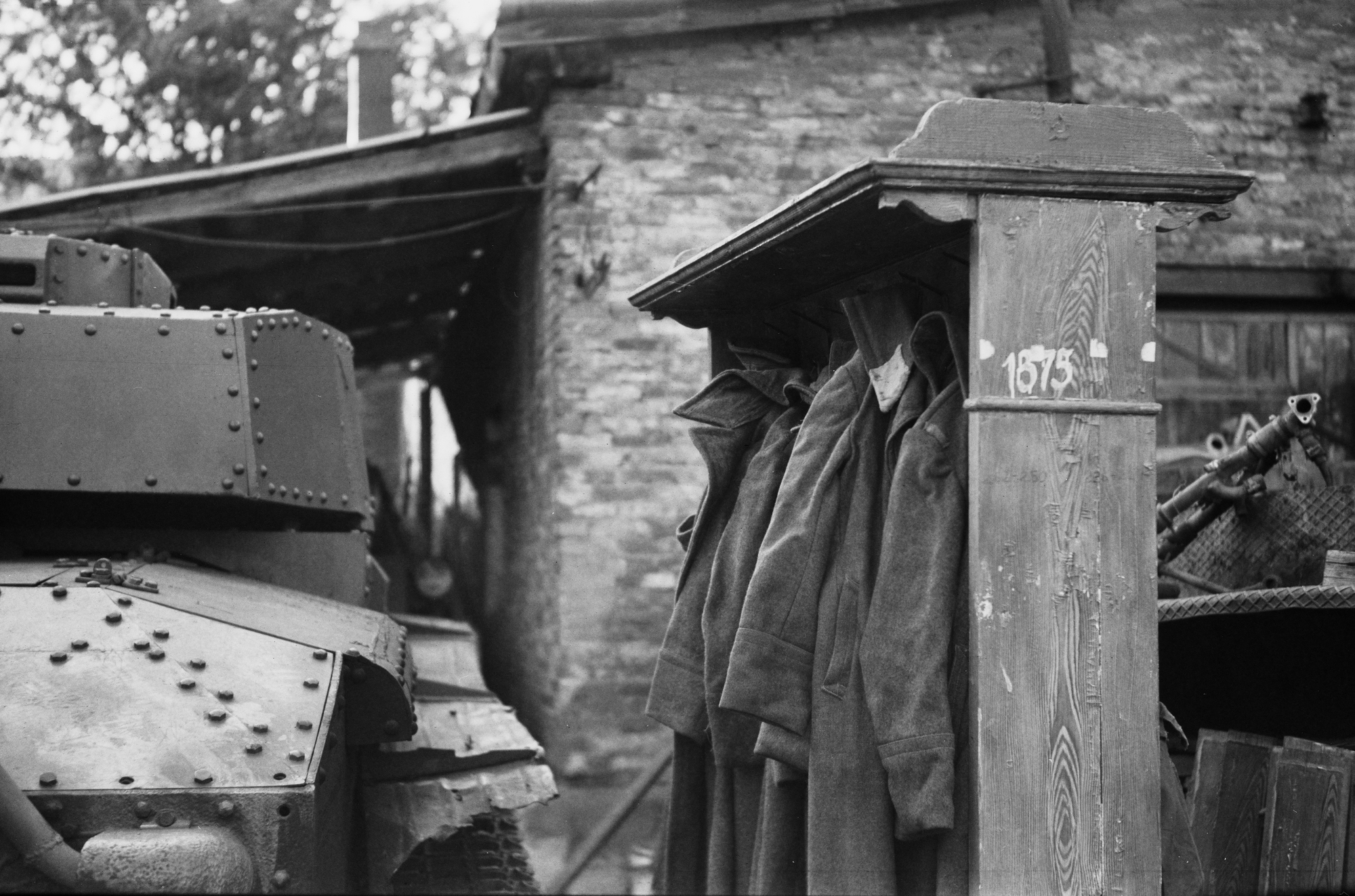
Stopping the lens down to f/8 or f/11 makes it extremely sharp, while the medium-format 6×9 cm frame still preserves a soft and pleasing background.
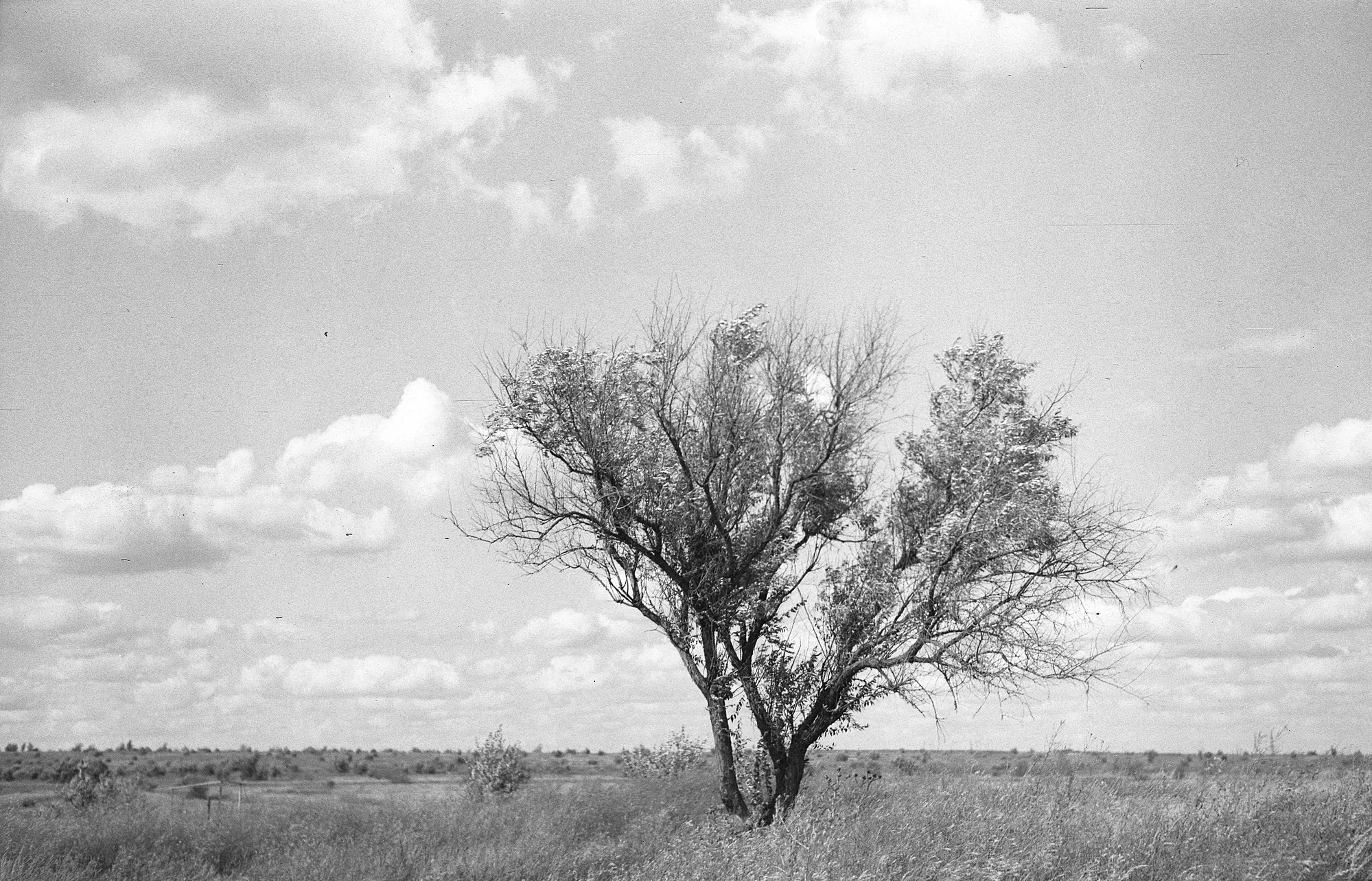
At the widest aperture, as expected for a lens of this type, there is noticeable background swirl, although it is of course far less pronounced than with Helios lenses.
Body and Ease of Use
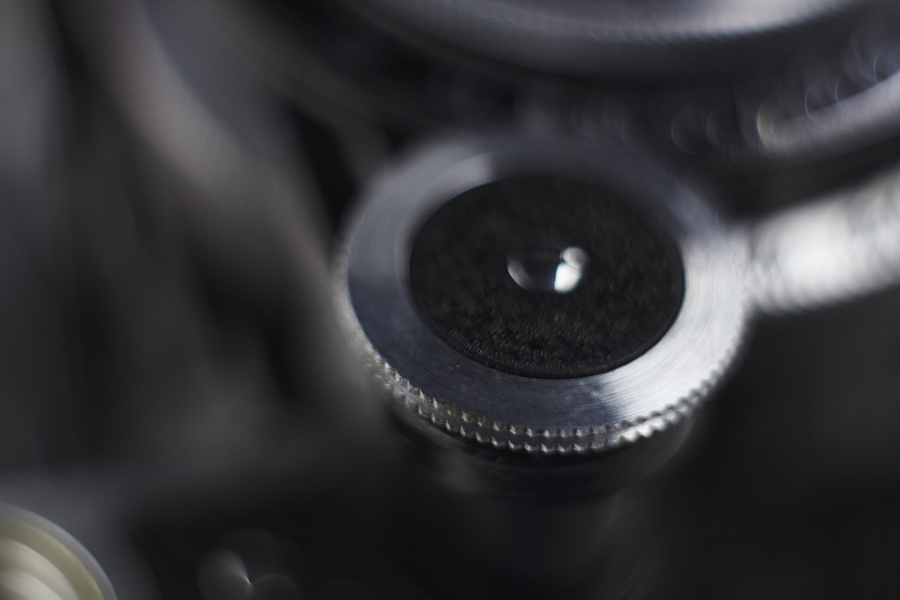
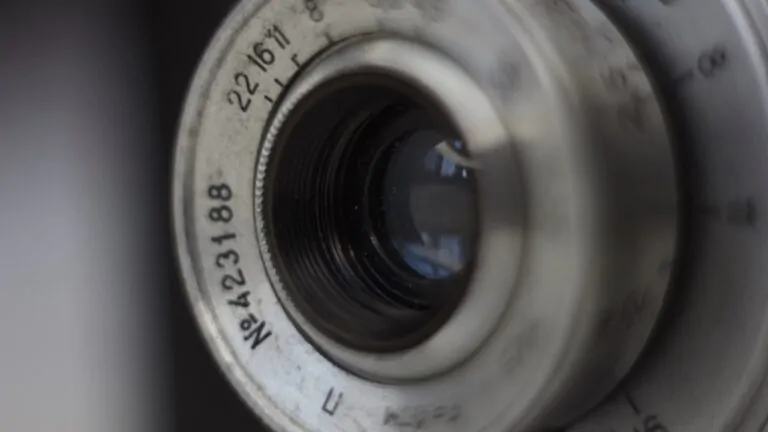
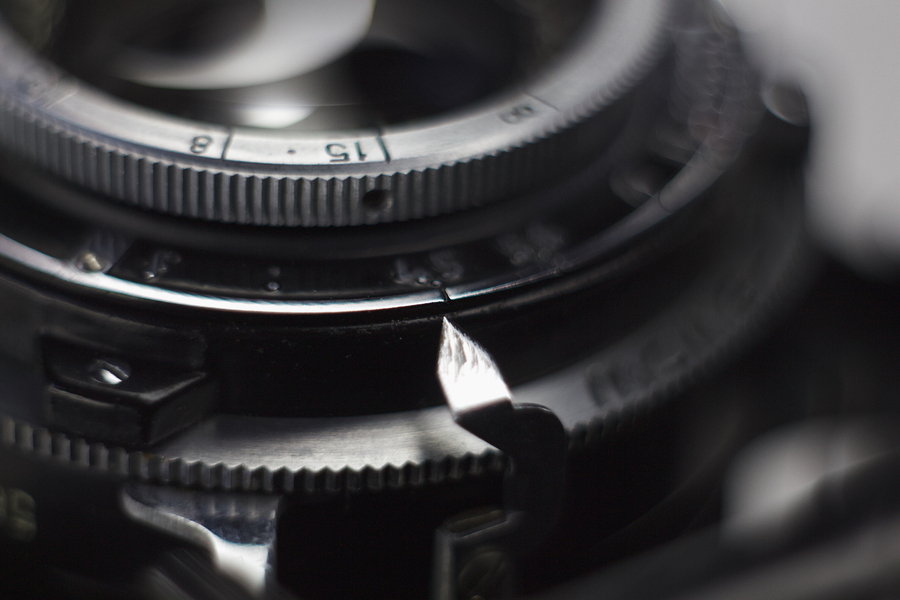
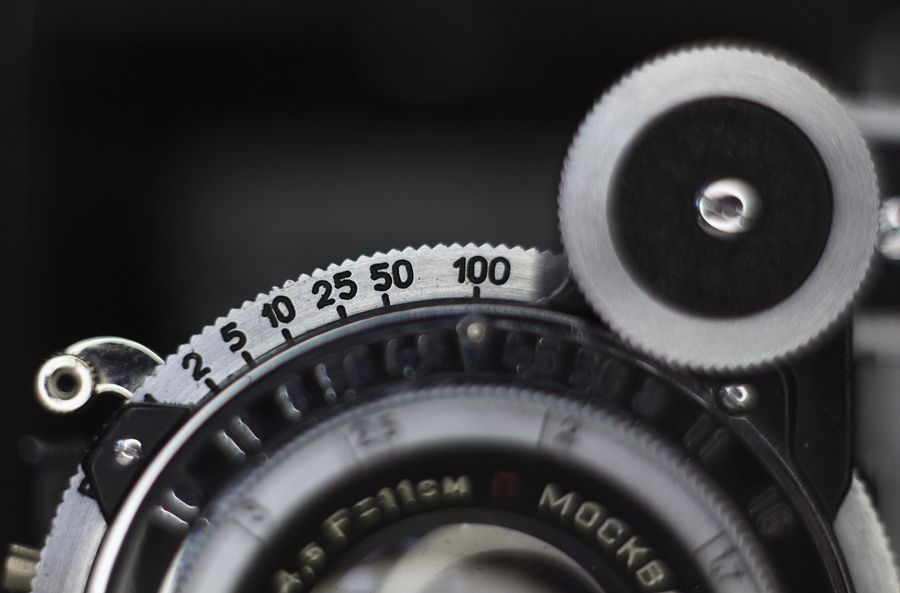
The Industar-23 110mm f/4.5 lens is non-interchangeable and permanently mounted into the camera body. All controls for both the lens and the shutter are located around the lens itself.
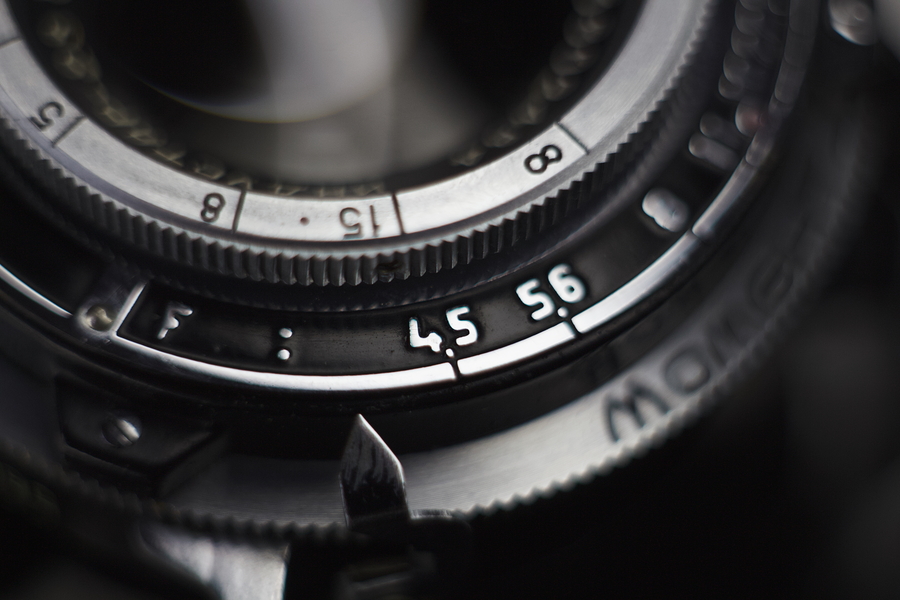
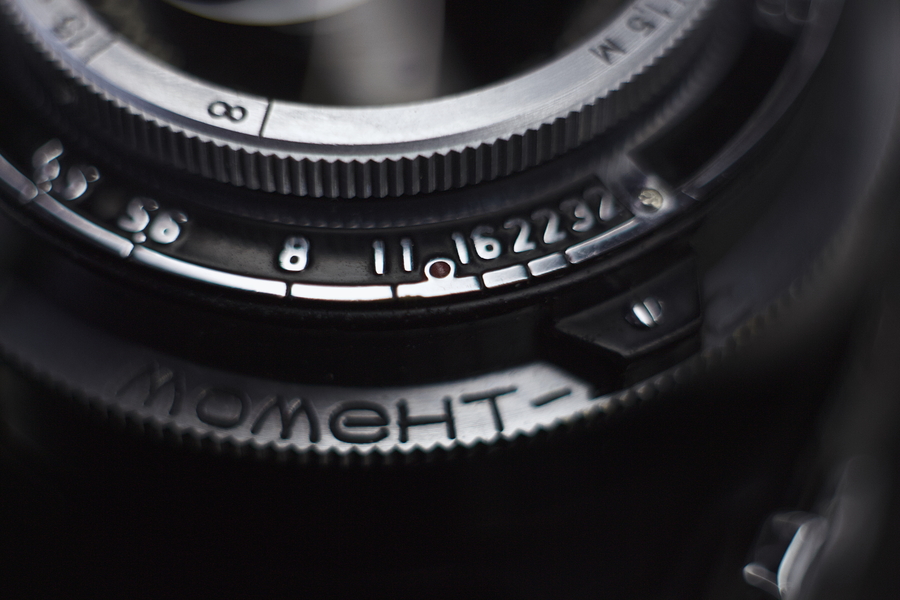
The aperture is controlled by a small pointer at the bottom of the lens, which is moved to the desired value.
Focusing can be done either by rotating the lens barrel or via the geared coupling that links the lens to the rangefinder mechanism.
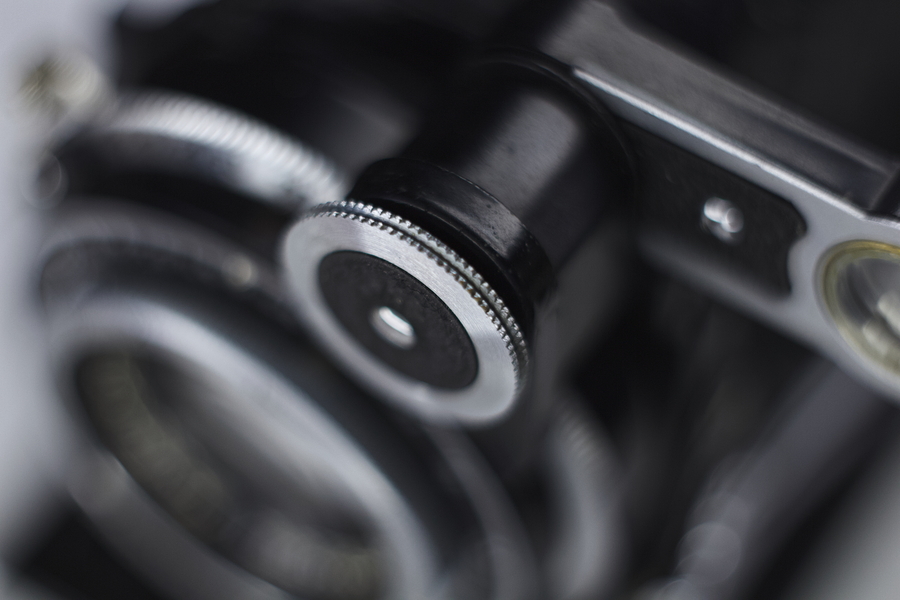
We do not recommend using the latter, as frequent operation of this small assembly can lead to misalignment of the lens calibration.
On the aperture scale, you can also find hyperfocal distance marks, which allow you to set the lens to these values and shoot without focusing within a certain distance range. It is also worth noting that the lens is very well built.
Conclusion
The Industar-23 110mm f/4.5 is a classic Tessar-type lens for medium format that delivers excellent image quality on its intended format.
The rendering is very plastic, with all the characteristics typical of the 6×9 medium-format frame.
This is a non-interchangeable lens and is fully usable only with its native Moskva camera, which in our view is more of an advantage than a drawback, as the strengths of this lens can be properly appreciated only on 6×9 film.
In theory, the lens can be removed and, through various modifications, mounted on digital cameras, but we see little practical sense in doing so.
This lens is best used in its original context and is capable of delivering results that go well beyond what modern digital cameras offer, specifically when working with medium-format film on its native camera.
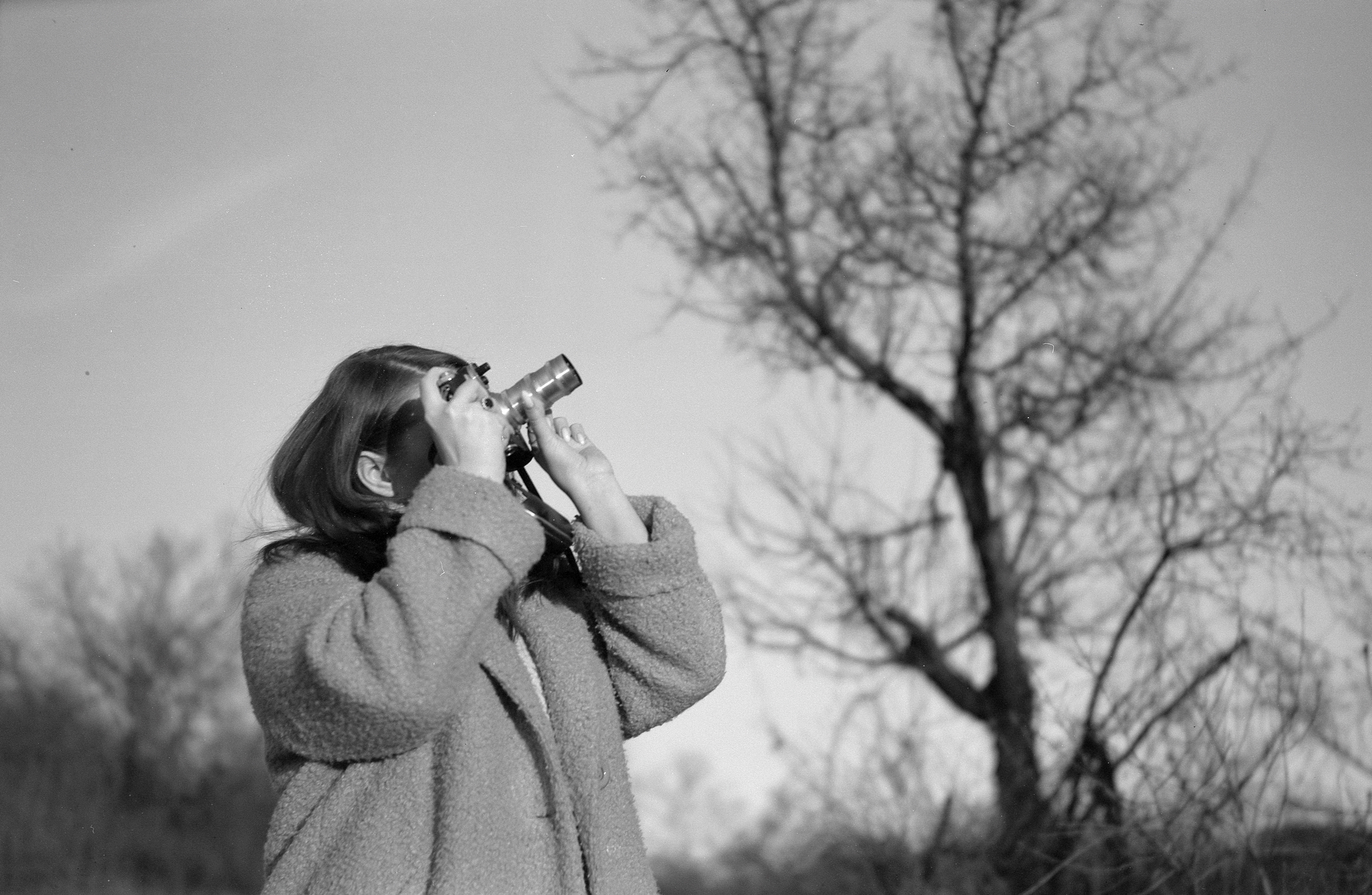
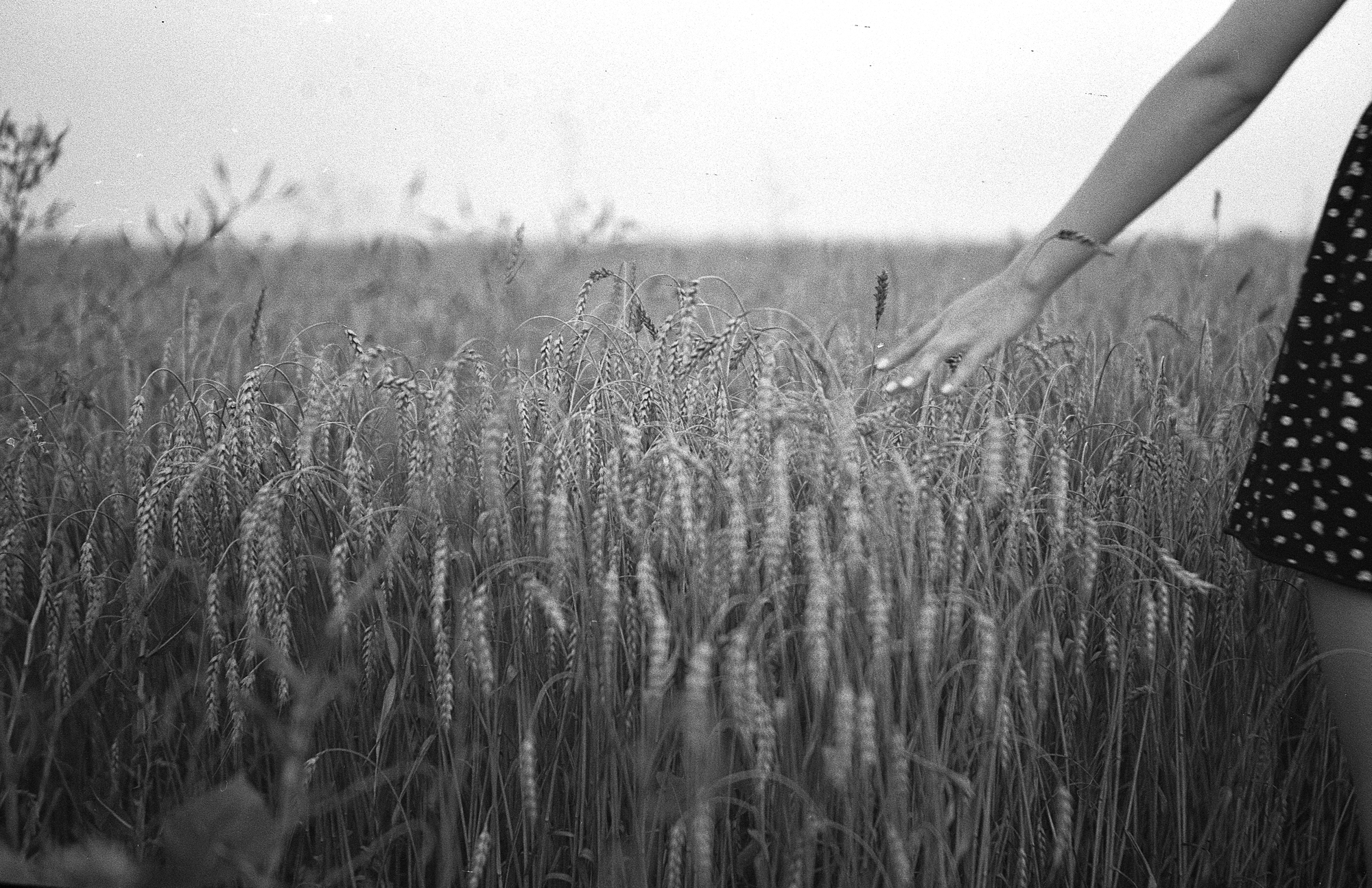
Industar-23 Sample Photos