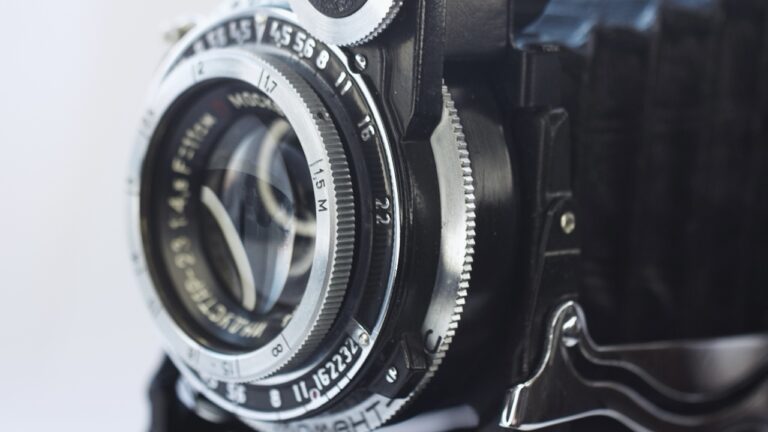
Triplet T-22 40mm f/4.5
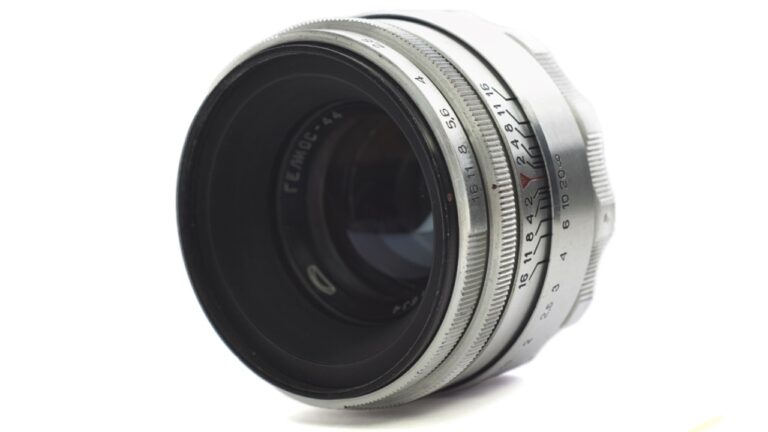
The T-22 with a 40mm focal length is a fixed, non-interchangeable lens designed according to the triplet optical formula for Smena cameras.
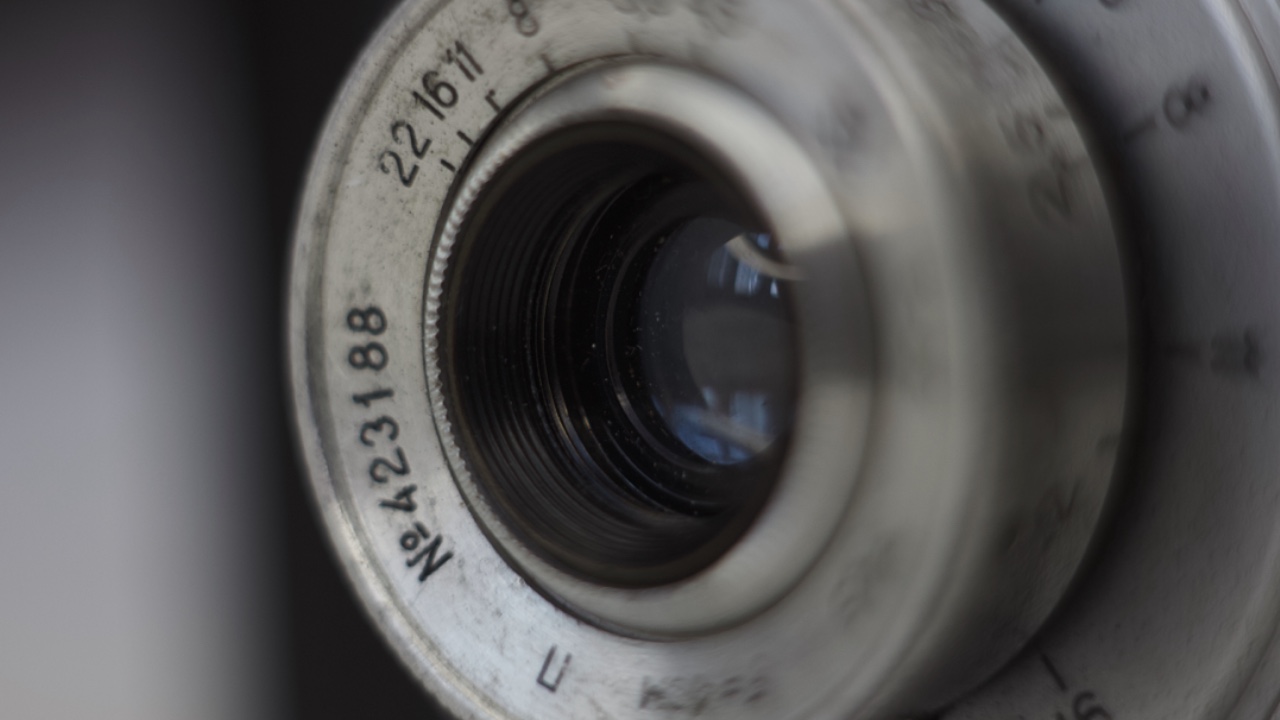
Triplet T-22 40mm f/4.5 Specifications
- Focal length: 40 mm
- Maximum aperture: f/4.5
- Minimum aperture: f/16
- Optical design: 3 elements in 3 groups, Cooke triplet
- Format: 24×36 mm
- Aperture blades: 7
- Mount: fixed
- Focus type: manual focus
- Aperture type: manual diaphragm
- Minimum focusing distance: 1.0 m
- Angle of view: approximately 57°
- Construction: aluminum and glass
- Lens coating: single-coated (later versions)
- Manufacturer: GOMZ / LOMO
Triplet T-22 40mm f/4.5 Overview
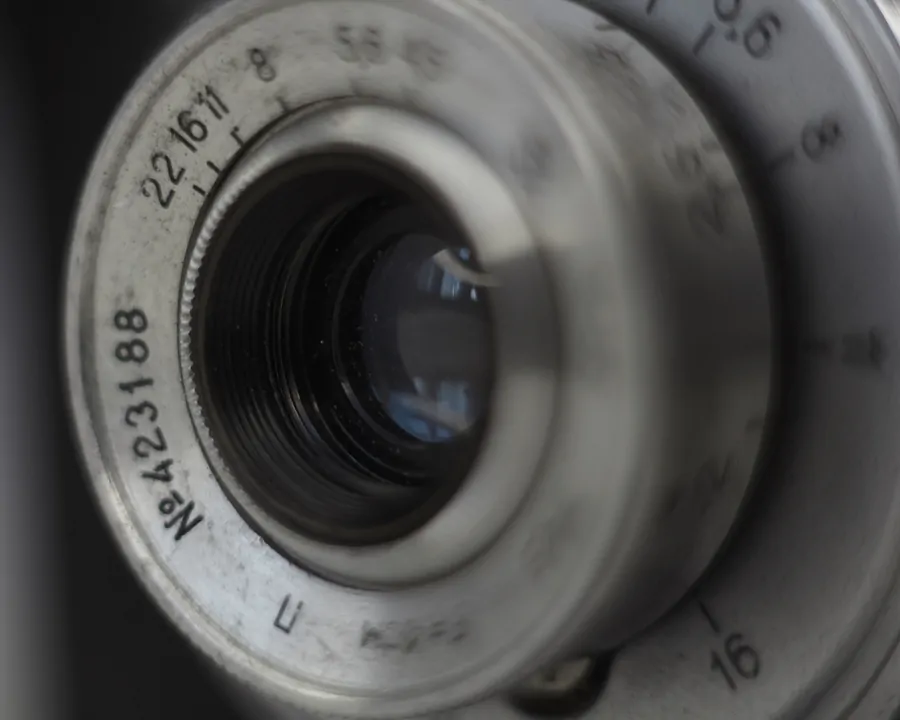
The Triplet T-22 40 mm f/4.5 lens was designed based on the Cooke triplet optical formula, which includes cemented lens elements.
This simple optical scheme was widely used to equip the most basic and affordable cameras in the Soviet Union, such as the Smena, Lubitel, and Vilia.
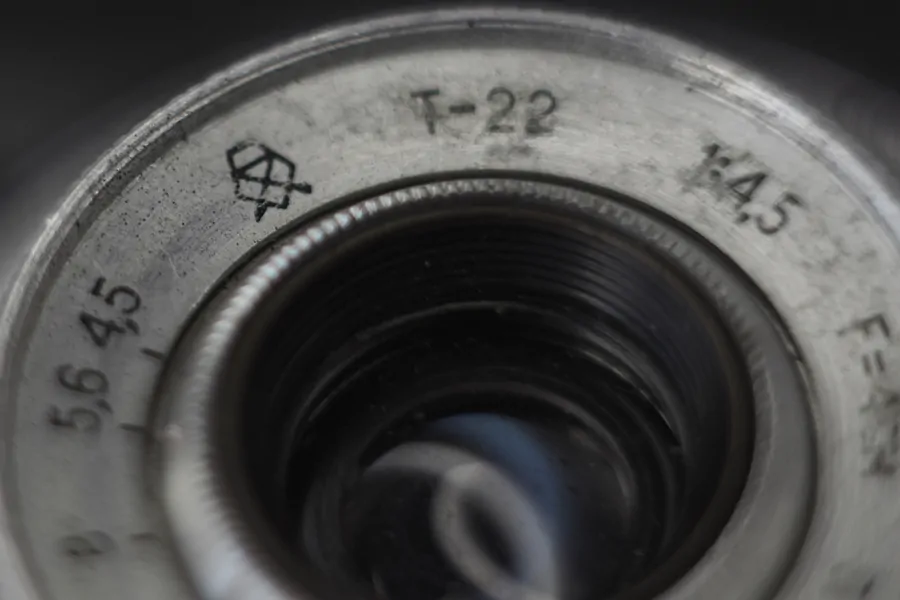
A large number of different triplet variations were produced in the Soviet Union, but the most common and widespread among them was the T-22.
In Smena cameras, this lens had a maximum aperture of f/4.5 and a focal length of 40 mm. This focal length sits between a standard and a moderately wide-angle lens.
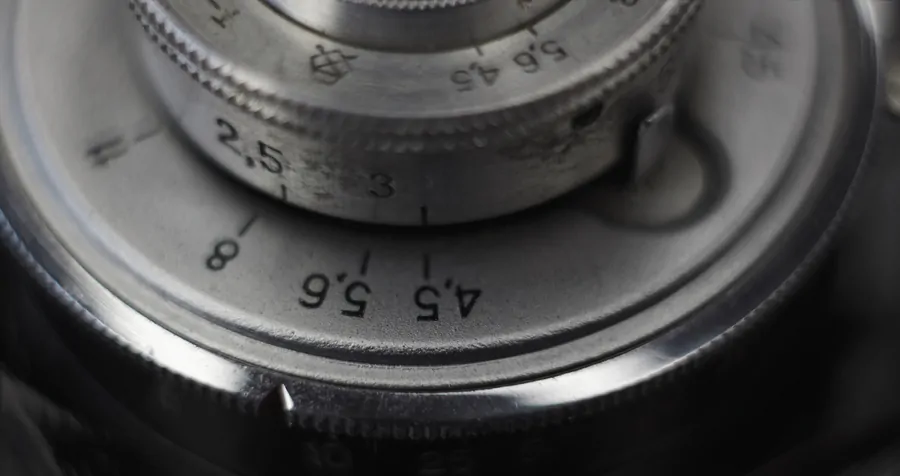
The choice of this focal length and angle of view was not accidental, as Smena cameras did not feature any focusing mechanisms such as a rangefinder or reflex system, which would have made focusing at longer focal lengths significantly more difficult.
A wider focal length, on the other hand, would have introduced noticeable perspective distortion, which would have been unnecessary for most everyday scenes.
The f/4.5 aperture was also a reasonable compromise. Designing faster lenses for such simple and inexpensive cameras would have been impractical, while a slower lens – like those found on some other Smena versions – would have been too limiting in practical use.
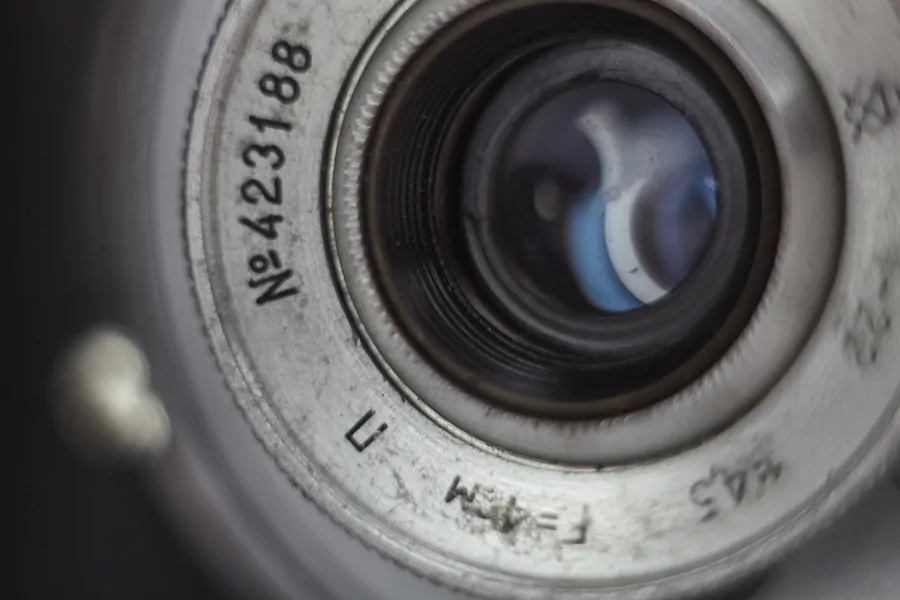
The T-22 40 mm f/4.5 lens, like most other Soviet triplet lenses, is non-interchangeable and incorporates controls for both the lens itself and the camera.
T-22 Lens History and Background
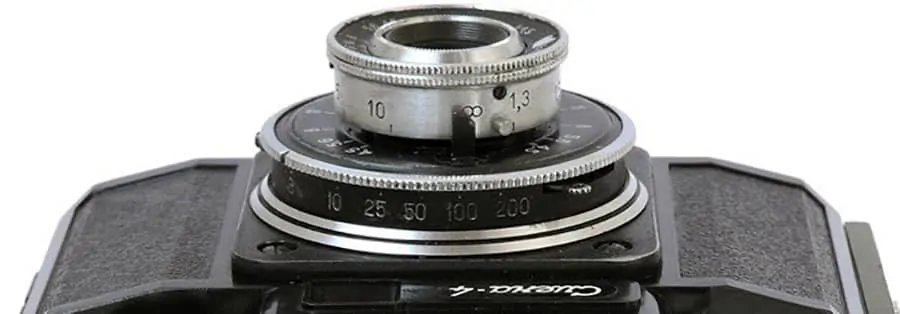
The history of the T-22 triplet lens begins in the same place as that of most triplet lenses created in the Soviet Union and worldwide – with the Cooke triplet optical formula.
After World War II, there was a strong need to meet the demand for photographic equipment for very different groups of users.
For professional or semi-professional photographers, cameras like the FED and Zorki were available; for more demanding tasks requiring higher detail, the Moskva cameras were produced. To cover the needs of beginners in 35 mm photography, the Smena camera was developed.
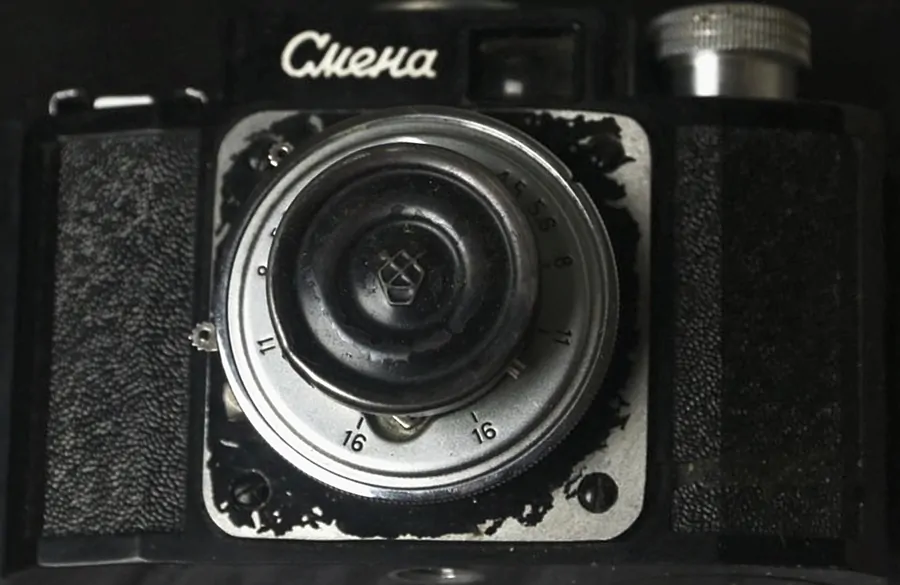
The medium-format counterpart to this concept was the Lubitel, which was developed at the same factory and shared the same basic design principles as the Smena.
The camera had to be very simple, inexpensive to manufacture, yet as functional as possible for its price. The lens was expected to meet the same requirements, and the triplet optical formula was well suited to this task. As a result, lenses based on this scheme were chosen for both the Smena and the Lubitel.
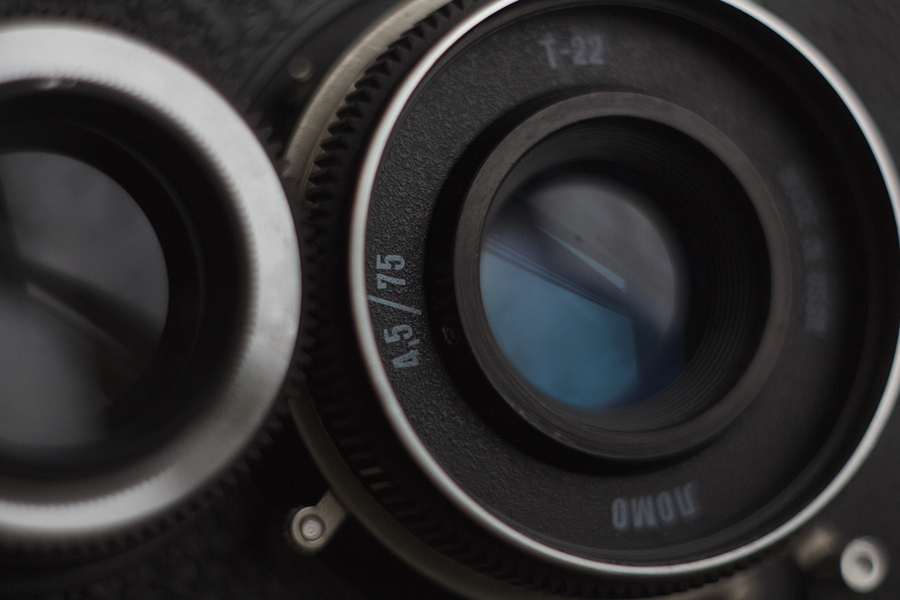
This lens was supplied on most Smena cameras, while the medium-format version with a 75 mm focal length was used on the Lubitel. Only in the very late versions of the Smena was this lens replaced by another design, which was still a triplet and had similar specifications.
Triplet T-22 40mm Optical Performance

The T-22 40 mm f/4.5 is a triplet, and all of its optical characteristics follow from this. The triplet used on Smena cameras is quite successful and well executed.
Despite its simplicity, it should not be underestimated, as the lens is capable of producing fairly high image quality. These lenses have always been valued for their very good sharpness in the center of the frame, and the T-22 triplet fully meets this expectation.
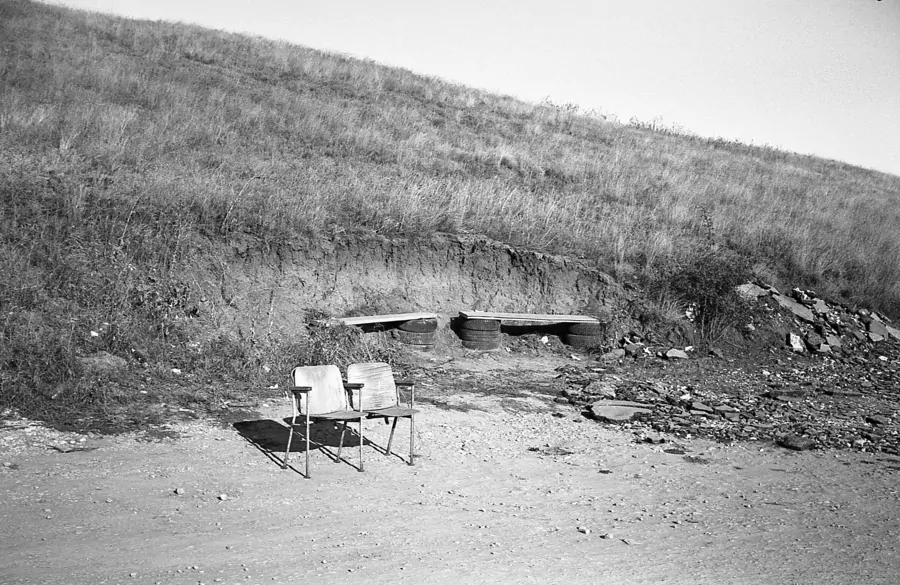
The image produced by this triplet is indeed quite sharp in the center, with a clearly noticeable softness toward the edges of the frame. Vignetting is also clearly visible at the edges.
These two characteristics – edge softness and vignetting – combined with a relatively sharp center and slightly swirling background blur, create the distinctive look associated with triplet lenses and, more broadly, with many classic lenses from the early to mid-20th century.

The lens has relatively low contrast, which, in our view, is more an interesting characteristic than a drawback. As for color rendition, it can vary depending on the specific sample, but it is most often neutral and soft, with a smoothing of bright tones.
As you can see, this lens has many distinctive traits that we do not consider disadvantages, but rather features – or even advantages.

Lenses like this should not be judged by the standards of modern high-precision optics, as they occupied a very specific niche even in their own time, and even more so today.
Lens Build and Usability
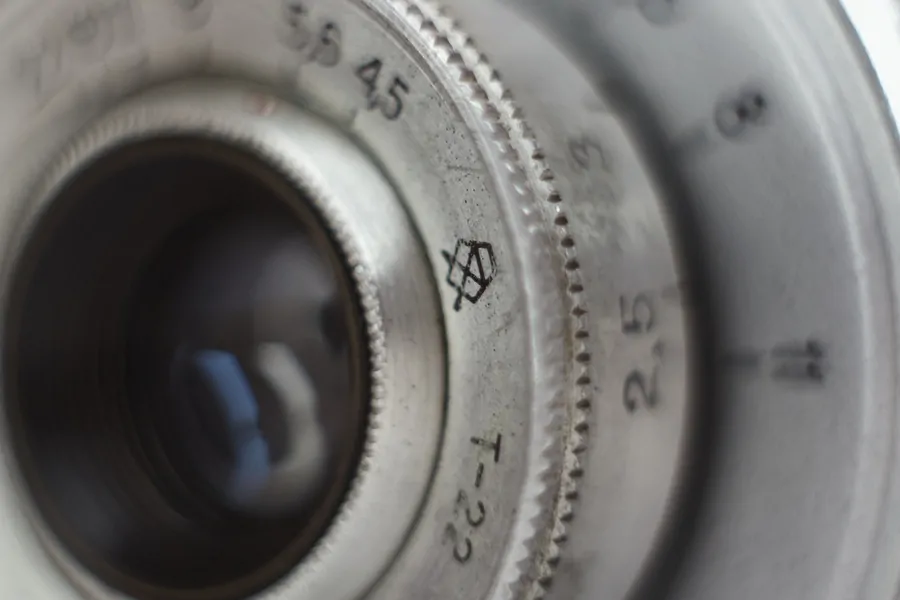
The T-22 triplet lens was mounted on cameras made of bakelite, and later of plastic. However, the lens itself is constructed entirely of metal – specifically aluminum – and glass.
This is a positive aspect, as the lens contains no plastic parts at all, which has a beneficial effect on its overall optical integrity.
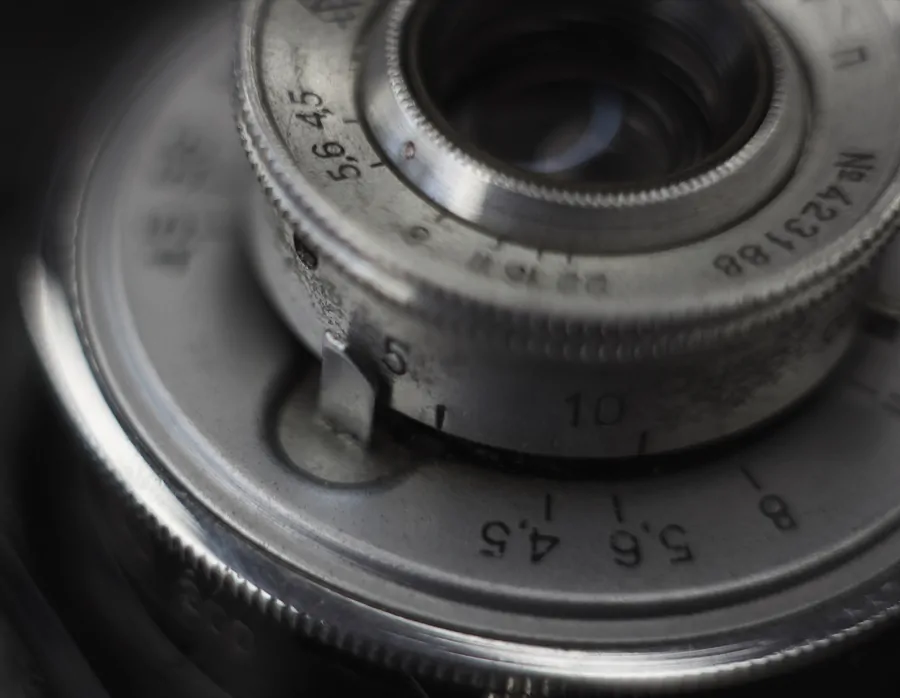
Despite its simplicity, the lens features a relatively large number of aperture blades, which makes it surprisingly interesting, especially considering that many much more expensive, high-quality lenses have significantly fewer diaphragm blades. A higher blade count helps produce smoother, more rounded highlights in the out-of-focus areas.
The lens construction is quite distinctive and follows control principles typical of cameras from the early to mid-20th century.
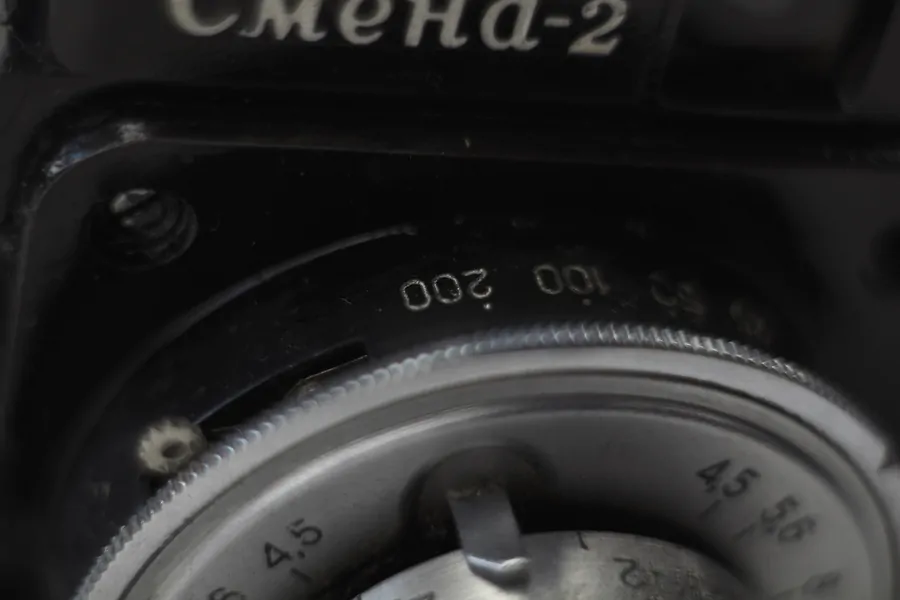
Nearly all controls, both for the lens and for the camera as a whole, are arranged around the lens barrel. Aperture control, focusing, shutter speed, self-timer, and other functions are all located around the lens mount area.
Despite the unusual layout of the controls, focusing is performed in a classic manner – by rotating the lens itself.
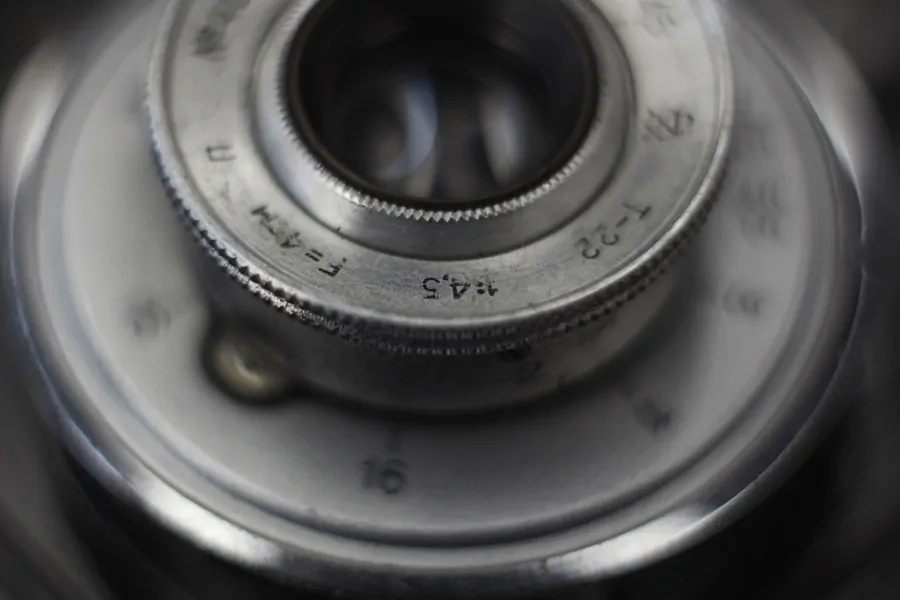
The aperture, however, is controlled in a less familiar way for many users, via a very small ring around the front element of the lens.
Since this lens was most often mounted on scale-focus cameras, rotating the focusing ring does not produce any visible changes in the viewfinder image.
Conclusion
The T-22 triplet lens is a good example of a case where its appearance and market positioning should not be misleading.
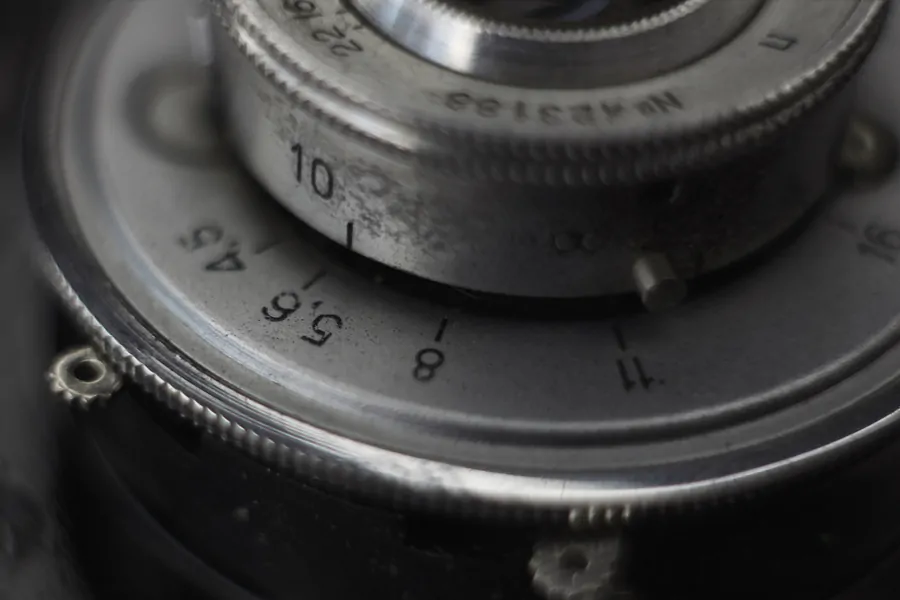
The lens was installed on cameras intended for complete beginners and even children. It featured a distance scale with pictograms such as people, houses, and trees, as well as shutter speed markings represented by clouds and sun icons.
However, despite this seemingly unserious approach, the lens is capable of producing genuinely interesting and atmospheric images.
Like the Smena camera itself, this lens is not a toy, but a real photographic tool for creating distinctive and unusual photographs.
It can produce images that modern cameras often simply cannot replicate, and this is precisely what makes it interesting – especially when used with black-and-white or color film.
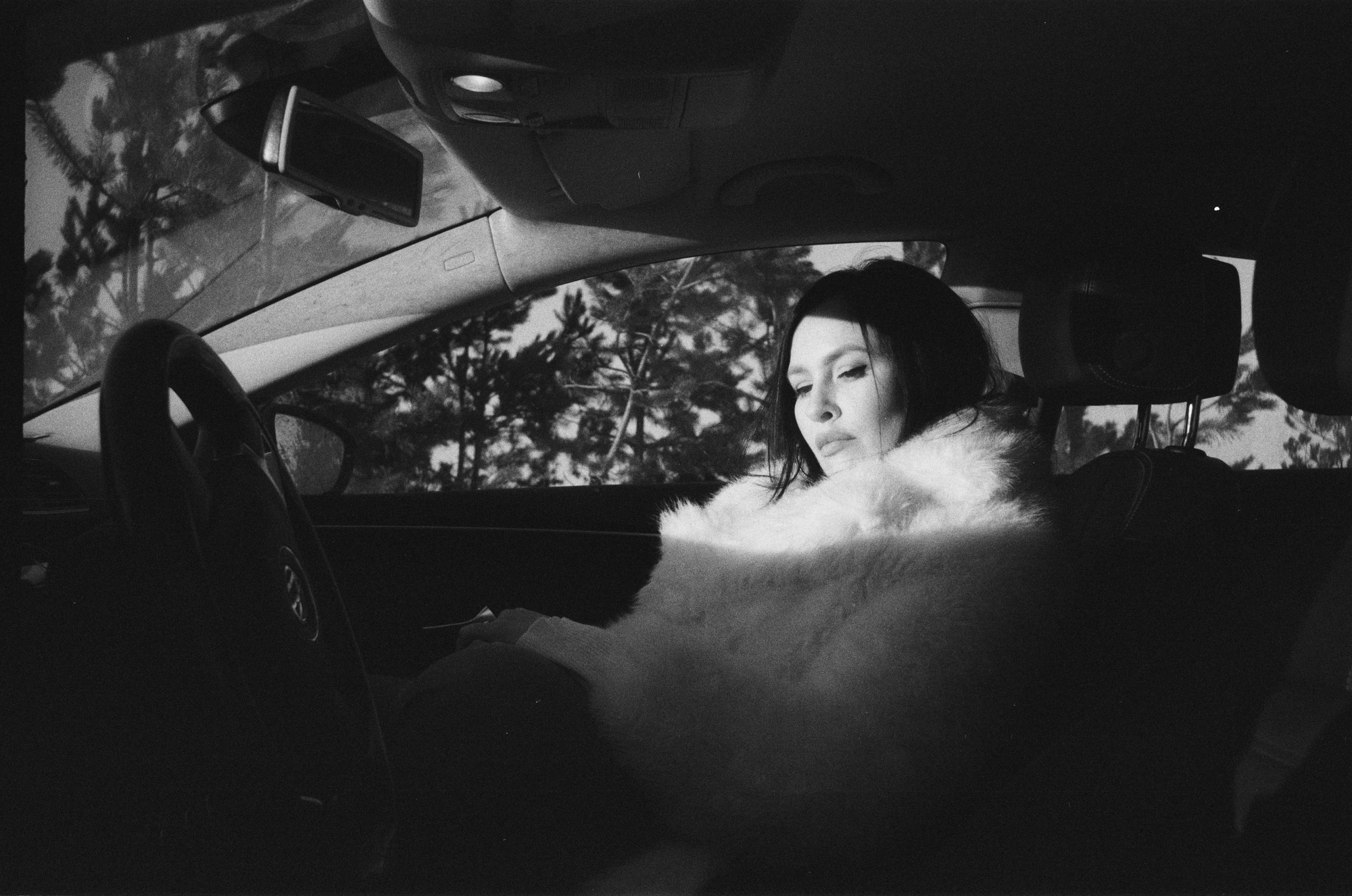
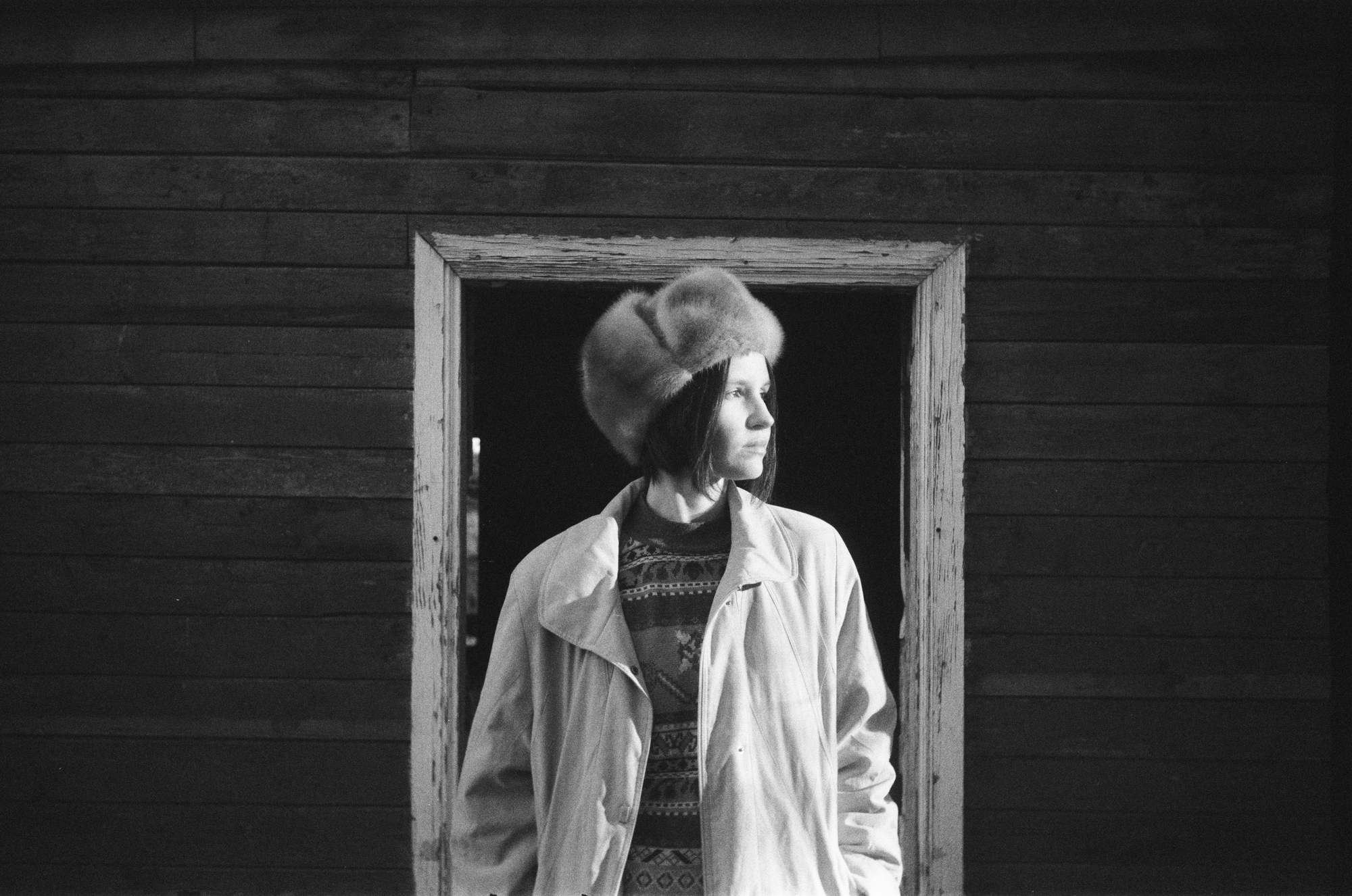
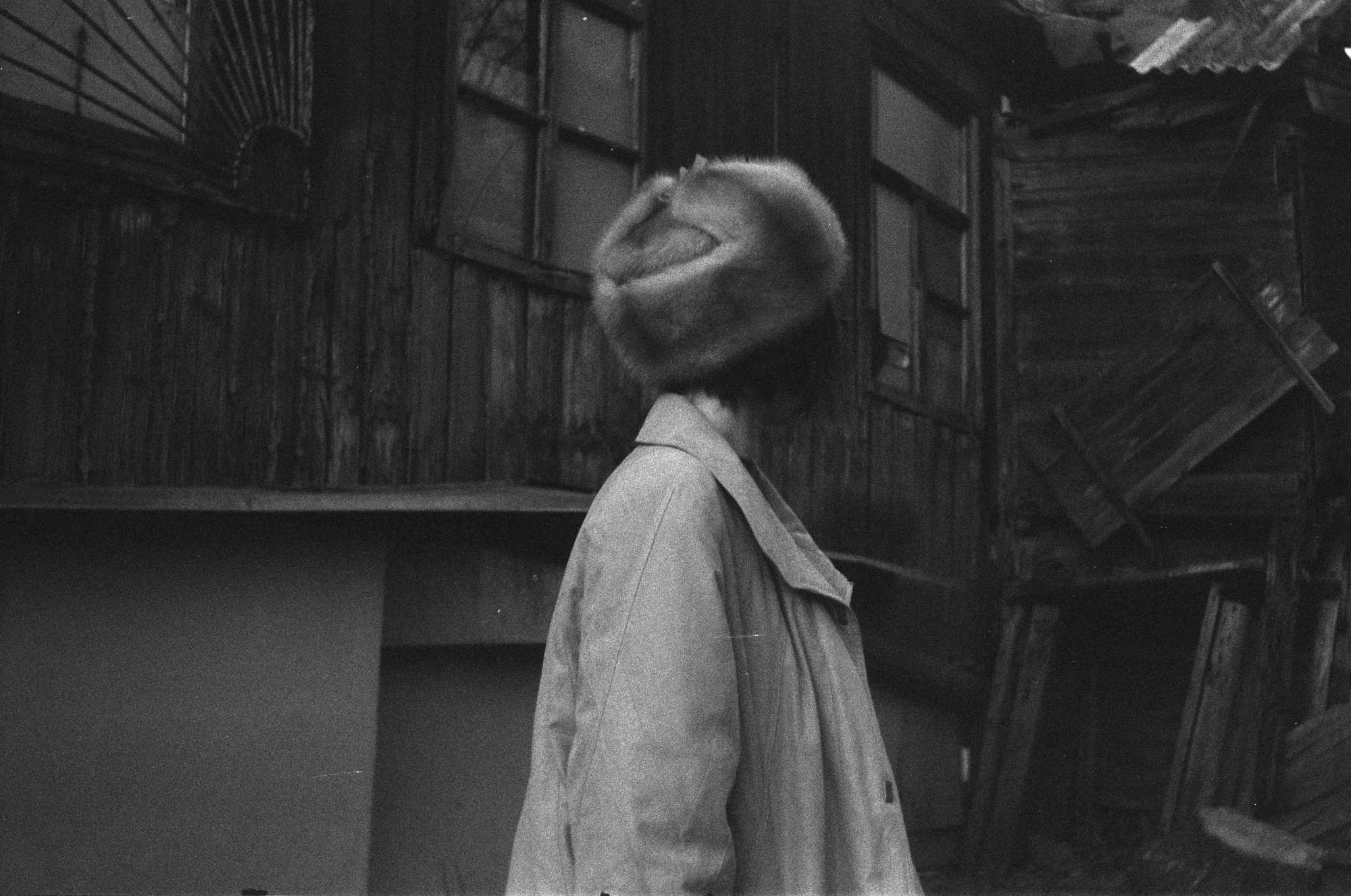
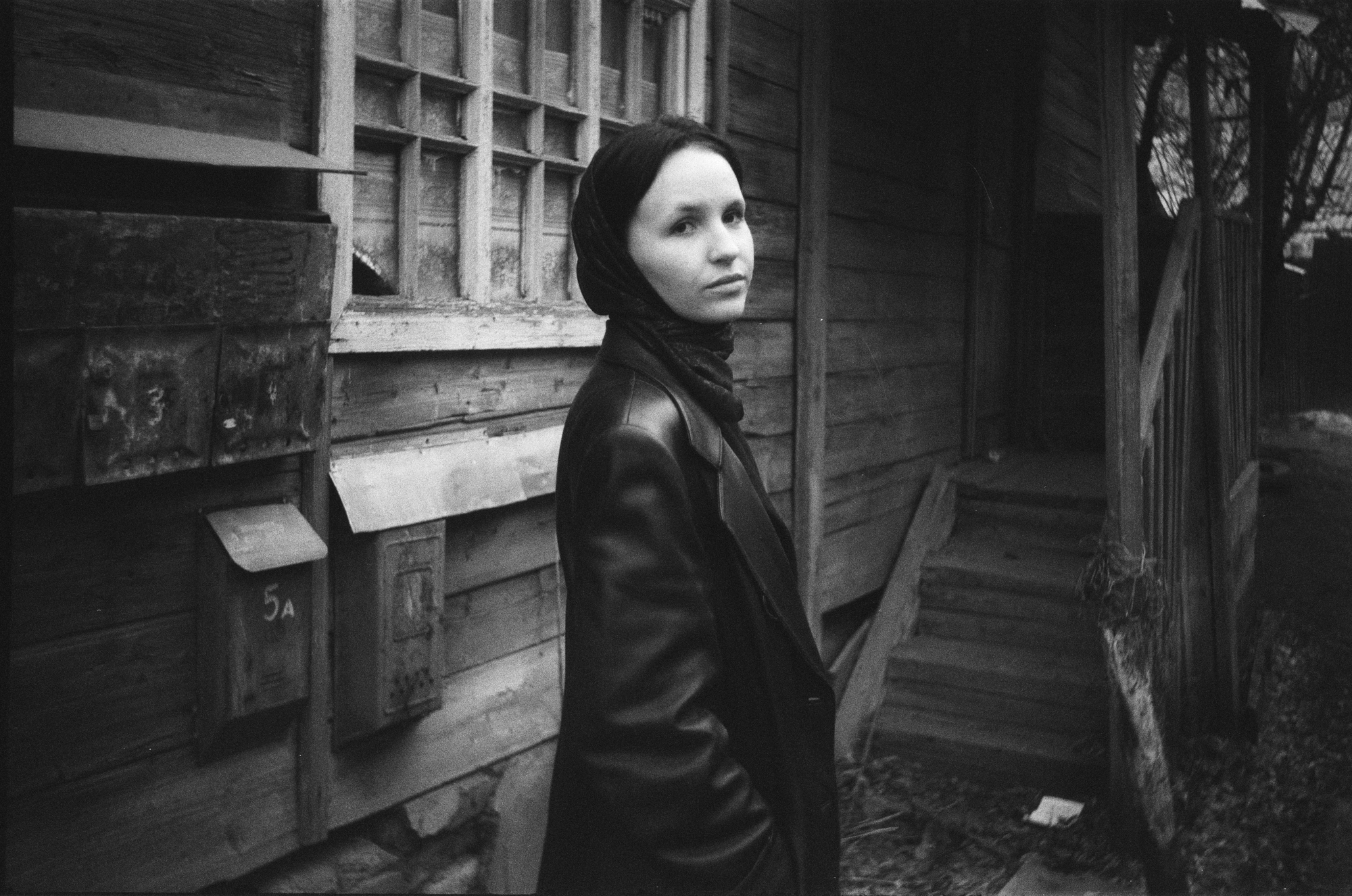
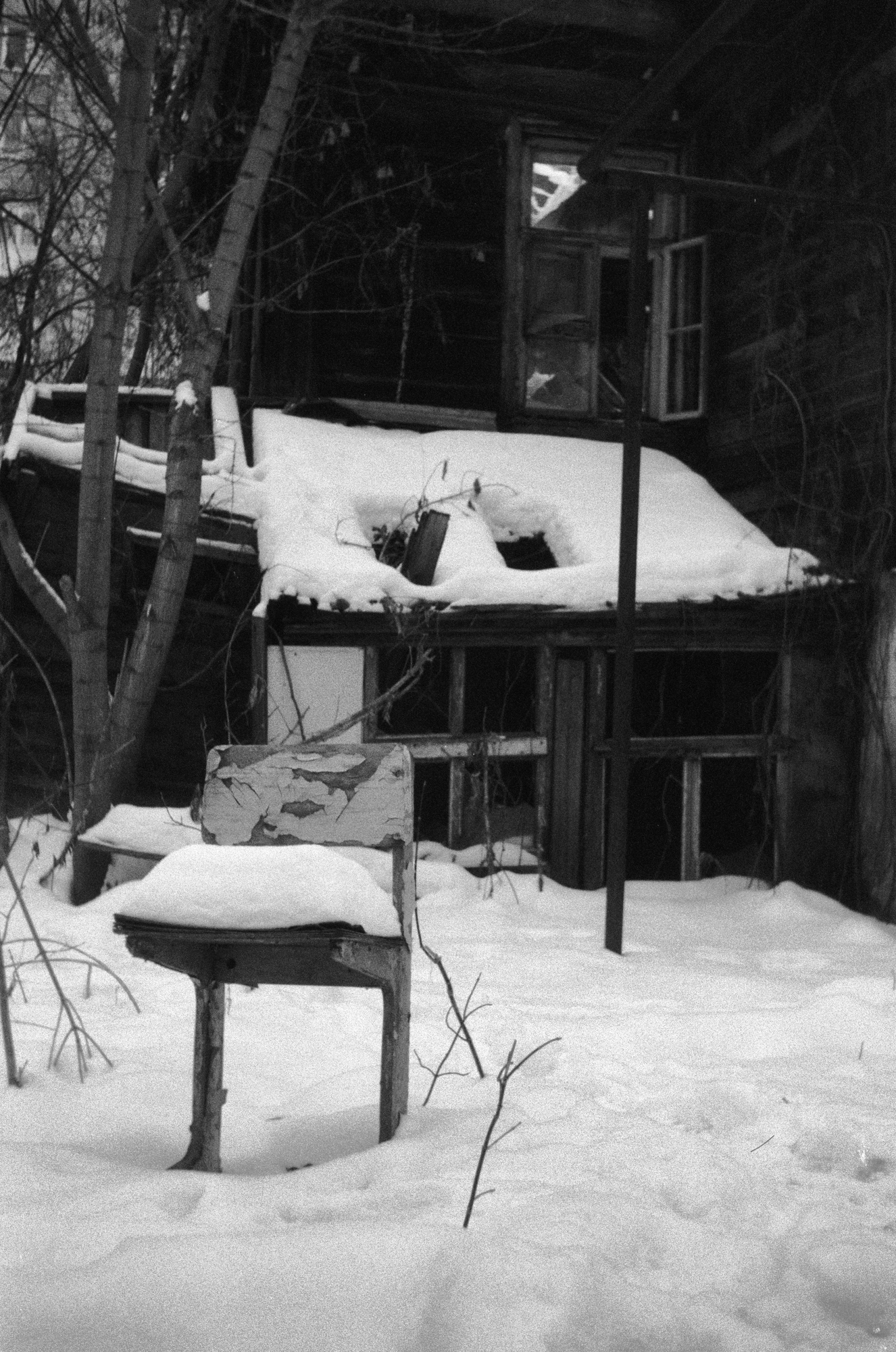
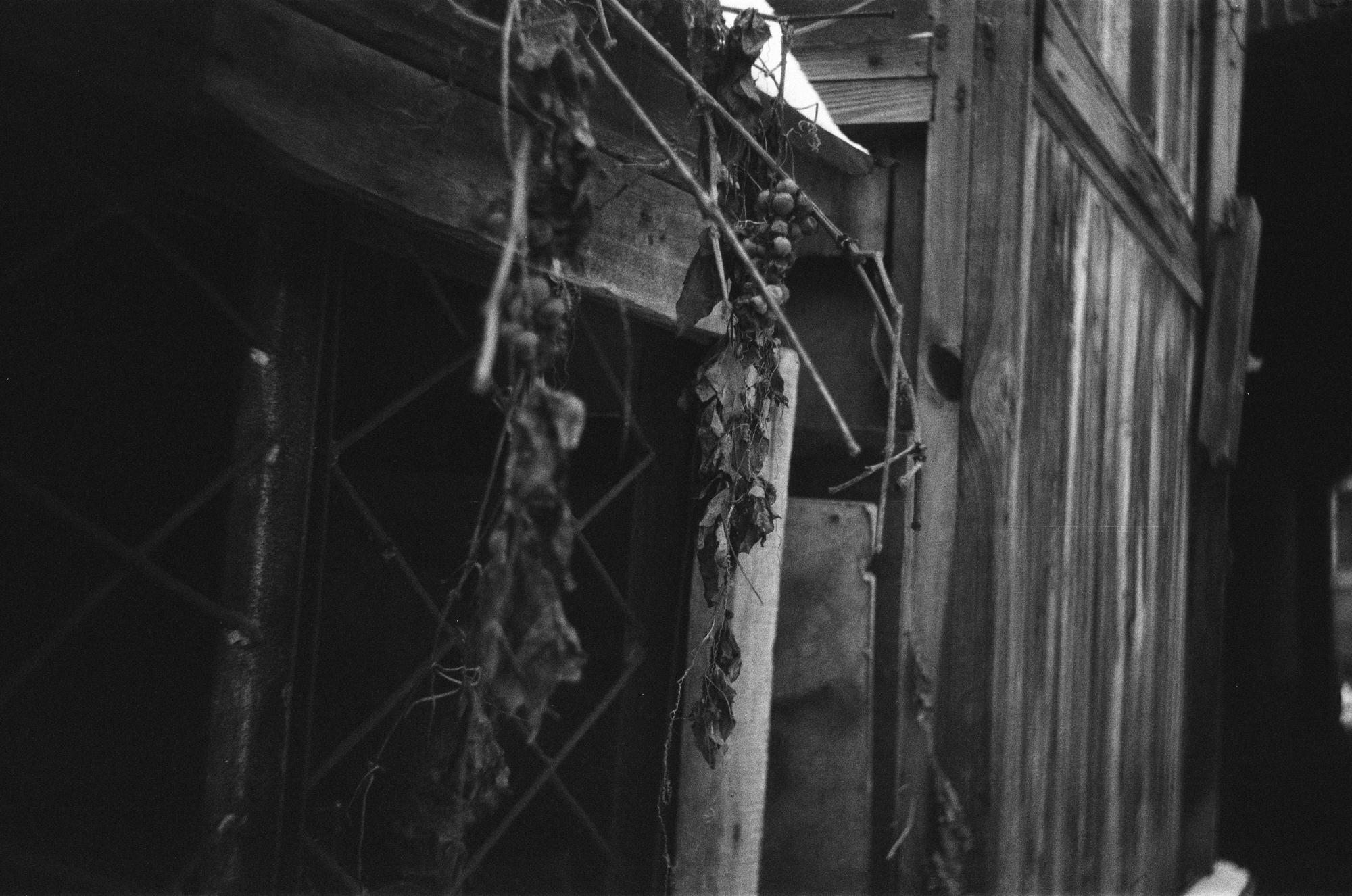
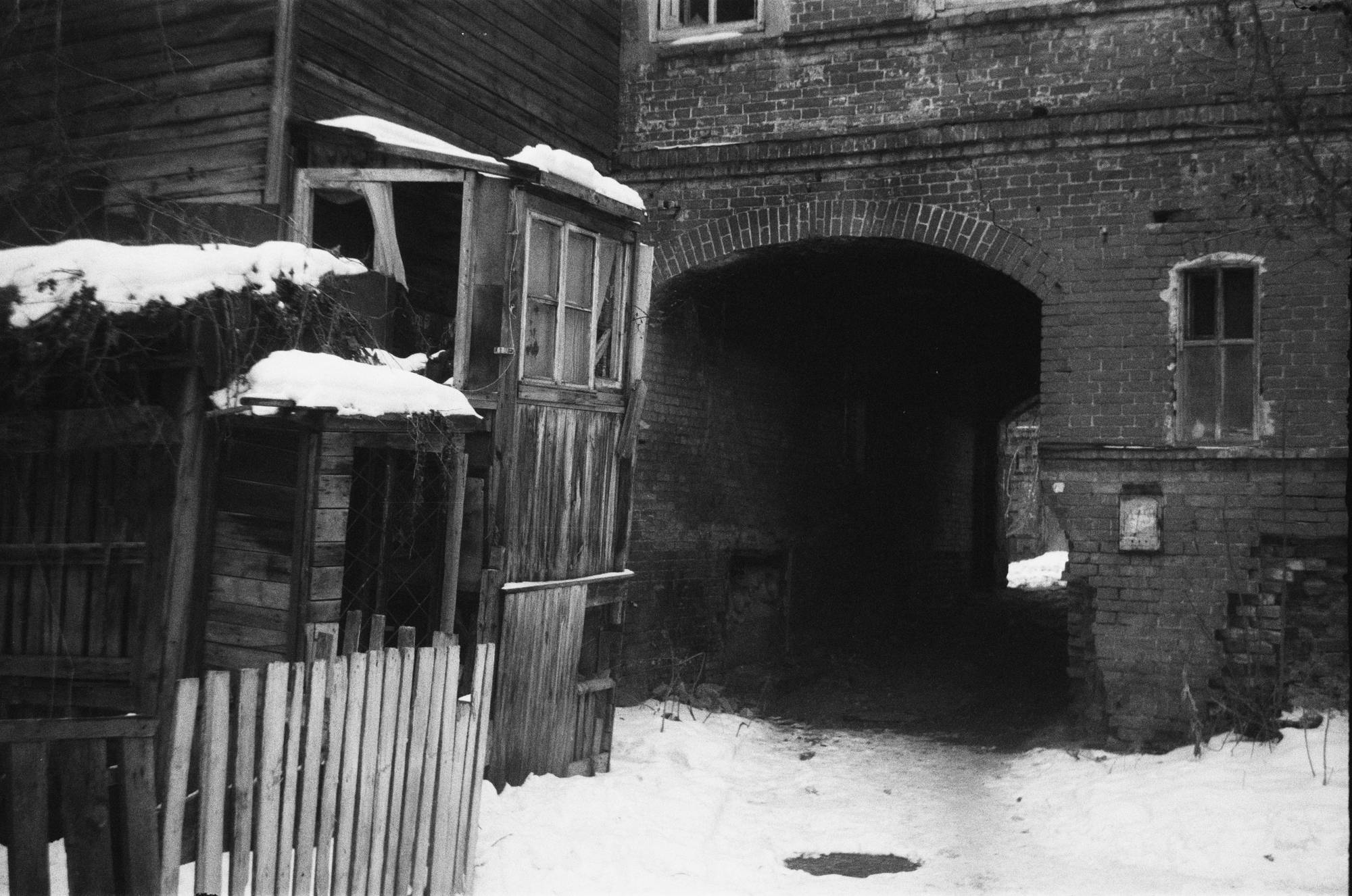
Triplet T-22 Sample Photos