Kiev-2
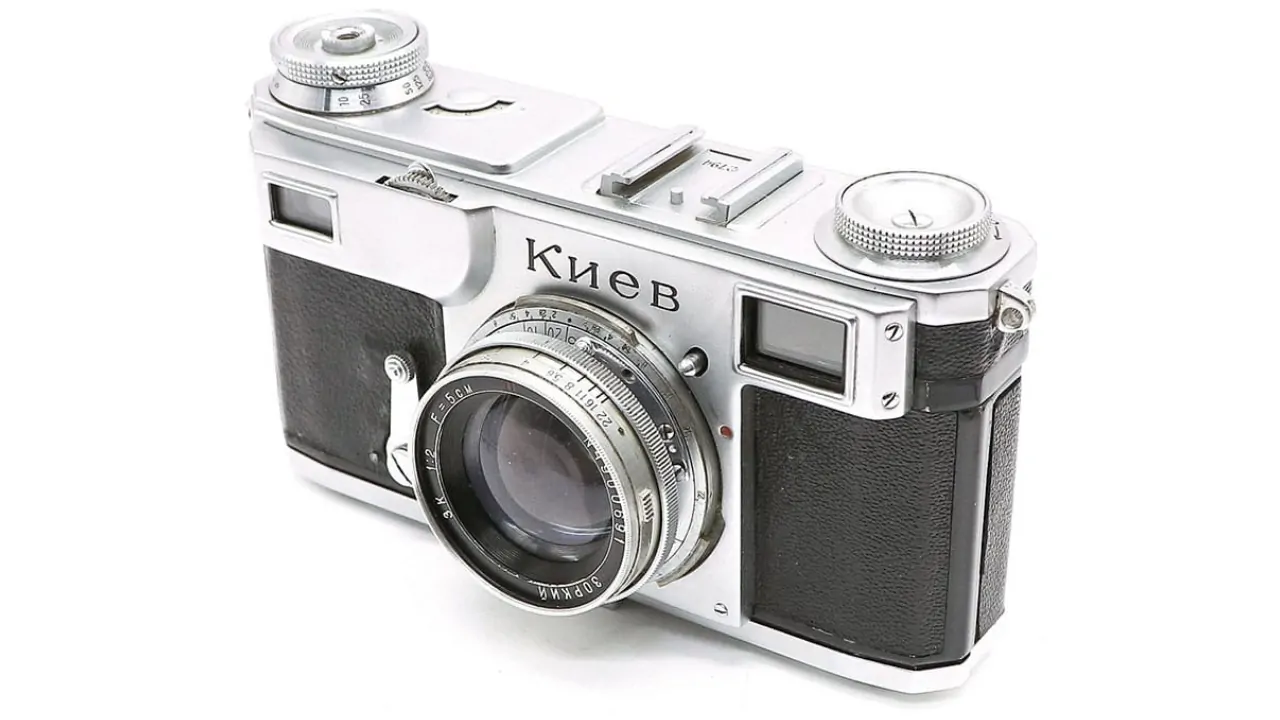
The Kiev-2 is a 35mm rangefinder camera manufactured at the Arsenal factory and represents the Soviet version of the Contax.
Kiev-2 Specifications
- Type: 35mm rangefinder camera
- Manufacturer: Arsenal plant
- Production period: from 1947 to 1955
- Format: 24×36 mm on 135 film
- Lens mount: Kiev/Contax RF mount
- Lens: Jupiter-8 f2.0/50 or Jupiter-3 f1.5/50
- Rangefinder base: 90mm
- Shutter: focal-plane shutter with speeds from 1/2 to 1/1250 sec.
- Viewfinder: optical parallax viewfinder combined with the rangefinder
- Light meter: none
- Flash synchronization: none
- Self-timer: mechanical
- Weight: 710 grams
Kiev-3 Overview
The Kiev-2 or Kiev-II camera is a classic Soviet rangefinder produced between 1947 and 1955. It was developed on the basis of the German Contax II camera manufactured by Zeiss Ikon, whose production equipment was taken by Soviet forces during World War II. The Kiev-II is a fully mechanical camera and does not feature a built-in exposure meter.
As is well known, the Soviet Union often used developments from other countries when creating its own cameras. In some cases these were complete clones, such as the Zorki-1 or Moskva-1, while in others they involved less obvious borrowings of ideas from German and Japanese engineers.
However, the case of the Kiev rangefinder cameras is special, as they were neither clone cameras nor an original in-house development.
The Kiev-2 camera is essentially the Contax camera, which was produced in the Soviet Union.
After the Allied victory in World War II, the Soviet Union relocated the Zeiss Ikon factories to the city of Kiev, bringing with them all the documentation and even many of the plant’s engineers and workers.
Beginning in 1947, production of the Contax II (without a selenium light meter) and Contax III (with a selenium light meter) cameras was launched under the names Kiev-II and Kiev-III.
Despite the fact that the cameras were produced not in Germany but in the Soviet Union, they largely retained their high quality and were valued by photographers for their reliability and functionality.
Kiev-2 Mount and Lenses
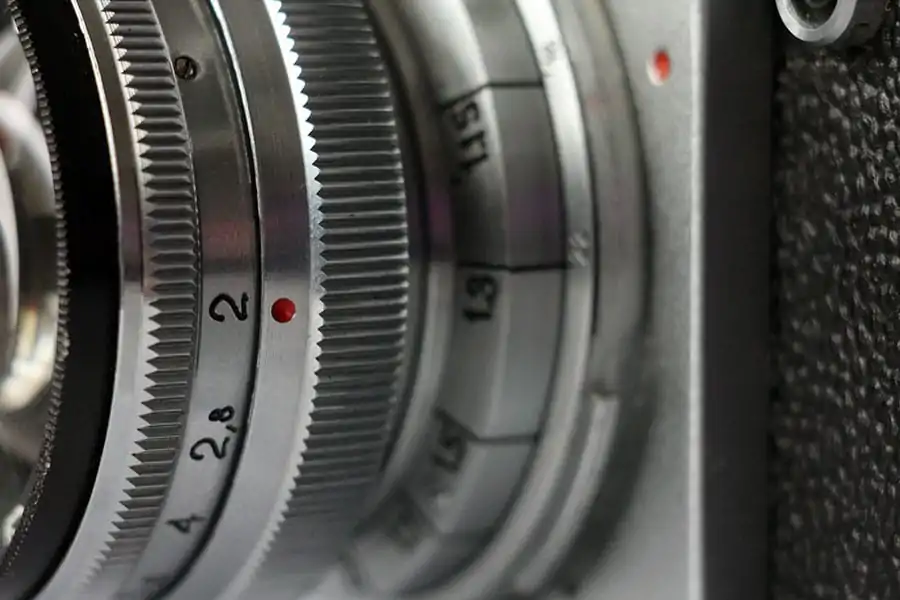
The lens of the Kiev-II camera, as well as other rangefinder models produced at the Arsenal plant, is mounted to the body using the Contax/Kiev RF bayonet mount.
As the name suggests, this mount allows the use of not only lenses produced at the Arsenal plant, but also original Carl Zeiss lenses designed for the Contax RF system.
To mount a lens, the camera mount must first be set to the infinity position. After that, align the red mark on the lens with the red mark on the mount, insert the lens, and rotate it counterclockwise until it locks into place.
When a standard 50 mm lens is mounted, focusing is performed using the helicoid built into the camera body. When mounting wide-angle or long-focus lenses, focusing is handled by the helicoid built into the lens itself.
Lenses available for the Kiev-II system cover focal lengths from 35 mm to 135 mm. They were produced with various maximum apertures, which affect low-light performance and depth of field control.
Depending on the production year, the standard lens for the Kiev-II could be the Jupiter-3 50 mm f/1.5 or the Jupiter-8 50 mm f/2. All of these lenses offer very high image quality. In addition, the system includes a range of wide-angle and telephoto lenses, which also maintain a high optical standard.
Kiev-2 Shutter
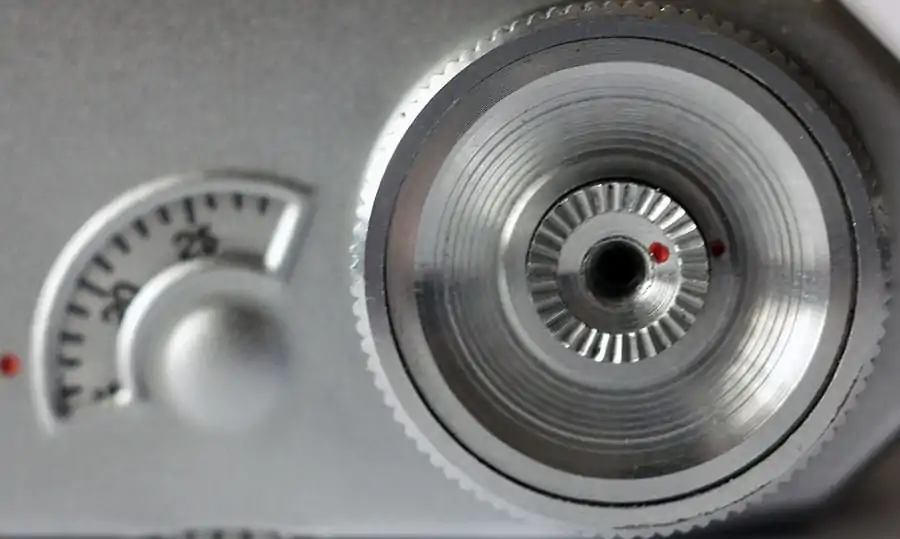
The shutter of Kiev-II cameras, as well as other Kiev rangefinder models, is fully mechanical and located inside the camera body. It consists of metal shutter blades that move vertically and control the exposure time of the film. Unlike many Soviet rangefinder cameras, Kiev rangefinders use a vertical-travel shutter.
The vertical shutter operates as follows: when you press the shutter release button, the shutter opens, allowing light to pass through the lens and reach the film. The amount of time the shutter remains open determines the shutter speed, which is measured in seconds or fractions of a second.
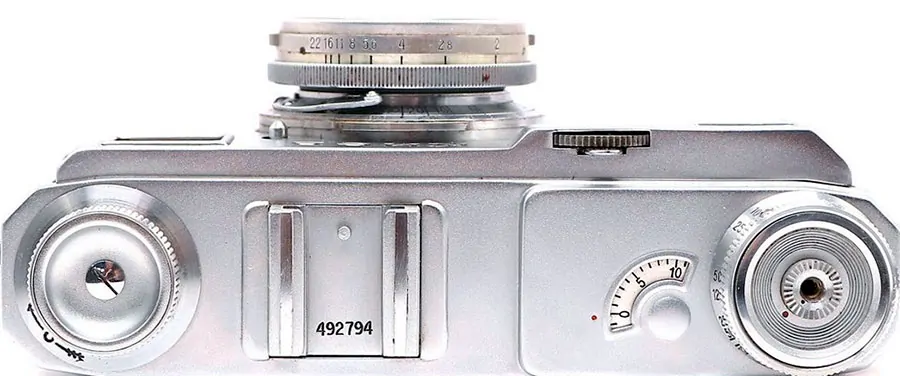
Shutter speeds on Kiev-II cameras range from 1/1250 second to 1/2 second. To select the desired shutter speed, a special control wheel located on the top plate of the camera is used.
Such a shutter speed range was very advanced not only for the Soviet photographic industry of that period, but also by global standards.
For example, on most Soviet cameras of those years, shutter speeds were limited to a range from 1/25 to 1/500 of a second, which, while sufficient for many shooting situations, often imposed noticeable limitations on the photographer.
Kiev-II cameras also allow the use of slow shutter speeds, making long exposures possible for low-light photography or motion effects. To do this, the shutter speed is set to “B” mode, and the shutter button is held down for the duration of the exposure.
Kiev-2 Body
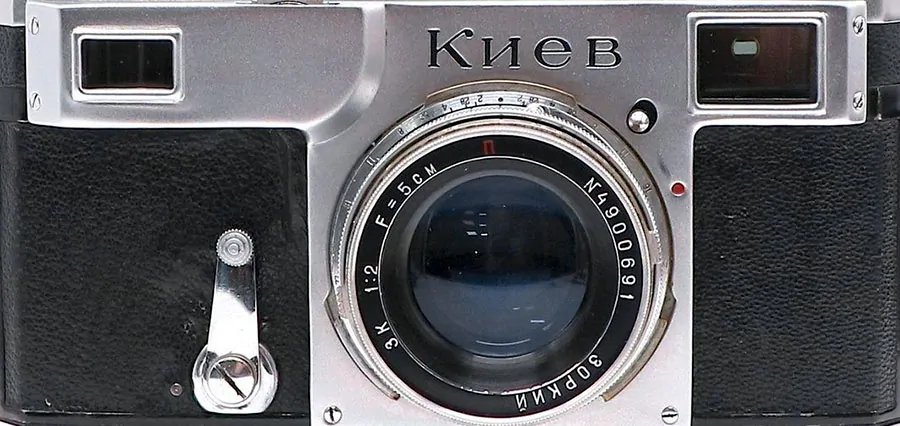
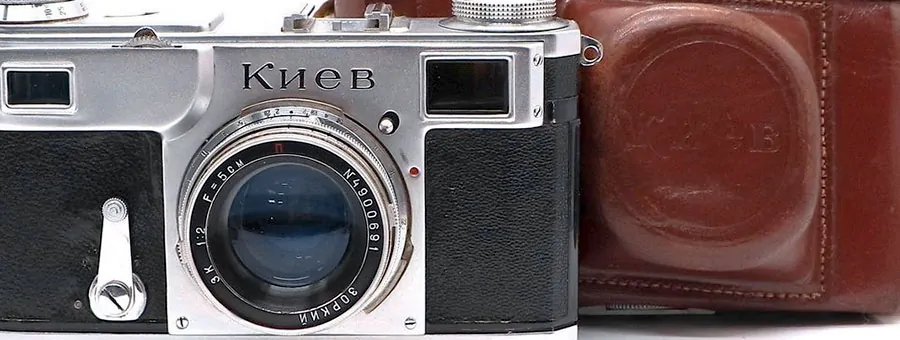
The Kiev-2 camera is built to a very high standard, and this is immediately noticeable when you hold it in your hands.
It is made of solid, well-finished metal, and the lower part of the body is covered with genuine leather, unlike later versions that used much less pleasant artificial leather. Although the camera has a fairly angular shape, it does not feel uncomfortable or awkward to use.
The very wide rangefinder base – essentially the widest in the photographic industry of that era – allows for extremely accurate focusing, and this is further complemented by a large, bright viewfinder window with a high-contrast focusing patch.
The only real inconvenience is that the right rangefinder window is located exactly where your right hand naturally rests, which means the camera needs to be held using the specific Contax-style grip.
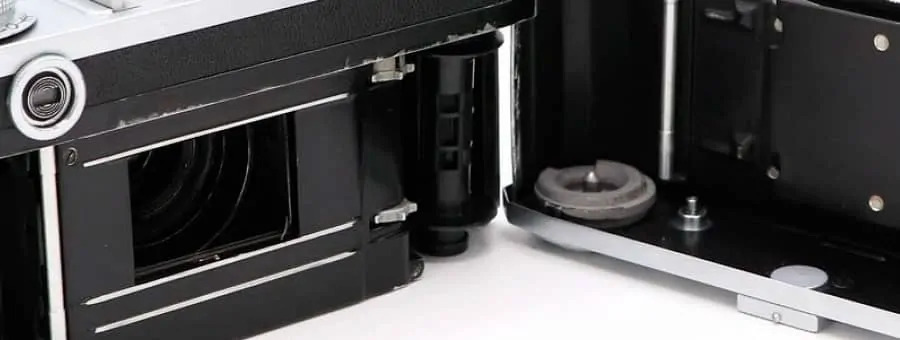
On the rear panel there is a rangefinder window and a removable door for inserting and removing film from the camera.
On the bottom there are two rotating locks for opening the back cover on the sides and a tripod socket in the central part. This allows you to mount the camera on a stable surface for low-light photography or long exposures.
Ease of Use
The Kiev-II camera cannot be considered particularly convenient by modern standards, and there are several reasons for this.
- It does not have a film advance lever. Instead, you will have to use a simple film advance knob, which, although quite convenient, nevertheless slows down the shooting process quite a lot.
- The left rangefinder window is positioned in such a way that you will constantly block it with your finger. To hold the camera correctly, you will have to use what is called a “Contax grip”.
- Switching shutter speeds is also not very convenient. To switch the shutter speed, you need to first cock the shutter using the knob, then raise the same knob, turn it to the desired shutter speed and lower it back.
- Inserting and removing film is also not very convenient for the modern photographer. Instead of pulling a lever and opening the back door and then simply inserting the film into place, you have to completely remove the back cover, then insert the tip of the film into the removable take-up spool, which is actually not a very convenient thing to do.
- Rotating the focusing ring rotates the entire front of the lens along with the aperture values, meaning you’ll constantly have to twist the camera to find the aperture numbers you want.
But do all these inconveniences make Kiev-II a bad camera?
Actually no, and now I will tell you why.
The fact is that the camera was developed in the mid-30s of the 20th century, and at that time it was the most convenient 35mm rangefinder camera. And so far, all the inconveniences that the camera has are more than offset by its advantages.
To get used to all the features of the Kiev-II camera, you will need to shoot one or two reels. But after you learn how to work with it, the process of photographing will turn into pure pleasure. I will talk about this in the next section.
Quality of Kiev-2 and Received Images
Now let’s talk about the advantages in more detail.
The Kiev-2 camera, like almost all other rangefinder cameras from the Arsenal plant (we don’t take into account the ugly Kiev-5) are at a really, really high level, both for the Soviet photographic industry and the world one.
The build quality of the camera, especially the early years, is at the highest level. The lenses provide a very sharp and beautiful picture. The camera has an excellent range of shutter speeds and one of the nicest shutters among old cameras. The rangefinder’s 90mm base allows you to focus as accurately as possible.
And we listed only a small part of the advantages of the Kiev-II camera. We are more than sure that you personally should familiarize yourself with the listed and unlisted advantages, especially since the camera costs mere pennies (which, by the way, is another advantage of this camera).
Conclusion
The Kiev-II camera, like almost the entire family of rangefinder cameras from the Arsenal plant, is a truly outstanding camera. It has everything you need for a truly enjoyable and at the same time leisurely shoot.
This Soviet film camera has an excellent shutter with a good set of shutter speeds, an excellent set of lenses, a very stylish appearance and, of course, a very low price.
The body of the Kiev-II camera has a simple and ergonomic design, which makes it easy to use. It is durable and reliable, which allows you to use the camera in various conditions and for many years.
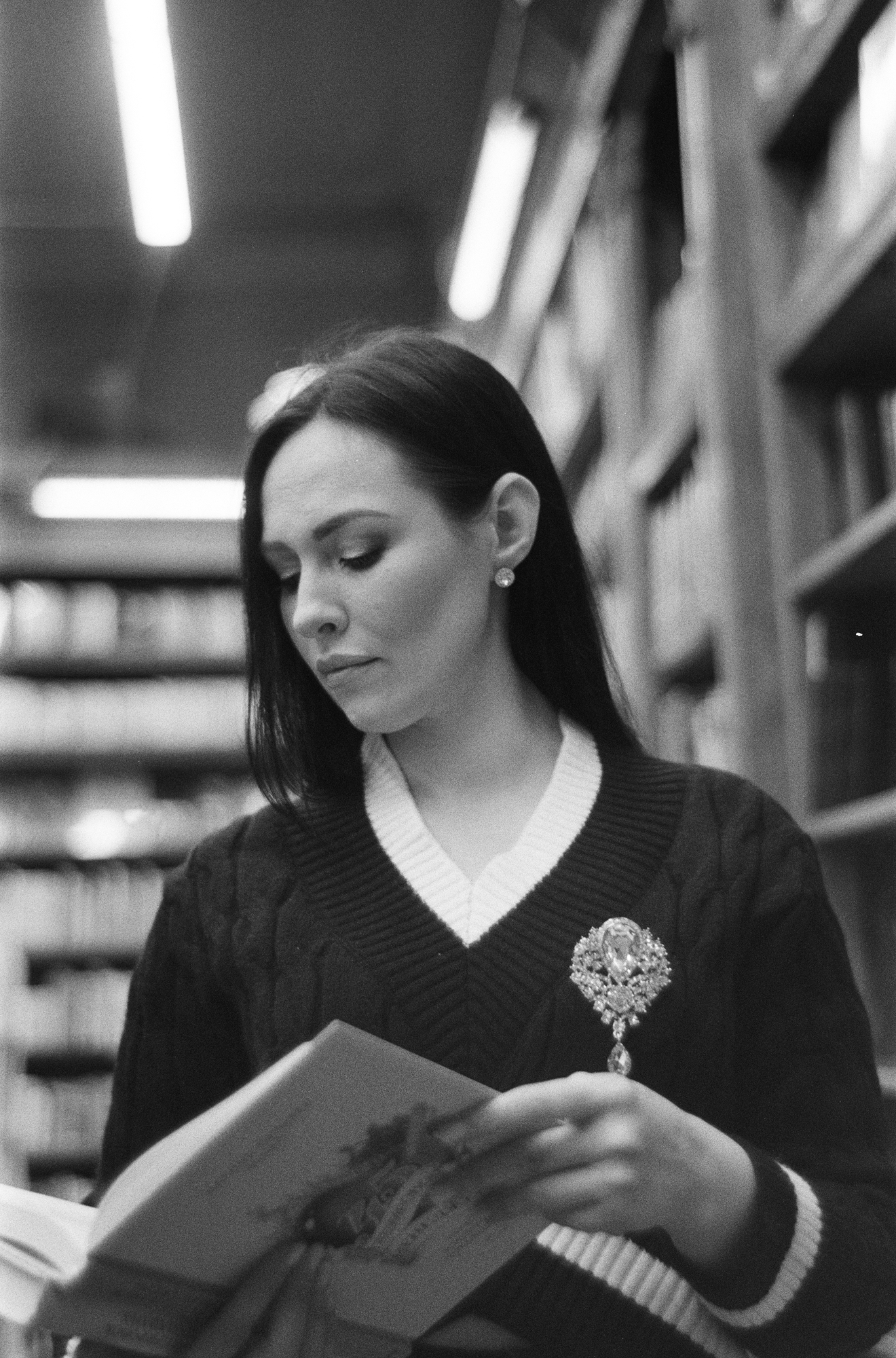
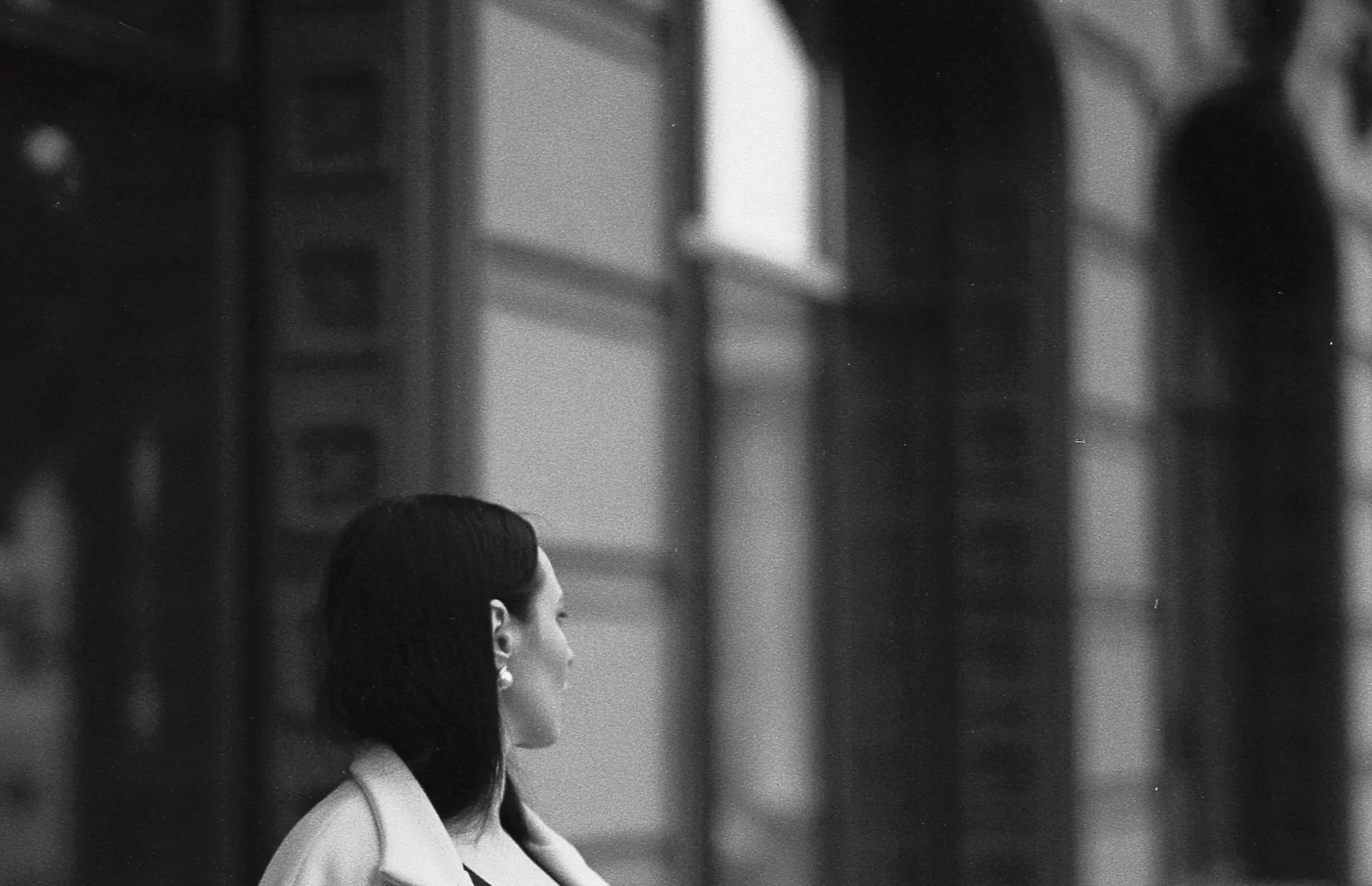
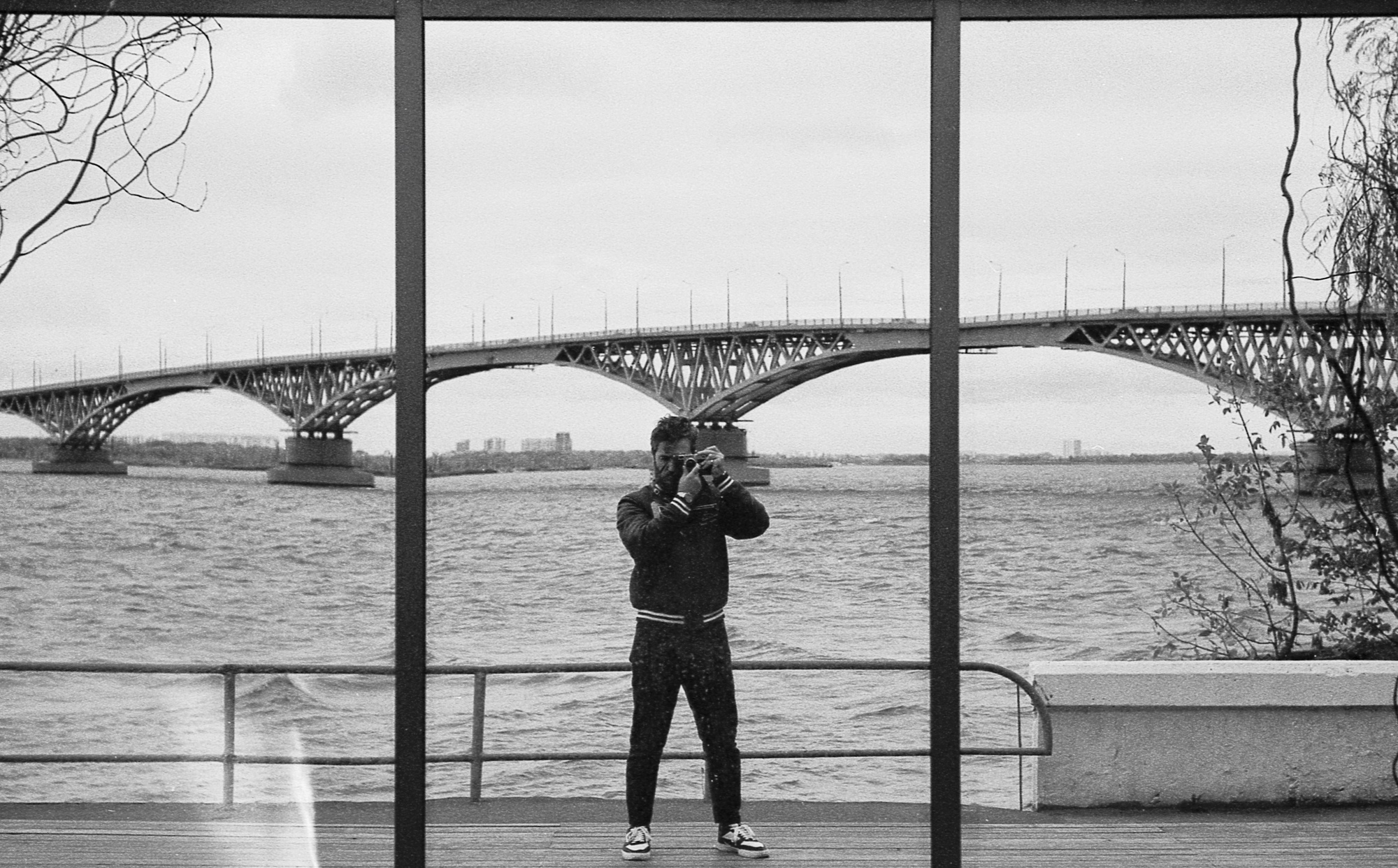
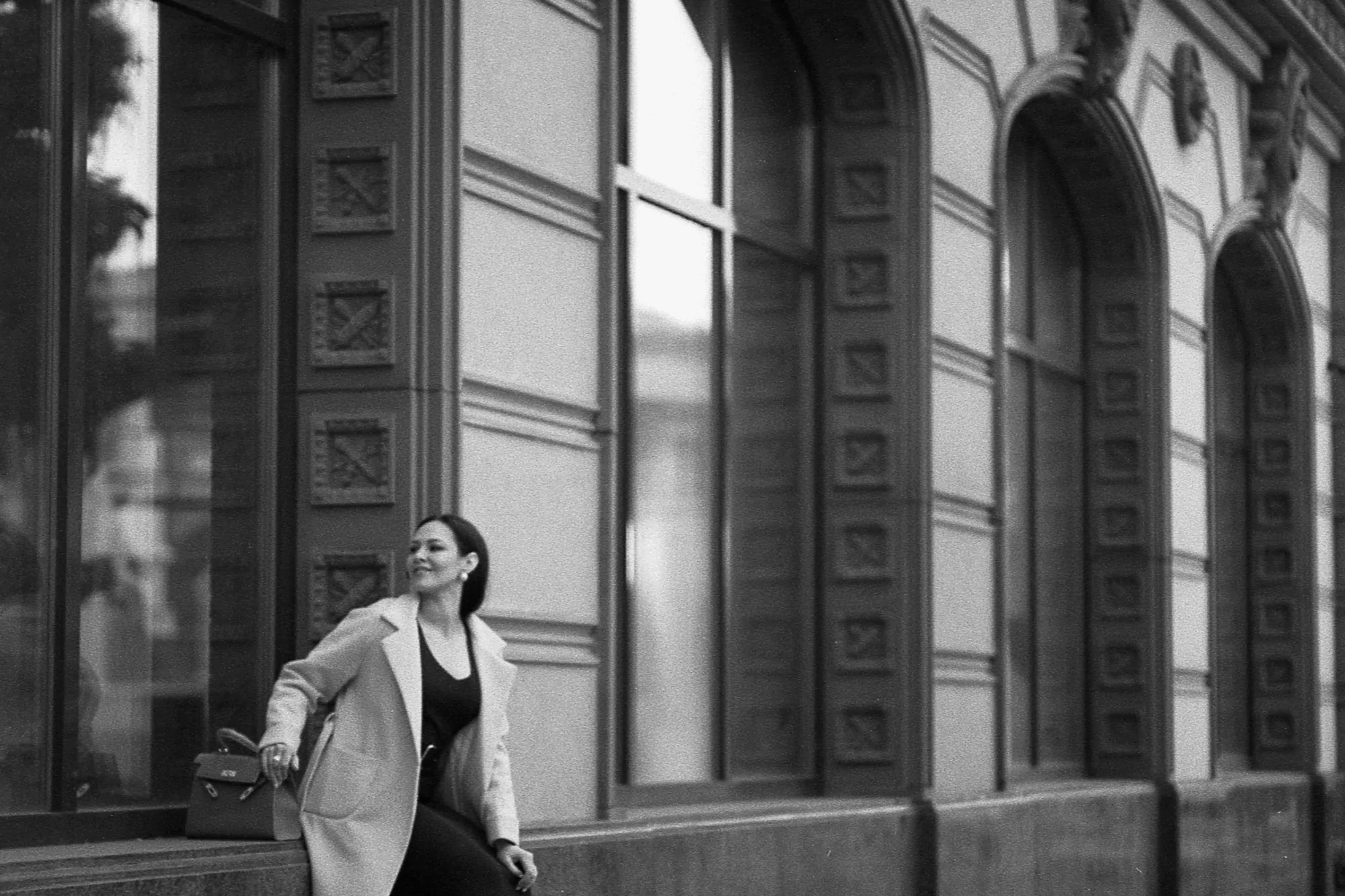
Kiev-2 Sample Photos