Helios-44 58mm f/2 M39
Helios-44 58mm f/2 for M39-mount SLR cameras is one of the earliest versions in the Helios lens family, produced from 1960 to 1970.
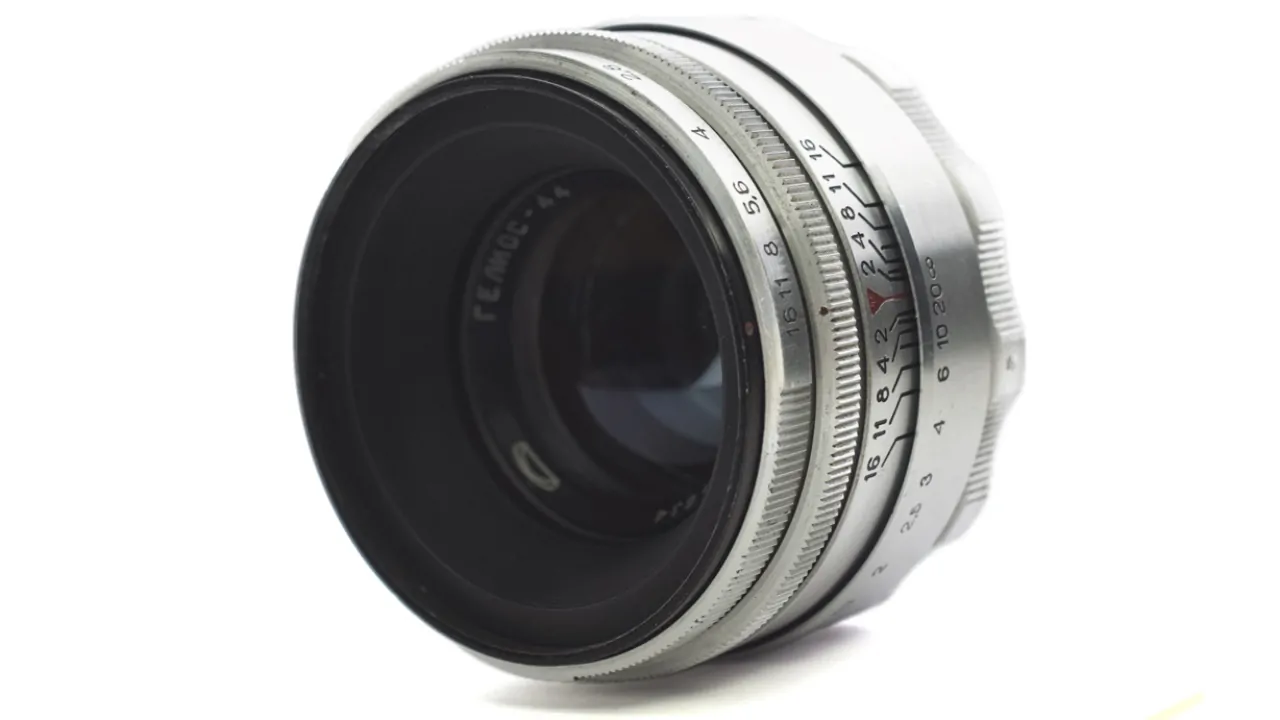
Helios-44 58mm f/2 M39 Specifications
- Focal length: 58mm
- Maximum aperture: f/2
- Minimum aperture: f/16
- Optical design: 6 elements in 4 groups, Biotar-type formula
- Aperture blades: 8 or 13, depending on the production year
- Mount: M39 (SLR version for Zenit cameras)
- Flange focal distance: 45.2 mm
- Focus type: manual focus
- Aperture type: preset diaphragm
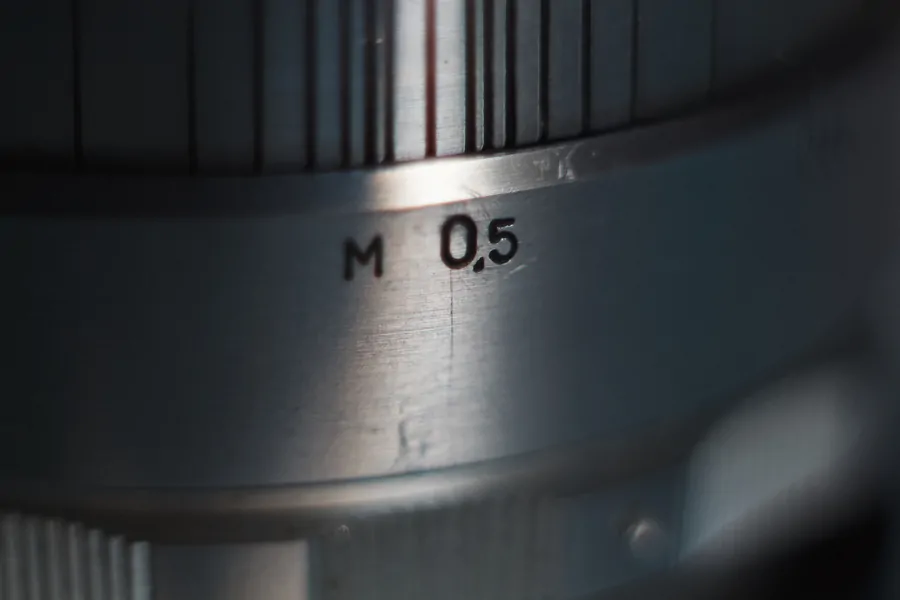
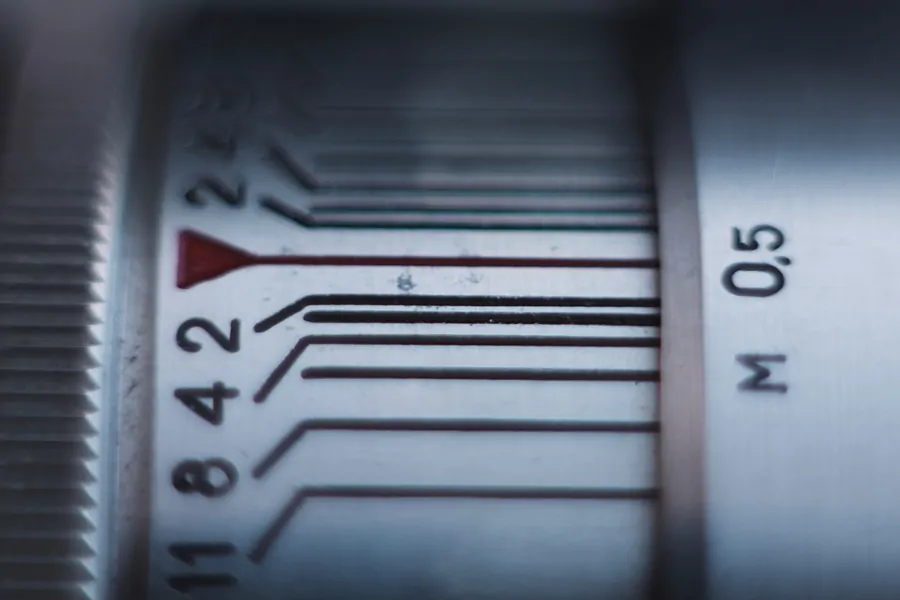
- Minimum focusing distance: 0.5 m
- Filter thread: 49 mm
- Angle of view: approximately 40°
- Construction: metal and glass
- Lens coating: single-coated
- Manufacturer: KMZ, MMZ
Helios-44 M39 Overview
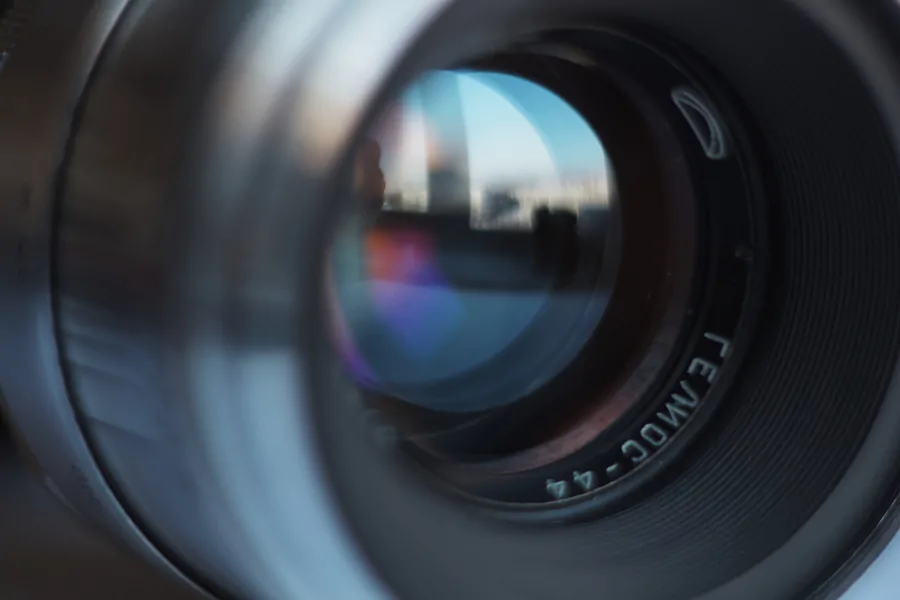
When people hear the phrase Soviet lens, the first thing that usually comes to mind is the legendary Helios-44.
Over several decades of production, Soviet engineers created a large number of different versions of this lens, and here we want to focus on one of the earliest variants – designed for Zenit SLR cameras with the M39 mount.
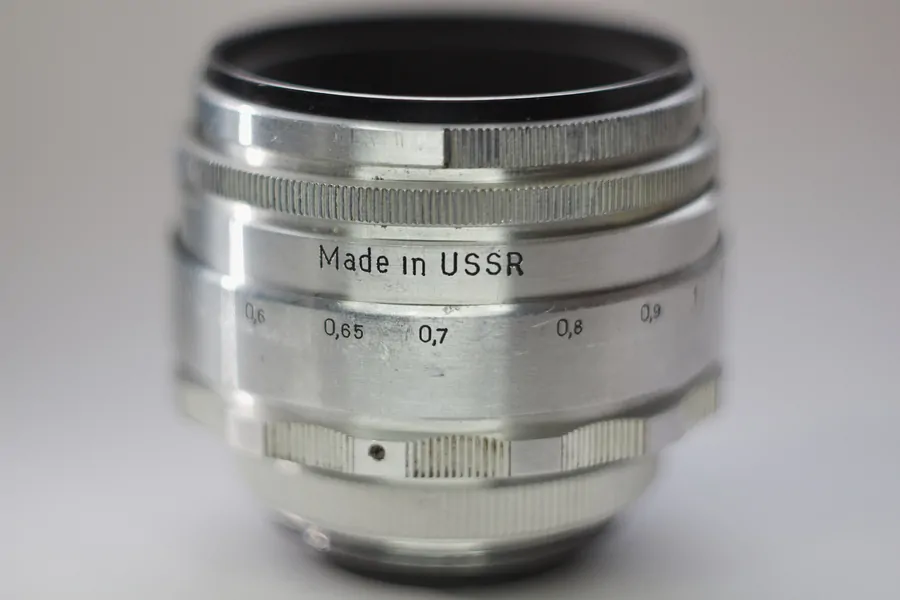
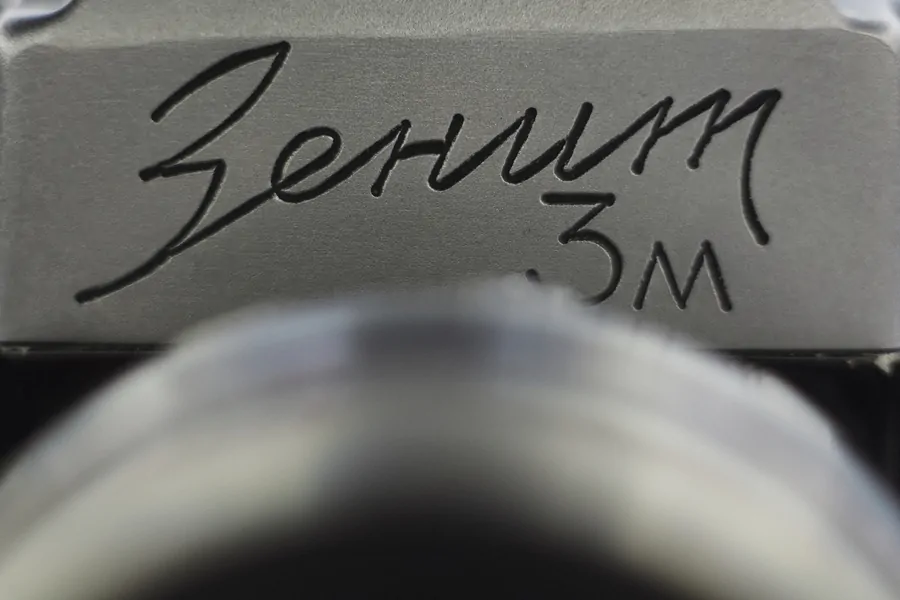
This mount was specific to the Soviet film photography industry. It was developed by engineers at the KMZ factory for early Zenit single-lens reflex cameras, which were based on the first Zorki rangefinder bodies.
As a result, these cameras inherited the M39 thread, although they did not retain the same flange focal distance as the rangefinders.
As one of the earliest versions of the Helios-44 – alongside the early Helios-44 variants made for the Start system – the M39 version stands out as one of the most successful early implementations.
The Soviet photographic industry of the 1950s and early 1960s was largely at its peak and aimed to produce equipment of relatively high quality within its technical and industrial limits.
In later years, production volumes increased significantly, but quality often declined.
For this reason, early Helios lenses – whether with eight or thirteen aperture blades – are highly valued today, and that reputation is well deserved.
Helios-44 m39 History and Background
Like many Soviet products, including photographic equipment, the Helios-44 was not an entirely original design. In the mid-1950s, Soviet engineers modified the Zorki camera by adding a reflex mirror system, creating the first Zenit single-lens reflex cameras.
Since Zenit was developed as a derivative of the Zorki – which itself was a clone of the Leica rangefinder – the decision was made to retain the same M39 thread in order to simplify production.
Several lenses were produced for this mount, many of them based on leading German designs of the time. The Helios-44 itself was derived from the German Carl Zeiss Biotar 58mm f/2, which served as the optical foundation for its design.
It is important to note that the Helios-44 with the M39 mount is not compatible with rangefinder cameras. This is due to a different flange focal distance and the absence of any mechanical coupling for the rangefinder camera.
These lenses were intended for M39-mount SLR cameras and can also be used on other SLR systems via adapters- for example, on M42 cameras or on cameras from the Start system.
Helios-44 m39 58mm f/2 Optical Performance
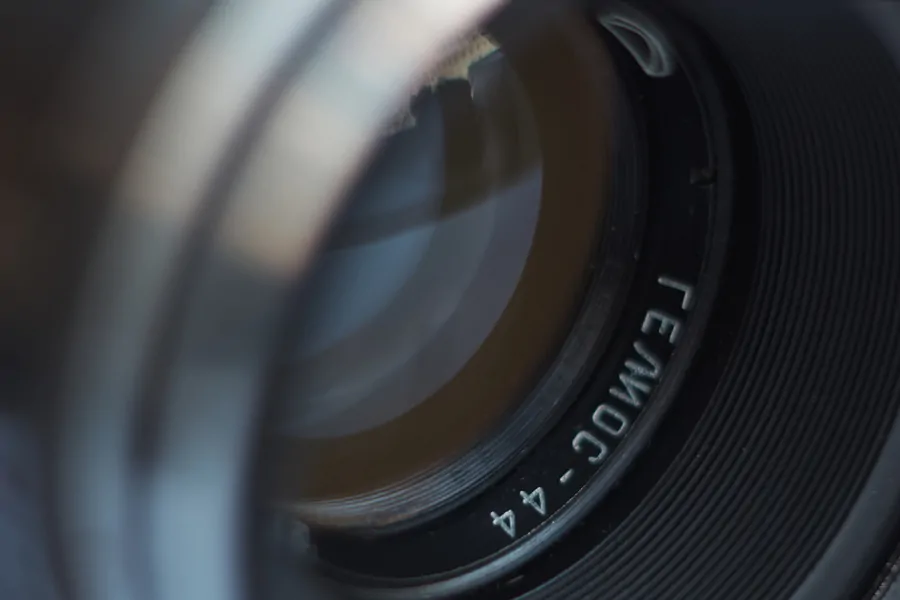
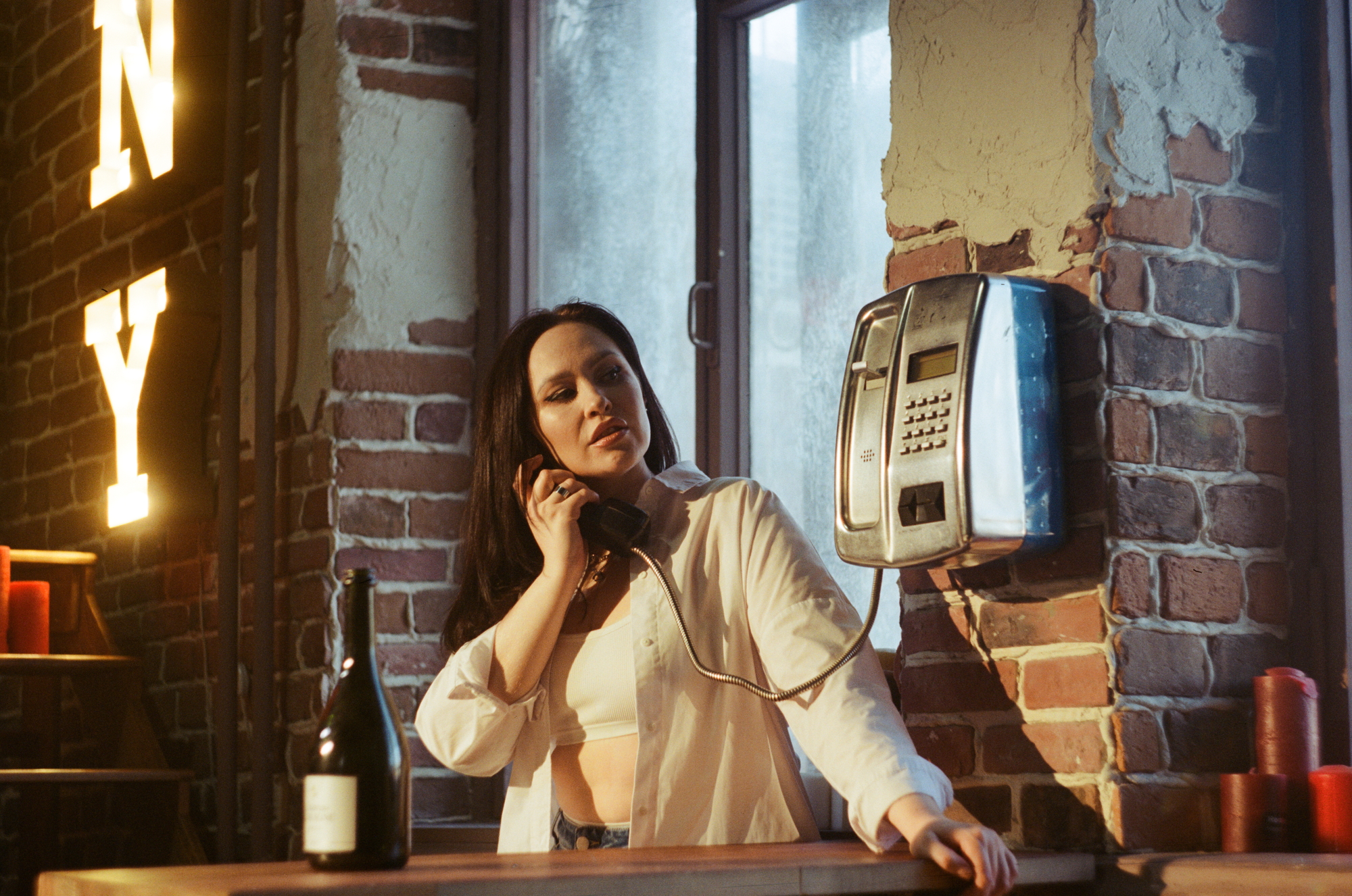
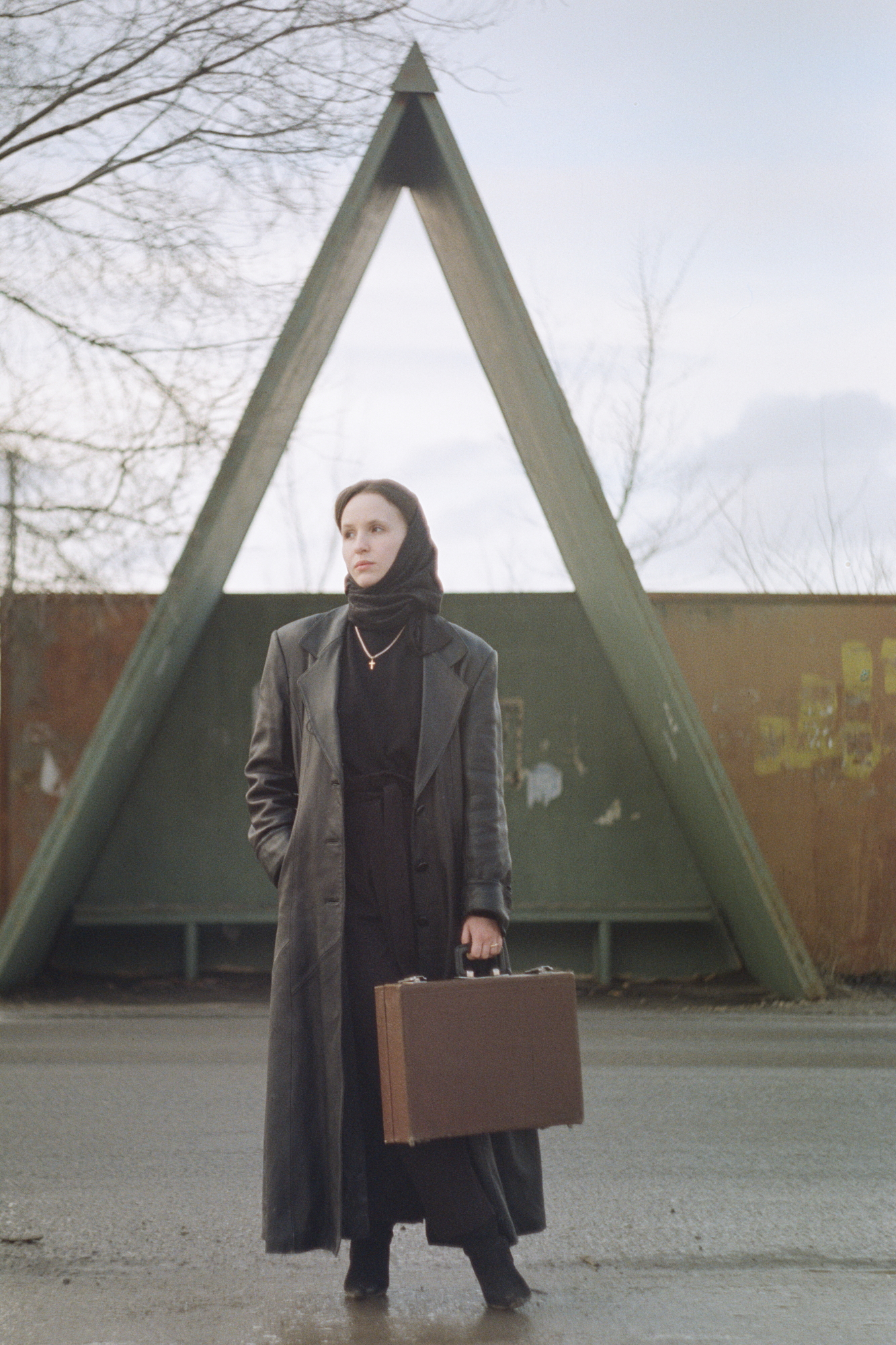
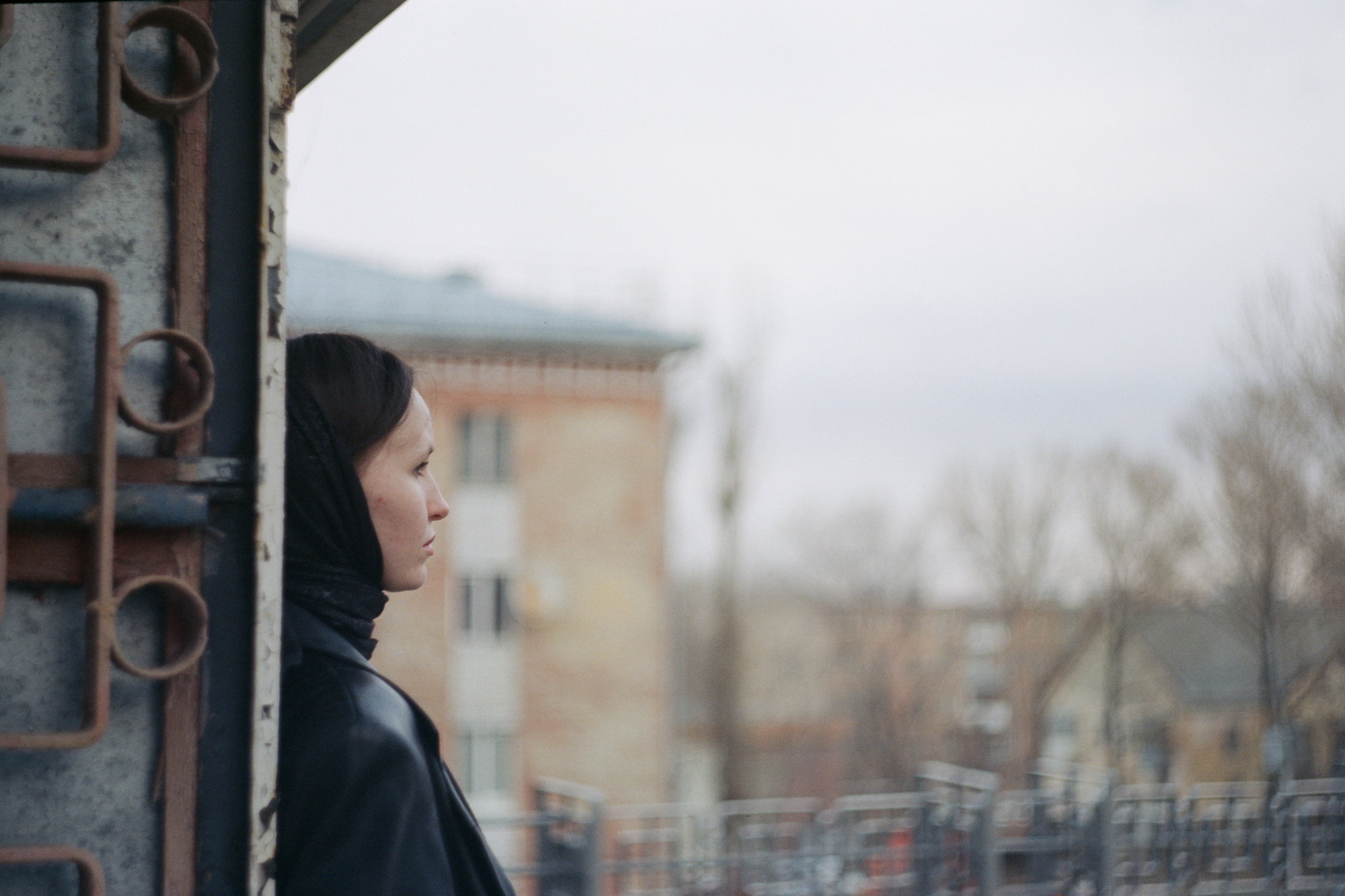
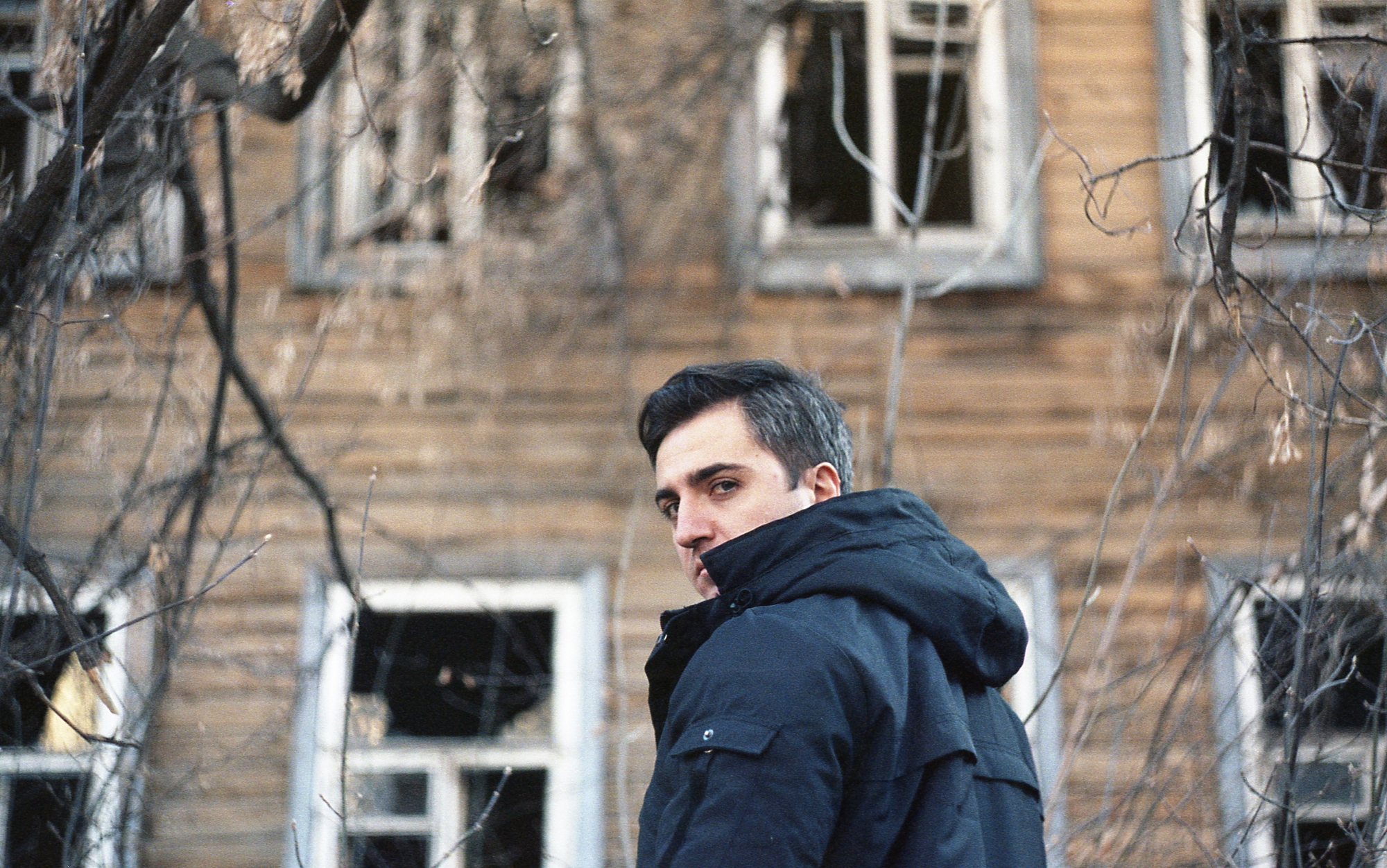
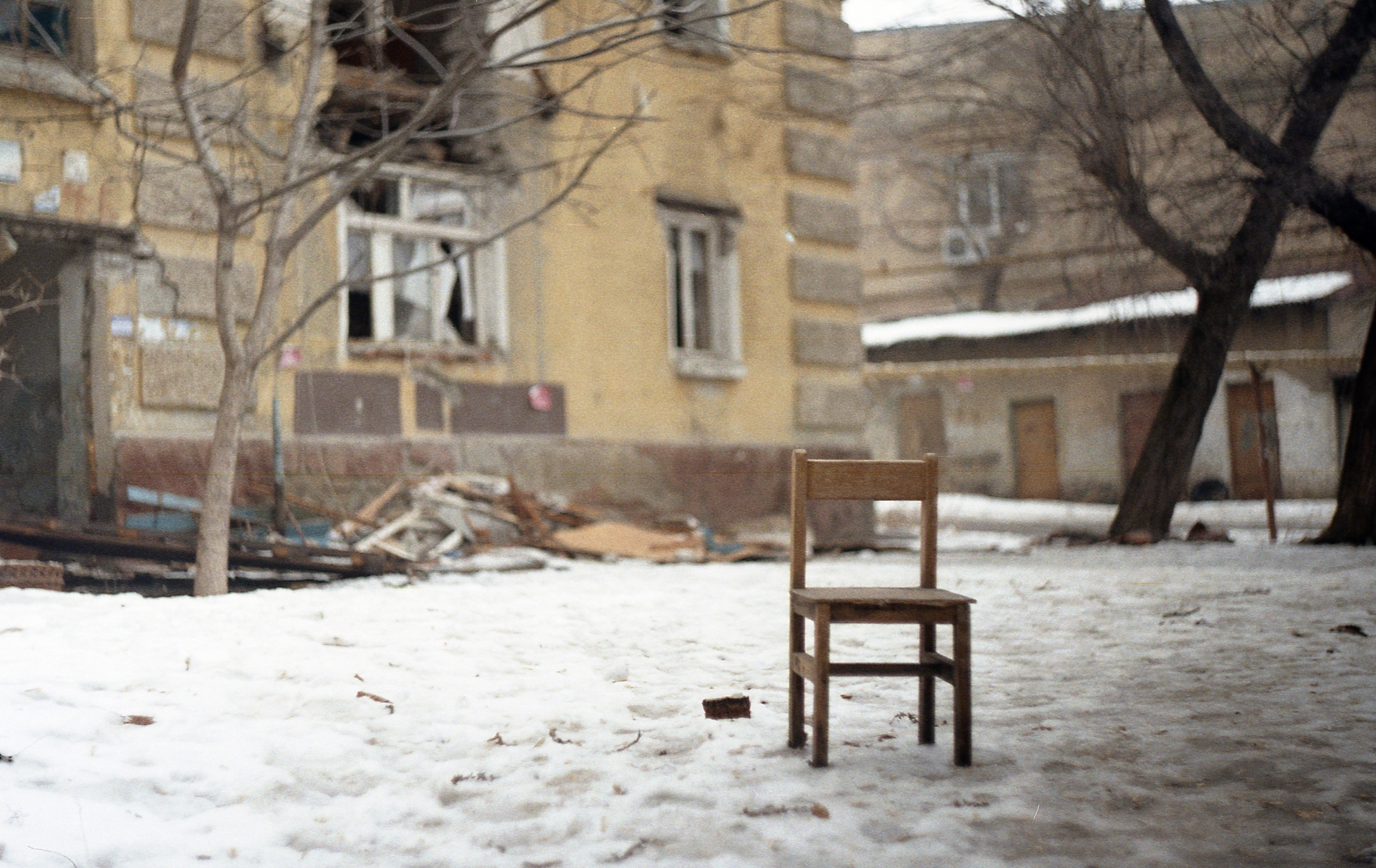
This Helios delivers a very pleasant center sharpness that is never harsh, combined with slightly softer – but not mushy – edges.
One of the defining traits of all Helios lenses, the well-known swirly background blur, is clearly visible in this copy. Together with the overall smooth rendering, the Helios-44 in the M39 mount produces a very distinctive, almost cinematic look.
This is not accidental: the optical design is based on the German Biotar double Gauss lens, which was originally developed for motion picture cameras.
The maximum aperture, as with all other Helios-44 versions, is f/2. At this fully open setting, the lens shows its most characteristic rendering, and the early silver Helios versions do this especially well.
Shooting at f/2 is where you can achieve that recognizable cinematic look, particularly when working with film – and it becomes even more pronounced when using Kodak Vision stocks.
As the aperture is stopped down, sharpness increases as expected, but the signature character gradually fades. At apertures around f/5.6 to f/8, the lens produces very sharp and clean images, still retaining a bit of background separation, though without the strong swirl seen at wider apertures.

Because the coating on these lenses is relatively simple by modern standards, shooting into backlight or strong side light often results in flare and a slight loss of contrast or sharpness.
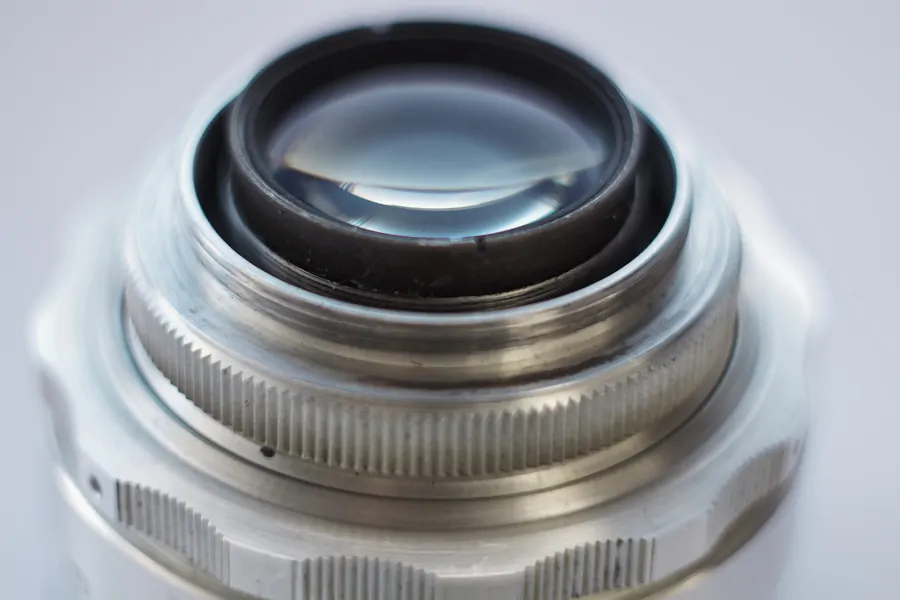
Rather than being a drawback, this can add character if used deliberately. It is also worth noting that the front element is recessed fairly deeply into the lens barrel, which provides a small built-in hood effect.
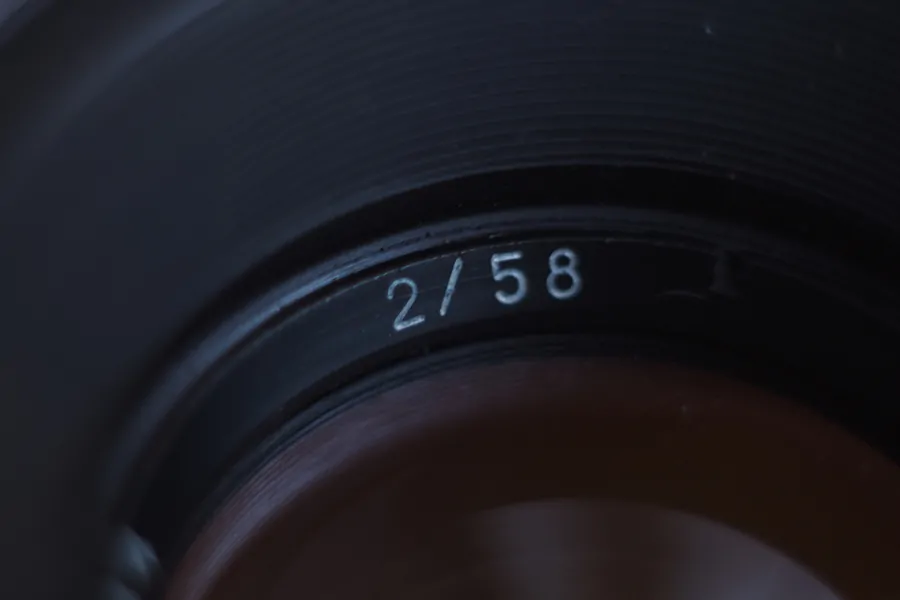
If needed, a modern screw-in hood of the appropriate size can be used as well.
Lens Build and Usability
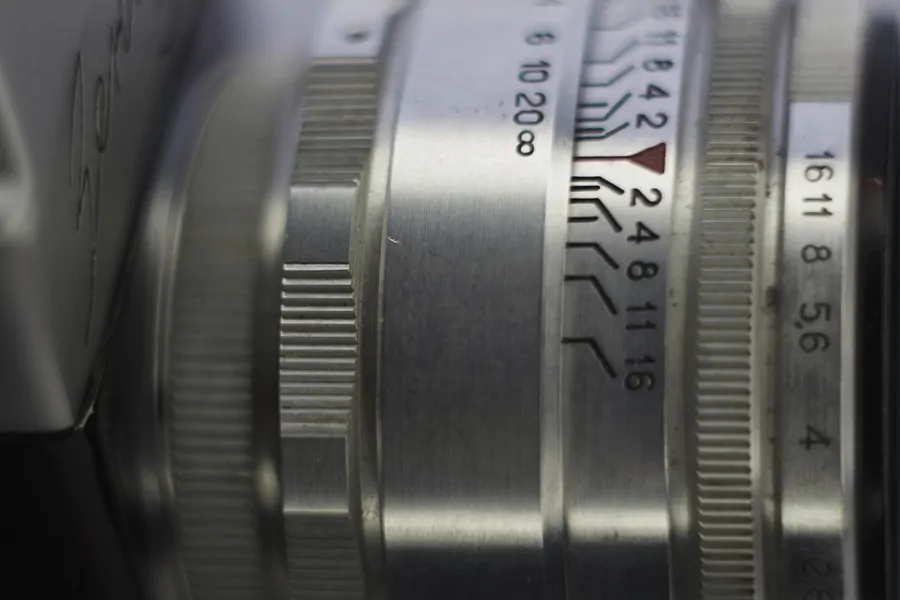
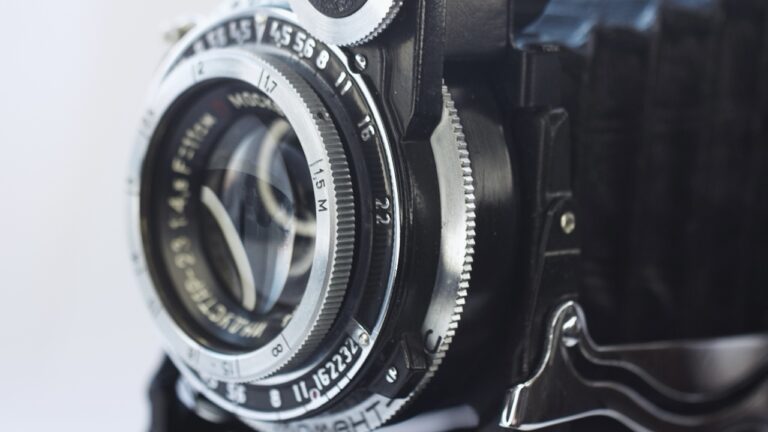
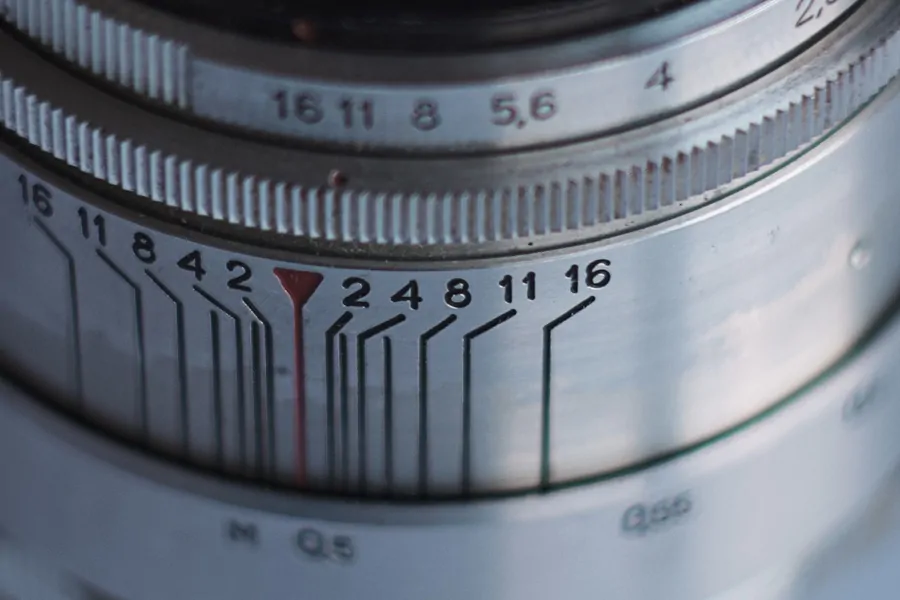
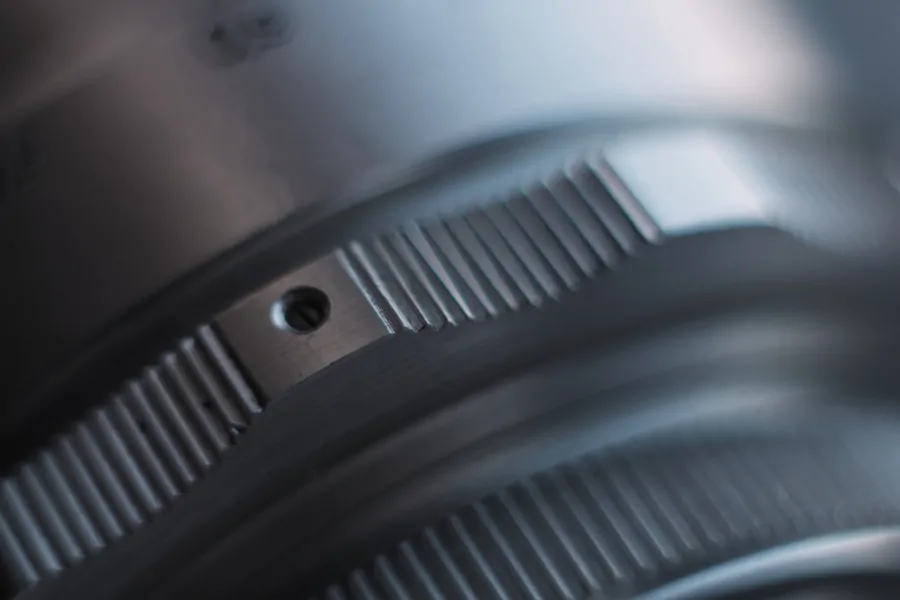
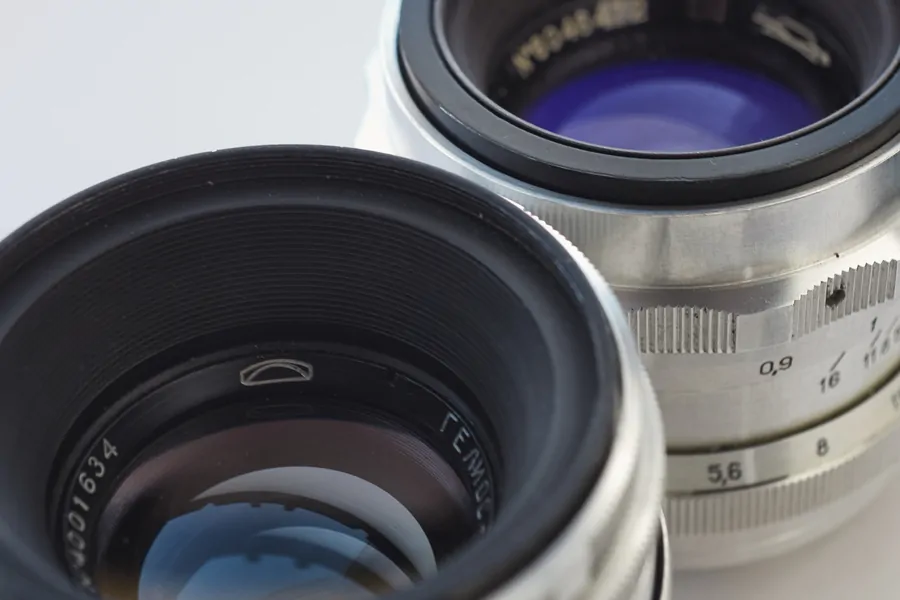
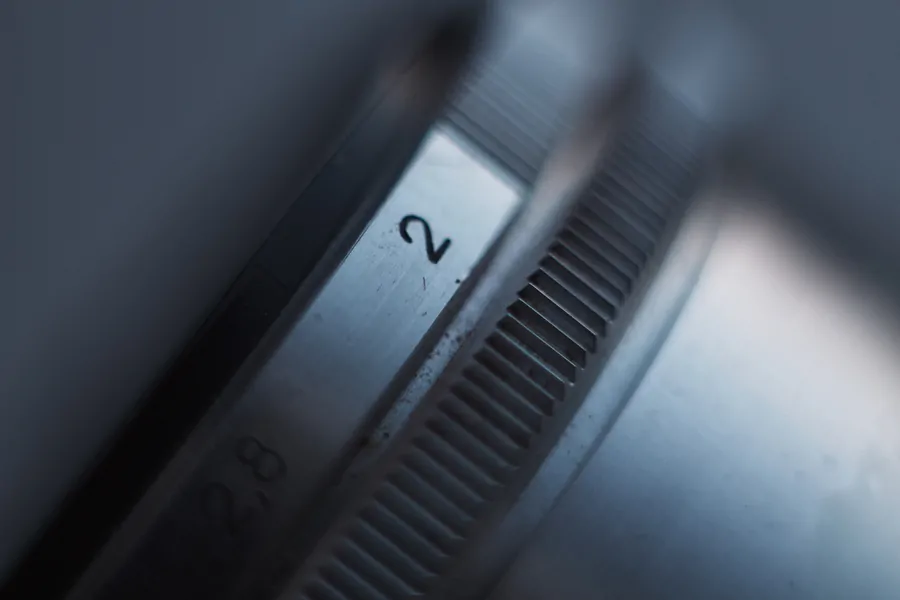
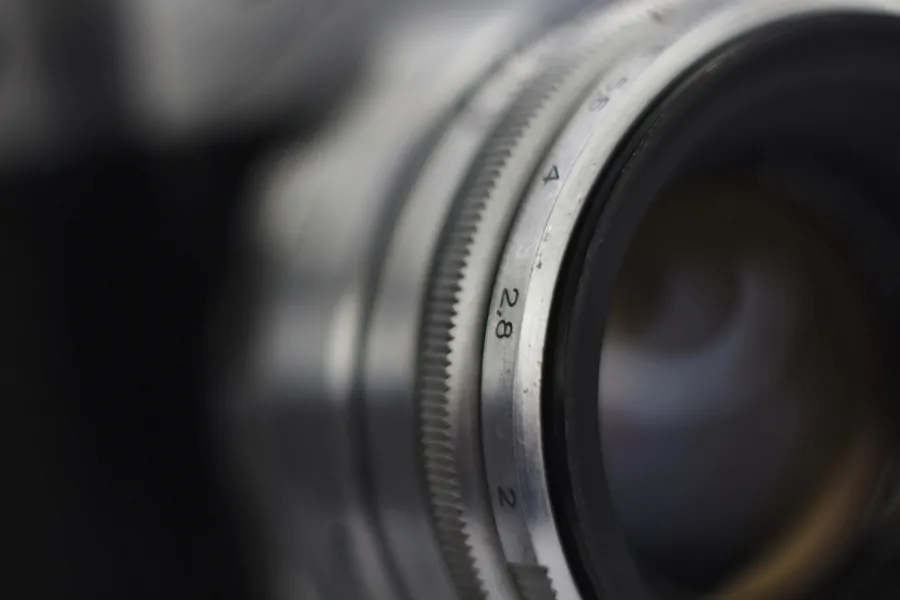
In terms of handling, this lens has several quirks that require some adaptation. It uses a preset aperture system, meaning there are two aperture rings at the front of the lens.
With the first ring, you set the desired working aperture, limiting how far the diaphragm can close. With the second ring, you open the aperture fully to focus, and just before releasing the shutter, you rotate it back until it stops, closing the aperture to the preset value.
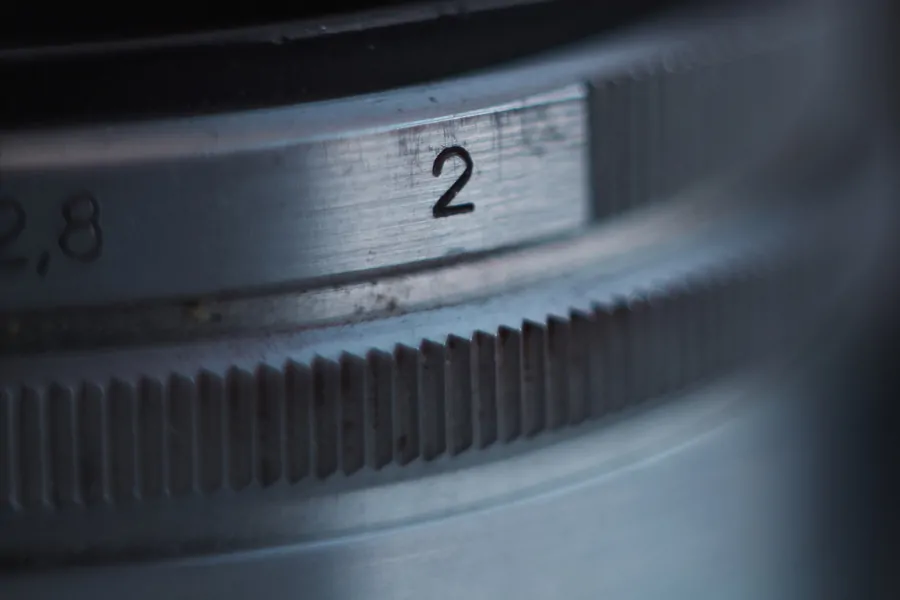
This may sound complicated at first, but after a few repetitions it becomes intuitive. It is important to remember that this lens comes from the late 1940s, a period before modern automatic diaphragms, and this simple mechanical solution offered real practical advantages at the time.
A well-maintained and properly lubricated copy is very pleasant to use. The focus and aperture rings rotate smoothly and evenly, while the preset ring has firm, clearly defined stops.
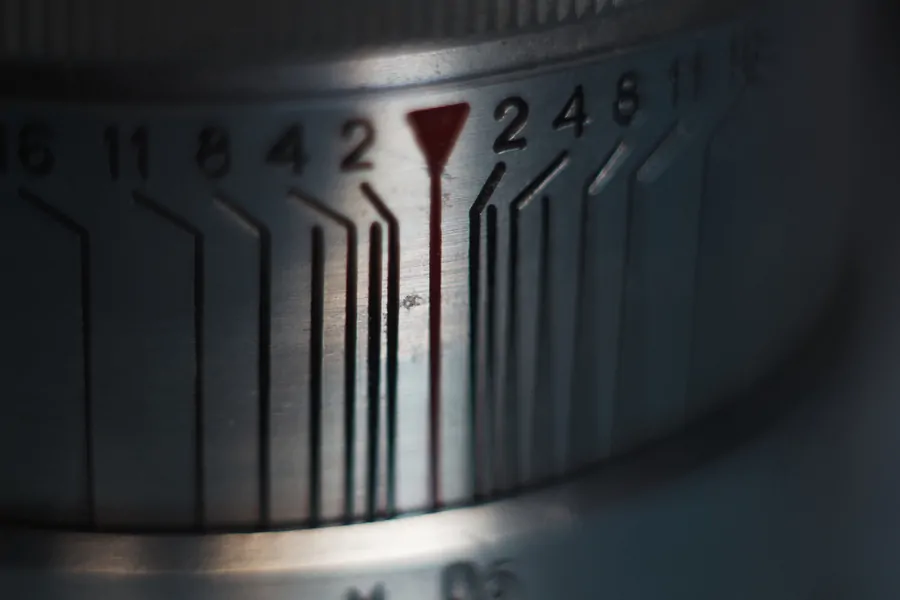
The ribbed metal surfaces combined with exposed glass give a strong sense of solidity and build quality. Older copies may show slight mechanical play, but in most cases this has no real impact on actual shooting.
Use on Film and Digital Cameras
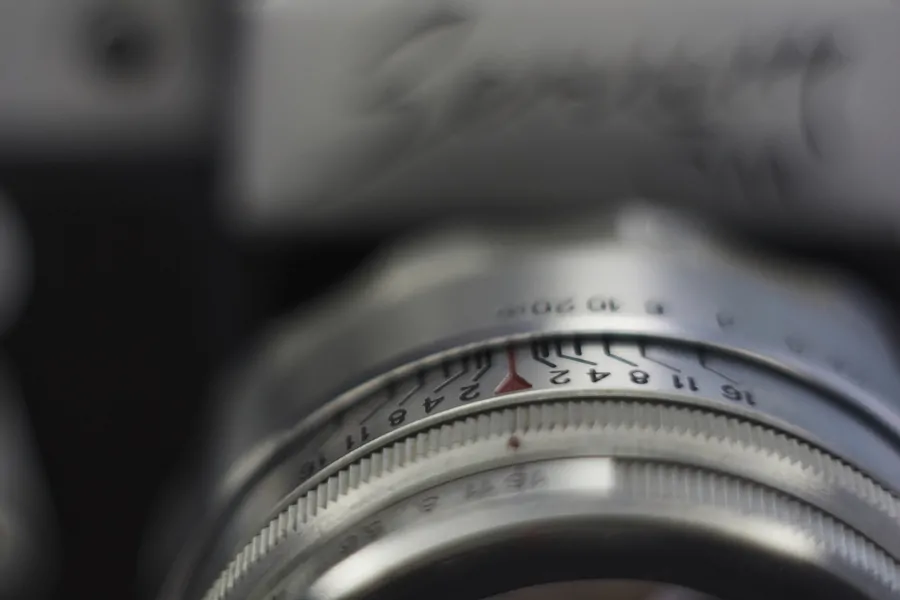
The Helios-44-2 with the M39 mount can be used quite easily on many other SLR film cameras. To use it on cameras with an M42 thread, an M39-to-M42 adapter is required.
For cameras with bayonet mounts, you will need an adapter from M42 to the specific bayonet, along with the same M39-to-M42 adapter used as a spacer.
However, there are several important points to keep in mind before purchasing this lens for use on a film SLR. First, this lens has a non-standard flange focal distance.
Because of this, infinity focus may not be achievable on many SLR cameras without additional correction. This issue can be addressed by using a special adapter with an optical element designed to restore infinity focus.
Like most Soviet lenses, the Helios-44 with the M39 mount can also be used on digital cameras. The same general rules apply as with film cameras: most compatibility issues are resolved by using the appropriate adapter for the camera system.
In the case of mirrorless cameras, adaptation is even simpler, as there are no issues with achieving infinity focus.
Conclusion
So what can be said about the Helios-44 M39? In our view, it is one of the most successful versions of the Helios-44 and, overall, one of the finest Soviet lenses ever produced.
This is the result of several factors, ranging from the fact that it was created during the golden era of the Soviet photographic industry to the fact that this version remains very close to the original Biotar design.

On paper, in terms of purely technical specifications, this lens is inferior to some of the later versions, such as the Helios-44M-7 or even the Helios-44-2.
However, in purely visual terms, the image it produces is highly plastic, three-dimensional, and distinctly cinematic. Other aspects are also at a very high level, including handling, external design, and overall build quality – something we again associate with the period in which this lens was manufactured.
Today, this lens is not particularly difficult to find, especially the eight-blade version, provided it has been properly serviced and well stored over the years.
With this lens in hand, you get a very capable tool for shooting a wide range of subjects, from portraits to landscapes, and it works equally well for both photography and video.
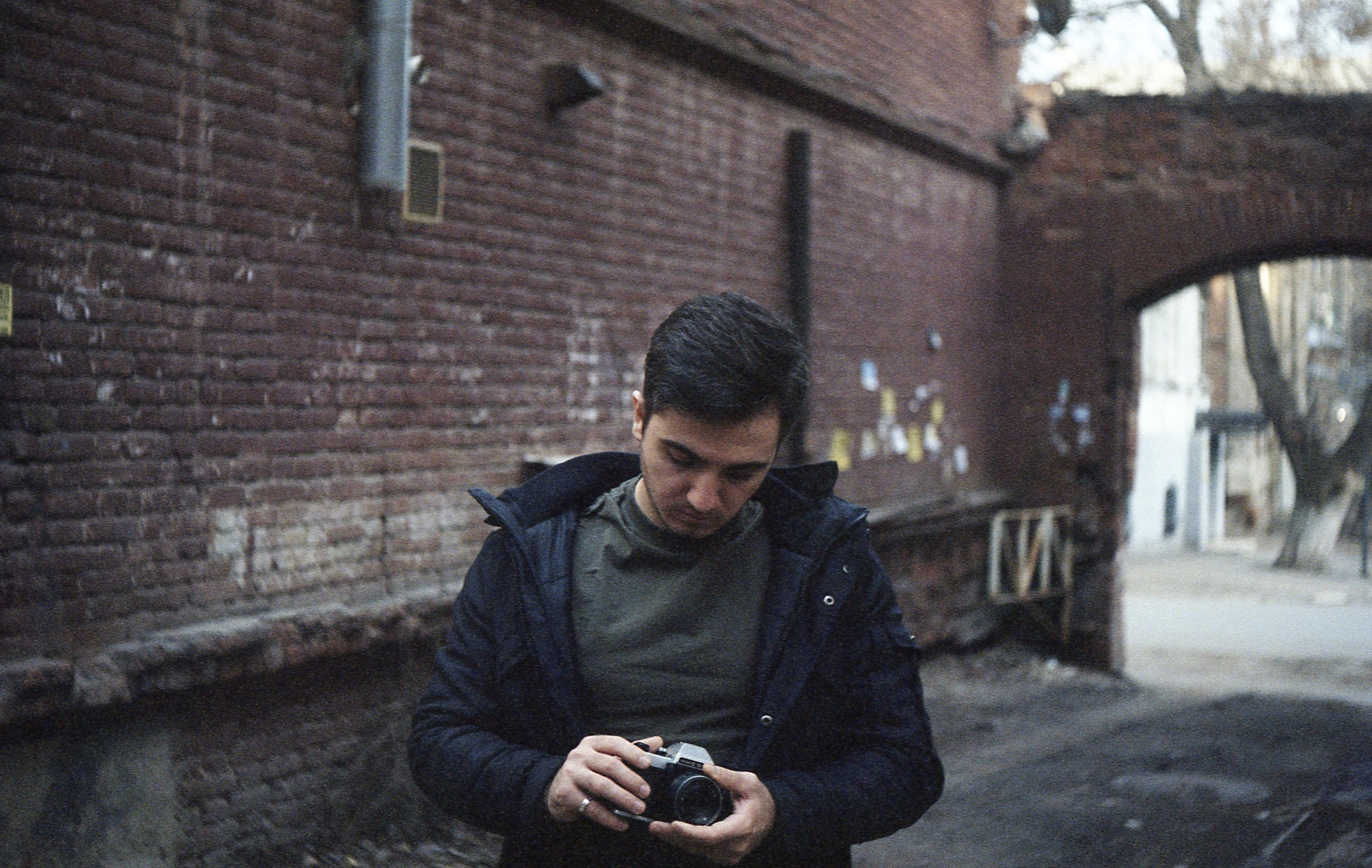
Helios-44 M39 Lens Sample Photos