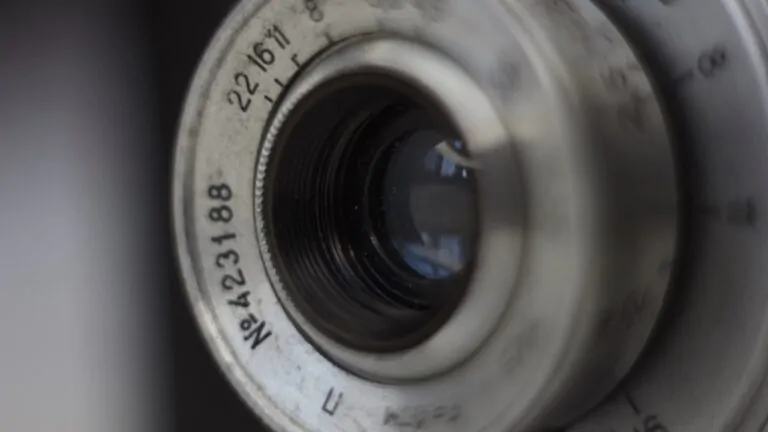
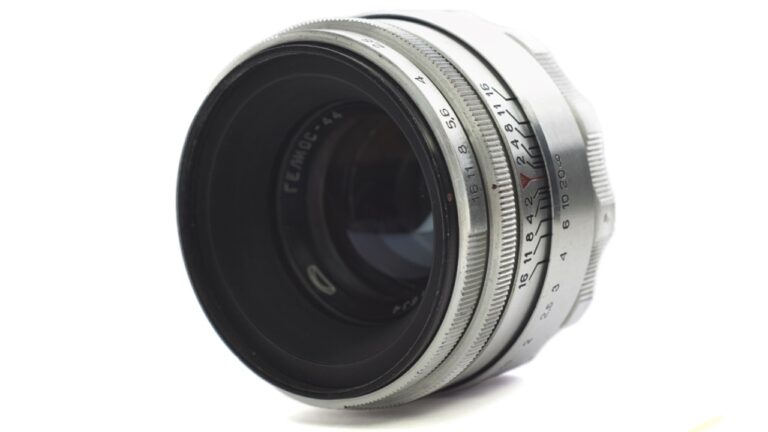
Helios-44 58mm f/2 Start
Helios-44 for the Start camera was the very first lens based on the Biotar optical formula produced in the Soviet Union.
Helios-44 58mm f/2 Start Specifications
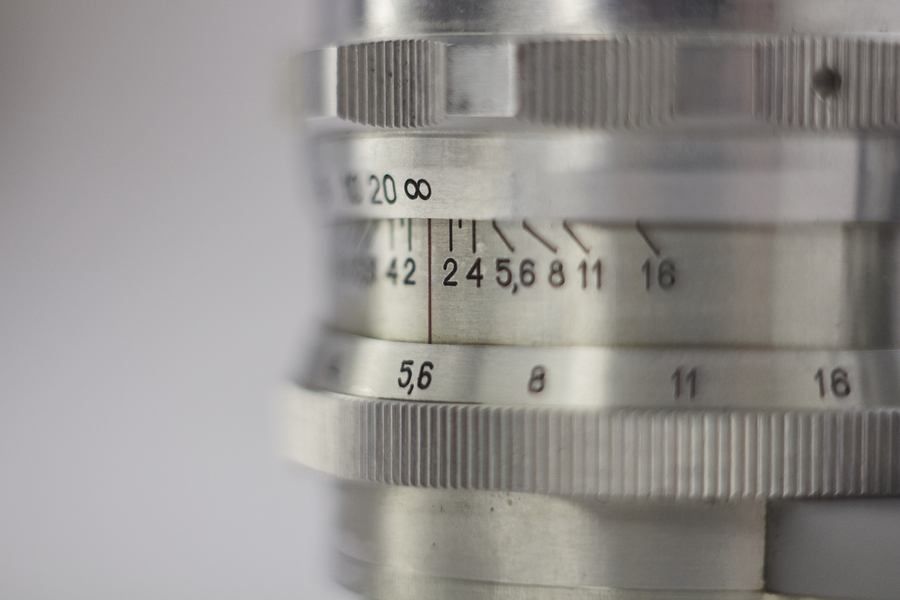
- Focal length: 58 mm
- Maximum aperture: f/2
- Minimum aperture: f/16
- Optical design: 6 elements in 4 groups, Biotar-type formula
- Aperture blades: 13
- Mount: Start bayonet (for Start SLR cameras)
- Flange focal distance: approximately 48.0 mm
- Focus type: manual focus
- Aperture type: automatic diaphragm
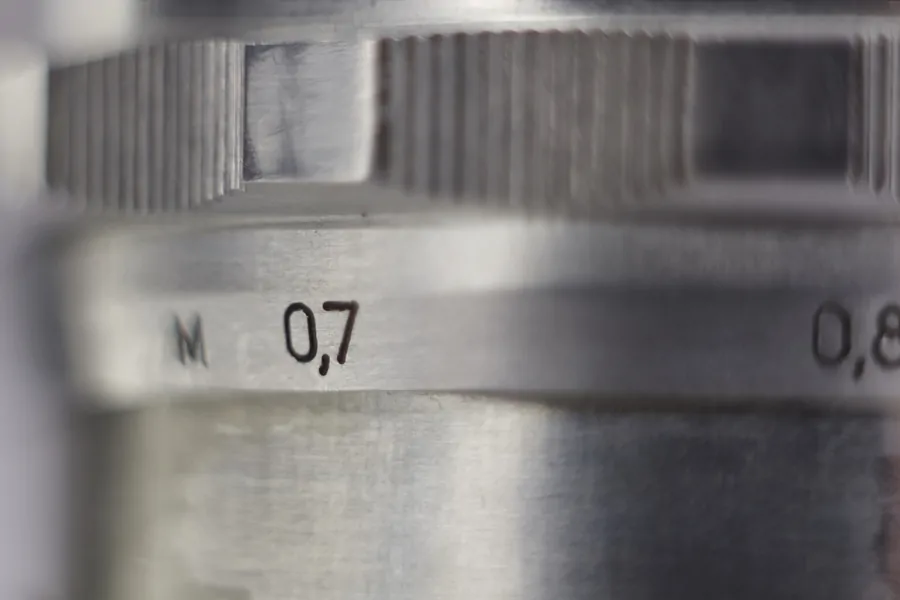
- Minimum focusing distance: 0.5 m
- Filter thread: 49 mm
- Angle of view: approximately 40° (35 mm format)
- Construction: all-metal body
- Lens coating: single-coated
- Manufacturer: KMZ
Helios-44 for the Start Camera Overview
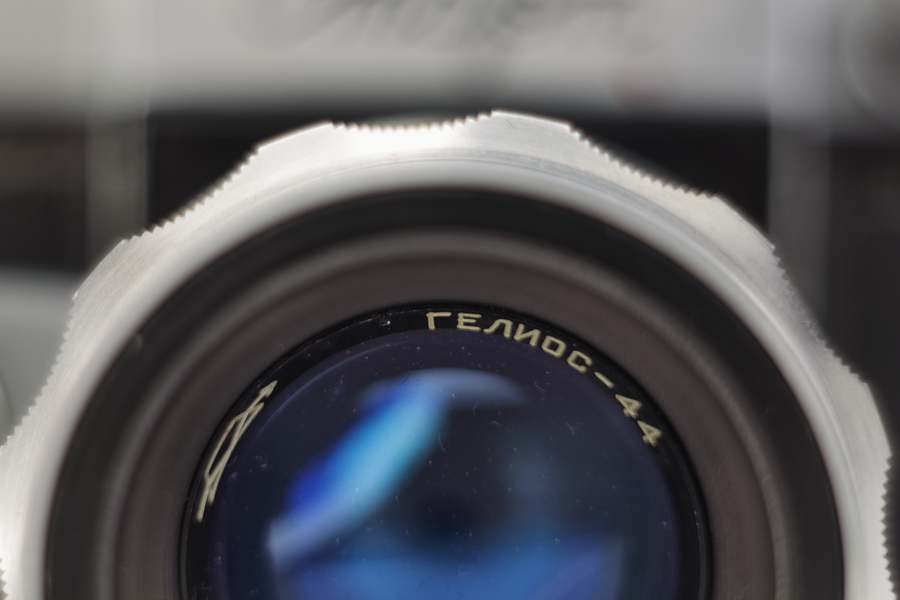
Helios lenses are true legends among manual film-era optics and are arguably the most well-known and widely used lenses to come out of the former USSR.
Even today, these lenses are actively used not only in photography but also in cinematography. They are employed by both amateur photographers seeking a distinctive look and by large studios and filmmakers, including professionals working in Hollywood.
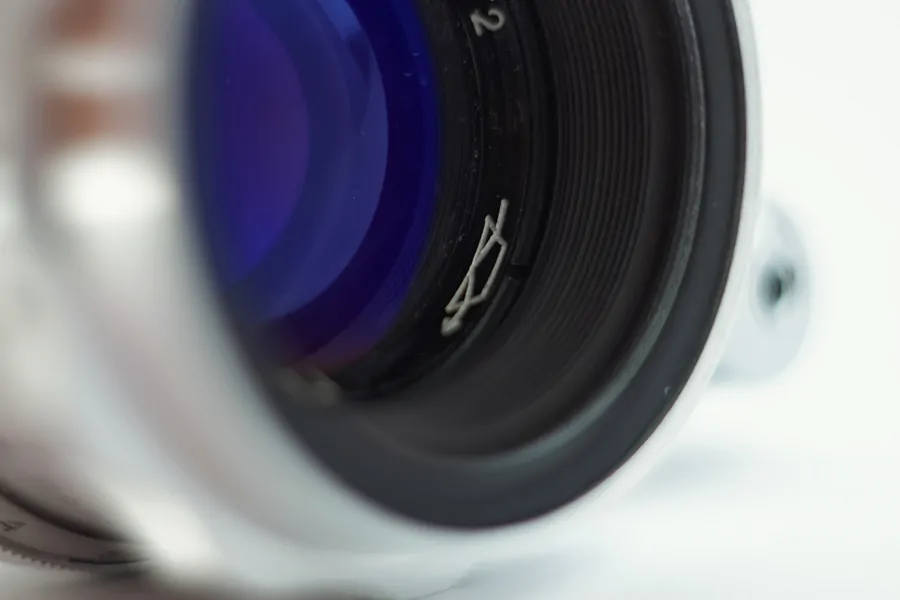
Within the entire Helios family, one of the most interesting, distinctive, and unusual representatives is the Helios-44 made for the Start camera.
This lens is also historically significant as the very first Helios ever produced. It stands out in almost every respect.
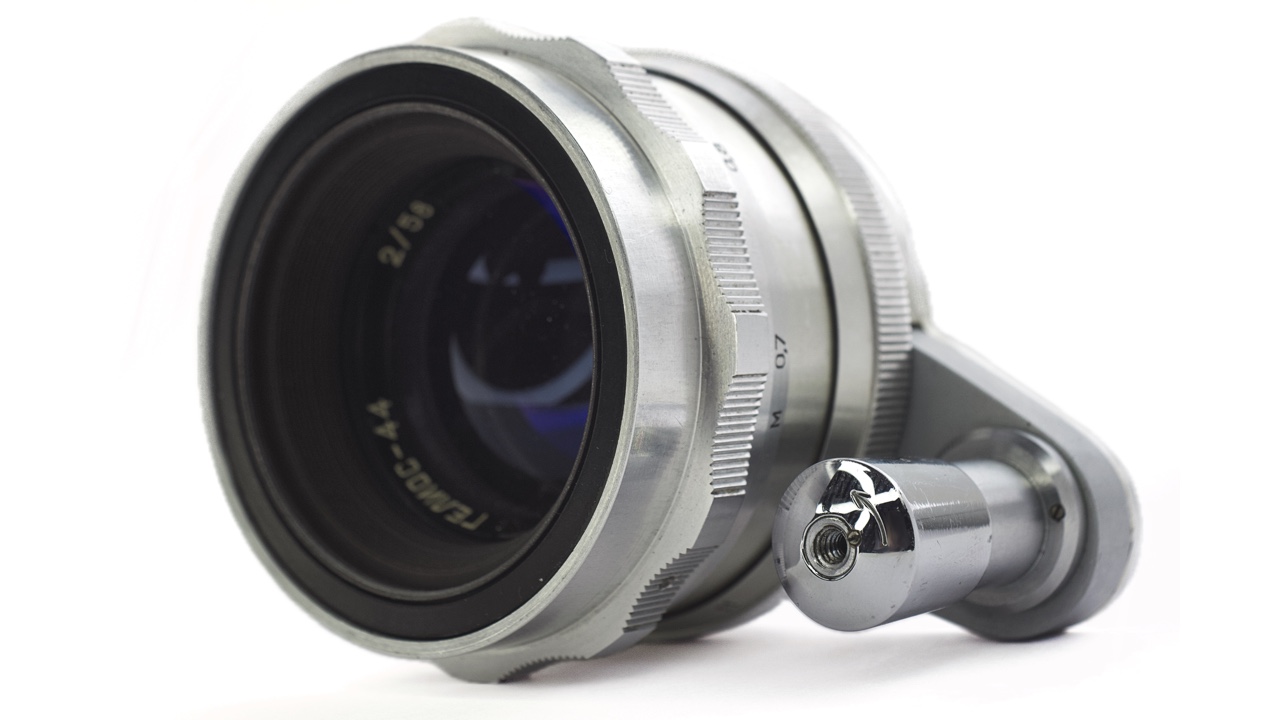
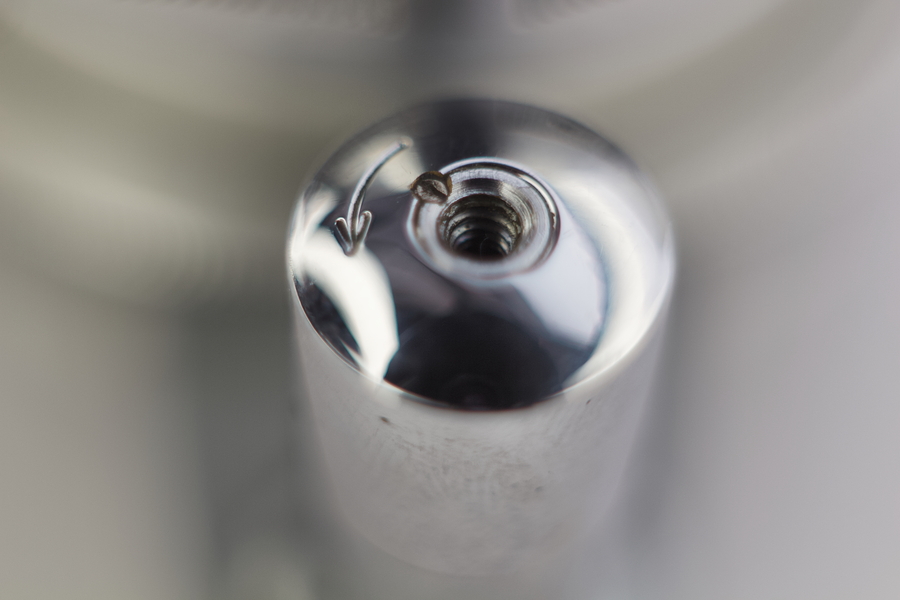
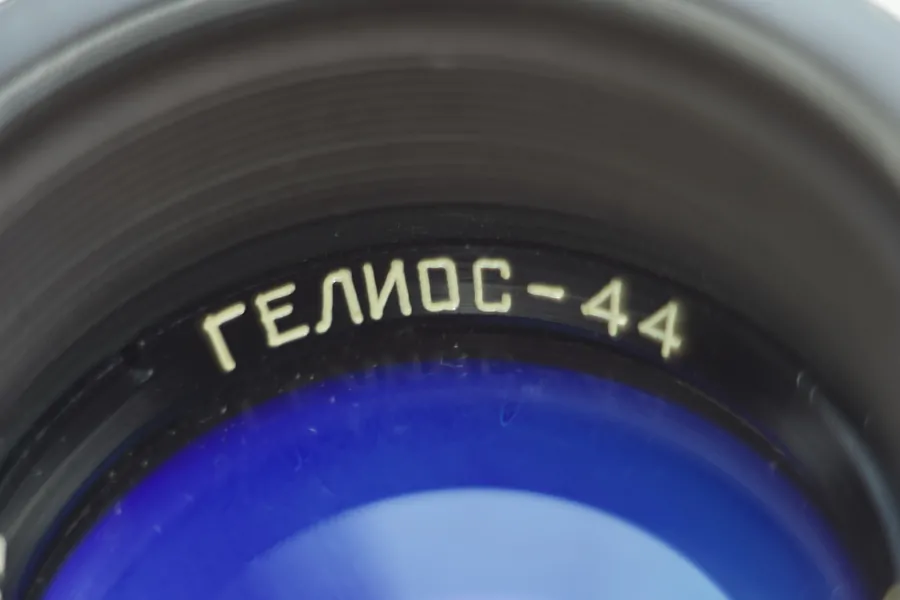
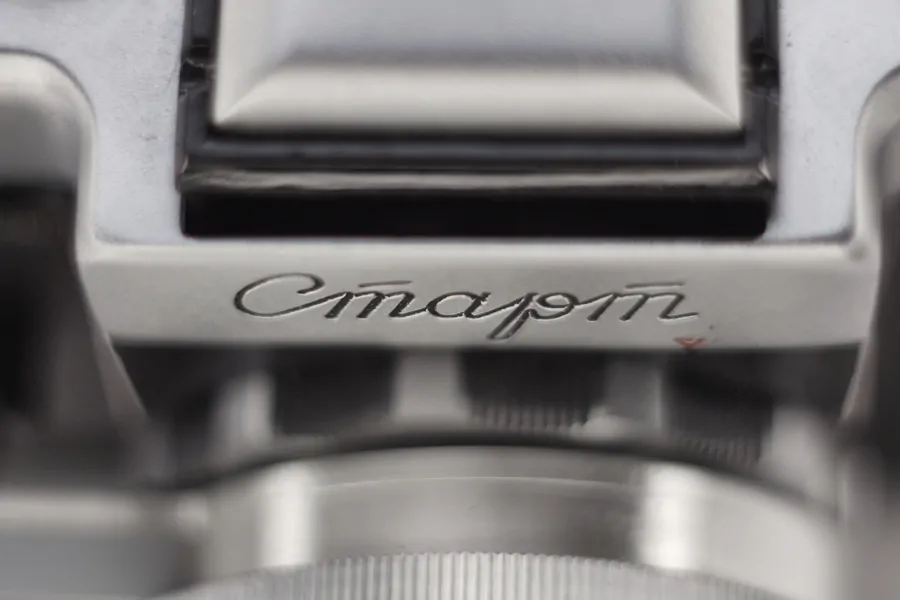
First, it is impossible to ignore the most striking feature – the large protruding button marked with the lens designation.
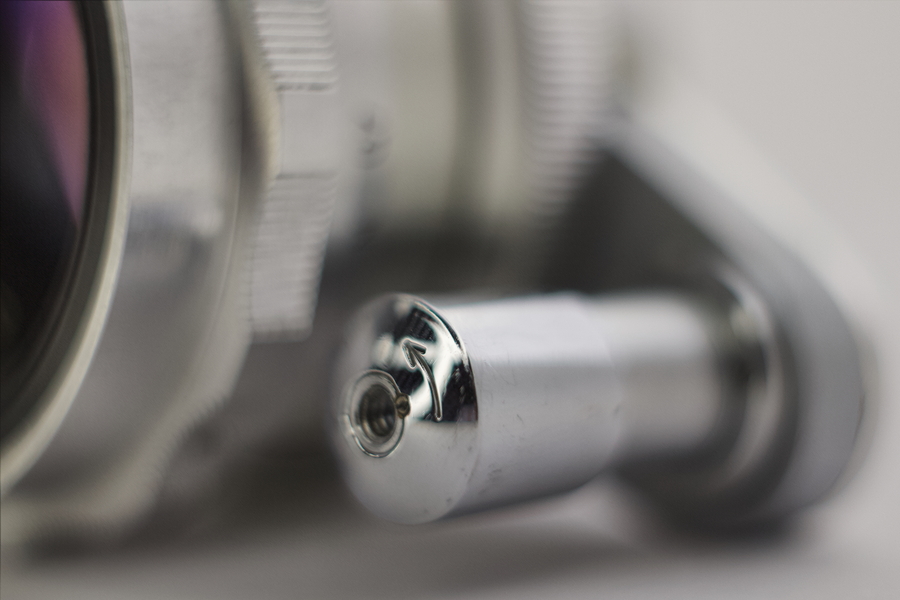
This button acts as an extension of the camera’s shutter release and simultaneously serves as the diaphragm-closing mechanism.
Unlike later M39-thread Helios lenses and versions with automatic diaphragms designated by the “M” index, this lens uses a button-actuated diaphragm mechanism, directly following the design principles of its Exakta-based prototype.
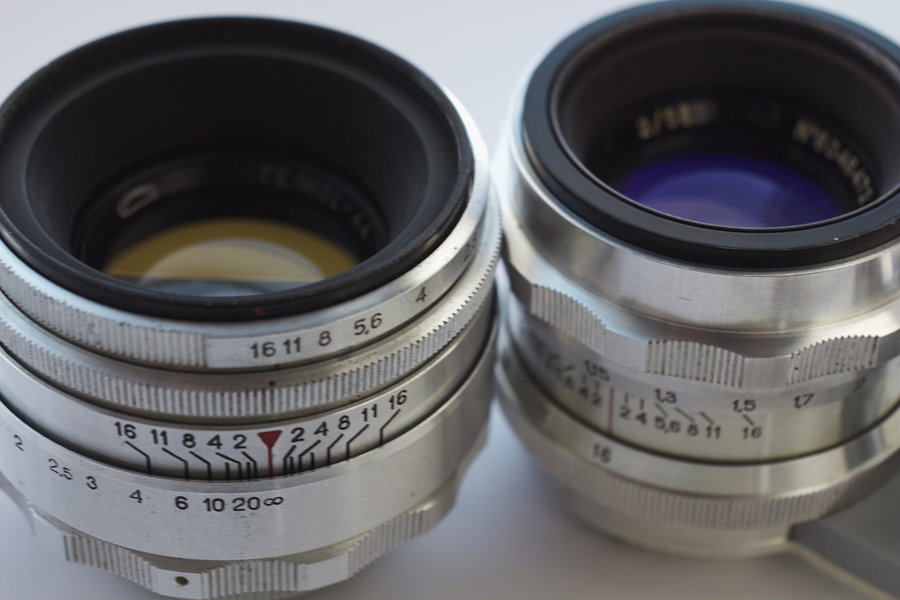
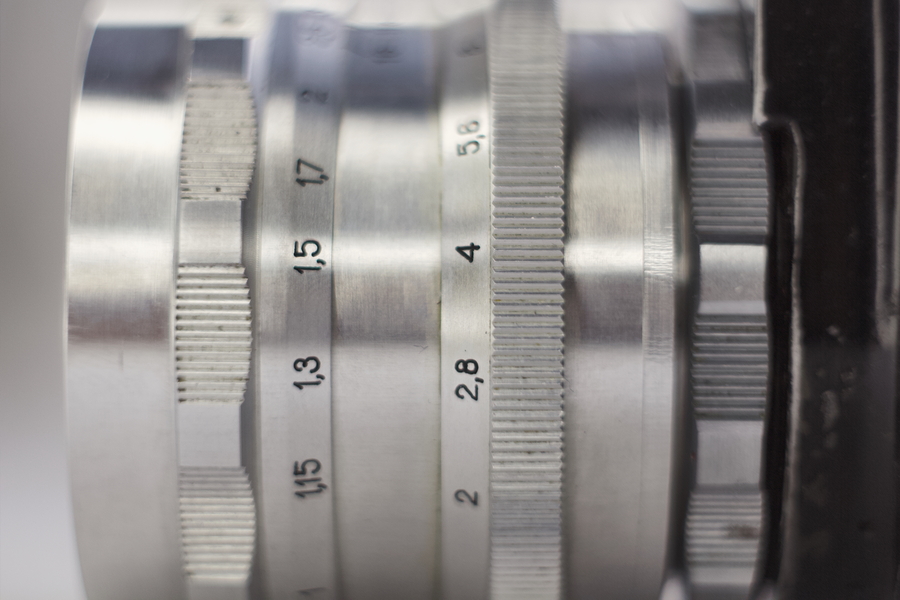
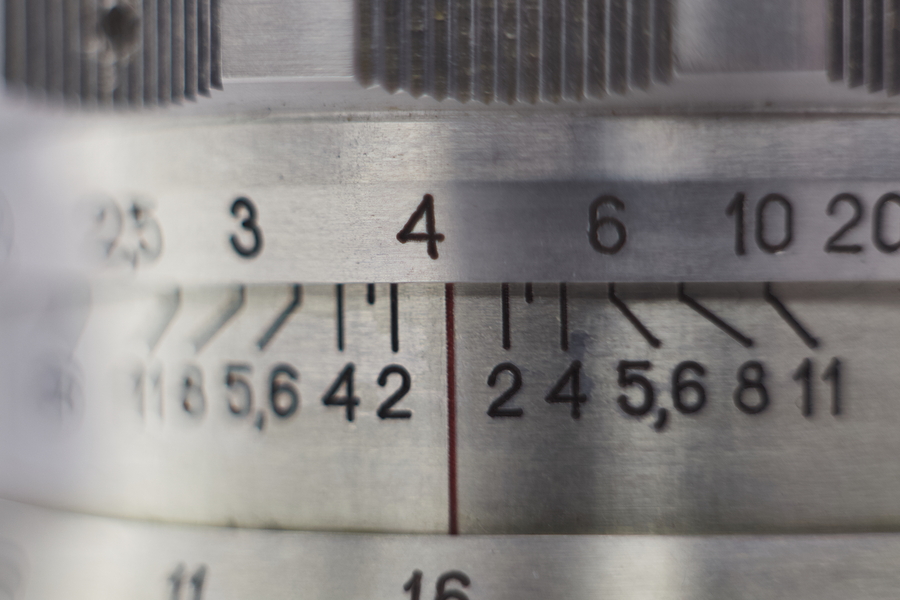
In addition, this lens features a completely different overall layout, including the placement of the aperture and focusing rings, a different filter thread, and, most importantly, a unique bayonet mount.
Designed specifically for the Start camera bayonet, this lens remained the only Helios produced for that system.
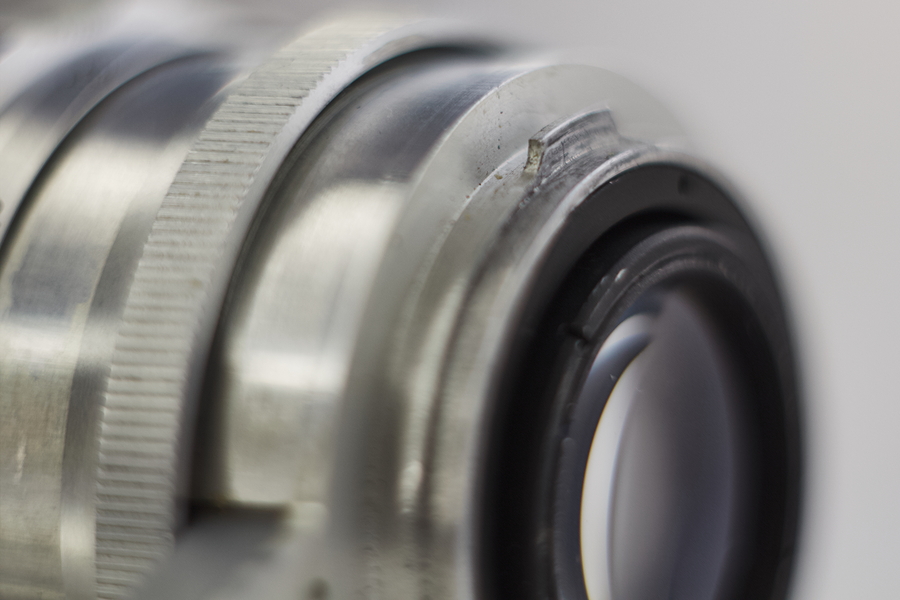
Its flange focal distance is also unusual and shorter than that of Helios lenses made for Zenit cameras, which means it cannot be easily adapted to modern DSLR cameras without significant limitations.
History And Background
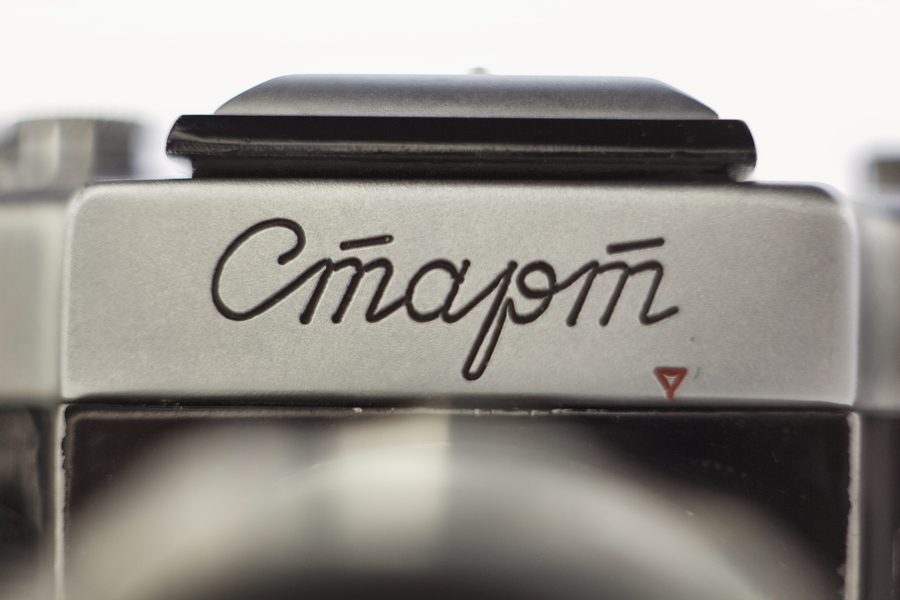
The Helios lens family originated in the Soviet Union, with its design directly derived from the renowned Zeiss Biotar lens formula captured from Germany after World War II.
The first Soviet Helios lenses emerged in the early 1950s, quickly gaining a reputation for excellent sharpness and the distinct swirling bokeh effect produced by their optical design.
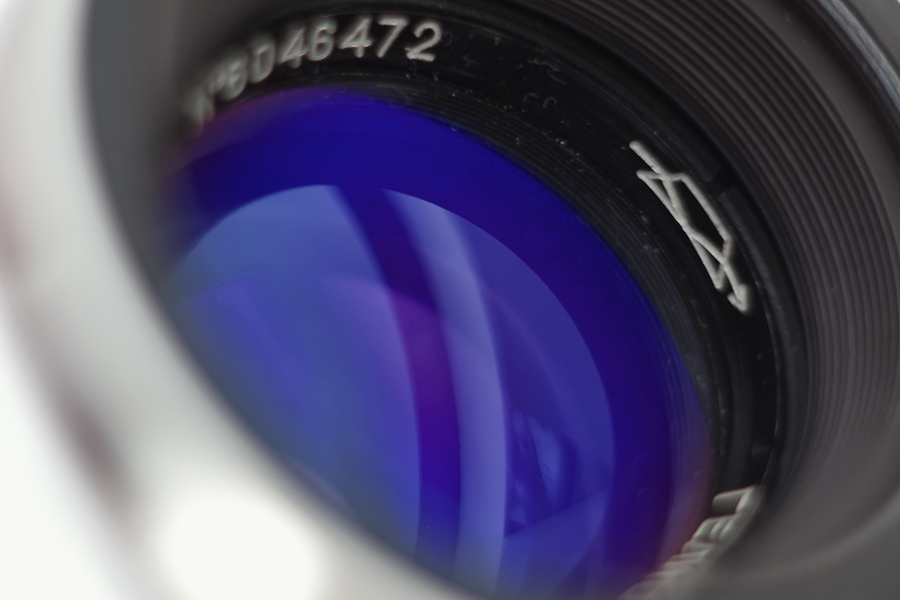
The Helios-44 lens for the “Start” camera represents the earliest model of the renowned Helios-44 lens family, first appearing in 1958.
Designed specifically for the Soviet “Start” SLR camera, this lens uniquely featured a proprietary breech-lock mount secured by a rotating external ring – an approach not found in any subsequent Helios-44 variants.
Early versions of the lens were meticulously crafted, featuring a 13-blade diaphragm that produced exceptionally smooth bokeh, even when stopped down.
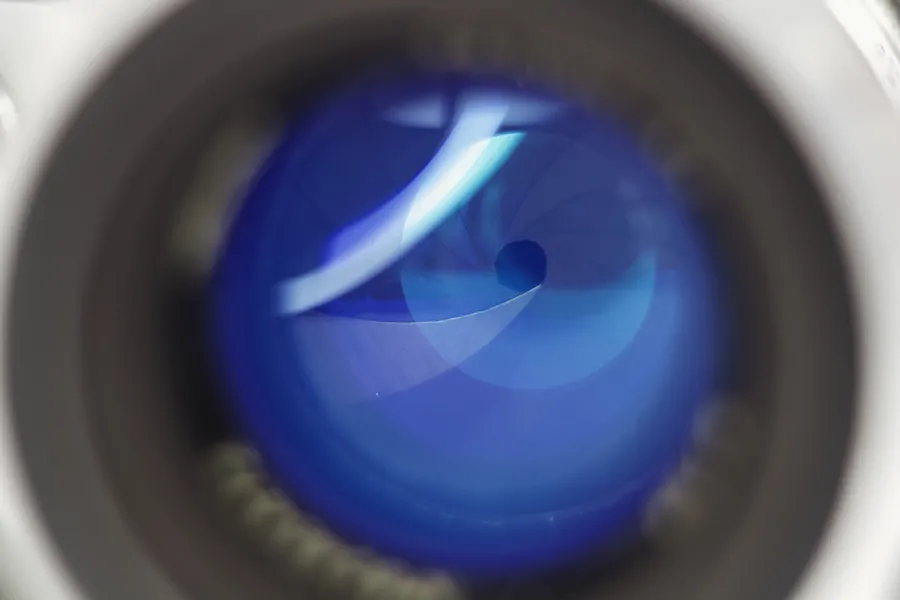
Later production lenses transitioned to an 8-blade diaphragm while maintaining excellent optical performance.
Additionally, it was equipped with an innovative automatic aperture mechanism operated by pressing a shutter release button integrated into the lens itself.
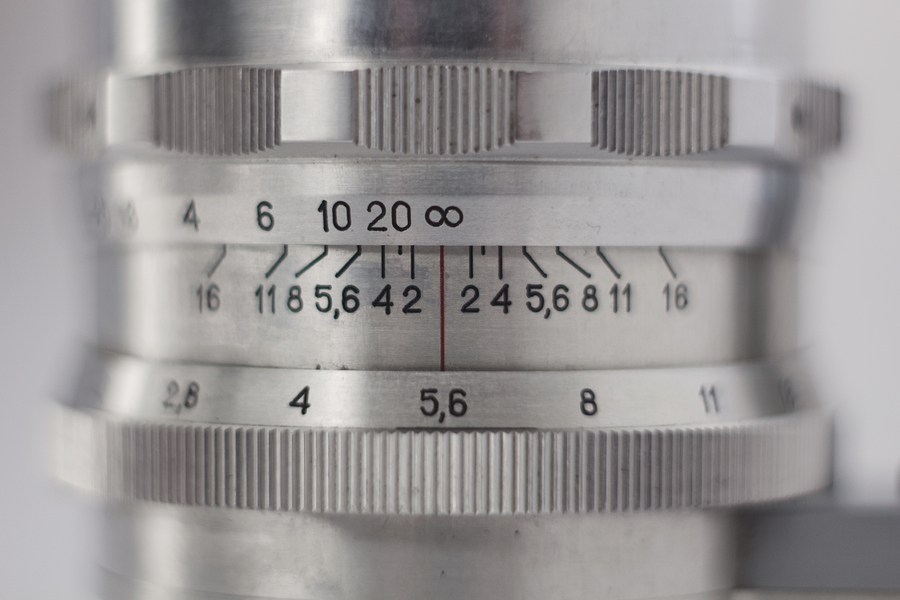
This feature allowed photographers to comfortably focus at an open aperture, automatically stopping down the diaphragm to the preselected setting when pressing the shutter button.
In subsequent models, the lens mechanism was significantly simplified, and this automatic aperture system was replaced by a simpler preset aperture mechanism.
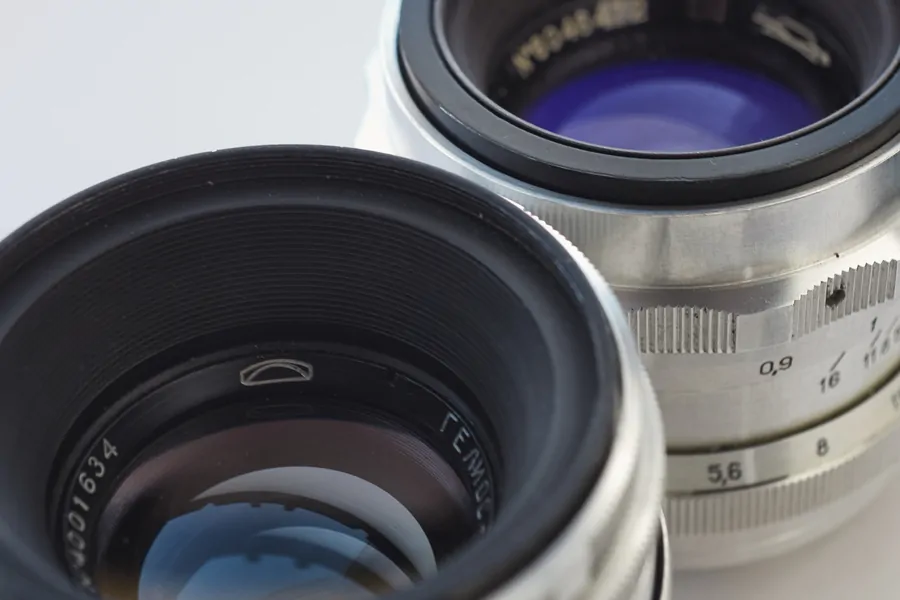
Later versions required you to first set the desired aperture value using one ring, focus the lens at wide open, and then manually close the aperture to the preset value using a second ring before taking a photo. As you might imagine, this was a substantial simplification.
The automatic aperture on the original Start Helios-44 lens was faster and more convenient. However, if you regularly read my website, you’ll know that such simplifications were common in Soviet camera manufacturing.
They were typically implemented to lower production costs, standardize manufacturing, and enable mass production.
The automatic aperture reappeared only many years later with the Helios-44M lenses, using the M42 mount system found in other cameras such as the Asahi Pentax.
Helios-44 Start optical Performance

The Helios-44 58mm f/2 lens for the Start cameras is one of the most interesting examples of Soviet photographic engineering in every sense.
Beyond its distinctive and charismatic appearance, the lens offers very solid optical performance. While its measured specifications on paper do not suggest exceptionally high resolution figures, in real-world use the image it produces is not only sharp but also highly plastic in rendering.
All of the characteristic traits associated with Helios lenses are especially pronounced in this version. There is strong center sharpness, slight softness toward the edges when used wide open, and, of course, the well-known swirly bokeh.
The term “plastic” is difficult to define precisely, but it is immediately recognizable visually. This combination of softness and sharpness in the right places is a defining feature of Helios lenses, and it is clearly present in the Helios-44 made for the Start camera.
When the aperture is stopped down, sharpness increases as expected, and at apertures such as f/5.6 the image becomes very crisp and well-defined.
However, as is often the case, the most distinctive and recognizable characteristics of this lens are most evident when it is used wide open. The Helios-44 for the Start system is a clear and representative example of this behavior.
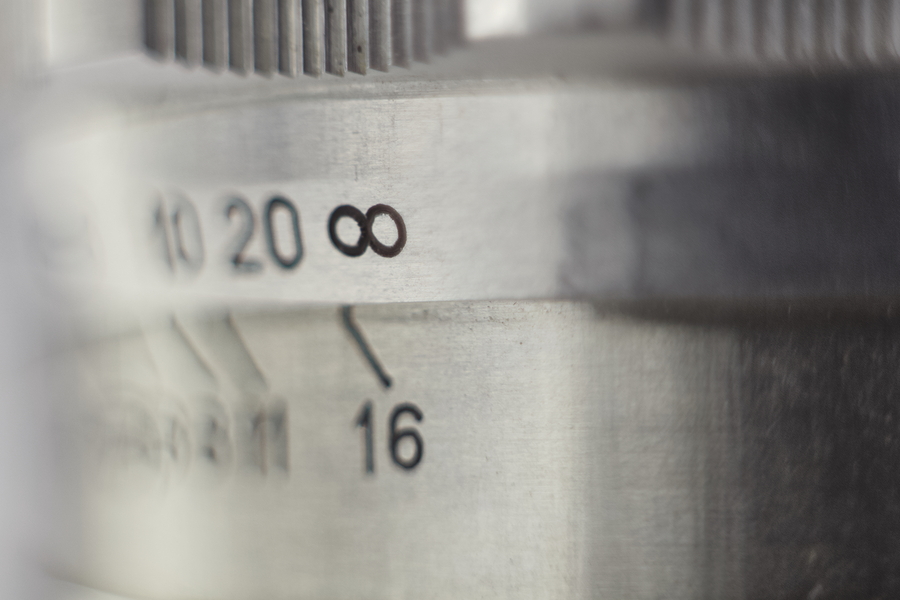
At the same time, this lens also exhibits a number of traits typical of early Helios lenses and, more broadly, of lenses from that era – especially those based on this optical formula.
For example, sharpness drops noticeably when strong light hits the lens directly. Side light is handled somewhat better, largely because the front element is deeply recessed in the lens barrel, providing a degree of natural shading.
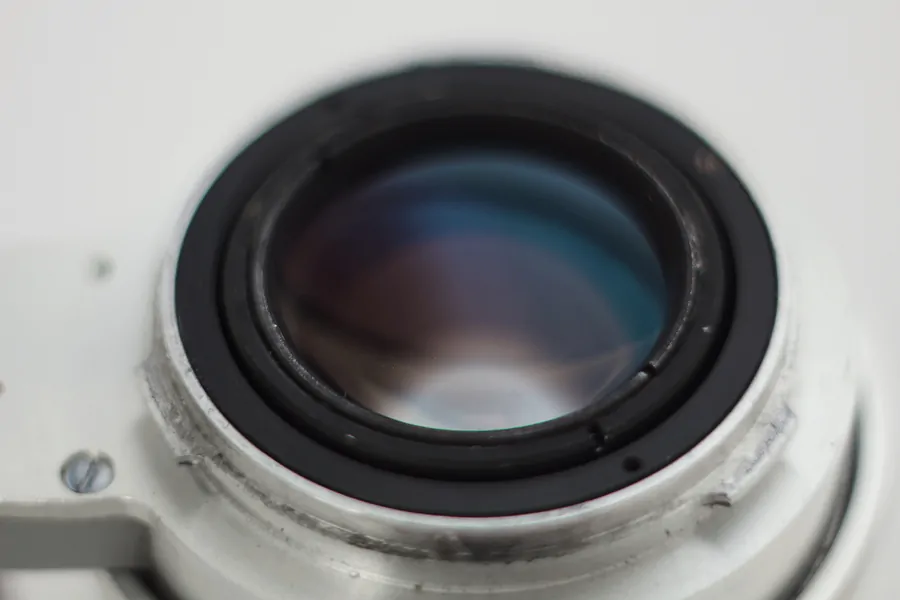
Another characteristic is that many examples develop yellowing over time or show changes in the color of the lens coating, both of which can affect the final image rendering.
A further notable feature of the earliest versions is the use of a 13-blade aperture. This has a very positive effect on out-of-focus highlights, keeping them nearly perfectly circular when the lens is stopped down.
Build and Easy of Use
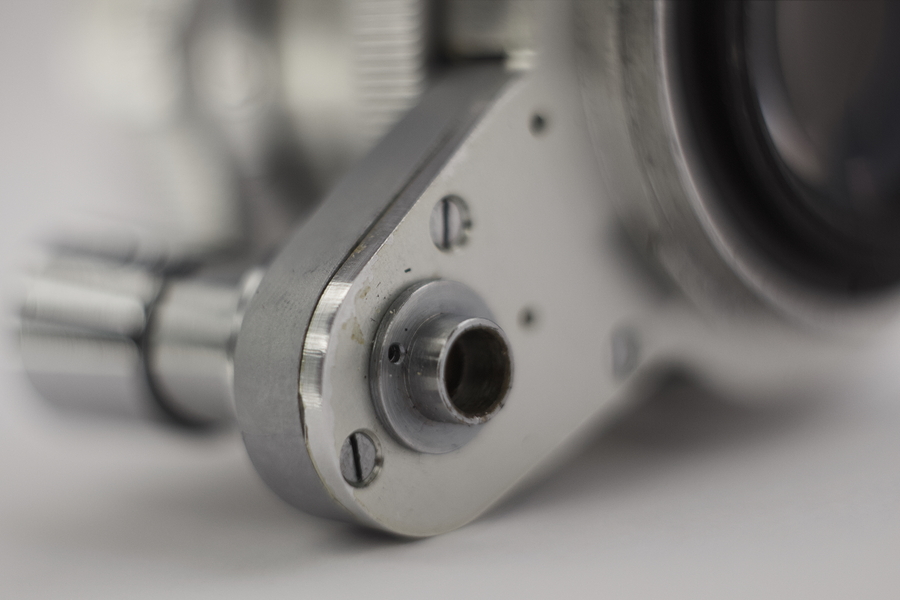
The distinctive nature of this lens is evident not only in the images it produces, but also in the way it handles in practical use.
The general layout of the focusing and aperture controls is broadly similar to what we see on later systems, but the actual operation is noticeably different.
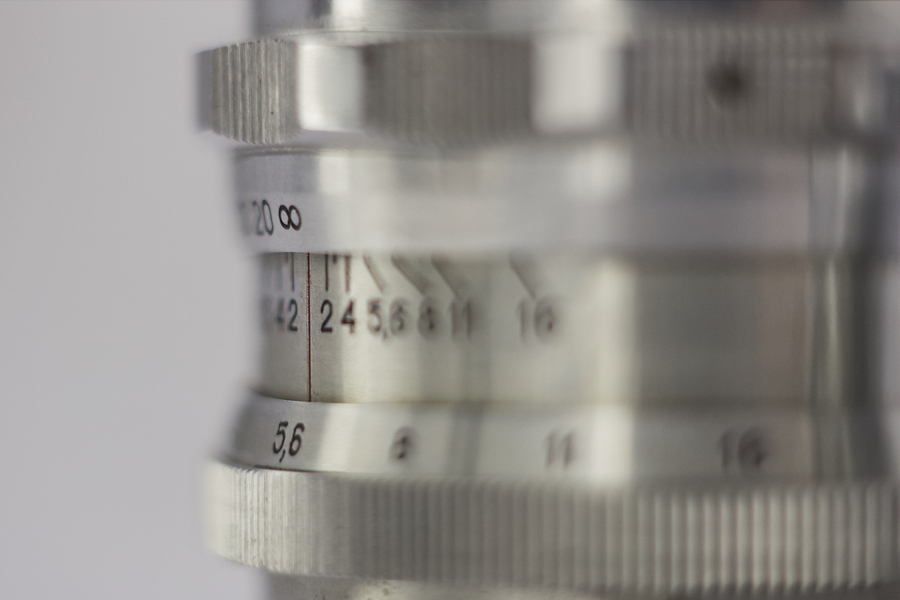
The aperture mechanism has two operating modes: fully manual and automatic. Switching between them is done by rotating the long button located on the lens barrel.
In manual mode, the aperture opens and closes directly to the selected value as you rotate the aperture ring. In automatic mode, the aperture remains fully open while the ring is turned and only stops down to the preset value at the moment you press the button. This same button both closes the diaphragm and triggers the shutter.
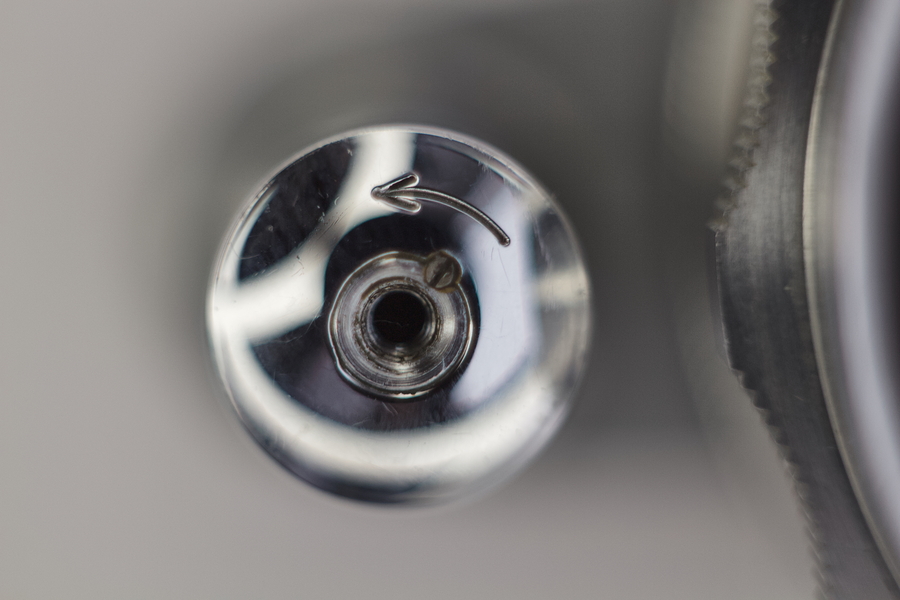
To achieve correct exposures at slower shutter speeds, you must hold the shutter button down the entire time the shutter remains open, because releasing it instantly reopens the aperture to its widest setting
In hand, the lens feels genuinely solid and well made. There is no looseness, no uneven engravings, and no poorly finished markings.
Everything is precise, clean, and well executed. The lens feels heavy and substantial, and with proper maintenance the rings rotate smoothly and with a very pleasant damping.
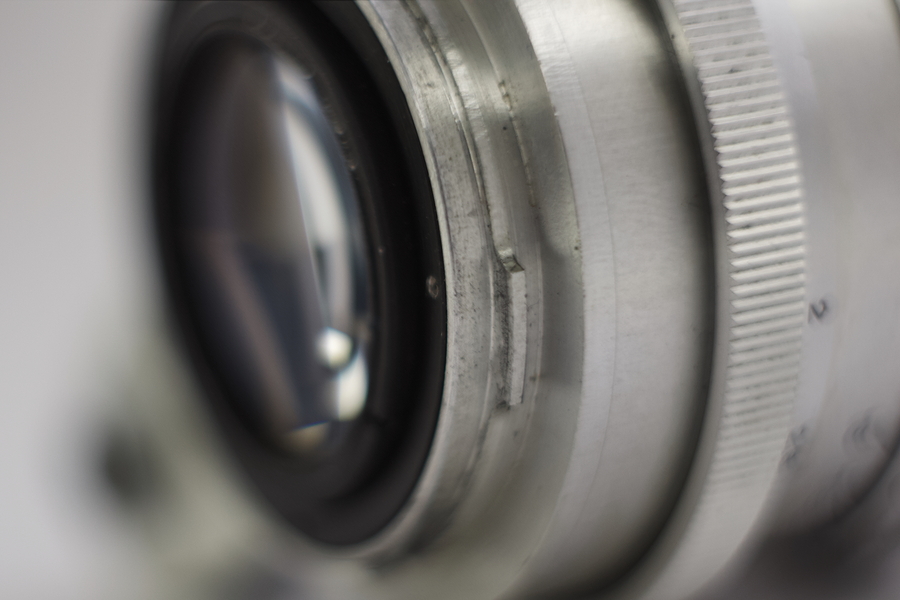
Mounting and removing the lens is also straightforward and satisfying: the lens is inserted into the bayonet by aligning the tabs with the slots, after which the locking ring is tightened around the bayonet to secure it in place.
Use on Film and Digital Cameras
The Helios-44 58mm f/2 made for the Start camera is the only lens in the entire Helios family – and, in fact, the only lens ever produced worldwide – to use this specific mounting system.
Because of this unique bayonet, adapting the lens for use on modern cameras or even other film cameras is difficult. Using it on other camera bodies requires a custom-made mount adapter.
Adaptation is somewhat easier on mirrorless cameras, as their flange focal distance is shorter than that of this lens.
With SLR cameras, the situation is more complex, since proper adaptation would require a combination of material removal in some areas and the addition of extra spacing in others.
Despite the many strengths of this lens, we do not recommend purchasing it for use on modern digital cameras – or for any cameras other than the Start itself.
Helios-44 lenses for SLR cameras with the M39 mount offer nearly identical optical performance and build quality, while being far easier to adapt to both other film cameras and modern digital systems of almost any type.
Conclusion
It is precisely this difficulty of using the lens on any camera other than the Start that fundamentally shapes the overall experience of owning and working with it.
The only genuinely recommended reason to purchase this lens is to use it on its native Start camera. Only in this configuration does it fully reveal its intended design and allow you to experience the lens as it was meant to be used, making the most of the engineers’ unconventional and thoughtful solutions.
The lens produces a distinctly cinematic and plastic image, with pleasing sharpness, gentle background blur, and all the characteristic qualities that are difficult to replicate with many other lenses, including modern ones.
Its construction, visual presence, and image rendering together fully justify acquiring this lens as part of the complete Start camera system.
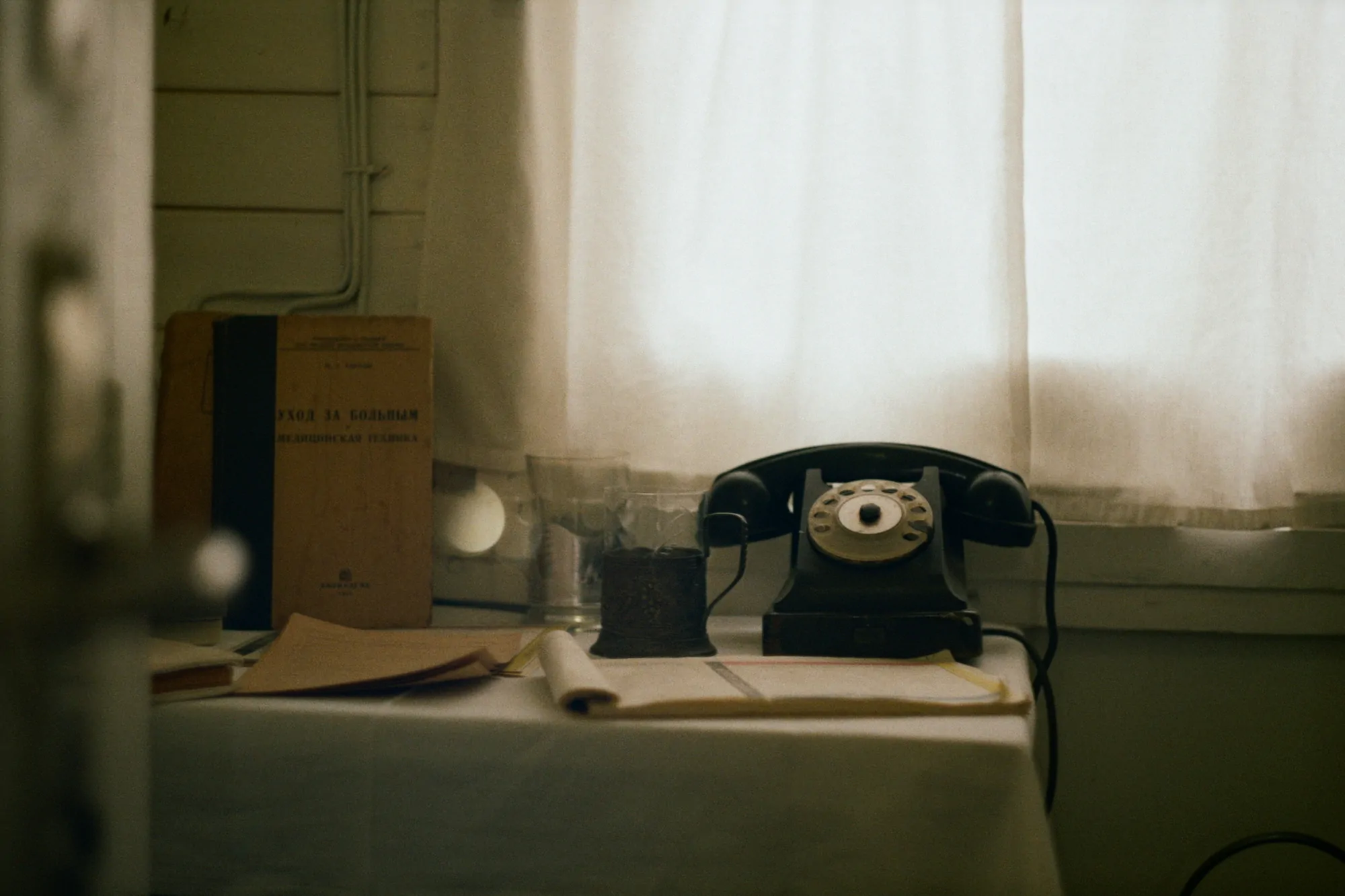
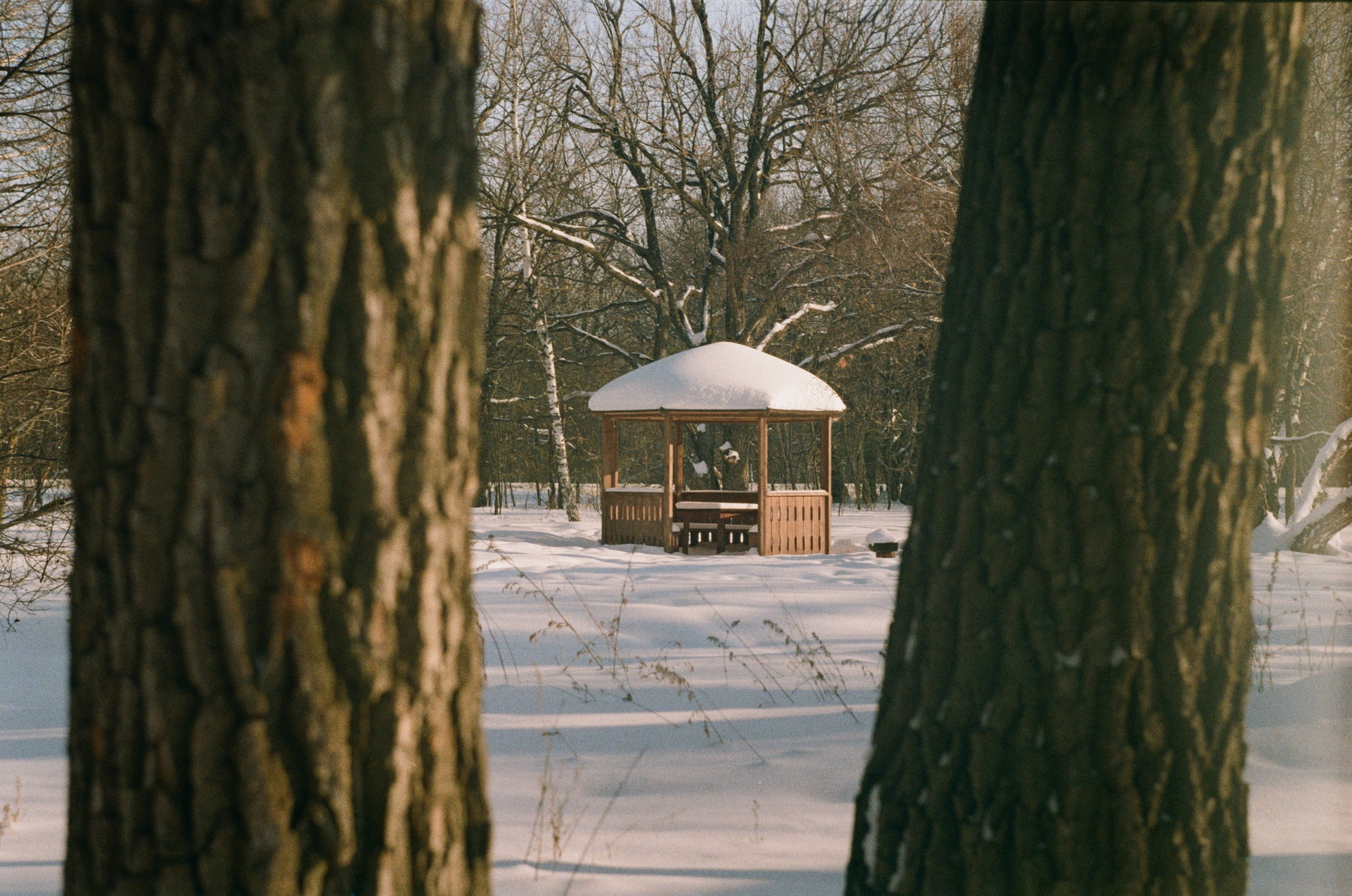
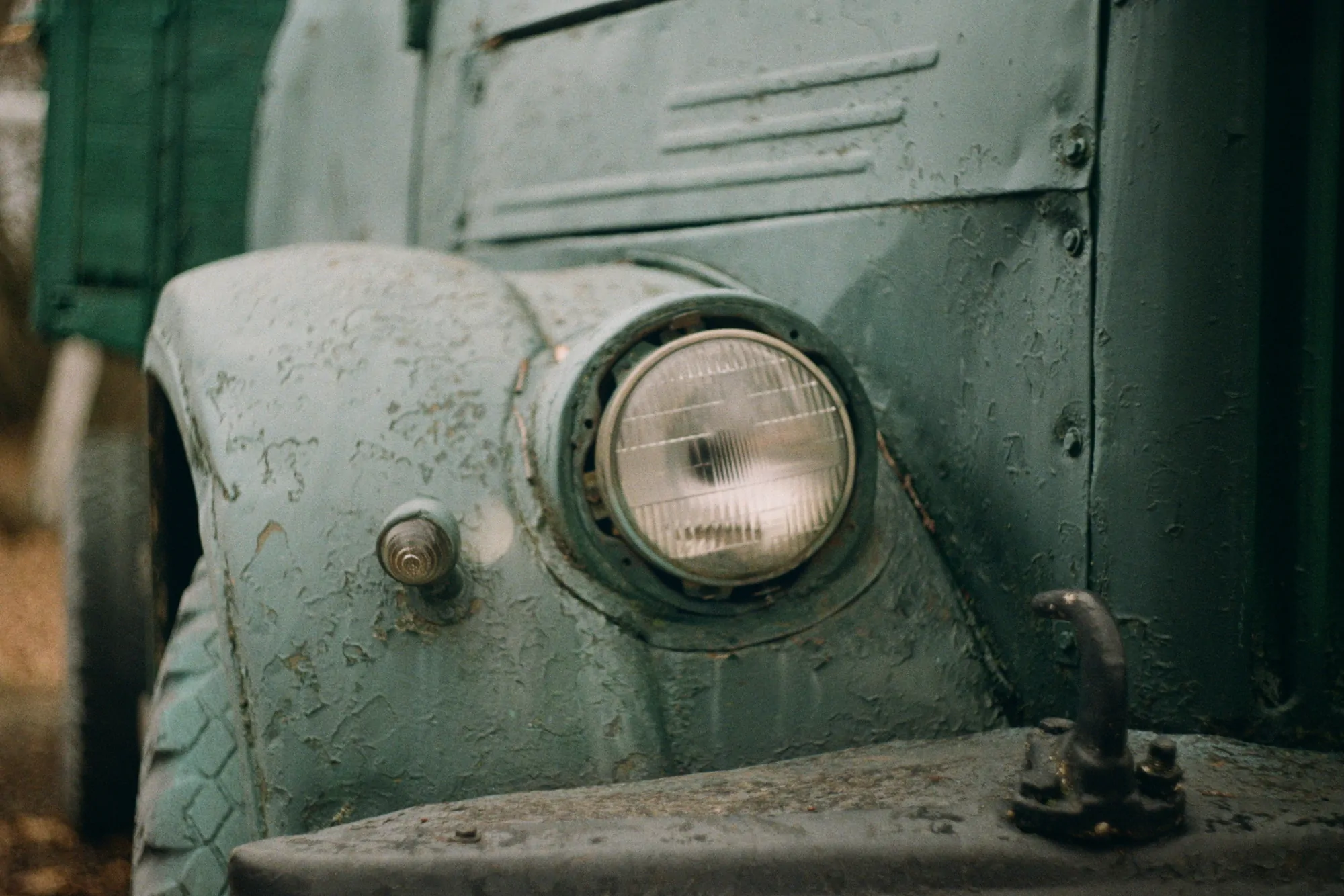
Helios-44 Strt Sample Photos